Parvati Hill, Pune – The Historic Hilltop Temple Complex of Maharashtra

Parvati Hill , Pune
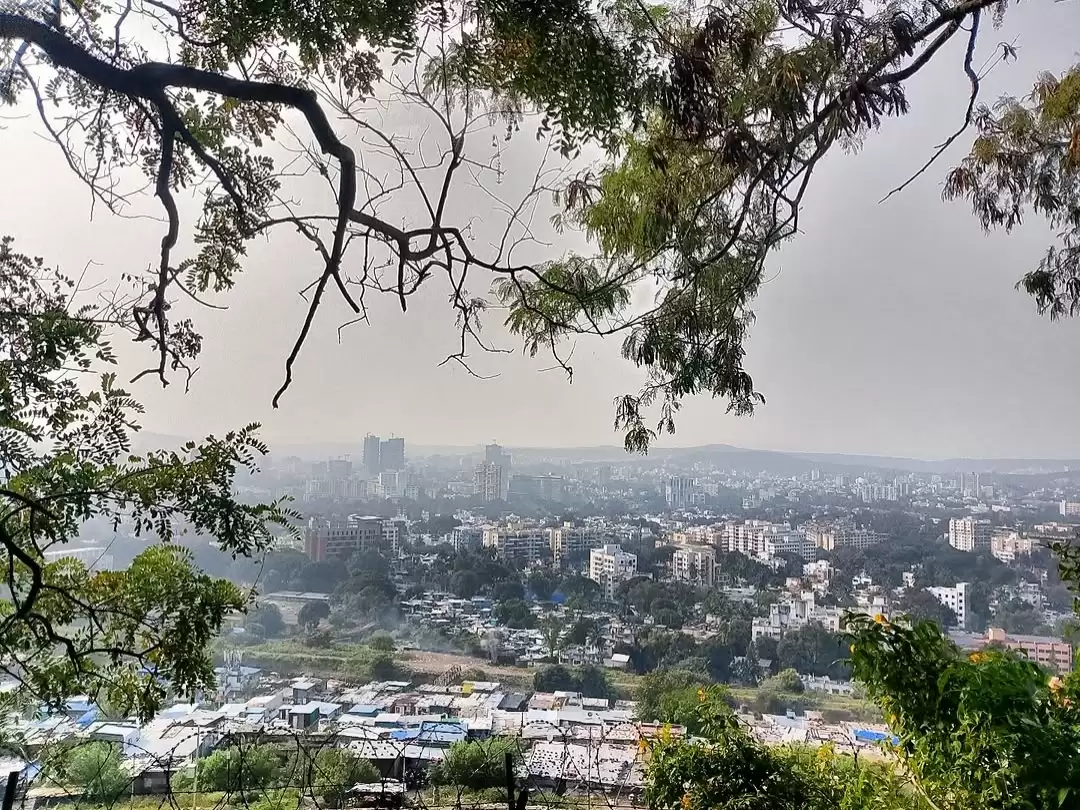
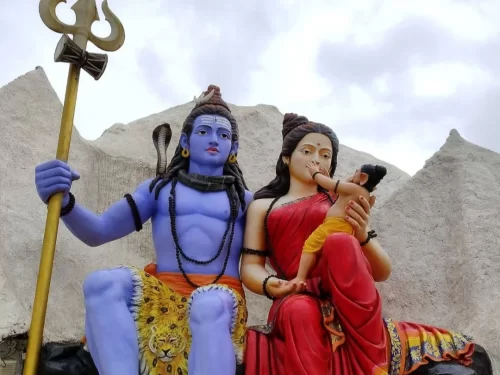
Parvati Hill, rising about 2,100 feet above sea level, is one of Pune’s most significant historical landmarks. The hill houses the Parvati Temple complex built in the 18th century by the Peshwas, dedicated to Goddess Parvati and Lord Shiva. Visitors can climb over 100 steps to reach the summit, where they are rewarded with sweeping views of Pune city. The site also includes a museum showcasing artifacts from the Maratha era, making it both a spiritual and historical attraction.

Quick Facts About Parvati Hill

Quick Facts About Parvati Hill Pune

Entry Fee No entry fee
Timings 5:00 AM – 8:00 PM (daily)
Altitude (m) 640 m
Ideal Visit Duration 60–90 minutes
Best Time of Day Early morning for sunrise views and cooler weather
Crowd Level Moderate–High (popular with locals and trekkers)
Distance from City Centre (km) 4 km (from Pune city centre)
Walking Difficulty Moderate (over 100 stone steps to reach top)
Parking Available Limited (parking available at base area)
Last Mile Access Taxi/auto/bus to Parvati Paytha; climb steps to hilltop
Suitable for Kids Yes (supervision required on steps)
Suitable for Seniors Limited (steps required to reach summit)
Wheelchair Friendly No

Why Visit Parvati Hill Pune

Why Visit

Parvati Hill is one of Pune’s most significant historical and spiritual landmarks, located about 2,100 feet above sea level in Maharashtra. The hill houses the Parvati Temple complex, built in 1749 by Balaji Baji Rao (Nanasaheb Peshwa) of the Maratha Empire. Visitors come to explore its Maratha-era heritage, ancient shrines dedicated to Lord Shiva, Goddess Parvati, and other deities, and to enjoy panoramic views of Pune city.

Atmosphere

The atmosphere is devotional, elevated, and peaceful, especially during early mornings when visitors climb the 100-plus stone steps to reach the summit. The temple complex offers a quiet retreat above the city’s bustle, with gentle breezes and expansive skyline views enhancing the experience. Sunset hours provide particularly scenic vistas.

What Makes it Special

What makes Parvati Hill special is its strong association with the Peshwa dynasty and its role as a vantage point of strategic importance during Maratha rule. The complex also includes a small museum displaying artefacts related to the Peshwas. Its blend of spiritual devotion, Maratha history, and sweeping city views makes it one of Pune’s most iconic hilltop destinations.

History of Parvati Hill Pune

Parvati Hill is located in Pune, Maharashtra, and is one of the city’s most prominent historical landmarks. Rising approximately 640 meters above sea level, the hill became significant during the 18th century under the rule of the Peshwas, who developed it as a religious and residential complex.

The Parvati Temple complex atop the hill was constructed around 1749 by Peshwa Balaji Baji Rao (Nanasaheb Peshwa). Dedicated primarily to Goddess Parvati and Lord Devdeveshwar (a form of Shiva), the complex also includes temples dedicated to Vishnu, Kartikeya, and Vitthal-Rukmini. The architecture reflects traditional Maratha temple design with stone structures and stepped access pathways.

Parvati Hill also housed the Peshwas’ private shrine and served as a vantage point overlooking Pune, symbolizing their political and spiritual authority. Today, it remains an important heritage and pilgrimage site, offering insight into Maratha-era religious patronage and Pune’s historical evolution as a Peshwa capital.

Best Time to Visit – Parvati Hill Pune

The best time to visit Parvati Hill in Pune, Maharashtra, is from October to February, when the weather is pleasant and ideal for climbing the stone steps and enjoying panoramic views of the city. During these months, temperatures are moderate, making it comfortable for visitors to explore the hilltop temples and surrounding landscape.

  • October–November: Post-monsoon freshness with clear skies—ideal for scenic climbs and photography.
  • December–January: Coolest and most comfortable season—best for extended exploration.
  • February: Pleasant conditions continue—morning visits are recommended.
  • March–May (Summer): Warm weather; early morning or late evening climbs are more manageable.
  • June–September (Monsoon): Frequent rainfall enhances greenery, but steps may be slippery during showers.

Best time of day: 6:00 AM to 9:00 AM for cooler temperatures and peaceful surroundings, or 5:00 PM to 7:00 PM for sunset views across Pune city.

  • Experience tip: Explore the hilltop temples dedicated to Lord Shiva and Goddess Parvati.
  • Photography tip: Sunrise and sunset provide panoramic skyline views.
  • Visitor note: Wear comfortable footwear for climbing the steps safely.

How to Reach Parvati Hill Pune

Parvati Hill is located in the southern part of Pune, Maharashtra, near Swargate. The hill houses the historic Parvati Temple complex built during the Peshwa era and offers panoramic views of the city. It is easily accessible by road from central Pune.

  • By Air (Nearest airport): The nearest airport is Pune International Airport (Lohegaon), approximately 15–18 km away. From the airport, hire a taxi or app-based cab to Parvati Hill. Travel time is about 40–60 minutes depending on traffic.
  • By Train (Nearest railway station): Pune Junction Railway Station is about 6–7 km from Parvati Hill. From the station, take a taxi, auto-rickshaw, or PMPML bus toward Swargate.
  • By Metro: Pune Metro connectivity is expanding in central areas. Visitors can use the nearest operational metro station and continue by road toward Swargate/Parvati area.
  • By Road: Parvati Hill is well connected via Satara Road and Swargate area. PMPML buses operate frequently toward Swargate, from where the hill base is easily reachable.
  • Taxi / Auto-rickshaw: Taxis and auto-rickshaws are widely available across Pune and can drop you at the base of Parvati Hill.
  • Self-drive: Self-driving is convenient via city roads. Limited parking facilities are available near the base of the hill.
  • Walking access: Visitors must climb approximately 100+ steps from the base to reach the temple complex at the top.
  • Travel tips (EEAT): Visit early morning or evening for cooler weather and scenic city views. Wear comfortable footwear for climbing steps and dress modestly when visiting the temple complex.

What to Expect When You Visit Parvati Hill Pune

Parvati Hill, located in Pune, Maharashtra, is one of the city’s oldest heritage landmarks and a significant religious site associated with the Peshwa era. Rising about 2,100 feet above sea level, the hill houses historic temples built in the 18th century and offers panoramic views of Pune, making it both a spiritual and scenic destination.

  • Historic Peshwa-era temples: the hilltop complex includes temples dedicated to Lord Shiva (Devdeveshwar), Goddess Parvati, Lord Vishnu, Lord Kartikeya, and Lord Rama.
  • Climb of over 100 steps: reaching the summit requires ascending a long stone staircase.
  • Panoramic city views: the elevated position offers sweeping views of Pune’s skyline.
  • Maratha architectural style: temple structures reflect 18th-century Peshwa design elements.
  • Parvati Museum nearby: a small museum displays artifacts and items related to Peshwa history.
  • Active place of worship: daily poojas are conducted, maintaining its religious significance.
  • Sunrise and sunset appeal: the hilltop is especially popular during early morning and evening hours.
  • Moderate physical effort required: climbing the steps involves light to moderate exertion.
  • Photography-friendly viewpoints: scenic overlooks provide excellent photo opportunities.
  • Moderate crowd levels: weekends and holidays attract more visitors.

Tip for a smoother visit: visit early morning for cooler weather and clearer views, wear comfortable footwear for climbing, carry water, and allocate time to explore both the temples and museum.

Important Visitor Information – Parvati Hill, Pune

  • Crowd & Weather Notes: Parvati Hill experiences moderate to heavy footfall during early mornings, evenings, weekends, and peak tourist season (October to February). Pune has a tropical wet and dry climate; summers (March to May) can be warm, monsoon months (June to September) bring moderate to heavy rainfall making steps slippery, and winters are pleasant.
  • Peak / Quiet Hours: Peak hours are early morning and late afternoon when visitors come for sunrise and sunset views. Midday on weekdays is comparatively quieter but can be warm in summer.
  • Dress Code: No formal dress code applies, but modest attire is recommended as there are temples atop the hill. Wear comfortable clothing and sturdy footwear suitable for climbing a long flight of steps.
  • Safety Notes: Exercise caution while climbing the stone steps, especially during monsoon when surfaces can be slippery. Carry sufficient water during summer visits, supervise children closely, and avoid venturing near unprotected edges.

Photography and Viewpoint – Parvati Hill Pune

Parvati Hill, located in Pune, Maharashtra, rises approximately 2,100 feet above sea level and is one of the city’s most historic and scenic viewpoints. The hill houses the 18th-century Parvati Temple complex built during the Peshwa era, dedicated primarily to Lord Shiva and Goddess Parvati. With its long stairway approach and panoramic city views, the site offers strong opportunities for sunrise photography, heritage framing, and skyline compositions.

  • Best light for photography: Sunrise provides soft golden light across Pune’s skyline, while sunset creates layered silhouettes and warm sky gradients.
  • Stairway perspective shots: Use the ascending stone steps as leading lines toward the temple complex for strong compositional depth.
  • Hilltop panoramic frames: Capture expansive city views from the summit, especially during clear early mornings.
  • Temple façade compositions: Frame the Parvati Temple structures symmetrically to highlight Peshwa-era architectural elements.
  • Wide vs. telephoto strategy: Wide lenses capture full city panoramas and temple context, while telephoto lenses isolate skyline layers and architectural details.
  • Silhouette & skyline shots: Photograph temple outlines and visitors against dramatic evening skies.
  • Detail-focused photography: Highlight stone textures, temple shikhara, and traditional wooden elements.
  • Mobile photography tips: Use gridlines for straight horizons, stabilize in windy conditions, and adjust exposure during bright daylight.
  • Crowd & timing awareness: Early morning visits offer quieter surroundings and cleaner panoramic frames.
  • Responsible heritage photography: Respect temple customs, maintain modest attire, and avoid climbing restricted areas.

Near By Attraction

Darshan Museum. Spiritual museum in Pune featuring detailed Hindu deity sculptures and cultural exhibits. Museum

Darshan Museum

Darshan Museum is an innovative museum in Pune, offering a multimedia spiritual experience based on the life of Sadhu Vaswani.

Osho Garden Pune. Serene Zen garden near Osho International Meditation Resort with lush greenery and walking paths. Garden

Osho Garden

Osho Garden is a peaceful landscaped garden in Pune, known for its serene pathways and riverside setting.

Shri Chatushrungi Devi Temple Pune. Hilltop Hindu temple dedicated to Goddess Chatushrungi with scenic city views. Temple

Shri Chatushrungi Devi Temple

Shri Chatushrungi Devi Temple is a prominent Hindu temple in Pune, dedicated to Goddess Chatushrungi and situated atop a scenic hill.

Frequently Asked Questions About Parvati Hill

Parvati Hill is located in Pune in Maharashtra near the city center. It is one of the most prominent viewpoints overlooking Pune city.
Parvati Hill can be reached within 20 to 25 minutes by taxi auto or local bus from Pune railway station depending on traffic. The final ascent involves climbing a long flight of steps.
The best time to visit Parvati Hill is between October and February when the weather in Pune remains pleasant for climbing steps. Early mornings and evenings offer cooler temperatures and clear views.
Parvati Hill is popular for its panoramic city views historic temples and sunrise and sunset scenery. It attracts visitors looking for a mix of spirituality and outdoor activity.
Parvati Hill is suitable for family visits though climbing several steps is required to reach the top. Visitors can take breaks along the way if needed.
There are several hotels near Parvati Hill in areas like Swargate Deccan and central Pune. These locations provide convenient accommodation options.
Parvati Hill has basic facilities including temple areas resting spots and limited seating. Food stalls and additional amenities are available at the base rather than at the top.
Most travelers spend one to two hours at Parvati Hill exploring the temples and enjoying city views. It is often included in a Pune sightseeing plan.
Trekking in the traditional sense is not required at Parvati Hill but climbing steps is necessary to reach the summit. The climb is manageable for visitors with basic fitness levels.
Travelers visiting Parvati Hill should wear comfortable footwear carry drinking water and avoid visiting during peak afternoon heat. Maintaining cleanliness and respecting temple rules is important.

Loved this place ? Let’s Plan Your Maharashtra Trip

Get customized Maharashtra tour planning designed around seasonal weather shifts, long-distance road travel flow, hill station comfort, coastal timing, and heritage exploration pacing. Whether you are visiting for historic caves, spiritual journeys, beach

⚡ Quick Response | 💰 Free consultation | 🕒 24×7 expert support

×

Plan Your Trip