Shri Chatushrungi Devi Temple, Pune – The Revered Hilltop Goddess Shrine of Maharashtra

Shri Chatushrungi Devi Temple , Pune
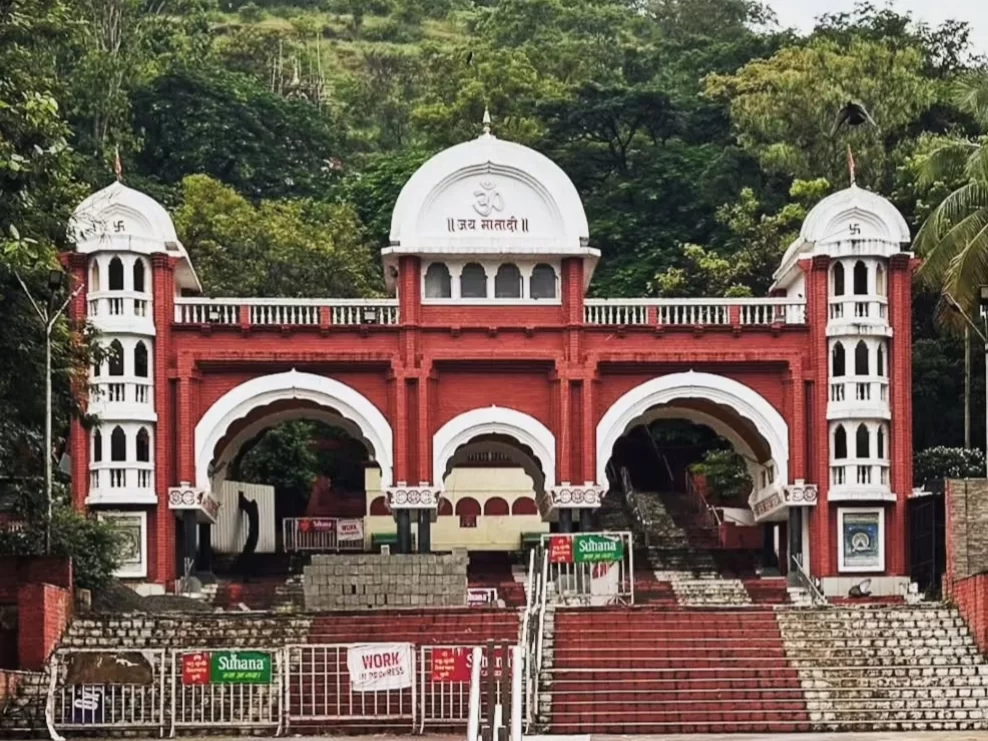
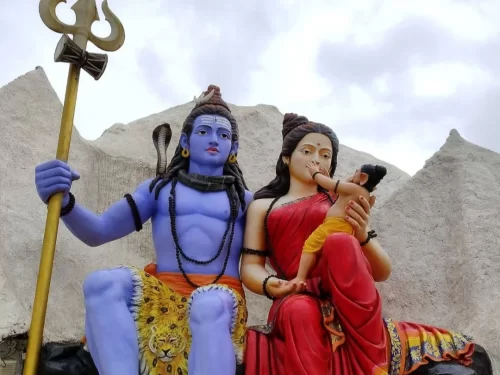
Shri Chatushrungi Devi Temple is located on Senapati Bapat Road in Pune and is believed to have been established during the Maratha period. Dedicated to Goddess Chatushrungi, a form of Goddess Durga, the temple sits atop a hill and is accessed by a long flight of steps. It attracts thousands of devotees, especially during Navaratri, when grand celebrations and special rituals are held. The temple stands as one of Pune’s most important spiritual landmarks.

Quick Facts About Shri Chatushrungi Devi Temple

Quick Facts About Shri Chatushrungi Devi Temple Pune

Entry Fee No entry fee
Timings 6:00 AM – 9:00 PM (daily)
Altitude (m) 600 m
Ideal Visit Duration 45–90 minutes
Best Time of Day Early morning for peaceful darshan; Navratri is busiest
Crowd Level High (especially during Navratri and festivals)
Distance from City Centre (km) 6 km (from Pune city centre)
Walking Difficulty Moderate (over 100 steps to reach temple)
Parking Available Limited (parking available near base area)
Last Mile Access Taxi/auto/bus to Senapati Bapat Road; climb steps to temple
Suitable for Kids Yes (supervision required on steps)
Suitable for Seniors Limited (steps required to reach shrine)
Wheelchair Friendly No

Why Visit Shri Chatushrungi Devi Temple Pune

Why Visit

Shri Chatushrungi Devi Temple, located on Senapati Bapat Road in Pune, Maharashtra, is a revered hilltop shrine dedicated to Goddess Chatushrungi, regarded as a form of Durga. Believed to have been established during the reign of the Maratha ruler Shivaji Maharaj (traditional belief; exact historical date not officially verified), the temple is an important Shakti worship centre in the region. Devotees visit to seek blessings for strength, protection, and prosperity.

Atmosphere

The atmosphere is devotional and elevated, both spiritually and physically, as visitors climb a long flight of steps to reach the sanctum. The temple becomes especially vibrant during Navratri when thousands of devotees gather for special rituals and celebrations. On regular days, the hilltop setting offers a calm and reflective environment with views over parts of Pune city.

What Makes it Special

What makes Shri Chatushrungi Devi Temple special is its naturally formed idol of the goddess carved into the hillside rock, symbolising ancient Shakti worship traditions. The temple’s name, meaning “four peaks,” reflects its location amidst four hillocks. Its strong regional devotion, annual Navratri festivities, and commanding hilltop presence make it one of Pune’s most significant religious landmarks.

History of Shri Chatushrungi Devi Temple Pune

Shri Chatushrungi Devi Temple is located on the slopes of Senapati Bapat Road in Pune, Maharashtra, and is dedicated to Goddess Chatushrungi, a form of the Divine Mother associated with Shakti worship. The temple is believed to have been established during the reign of the Peshwas in the 18th century and is closely linked to Pune’s historical development as a Maratha administrative center.

The name “Chatushrungi” refers to the four mountain peaks (chatur-shrungi) surrounding the temple hill. The shrine gained prominence under Peshwa patronage, and it became one of the important centers of Navaratri celebrations in the region. The temple complex includes stone steps leading to the sanctum, reflecting traditional hill-temple architecture.

Over time, Shri Chatushrungi Devi Temple became a major pilgrimage site in Pune, especially during Navaratri when large numbers of devotees participate in rituals and festivities. Today, it stands as a significant spiritual landmark in the city, symbolizing Pune’s enduring Shakta traditions and its Maratha-era religious heritage.

Best Time to Visit – Shri Chatushrungi Devi Temple Pune

The best time to visit Shri Chatushrungi Devi Temple in Pune, Maharashtra, is from October to February, when the weather is pleasant and suitable for climbing the temple steps and attending darshan. During these months, temperatures are moderate, making it comfortable for devotees to participate in rituals and enjoy the hilltop surroundings.

  • October–November: Post-monsoon freshness with clear skies—ideal for peaceful darshan.
  • December–January: Coolest and most comfortable season—best for early morning and evening worship.
  • February: Pleasant conditions continue—morning visits are recommended.
  • March–May (Summer): Warm weather; early morning and late evening darshan are more manageable.
  • June–September (Monsoon): Frequent rainfall enhances greenery, but temple steps may be slippery during showers.

Best time of day: 6:00 AM to 9:00 AM and 5:30 PM to 8:00 PM are ideal for darshan, aligning with daily aarti timings and offering a calm devotional atmosphere.

  • Spiritual tip: Navratri is celebrated with great devotion and attracts large gatherings—plan visits early during this festival.
  • Experience note: The hilltop location offers scenic views of Pune city.
  • Dress code note: Modest traditional attire is recommended in keeping with temple customs.

How to Reach Shri Chatushrungi Devi Temple Pune

Shri Chatushrungi Devi Temple is located on Senapati Bapat Road in Pune, Maharashtra, at the foothills of a small hill in the northwestern part of the city. Dedicated to Goddess Chatushrungi (a form of Durga), the temple is a prominent Shakti Peetha in Pune and is easily accessible by road and rail.

  • By Air (Nearest airport): The nearest airport is Pune International Airport (Lohegaon), approximately 12–14 km away. From the airport, hire a taxi or app-based cab to Senapati Bapat Road. Travel time is about 30–50 minutes depending on traffic.
  • By Train (Nearest railway station): Pune Junction Railway Station is about 6–7 km from the temple. From the station, take a taxi, auto-rickshaw, or PMPML bus toward University Road/Senapati Bapat Road.
  • By Metro: Pune Metro connectivity is expanding in central and university areas. Visitors can use the nearest operational metro station and continue by road to reach the temple.
  • By Road: The temple is well connected via Senapati Bapat Road and University Road. PMPML buses frequently operate to nearby stops such as Chatushrungi Bus Stop.
  • Taxi / Auto-rickshaw: Taxis and auto-rickshaws are widely available across Pune and can drop you directly at Shri Chatushrungi Devi Temple entrance.
  • Self-drive: Self-driving is convenient via city roads. Parking facilities are available near the base of the hill, though they may be crowded during Navratri and festival days.
  • Walking access: Visitors must climb a series of steps from the base to reach the temple sanctum on the hill.
  • Travel tips (EEAT): Early morning and evening are ideal for darshan. Expect heavy crowds during Navratri. Wear comfortable footwear for climbing steps and dress modestly as per temple customs.

What to Expect When You Visit Shri Chatushrungi Devi Temple Pune

Shri Chatushrungi Devi Temple, located on Senapati Bapat Road in Pune, Maharashtra, is a revered Hindu temple dedicated to Goddess Chatushrungi, regarded as a manifestation of Goddess Durga. Situated on a hill slope, the temple is an important Shakti shrine in the region and attracts large numbers of devotees, especially during Navaratri.

  • Hilltop temple setting: reaching the main shrine involves climbing a long flight of steps leading up the hillside.
  • Dedicated to Goddess Chatushrungi: the presiding deity is worshipped as a powerful form of Durga.
  • Navaratri prominence: the temple witnesses massive gatherings and special rituals during Navaratri celebrations.
  • Traditional worship practices: daily poojas and aartis are conducted in accordance with Shakti traditions.
  • Panoramic city views: elevated location offers partial views of Pune city surroundings.
  • Structured darshan system: queues are organized during peak hours and festival days.
  • Modest dress expectations: respectful attire is required; footwear must be removed before entering the sanctum area.
  • Restricted photography inside: interior photography is generally limited to preserve sanctity.
  • Urban spiritual landmark: despite its city location, the temple maintains a devotional atmosphere.
  • Moderate visit duration: most devotees spend time completing darshan and offering prayers.

Tip for a smoother visit: visit early morning to avoid long queues, be prepared for stair climbing, and plan around Navaratri based on whether you prefer vibrant celebrations or a quieter darshan.

Important Visitor Information – Shri Chatushrungi Devi Temple, Pune

  • Crowd & Weather Notes: Shri Chatushrungi Devi Temple experiences very heavy footfall during Navratri, Fridays, and other auspicious days. Pune has a tropical wet and dry climate; summers (March to May) can be warm, monsoon months (June to September) bring moderate to heavy rainfall making steps slippery, and winters are pleasant.
  • Peak / Quiet Hours: Peak hours are early morning and evening during pooja and aarti timings, especially during Navratri when queues can be long. For a relatively quieter darshan, late morning on weekdays is preferable outside festival season.
  • Dress Code: Modest and traditional attire is recommended. Shoulders and knees should be covered. Footwear must be removed before entering the temple premises. Visitors should be prepared to climb a long flight of steps to reach the temple.
  • Safety Notes: Exercise caution while climbing steps, particularly during monsoon. Follow temple and security guidelines during crowded festivals. Keep personal belongings secure and maintain silence and decorum inside the temple complex.

Photography and Viewpoint – Shri Chatushrungi Devi Temple Pune

Shri Chatushrungi Devi Temple, located on Senapati Bapat Road in Pune, Maharashtra, is a revered hilltop temple dedicated to Goddess Chatushrungi, regarded as a form of Durga. The temple is approached by a long flight of steps and is especially significant during the Navratri festival. With elevated city views and a traditional temple façade, photography here blends devotional ambience, hilltop panoramas, and architectural framing while strictly respecting temple protocols.

  • Photography permissions: Photography inside the sanctum is generally restricted; always follow temple signage and staff instructions.
  • Best light for photography: Early morning provides softer light on the temple façade and clearer hilltop city views.
  • Stairway perspective shots: Use the ascending steps as leading lines toward the temple entrance for strong compositional depth.
  • Hilltop panoramic frames: Capture elevated views of Pune city from permitted vantage points around the temple complex.
  • Wide vs. telephoto strategy: Wide lenses capture the full temple façade and stairway context, while telephoto lenses isolate sculptural and decorative elements.
  • Festival-period visuals: During Navratri, wide compositions can document decorations and gatherings respectfully without obstructing movement.
  • Devotional atmosphere frames: Photograph devotees and offerings from a respectful distance to preserve sanctity.
  • Mobile photography tips: Use gridlines for straight vertical alignment, expose for mid-tones on painted surfaces, and avoid flash within temple premises.
  • Crowd & timing awareness: Festival days and evenings are busier—early visits provide cleaner architectural compositions.
  • Responsible religious-site photography: Maintain modest attire, avoid photographing rituals without permission, and strictly follow temple guidelines.

Near By Attraction

Darshan Museum. Spiritual museum in Pune featuring detailed Hindu deity sculptures and cultural exhibits. Museum

Darshan Museum

Darshan Museum is an innovative museum in Pune, offering a multimedia spiritual experience based on the life of Sadhu Vaswani.
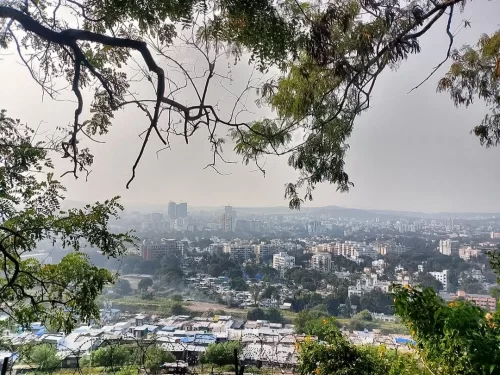
Parvati Hill Pune. Scenic hilltop viewpoint with panoramic city views and historic temples. Temple

Parvati Hill

Parvati Hill is a prominent hill in Pune, known for its ancient temples and panoramic views of the city.

Osho Garden Pune. Serene Zen garden near Osho International Meditation Resort with lush greenery and walking paths. Garden

Osho Garden

Osho Garden is a peaceful landscaped garden in Pune, known for its serene pathways and riverside setting.

Frequently Asked Questions About Shri Chatushrungi Devi Temple

Shri Chatushrungi Devi Temple is located in Pune in Maharashtra on Senapati Bapat Road near the hills. The temple is dedicated to Goddess Chatushrungi and is one of the prominent shrines in the city.
Shri Chatushrungi Devi Temple can be reached within 20 to 30 minutes by taxi auto or bus from Pune railway station depending on traffic conditions. It is well connected by major city roads.
The best time to visit Shri Chatushrungi Devi Temple is early morning or evening when the weather is pleasant and prayer rituals are conducted. The months between October and February offer comfortable conditions in Pune.
Shri Chatushrungi Devi Temple is famous for its spiritual significance and grand celebrations during Navratri. Devotees visit throughout the year to seek blessings of the goddess.
Shri Chatushrungi Devi Temple is suitable for family visits though reaching the main shrine involves climbing several steps. Visitors can take breaks along the staircase during the ascent.
There are several hotels near Shri Chatushrungi Devi Temple in areas like Shivajinagar Aundh and central Pune. These areas provide convenient accommodation options for travelers.
Shri Chatushrungi Devi Temple provides organized darshan queues resting points along the steps and basic facilities for devotees. Shops and eateries are available near the temple entrance.
Most visitors spend 45 minutes to one hour at Shri Chatushrungi Devi Temple depending on crowd levels and prayer timings. It is often included in a Pune temple visit plan.
Shri Chatushrungi Devi Temple becomes highly crowded during Navratri and other major Hindu festivals. Planning visits during early hours helps manage waiting time.
Travelers visiting Shri Chatushrungi Devi Temple should wear modest clothing and comfortable footwear for climbing steps. Carrying minimal belongings helps during security checks and busy periods.

Loved this place ? Let’s Plan Your Maharashtra Trip

Get customized Maharashtra tour planning designed around seasonal weather shifts, long-distance road travel flow, hill station comfort, coastal timing, and heritage exploration pacing. Whether you are visiting for historic caves, spiritual journeys, beach

⚡ Quick Response | 💰 Free consultation | 🕒 24×7 expert support

×

Plan Your Trip