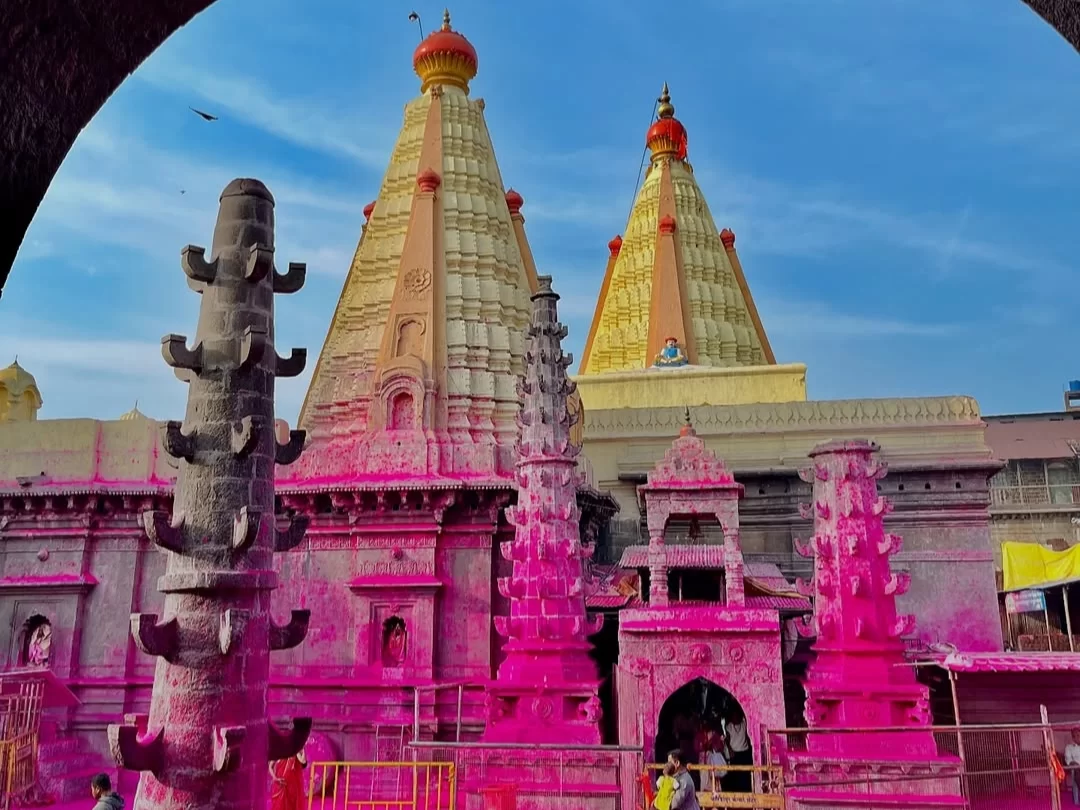
Shree Jotiba Devsthan Kolhapur, Maharashtra, India

Shree Jotiba Devsthan , Kolhapur
Tourists and devotees visit the temple for religious worship, panoramic views of the surrounding countryside, and its annual Chaitra Yatra festival, during which large gatherings take place. The complex features multiple shrines built in traditional stone architecture and is accessible by road up to the hilltop.

Quick Facts About Shree Jotiba Devsthan

Quick Facts – Shree Jotiba Devsthan Kolhapur

Entry Fee Free
Timings Open daily approximately 5:00 AM – 10:00 PM; extended hours during Chaitra Yatra and major festivals.
Altitude (m) Approximately 940 m above sea level.
Ideal Visit Duration 45–60 minutes (longer during festival days).
Best Time of Day Early morning for shorter queues and clearer hill views.
Crowd Level High during Chaitra Yatra and Sundays; moderate on regular weekdays.
Distance from City Centre (km) Approximately 17 km from Kolhapur city centre.
Walking Difficulty Easy to moderate; temple access involves steps from parking area.
Parking Available Yes (designated parking near temple complex).
Last Mile Access Accessible by road up to temple parking; short uphill walk with steps to main shrine.
Suitable for Kids Yes.
Suitable for Seniors Yes (assistance may be required due to steps and crowds).
Wheelchair Friendly No; stair access limits wheelchair entry.

Why Visit Shree Jotiba Devsthan, Kolhapur

Shree Jotiba Devsthan, located on Jotiba Hill near Kolhapur, attracts devotees who come to seek blessings of Lord Jotiba, regarded as a guardian deity of the region. The temple is especially visited during the annual Chaitra Yatra, when thousands of pilgrims gather for ritual offerings and processions.

The atmosphere on Jotiba Hill is devotional and energetic, particularly on Sundays and festival days. The temple complex is built in pink stone and sits at an elevated position, offering open views of the surrounding countryside. Outside peak occasions, the setting remains manageable, with steady footfall throughout the day.

What makes Shree Jotiba Devsthan distinct is its hilltop location combined with strong regional faith practices unique to western Maharashtra. Unlike city-based temples, the experience here blends pilgrimage with panoramic elevation, making it both a spiritual destination and a vantage point overlooking Kolhapur district.

History of Shree Jotiba Devsthan, Kolhapur

Shree Jotiba Devsthan is a historic temple complex located on Jotiba Hill near Wadi Ratnagiri in Kolhapur district, Maharashtra. The shrine is dedicated to Lord Jotiba, considered a form of Lord Shiva and locally revered as the guardian deity of the region. The temple’s origins trace back several centuries, with major construction phases attributed to local Maratha rulers and noble families.

The present stone temple structures were largely built in the 18th century under the patronage of the Scindia (Shinde) rulers and other Maratha chiefs. The complex features multiple shrines, deepmalas (lamp towers), and a spacious courtyard reflecting traditional Deccan temple architecture.

Shree Jotiba Devsthan remains an active pilgrimage center, especially during the annual Chaitra Yatra when thousands of devotees gather and the temple surroundings turn pink with gulal offerings. Its long-standing ritual traditions and continued patronage make it both a historic and culturally significant religious site in the Kolhapur region.

Best Time to Visit – Shree Jotiba Devsthan, Kolhapur

Shree Jotiba Devsthan, located on Jotiba Hill near Kolhapur, is best visited when the hilltop weather is clear and comfortable, as wind exposure and seasonal crowds can significantly affect the darshan experience.
  • Ideal months: October to February offers the most comfortable climate for temple visits and hilltop views.
  • Weather during the best season: Winter months bring pleasant daytime temperatures (approximately 15–28°C), clearer skies, and manageable wind conditions at the hill summit. Visibility across surrounding valleys is better, and waiting outdoors for darshan is more comfortable.
  • Periods to avoid (and why): March to May afternoons can be hot and exposed due to limited shade at the hilltop complex. June to September brings monsoon rain and slippery steps/approach roads. The annual Chaitra Yatra (usually March–April) sees extremely high pilgrim footfall with heavy ???al celebrations, leading to long queues and congestion despite otherwise moderate weather.

How to Reach Shree Jotiba Devsthan, Kolhapur

  • Nearest Airport: Kolhapur Airport (approximately 25–30 km from Jotiba Temple). The airport has limited domestic connectivity. For wider flight options, Belagavi Airport (around 120 km away) and Pune International Airport (approximately 240 km away) are commonly used. Taxis from Kolhapur city to the temple typically take 45–60 minutes depending on traffic and ghat road conditions.
  • Nearest Railway Station: Kolhapur (Chhatrapati Shahu Maharaj Terminus) is the nearest railway station (about 20 km from the temple) with regular train services from Mumbai, Pune, and other major cities. From the station, taxis and private vehicles are the most convenient way to reach the hilltop temple.
  • Road Access & Last-Mile Connectivity: Shree Jotiba Devsthan is located on Jotiba Hill in the Panhala range and is accessible by road up to the temple complex. Private vehicles, taxis, and Maharashtra State Transport buses operate from Kolhapur city. The ghat road includes steep sections and sharp bends, requiring cautious driving. Parking is available near the temple, followed by a short walk to the main entrance. During peak pilgrimage days, especially on Chaitra Yatra and Sundays, heavy crowds and traffic congestion can significantly slow access.

What to Expect When You Visit Shree Jotiba Devsthan Kolhapur

  • Environment and Surroundings: Shree Jotiba Devsthan is located on Jotiba Hill (Wadi Ratnagiri), approximately 17–20 km northwest of Kolhapur city in Maharashtra. The temple complex sits at an elevation of about 3,100 feet above sea level and overlooks surrounding valleys and rural landscapes. The hilltop setting is open and exposed, with strong sunlight during summer and heavy winds during monsoon. The complex includes multiple temple structures painted in light pink tones, and the ground is largely paved but can become slippery during rains.
  • Facilities and Amenities: The temple area has basic facilities including prasad stalls, flower shops, and small eateries near the entrance. Public toilets are available but are simple in infrastructure. Shoe deposit areas are provided, and mobile phones are generally allowed, though restrictions may apply inside the sanctum during special occasions. Seating is limited within the main temple premises. Parking facilities are available near the hilltop, though space becomes congested during major events.
  • Accessibility and Movement: The temple is accessible by motorable road directly up the hill from Kolhapur. The approach road includes ghat sections with turns but is manageable for most vehicles. From the parking area, visitors walk a short distance to reach the temple entrance. Inside the complex, movement involves navigating stone-paved courtyards and steps. During peak festivals, queue systems are implemented and movement can slow significantly.
  • Typical Visitor Behavior and Conditions: The temple sees steady footfall throughout the year, with very high crowds during the annual Jotiba Yatra (held around Chaitra Purnima) and on Sundays. During the yatra, devotees traditionally throw ????? (pink powder), which covers the temple premises and visitors’ clothing. Waiting times for darshan can extend beyond an hour on peak days. On regular weekdays, visitors typically spend 30–45 minutes at the temple.

Important Visitor Information – Shree Jotiba Devsthan Kolhapur

  • Crowd & Weather Notes: The temple experiences very high footfall during Chaitra Yatra (March–April), especially on the full moon day, when large gatherings and gulal (pink powder) celebrations take place. Weekends and Sundays also see steady crowds. The hilltop location can be windy year-round, and summer afternoons (March to May) can be warm.
  • Peak / Quiet Hours: Late mornings between 9:00 AM and 1:00 PM are typically the busiest for darshan, particularly on weekends. Early mornings on weekdays are comparatively less crowded outside festival periods.
  • Dress Code: Modest attire is expected within the temple premises. Footwear must be removed before entering the main shrine. During festival periods, visitors should expect colored powder application and dress accordingly.
  • Safety Notes: The temple complex is situated on a hilltop with steps and uneven stone flooring; caution is required, especially during large gatherings. During Chaitra Yatra, crowd density increases significantly and movement can slow. Parking is available near the hilltop, but approach roads may become congested on peak festival days.

Photography and Viewpoints – Shree Jotiba Devsthan, Kolhapur

  • Best viewpoints/angles: The temple’s pink stone shikhara and entrance gateway are best captured from the open courtyard, allowing a full frontal architectural frame; slightly elevated angles from the steps highlight the cluster of domes and deepmalas (lamp towers); the surrounding hilltop setting provides wider landscape backdrops, especially toward the valley side on clear days.
  • Lighting & time-of-day: Early morning offers softer light on the pink-toned stone structure and fewer shadows in the courtyard; late afternoon enhances texture on domes and carvings with side lighting; during peak summer, harsh midday light can flatten architectural detail, while monsoon brings diffused light and occasional mist over the hilltop.
  • Rules/restrictions: Photography inside the sanctum (garbhagriha) is generally not permitted; always follow temple signage and instructions from authorities, especially during ???? (worship) hours; avoid flash photography near devotees and respect religious practices.
  • Crowd & access factors: The temple sees heavy footfall during the annual Jotiba Yatra (especially on Chaitra Purnima) and weekends, limiting uninterrupted courtyard compositions; early weekday mornings provide relatively clearer frames; the hilltop location can experience strong winds, affecting equipment stability near open edges.

Near By Attraction

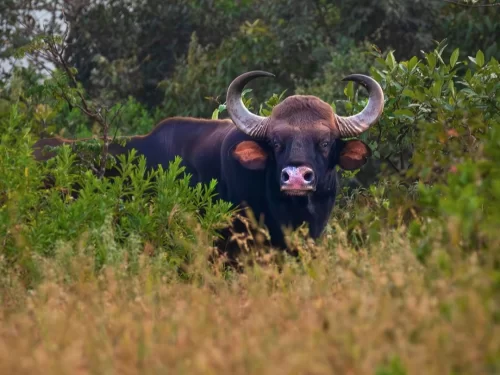
Radhanagari Wildlife Sanctuary in Maharashtra featuring an Indian gaur standing amidst dense forest greenery, a rich biodiversity hotspot included in Maharashtra tour packages Wildlife Sanctuary

Radhanagari Wildlife Sanctuary

Radhanagari Wildlife Sanctuary is a protected forest reserve located in Kolhapur district of Maharashtra, India.
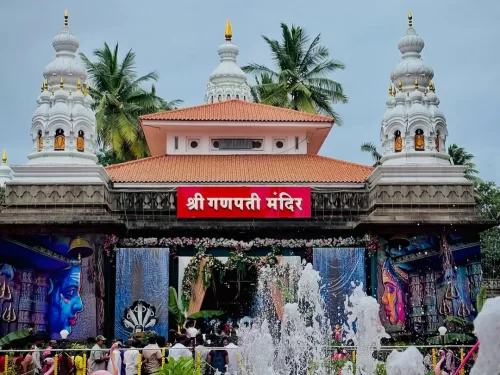
Sangli Shri Ganpati Temple in Maharashtra featuring the grand temple entrance with white domes, vibrant murals and devotees gathered for darshan, a prominent spiritual landmark included in Maharashtra tour packages Temple

Sangli Shri Ganapati Temple

Sangli Shri Ganapati Temple is a historic Hindu temple dedicated to Lord Ganesha, located in Sangli city, Maharashtra, India.
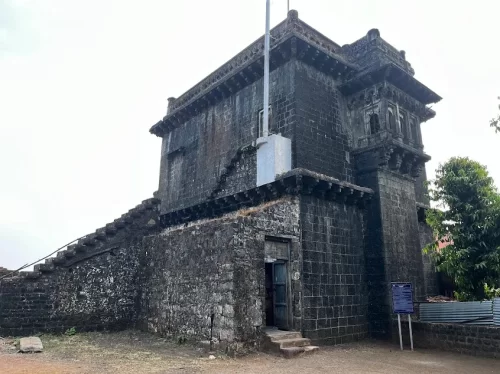
Sajja Kothi Kolhapur historic watchtower and Maratha era monument in Maharashtra tour packages Historical Site

Sajja Kothi

Sajja Kothi is a historic watchtower structure located near Rankala Lake in Kolhapur city, Maharashtra, India.

Frequently Asked Questions About Shree Jotiba Devsthan

The best time to visit Shree Jotiba Devsthan is between October and March when the weather in Maharashtra remains pleasant for hill temple visits. Early mornings are generally less crowded and more comfortable for darshan.
Shree Jotiba Devsthan is located on a hill near Wadi Ratnagiri in Kolhapur district of Maharashtra. The temple offers wide views of the surrounding countryside.
Shree Jotiba Devsthan can be reached within about 45 minutes to 1 hour from Kolhapur city by private vehicle or local transport. The hill road is motorable and well maintained.
Shree Jotiba Devsthan is generally open from early morning until late evening with specific aarti and ritual timings during the day. Visiting during non peak hours helps reduce waiting time.
There is no formal entry fee for regular darshan at Shree Jotiba Devsthan, as it is open to all devotees. Special puja services may have separate charges.
Most devotees spend around 45 minutes to one hour at Shree Jotiba Devsthan depending on crowd levels. Festival days and weekends may require additional waiting time.
Shree Jotiba Devsthan experiences heavy footfall during the annual Chaitra Yatra and other important religious events. Planning an early visit during these occasions helps manage crowd conditions.
Shree Jotiba Devsthan is suitable for senior citizens as vehicles can reach close to the temple complex. Some steps may need to be climbed, so assistance may be helpful.
Devotees should wear modest and traditional attire when visiting Shree Jotiba Devsthan. Footwear must be removed before entering the main temple area.
Shree Jotiba Devsthan can easily be included in a Kolhapur pilgrimage plan along with Mahalaxmi Temple and other nearby religious sites. Its hilltop location makes it suitable for a half day visit.

Loved this place ? Let’s Plan Your Maharashtra Trip

Get customized Maharashtra tour planning designed around seasonal weather shifts, long-distance road travel flow, hill station comfort, coastal timing, and heritage exploration pacing. Whether you are visiting for historic caves, spiritual journeys, beach

⚡ Quick Response | 💰 Free consultation | 🕒 24×7 expert support

×

Plan Your Trip