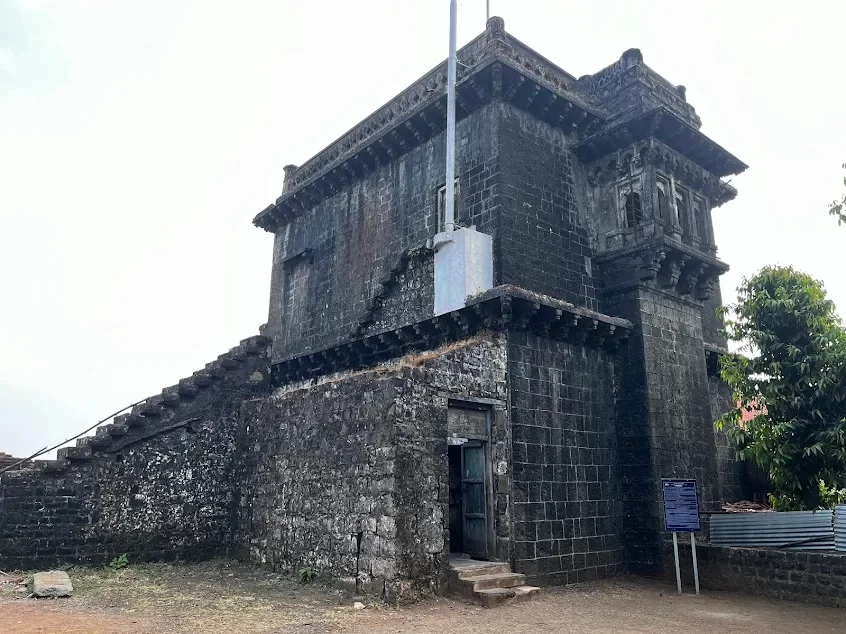
Sajja Kothi Kolhapur, Maharashtra, India

Sajja Kothi , Kolhapur
Tourists visit Sajja Kothi for its association with Maratha history, particularly events linked to Chhatrapati Shivaji Maharaj, and for elevated views of the surrounding lake and city area. The stone structure reflects regional military architecture and stands as a protected heritage site.

Quick Facts About Sajja Kothi

Quick Facts – Sajja Kothi Kolhapur

Entry Fee Free
Timings Open daily approximately 8:00 AM – 6:00 PM (daylight hours).
Altitude (m) Approximately 560 m above sea level.
Ideal Visit Duration 30–45 minutes.
Best Time of Day Morning or late afternoon.
Crowd Level Low to moderate; slightly higher on weekends.
Distance from City Centre (km) Approximately 2 km from Kolhapur city centre.
Walking Difficulty Easy; short walk within fort premises.
Parking Available Limited parking near Rankala Lake area.
Last Mile Access Accessible by car and auto-rickshaw up to nearby road; short walk required.
Suitable for Kids Yes.
Suitable for Seniors Yes (minimal walking required).
Wheelchair Friendly No; steps and uneven surfaces.

Why Visit Sajja Kothi, Kolhapur

Sajja Kothi in Kolhapur attracts visitors for its association with Maratha-era history and its location within the Panhala Fort complex. Travelers exploring Panhala often stop here to see the structure traditionally linked to the brief confinement of Chhatrapati Shivaji Maharaj’s son, Sambhaji Maharaj.

The atmosphere around Sajja Kothi is open and elevated, as it stands along the fort’s defensive stretch overlooking the surrounding valleys. The structure is relatively simple compared to ornate palaces, and visitors usually combine it with nearby fort points during a walking circuit inside Panhala.

What makes Sajja Kothi distinct is its strategic placement within the fort and its documented connection to a significant episode in Maratha history. Unlike purely scenic points, it offers historical context within a broader fort exploration, making it a meaningful stop for travelers interested in the region’s military heritage.

History of Sajja Kothi, Kolhapur

Sajja Kothi is a historic structure located near the Rankala Lake area in Kolhapur, Maharashtra. The building dates back to the period of the Bijapur Sultanate in the 16th century and later came under Maratha control after Chhatrapati Shivaji Maharaj’s campaigns in the region.

According to historical accounts, Sajja Kothi was used as a watchtower and a strategic observation post due to its elevated position. It is also associated with a significant episode in Maratha history, as it is believed to have been the site where Chhatrapati Shivaji Maharaj detained his son, Sambhaji Maharaj, for a brief period in 1678.

The structure reflects a blend of Deccan Sultanate military architecture and later Maratha-era usage. Though modest in scale compared to major forts, Sajja Kothi remains historically important for its political associations and its role in the regional power dynamics of the 17th century.

Best Time to Visit – Sajja Kothi Kolhapur

Sajja Kothi in Kolhapur is most comfortable to explore during cooler months, as the structure includes open terraces and elevated sections where direct sunlight and summer heat can affect the experience.

  • Ideal months: October to February offers the most pleasant weather for walking around the monument and spending time on the upper levels.
  • Weather during the best season: Winter in Kolhapur generally brings moderate daytime temperatures (around 15–30°C) with lower humidity, making it easier to explore the outdoor sections and enjoy clearer views of the surrounding cityscape.
  • Periods to avoid (and why): March to May afternoons can become hot, often crossing 35°C, making exposed terraces uncomfortable. June to September sees monsoon rainfall in the region, which may make stone surfaces slippery and limit outdoor exploration during heavy showers.

How to Reach Sajja Kothi Kolhapur

  • Nearest Airport: Kolhapur Airport (approximately 20–22 km from Sajja Kothi). The airport has limited domestic connectivity. For broader options, Belagavi Airport (around 130 km away) and Pune International Airport (approximately 240 km away) are commonly used. Travel time from Kolhapur Airport to Panhala Fort area is about 45–60 minutes by taxi, depending on ghat road traffic.
  • Nearest Railway Station: Kolhapur (Chhatrapati Shahu Maharaj Terminus) is the nearest major railway station (around 20 km away) with regular connectivity to Mumbai, Pune, and other cities. From the station, taxis and private vehicles are the most convenient way to reach Panhala.
  • Road Access & Last-Mile Connectivity: Sajja Kothi is located inside Panhala Fort, approximately 20 km from Kolhapur city, and is directly accessible by road via the Kolhapur–Panhala route. Private vehicles, taxis, and Maharashtra State Transport buses operate up to Panhala town. Parking is available near the fort complex, followed by a short walk on paved pathways to reach Sajja Kothi. The ghat section includes sharp bends, and during the monsoon season, fog and heavy rainfall can slow travel.

What to Expect When You Visit Sajja Kothi Kolhapur

  • Environment and Surroundings: Sajja Kothi is located within the New Palace complex area in Kolhapur, Maharashtra. The structure is a historic pavilion associated with the Maratha period and is set within landscaped palace grounds surrounded by trees and open lawns. The building features stone construction with arched openings and elevated viewpoints overlooking parts of the palace campus. The area is relatively calm compared to the city centre, though visitor flow increases during tourist season.
  • Facilities and Amenities: Facilities around Sajja Kothi are limited to basic visitor infrastructure within the larger palace complex. Ticket counters and restroom facilities are available in the broader New Palace premises but not directly inside the small pavilion structure. Informational signage may be minimal. There are no dedicated seating arrangements within the building, and food stalls are generally located outside the main heritage zone.
  • Accessibility and Movement: The site is directly accessible by road and is approximately 4–5 km from Kolhapur Railway Station. Parking is available within the New Palace complex. Visitors must walk a short distance through the palace grounds to reach Sajja Kothi. Movement involves navigating stone steps and uneven flooring inside the structure. During monsoon, surfaces can become slippery.
  • Typical Visitor Behavior and Conditions: Sajja Kothi is usually visited along with the New Palace and museum tour. Footfall is moderate, with higher numbers on weekends and holidays. Visitors typically spend 15–25 minutes exploring the structure and viewing the surroundings. The site remains relatively less crowded compared to major temples in Kolhapur, though guided tour groups may arrive during peak hours.

Important Visitor Information – Sajja Kothi Kolhapur

  • Crowd & Weather Notes: Sajja Kothi receives moderate visitor traffic, with higher footfall on weekends and during winter months (October to February) when outdoor exploration of the fort area is more comfortable. Summers (March to May) can be hot due to exposed stone structures, while monsoon (June to September) may make surrounding pathways damp and slippery.
  • Peak / Quiet Hours: Late mornings between 10:30 AM and 2:00 PM are typically busier, especially on weekends. Weekday mornings soon after opening hours are comparatively quieter.
  • Dress Code: No formal dress code applies. Comfortable walking footwear is recommended as the structure includes stone steps and uneven surfaces.
  • Safety Notes: The historic building has narrow staircases, stone flooring, and elevated viewing sections; visitors should move carefully, particularly during monsoon when surfaces may be slippery. Photography rules may apply inside certain sections. Parking is available nearby within the fort area.

Photography and Viewpoints – Sajja Kothi Kolhapur

  • Best viewpoints/angles: The river-facing side overlooking the Panchganga River provides the strongest architectural composition, especially from the open ground where the arched windows and projecting balconies are visible; diagonal angles from the front courtyard highlight the Indo-Islamic arches and stone detailing; upper-level windows frame partial river and town views on clear days.
  • Lighting & time-of-day: Early morning offers softer light on the stone façade with minimal glare from the river side; late afternoon enhances texture on the arches and projecting balconies; interiors rely on natural window light, creating contrast-heavy frames depending on sun position.
  • Rules/restrictions: Photography is generally permitted in exterior areas; interior access may be limited depending on management regulations—confirm on-site; avoid flash in enclosed heritage spaces and follow any posted ASI or local authority guidelines.
  • Crowd & access factors: The monument is relatively quieter compared to major Kolhapur attractions, allowing uninterrupted exterior shots on weekdays; weekends may see moderate visitor flow; surrounding grounds are open, but certain sections may be cordoned off depending on maintenance activity.

Near By Attraction

Radhanagari Wildlife Sanctuary in Maharashtra featuring an Indian gaur standing amidst dense forest greenery, a rich biodiversity hotspot included in Maharashtra tour packages Wildlife Sanctuary

Radhanagari Wildlife Sanctuary

Radhanagari Wildlife Sanctuary is a protected forest reserve located in Kolhapur district of Maharashtra, India.
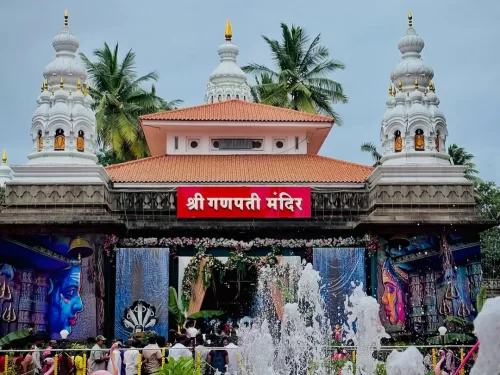
Sangli Shri Ganpati Temple in Maharashtra featuring the grand temple entrance with white domes, vibrant murals and devotees gathered for darshan, a prominent spiritual landmark included in Maharashtra tour packages Temple

Sangli Shri Ganapati Temple

Sangli Shri Ganapati Temple is a historic Hindu temple dedicated to Lord Ganesha, located in Sangli city, Maharashtra, India.
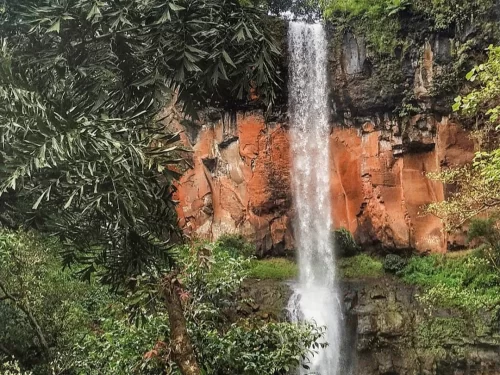
Rautwadi Waterfall in Maharashtra featuring a tall cascading stream flowing down red rocky cliffs surrounded by dense greenery, a scenic monsoon attraction included in Maharashtra tour packages Waterfall

Rautwadi Waterfall

Rautwadi Waterfall is a seasonal cascade located near Radhanagri in Kolhapur district, Maharashtra, India.

Frequently Asked Questions About Sajja Kothi

The best time to visit Sajja Kothi is between October and March when the weather in Kolhapur remains pleasant for walking and sightseeing. Summers in Maharashtra can be warm, making afternoon visits less comfortable.
Sajja Kothi is located in Kolhapur, Maharashtra, near the famous Mahalaxmi Temple area. It stands as an important historical structure within the city.
Sajja Kothi can be reached within 10 to 15 minutes from Kolhapur city center by auto rickshaw, taxi, or private vehicle. The roads leading to the monument are well connected and easy to navigate.
Sajja Kothi is generally open during standard daytime hours from morning until early evening. It is advisable to visit during daylight to explore the structure comfortably.
There is usually a nominal entry fee to visit Sajja Kothi, with possible separate charges for cameras. Ticket counters are available at the entrance area.
Most visitors spend around 30 to 60 minutes exploring Sajja Kothi. The duration depends on interest in architecture and historical displays.
Visitors at Sajja Kothi can see traditional Maratha style architecture, wooden balconies, and historic interiors. The building offers insight into regional royal history and design.
Sajja Kothi is suitable for children and senior citizens as the structure is easily accessible with minimal climbing. Visitors can move around at a relaxed pace within the premises.
Photography at Sajja Kothi is generally allowed in open sections, though restrictions may apply in certain interior areas. It is advisable to confirm guidelines at the entrance.
Sajja Kothi can easily be included in a Kolhapur sightseeing plan along with nearby temples and museums. Its central location makes it convenient for a short heritage visit.

Loved this place ? Let’s Plan Your Maharashtra Trip

Get customized Maharashtra tour planning designed around seasonal weather shifts, long-distance road travel flow, hill station comfort, coastal timing, and heritage exploration pacing. Whether you are visiting for historic caves, spiritual journeys, beach

⚡ Quick Response | 💰 Free consultation | 🕒 24×7 expert support

×

Plan Your Trip