+91 9910402252
admin@chalbanjare.com


| Entry Fee | Indian adults 25 | Foreign nationals 300 | Children below 15 years Free |
|---|---|
| Timings | 8:00 AM – 6:30 PM (daily) |
| Altitude (m) | 560 m |
| Ideal Visit Duration | 1–2 hours |
| Best Time of Day | Morning or late afternoon for comfortable exploration |
| Crowd Level | Moderate–High (busy on weekends and holidays) |
| Distance from City Centre (km) | 1 km (from Pune city centre) |
| Walking Difficulty | Easy (open courtyards and flat pathways) |
| Parking Available | Limited (paid parking nearby) |
| Last Mile Access | Taxi/auto/bus to Shaniwar Peth; short walk to fort entrance |
| Suitable for Kids | Yes (open grounds and historical structures) |
| Suitable for Seniors | Yes (minimal climbing involved) |
| Wheelchair Friendly | Limited (some uneven stone surfaces inside) |
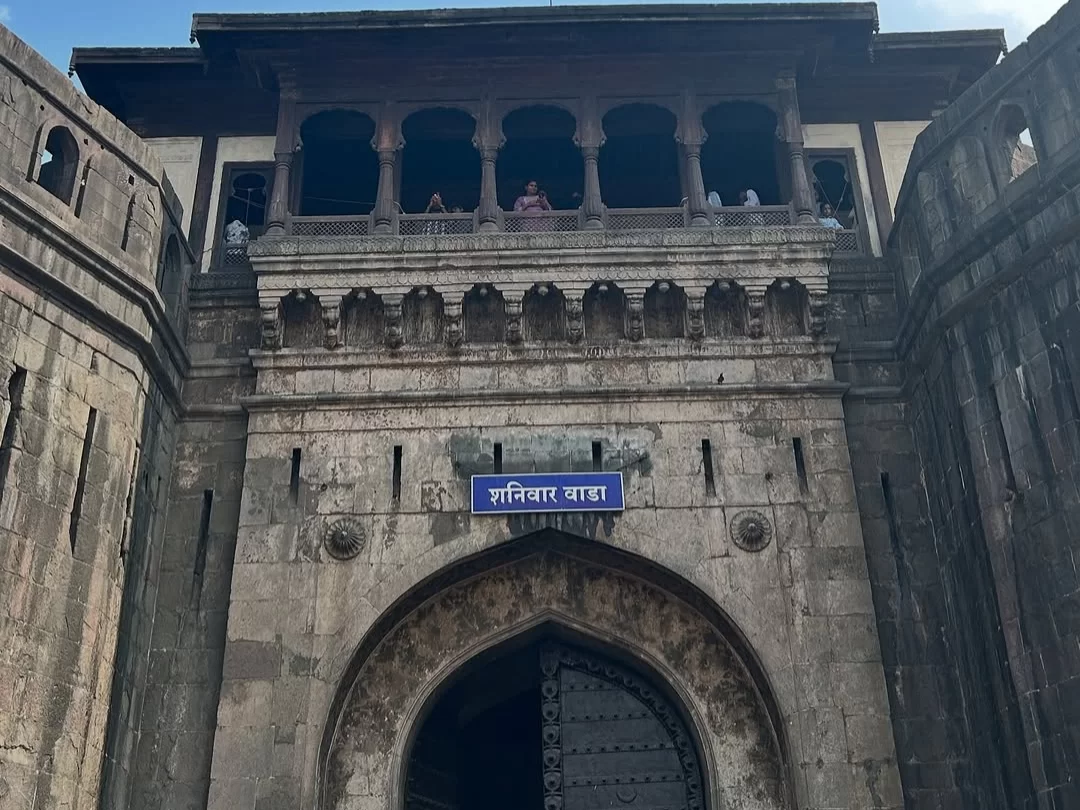
Shaniwar Wada is a historic fortification palace in Pune, Maharashtra, built in 1732 as the seat of the Peshwas of the Maratha Empire under Peshwa Bajirao I. Once the political centre of Maratha administration, the complex reflects the power and architectural vision of 18th-century Maratha rule. Visitors come to explore its massive gateways, fortified walls, and the remains of a once-grand palace that played a key role in Indian history.
The atmosphere is historic and expansive, with wide courtyards and stone ramparts evoking the legacy of the Maratha era. Although much of the original palace was destroyed in a fire in 1828, the surviving fortifications and layout still convey its former grandeur. Evening light-and-sound shows narrate the story of the Peshwas, enhancing the immersive experience.
What makes Shaniwar Wada special is its grand Delhi Darwaza entrance and the surviving defensive architecture that symbolises Maratha strength. The fort is also associated with significant historical events and legends, including the story of Narayanrao Peshwa (historical accounts and local lore). Its central location in Pune and deep connection to Maratha heritage make it one of Maharashtra’s most important historical landmarks.
Shaniwar Wada is located in Pune, Maharashtra, and was constructed in 1732 as the seat of the Peshwas of the Maratha Empire. The foundation was laid by Peshwa Bajirao I, who established Pune as the administrative capital of Maratha power during the 18th century.
The palace complex was built primarily using stone for the lower fortifications and teak wood for the upper residential structures. The massive Delhi Darwaza, bastions, fortified walls, and intricately carved wooden halls reflected a blend of Maratha military architecture and courtly design. Shaniwar Wada functioned as the political nerve center of the Maratha Confederacy during its period of expansion.
In 1828, a major fire destroyed much of the wooden palace interiors, leaving behind the stone fortifications and foundations that survive today. Despite its partial ruin, Shaniwar Wada remains one of Pune’s most important historical monuments, symbolizing the administrative strength and cultural legacy of the Maratha Empire.
The best time to visit Shaniwar Wada in Pune, Maharashtra, is from October to February, when the weather is pleasant and suitable for exploring the historic fort complex. During these months, temperatures are moderate, making it comfortable to walk through the expansive grounds and observe the remnants of Maratha-era architecture.
Best time of day: 8:00 AM to 10:30 AM for cooler temperatures and fewer crowds, or 5:00 PM to 7:30 PM to enjoy pleasant evening light and the sound-and-light show (subject to schedule).
Shaniwar Wada is located in the heart of Pune city, Maharashtra, near the historic Kasba Peth area. Built in 1732 as the seat of the Peshwas of the Maratha Empire, the fort complex is centrally situated and easily accessible by road, rail, and air.
Shaniwar Wada, located in Pune, Maharashtra, is an 18th-century fortification built in 1732 as the seat of the Peshwas of the Maratha Empire. Though much of the original palace structure was destroyed by fire in 1828, the massive gateways, fortified walls, and surviving foundations offer a powerful glimpse into Maratha-era political history and architecture.
Tip for a smoother visit: visit during early morning or late afternoon to avoid heat, attend the evening light and sound show for historical context, and allocate at least one to two hours for exploring the fort complex.
Juhu Beach, located along the Arabian Sea in the western suburbs of Mumbai, Maharashtra, is one of the city’s most popular coastal stretches. Known for its wide sandy shoreline, vibrant street food stalls, and sunset views, the beach offers strong opportunities for sunset silhouettes, long-exposure seascapes, and lively urban-coastal storytelling photography.
 Cave
Cave
Bedse Caves are ancient Buddhist rock-cut caves located in Maval taluka of Pune district, Maharashtra, India.
 Museum
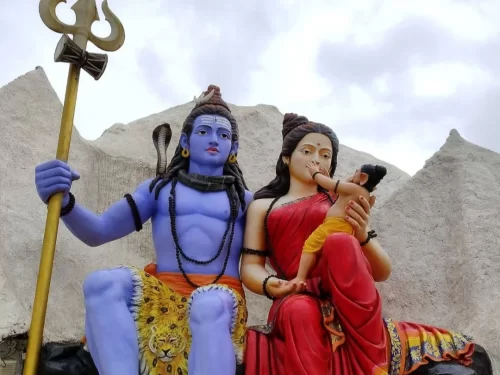
Darshan Museum is an innovative museum in Pune, offering a multimedia spiritual experience based on the life of Sadhu Vaswani.
 Temple
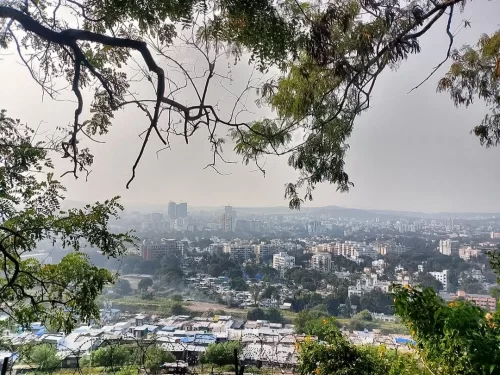
Parvati Hill is a prominent hill in Pune, known for its ancient temples and panoramic views of the city.
Get customized Maharashtra tour planning designed around seasonal weather shifts, long-distance road travel flow, hill station comfort, coastal timing, and heritage exploration pacing. Whether you are visiting for historic caves, spiritual journeys, beach
⚡ Quick Response | 💰 Free consultation | 🕒 24×7 expert support

