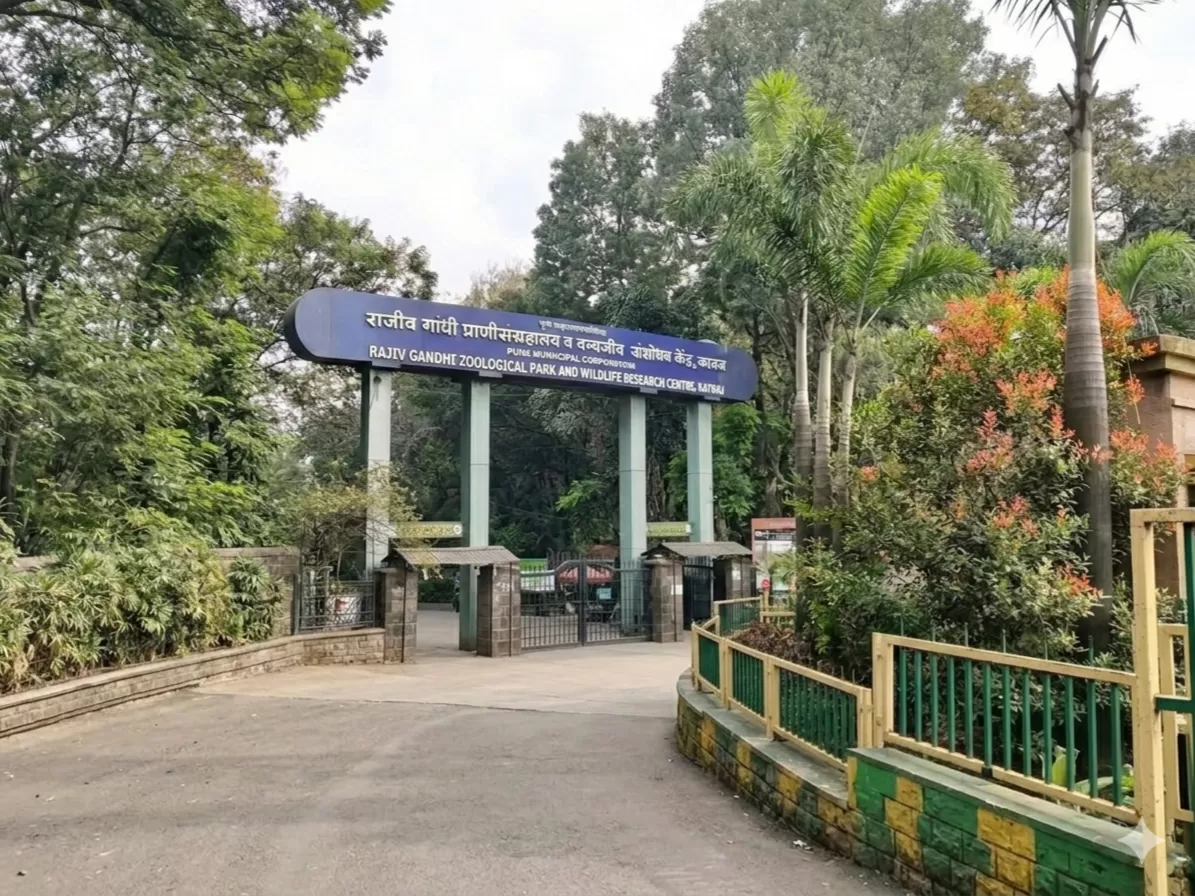
Rajiv Gandhi Zoological Park & Wildlife Research Center, Pune – The Major Zoo and Conservation Park of Maharashtra

Rajiv Gandhi Zoological Park & Wildlife Research Center , Pune
Rajiv Gandhi Zoological Park & Wildlife Research Center, located in Katraj, Pune, spans a vast area and includes a zoo, snake park, and animal rescue center. The park houses various species such as tigers, leopards, elephants, reptiles, and birds, along with a scenic lake within the premises. Focused on wildlife conservation, research, and public awareness, it is one of the most popular family attractions and educational destinations in Pune.

Quick Facts About Rajiv Gandhi Zoological Park & Wildlife Research Center

Quick Facts About Rajiv Gandhi Zoological Park & Wildlife Research Center Pune

Entry Fee Adults 40 | Children 10
Timings 9:30 AM – 5:00 PM (Closed on Wednesdays)
Altitude (m) 600 m
Ideal Visit Duration 2–3 hours
Best Time of Day Morning for active animal viewing and cooler weather
Crowd Level Moderate–High (busy on weekends and holidays)
Distance from City Centre (km) 8 km (from Pune city centre)
Walking Difficulty Easy–Moderate (large area with walking paths)
Parking Available Yes (designated parking near entrance)
Last Mile Access Taxi/auto/bus to Katraj; short walk to zoo entrance
Suitable for Kids Yes (educational and wildlife viewing experience)
Suitable for Seniors Yes (rest areas available inside)
Wheelchair Friendly Limited (paved paths available; some uneven terrain)

Why Visit Rajiv Gandhi Zoological Park & Wildlife Research Center Pune

Why Visit

Rajiv Gandhi Zoological Park & Wildlife Research Center, located in Katraj, Pune, Maharashtra, is one of the city’s major wildlife attractions. Established in 1999 and spread across a large area around Katraj Lake, the park is managed by the Pune Municipal Corporation. Visitors come to observe diverse animal species, learn about conservation efforts, and enjoy a structured outdoor experience close to nature.

Atmosphere

The atmosphere is green, spacious, and family-friendly, with clearly marked pathways and enclosures designed to simulate natural habitats. The presence of Katraj Lake adds scenic value and a refreshing backdrop to the park’s layout. Mornings are generally ideal for wildlife viewing due to cooler temperatures and higher animal activity.

What Makes it Special

What makes Rajiv Gandhi Zoological Park special is its combination of zoo exhibits, a dedicated snake park, and a wildlife rescue and rehabilitation focus. The park houses species such as Bengal tigers, leopards, sloth bears, and various reptiles under regulated care. Its emphasis on conservation awareness and educational outreach distinguishes it as an important ecological and recreational destination in Pune.

History of Rajiv Gandhi Zoological Park & Wildlife Research Center Pune

Rajiv Gandhi Zoological Park & Wildlife Research Center is located in Katraj, Pune, Maharashtra, and was established in 1999 as part of a modernization initiative to relocate and expand the older Peshwe Park Zoo. The facility was developed to provide improved living conditions for animals and to incorporate scientific wildlife management practices.

Spread across a large natural landscape that includes Katraj Lake, the park was designed to simulate semi-natural habitats rather than traditional confined enclosures. It integrates a zoo, snake park, and wildlife research center, reflecting evolving conservation approaches in late 20th-century India focused on education, breeding programs, and ecological awareness.

Over time, the zoological park became a major educational and recreational destination in Pune, promoting biodiversity conservation and environmental stewardship. Today, it stands as a structured urban wildlife institution, representing the city’s commitment to conservation-oriented public infrastructure.

Best Time to Visit – Rajiv Gandhi Zoological Park & Wildlife Research Center Pune

The best time to visit Rajiv Gandhi Zoological Park & Wildlife Research Center in Pune, Maharashtra, is from October to February, when the weather is pleasant and suitable for exploring the open enclosures and landscaped pathways. During these months, temperatures are moderate, making it comfortable for families and visitors to observe wildlife and spend extended time outdoors.

  • October–November: Post-monsoon freshness with greener surroundings—ideal for relaxed zoo visits.
  • December–January: Coolest and most comfortable season—best for spotting animals during active morning hours.
  • February: Pleasant conditions continue—morning visits are recommended.
  • March–May (Summer): Warm weather; early morning visits are advisable as animals rest during peak heat.
  • June–September (Monsoon): Frequent rainfall enhances greenery, but outdoor movement may pause during heavy showers.

Best time of day: 8:00 AM to 11:00 AM is ideal for visiting the zoo, as animals are more active and temperatures are cooler.

  • Wildlife tip: Start early to increase chances of spotting big cats, reptiles, and bird species.
  • Comfort tip: Wear comfortable footwear and carry water, as the park covers a large area.
  • Visitor note: The zoo is typically closed on Wednesdays—verify official timings before planning your visit.

How to Reach Rajiv Gandhi Zoological Park & Wildlife Research Center Pune

Rajiv Gandhi Zoological Park & Wildlife Research Center is located in Katraj, Pune, Maharashtra, along the Pune–Satara Road (NH 48). Spread over a large area near Katraj Lake, the zoo is easily accessible by road from different parts of Pune city.

  • By Air (Nearest airport): The nearest airport is Pune International Airport (Lohegaon), approximately 20–22 km away. From the airport, hire a taxi or app-based cab to Katraj via NH 48. Travel time is about 50–75 minutes depending on traffic.
  • By Train (Nearest railway station): Pune Junction Railway Station is about 10–12 km from the zoo. From the station, take a taxi, auto-rickshaw, or PMPML bus toward Katraj.
  • By Metro: Pune Metro connectivity is expanding; visitors can use the nearest operational metro station and continue by road toward Katraj.
  • By Road: The zoo is directly accessible via Pune–Satara Road (NH 48). PMPML buses frequently operate toward Katraj and nearby stops.
  • Taxi / Auto-rickshaw: Taxis and auto-rickshaws are widely available across Pune and can drop you directly at Rajiv Gandhi Zoological Park, Katraj.
  • Self-drive: Self-driving is convenient via NH 48. Parking facilities are available near the zoo entrance, though they may be crowded during weekends and holidays.
  • Walking access: Visitors staying near Katraj area can reach the zoo on foot depending on distance.
  • Travel tips (EEAT): The zoo is generally closed on Wednesdays. Visit during morning hours for better wildlife viewing and comfortable weather. Wear comfortable footwear and follow all zoo and wildlife safety guidelines.

What to Expect When You Visit Rajiv Gandhi Zoological Park & Wildlife Research Center Pune

Rajiv Gandhi Zoological Park & Wildlife Research Center, located in Katraj, Pune, Maharashtra, is a large zoological park known for its spacious enclosures and conservation-focused approach. Spread across a hilly landscape with a lake backdrop, the park offers a structured wildlife viewing experience rather than a forest safari environment.

  • Expansive zoo layout: expect wide internal pathways, landscaped greenery, and well-spaced animal enclosures.
  • Diverse wildlife collection: the park houses mammals, reptiles, and birds, including big cats and native species.
  • Dedicated reptile park: a separate section showcases snakes and other reptiles with educational displays.
  • Katraj Lake backdrop: scenic views of the nearby lake enhance the natural ambiance.
  • Educational focus: informative boards and conservation initiatives highlight wildlife awareness.
  • Moderate to extensive walking required: the large campus requires comfortable footwear and time for exploration.
  • Family-friendly environment: suitable for school trips and family outings.
  • Outdoor exposure: much of the park is open-air, so sun protection and hydration are important.
  • Higher footfall on weekends: holidays and school vacations attract more visitors.
  • Half-day visit recommended: exploring all sections comfortably may take several hours.

Tip for a smoother visit: arrive early in the morning when animals are more active, carry water and wear comfortable footwear, and allocate sufficient time to explore both the main zoo and reptile park sections.

Important Visitor Information – Rajiv Gandhi Zoological Park & Wildlife Research Center, Pune

  • Crowd & Weather Notes: The zoo experiences moderate to heavy crowds during weekends, school holidays, and peak tourist season (October to February). Pune has a tropical wet and dry climate; summers (March to May) can be warm, monsoon months (June to September) bring moderate to heavy rainfall, and winters are pleasant for outdoor visits.
  • Peak / Quiet Hours: Peak hours are late morning to early afternoon when families and school groups arrive. Early morning soon after opening on weekdays is quieter and better for observing active animals.
  • Dress Code: No formal dress code applies. Wear light, comfortable clothing and sturdy footwear, as the zoo covers a large area. Carry hats and sun protection during warmer months.
  • Safety Notes: Follow zoo and forest authority guidelines strictly—do not feed or tease animals. Stay behind safety barriers and adhere to instructions from staff. Carry drinking water, supervise children closely, and be cautious on uneven pathways, especially during monsoon.

Photography and Viewpoint – Rajiv Gandhi Zoological Park & Wildlife Research Center Pune

Rajiv Gandhi Zoological Park & Wildlife Research Center, located in Katraj, Pune, Maharashtra, is a major zoological park spread across natural terrain around Katraj Lake. The park houses mammals, reptiles, and birds, along with a dedicated snake park and rescue center. Surrounded by semi-natural forested landscape, it offers opportunities for wildlife-style photography within regulated visitor pathways.

  • Best light for photography: Early morning provides softer lighting and increased animal activity, ideal for wildlife captures.
  • Habitat-context framing: Include naturalistic enclosures, vegetation, and lake backgrounds to create more authentic wildlife-style compositions.
  • Wide vs. telephoto strategy: Telephoto lenses are essential for animal portraits from safe distances, while wide lenses capture enclosure layouts and landscape context.
  • Snake park detail photography: Focus carefully on reptile textures and patterns using steady framing and controlled exposure.
  • Action & behavior shots: Use faster shutter speeds to capture movement such as walking, feeding, or wing motion.
  • Lake & landscape frames: Photograph Katraj Lake areas for reflective compositions and environmental context.
  • Mobile photography tips: Use burst mode for sudden animal movement, avoid digital zoom, and stabilize against railings where permitted.
  • Seasonal visual character: Post-monsoon greenery enhances background depth, while cooler months provide clearer wildlife visibility.
  • Crowd & timing awareness: Weekday mornings offer quieter pathways and clearer viewing angles near popular enclosures.
  • Responsible wildlife photography: Avoid flash, do not disturb animals, stay behind barriers, and follow zoo authority guidelines strictly.

Near By Attraction

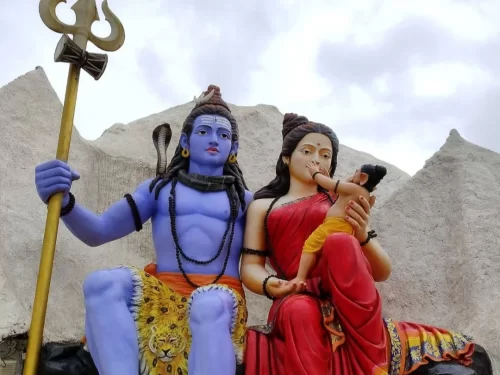
Darshan Museum. Spiritual museum in Pune featuring detailed Hindu deity sculptures and cultural exhibits. Museum

Darshan Museum

Darshan Museum is an innovative museum in Pune, offering a multimedia spiritual experience based on the life of Sadhu Vaswani.
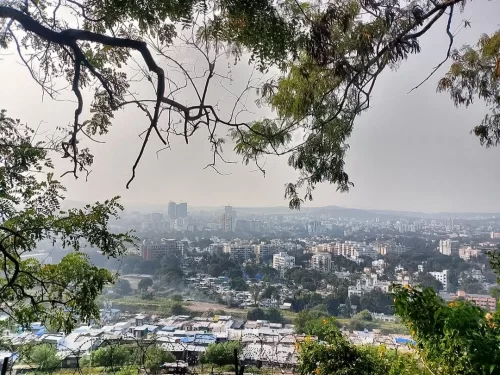
Parvati Hill Pune. Scenic hilltop viewpoint with panoramic city views and historic temples. Temple

Parvati Hill

Parvati Hill is a prominent hill in Pune, known for its ancient temples and panoramic views of the city.

Osho Garden Pune. Serene Zen garden near Osho International Meditation Resort with lush greenery and walking paths. Garden

Osho Garden

Osho Garden is a peaceful landscaped garden in Pune, known for its serene pathways and riverside setting.

Frequently Asked Questions About Rajiv Gandhi Zoological Park & Wildlife Research Center

Rajiv Gandhi Zoological Park & Wildlife Research Center is located in Pune in Maharashtra near Katraj. It is situated along the Pune Satara highway and includes a zoo and wildlife research facility.
Rajiv Gandhi Zoological Park & Wildlife Research Center can be reached within 30 to 40 minutes by taxi auto or bus from Pune railway station depending on traffic. It is well connected by major city roads.
The best time to visit Rajiv Gandhi Zoological Park & Wildlife Research Center is between October and February when the weather in Pune remains pleasant for outdoor exploration. Morning hours are ideal for viewing animals.
Rajiv Gandhi Zoological Park & Wildlife Research Center is popular for its diverse range of animals reptile park and spacious enclosures. It attracts families school groups and wildlife enthusiasts.
Rajiv Gandhi Zoological Park & Wildlife Research Center is suitable for family visits as it offers wide walking paths designated viewing areas and educational exhibits. Children can explore comfortably with supervision.
There are several hotels near Rajiv Gandhi Zoological Park & Wildlife Research Center in areas like Katraj and central Pune. Many travelers stay in central Pune and visit the park as a day trip.
Rajiv Gandhi Zoological Park & Wildlife Research Center provides facilities including ticket counters restrooms drinking water points and shaded seating areas. Food stalls are usually available near the entrance area.
Most travelers spend two to three hours at Rajiv Gandhi Zoological Park & Wildlife Research Center exploring animal enclosures and the reptile section. It is commonly included in a half day Pune itinerary.
Rajiv Gandhi Zoological Park & Wildlife Research Center may have a weekly closure day and specific visiting hours. Checking official timings before planning the visit is advisable.
Travelers visiting Rajiv Gandhi Zoological Park & Wildlife Research Center should wear comfortable walking shoes carry drinking water and follow park guidelines. Avoiding feeding animals and maintaining cleanliness is important.

Loved this place ? Let’s Plan Your Maharashtra Trip

Get customized Maharashtra tour planning designed around seasonal weather shifts, long-distance road travel flow, hill station comfort, coastal timing, and heritage exploration pacing. Whether you are visiting for historic caves, spiritual journeys, beach

⚡ Quick Response | 💰 Free consultation | 🕒 24×7 expert support

×

Plan Your Trip