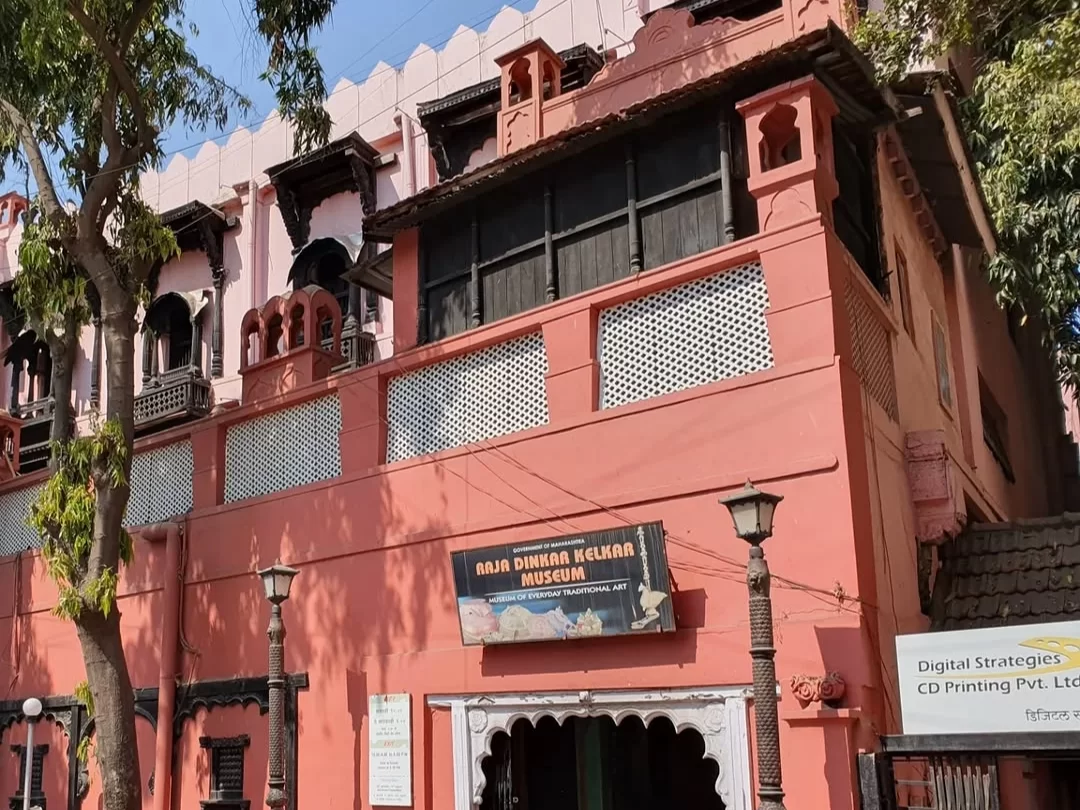
Raja Dinkar Kelkar Museum, Pune – A Treasure Trove of Indian Art and Artifacts

Raja Dinkar Kelkar Museum , Pune
Raja Dinkar Kelkar Museum was established in 1962 by Dr. Dinkar G. Kelkar in memory of his son Raja. The museum houses over 20,000 artifacts collected from across India, including sculptures, musical instruments, textiles, paintings, and decorative objects. One of its highlights is the reconstructed Mastani Mahal, associated with the Peshwa era. The museum offers deep insight into India’s cultural heritage and craftsmanship, making it a major attraction in Pune.

Quick Facts About Raja Dinkar Kelkar Museum

Quick Facts About Raja Dinkar Kelkar Museum Pune

Entry Fee Indian adults 20 | Foreign nationals 200 | Children 10
Timings 10:00 AM – 5:30 PM (daily)
Altitude (m) 560 m
Ideal Visit Duration 1–2 hours
Best Time of Day Morning for quieter gallery exploration
Crowd Level Moderate (busy during weekends and tourist season)
Distance from City Centre (km) 2 km (from Pune city centre)
Walking Difficulty Easy (indoor galleries with stairs between levels)
Parking Available Limited (paid parking nearby)
Last Mile Access Taxi/auto/bus to Bajirao Road; short walk to museum
Suitable for Kids Yes (educational exhibits; supervision recommended)
Suitable for Seniors Limited (stairs between floors; no full lift access)
Wheelchair Friendly No

Why Visit Raja Dinkar Kelkar Museum Pune

Why Visit

Raja Dinkar Kelkar Museum in Pune, Maharashtra, is a unique cultural institution showcasing an extensive private collection of Indian artefacts assembled by Dr. Dinkar G. Kelkar. Established in 1962 and later donated to the Government of India, the museum houses over 20,000 objects representing everyday life, decorative arts, and craftsmanship from various regions of India. Visitors come to explore traditional Indian heritage preserved through rare and meticulously collected items.

Atmosphere

The atmosphere is intimate, heritage-rich, and immersive, with galleries arranged to reflect domestic interiors and thematic collections. Wooden doors, musical instruments, lamps, sculptures, and textiles are displayed in a way that evokes India’s artistic diversity. The museum setting feels detailed and thoughtfully curated, encouraging slow exploration.

What Makes it Special

What makes Raja Dinkar Kelkar Museum special is its remarkable variety of artefacts, including intricately carved wooden doors, traditional kitchen utensils, weapons, paintings, and the famous Mastani Mahal recreation inspired by Peshwa-era design. The collection reflects both royal and everyday cultural traditions across centuries. Its origin as a single individual’s passionate effort to preserve Indian art makes it one of Pune’s most distinctive museums.

History of Raja Dinkar Kelkar Museum Pune

Raja Dinkar Kelkar Museum is located in Pune, Maharashtra, and was established in 1962 based on the extensive private collection of Dr. Dinkar G. Kelkar. The museum was named in memory of his son, Raja, and was later handed over to the Government of India to ensure its preservation as a national cultural institution.

The collection was assembled over several decades and includes thousands of artifacts representing everyday life, decorative arts, musical instruments, weapons, textiles, and traditional craftsmanship from across India. The museum is particularly known for preserving items that reflect domestic and folk traditions rather than royal collections, offering insight into India’s social and artistic heritage.

Housed in a traditional-style building with carved wooden elements and reconstructed architectural fragments, the museum provides a curated narrative of India’s cultural diversity. Today, Raja Dinkar Kelkar Museum stands as one of Pune’s most important heritage institutions, preserving material culture that spans multiple regions and centuries.

Best Time to Visit – Raja Dinkar Kelkar Museum Pune

The best time to visit Raja Dinkar Kelkar Museum in Pune, Maharashtra, is from October to February, when the weather is pleasant and suitable for exploring the heritage-rich old city area. During these months, temperatures are moderate, making it comfortable to combine the museum visit with nearby cultural landmarks.

  • October–November: Post-monsoon freshness with comfortable weather—ideal for cultural outings.
  • December–January: Coolest and most comfortable season—best for spending extended time inside galleries.
  • February: Pleasant conditions continue—morning visits are recommended.
  • March–May (Summer): Warm weather outside; indoor exhibits remain comfortable.
  • June–September (Monsoon): Frequent rainfall; exhibitions continue uninterrupted, though travel may be slower during showers.

Best time of day: 10:00 AM to 1:00 PM is ideal for visiting the museum, allowing ample time to explore its extensive collection of artifacts in a relaxed manner.

  • Heritage tip: Allocate time to view the Mastani Mahal reconstruction and traditional Indian artifacts collection.
  • Photography tip: Confirm photography policies at the entrance, as restrictions may apply inside galleries.
  • Visitor note: The museum is generally closed on Mondays—verify official timings before planning your visit.

How to Reach Raja Dinkar Kelkar Museum Pune

Raja Dinkar Kelkar Museum is located in Bajirao Road area, Shukrawar Peth, Pune, Maharashtra. The museum houses an extensive collection of Indian artifacts and is centrally situated in the old city, making it easily accessible by road and rail.

  • By Air (Nearest airport): The nearest airport is Pune International Airport (Lohegaon), approximately 11–13 km away. From the airport, hire a taxi or app-based cab to Shukrawar Peth. Travel time is about 30–45 minutes depending on traffic.
  • By Train (Nearest railway station): Pune Junction Railway Station is about 4–5 km from the museum. From the station, take a taxi, auto-rickshaw, or PMPML bus toward Bajirao Road.
  • By Metro: Pune Metro connectivity is expanding in central areas. Visitors can use the nearest operational metro station and continue by road to reach the museum.
  • By Road: The museum is well connected via Bajirao Road and Shivaji Road. PMPML buses frequently operate to nearby stops in Shukrawar Peth and Mandai area.
  • Taxi / Auto-rickshaw: Taxis and auto-rickshaws are widely available across Pune and can drop you directly at Raja Dinkar Kelkar Museum.
  • Self-drive: Self-driving is possible, but parking in the old city area is limited. Use designated public parking facilities nearby.
  • Walking access: Visitors exploring central Pune heritage sites such as Shaniwar Wada and Lal Mahal can reach the museum by a short auto ride or on foot depending on distance.
  • Travel tips (EEAT): Allocate at least 1–2 hours to explore the diverse galleries. Confirm entry timings before visiting and follow museum photography guidelines.

What to Expect When You Visit Raja Dinkar Kelkar Museum Pune

Raja Dinkar Kelkar Museum, located in the Shukrawar Peth area of Pune, Maharashtra, is a unique cultural museum founded by Dr. Dinkar G. Kelkar in memory of his son Raja. The museum houses an extensive private collection of Indian artifacts, offering a deep insight into traditional arts, crafts, and everyday life across different regions of India.

  • Extensive folk art collection: expect thousands of artifacts including household objects, musical instruments, sculptures, and decorative arts.
  • Historic Mastani Mahal recreation: a reconstructed palace interior associated with Peshwa-era design is one of the museum highlights.
  • Traditional doors and carvings: intricately carved wooden doors and panels showcase regional craftsmanship.
  • Three-floor gallery layout: exploring the museum involves moderate walking through multiple themed sections.
  • Focus on everyday heritage: exhibits highlight domestic life, costumes, tools, and artistic traditions from across India.
  • Indoor, climate-controlled environment: suitable for comfortable year-round visits.
  • Photography regulations: interior photography policies may vary and should follow museum guidelines.
  • Educational and research value: ideal for students, historians, and cultural enthusiasts.
  • Moderate crowd levels: typically manageable except during school trips and weekends.
  • Central Pune location: easily combined with Shaniwar Wada and other old-city landmarks.

Tip for a smoother visit: allocate at least two hours to explore the diverse collections, move systematically floor by floor, and read exhibit descriptions carefully for deeper cultural understanding.

Important Visitor Information – Raja Dinkar Kelkar Museum, Pune

  • Crowd & Weather Notes: Raja Dinkar Kelkar Museum experiences moderate to high footfall during weekends, school holidays, and peak tourist season (October to February). Pune has a tropical wet and dry climate; summers (March to May) can be warm, monsoon months (June to September) bring moderate to heavy rainfall, and winters are pleasant for indoor visits.
  • Peak / Quiet Hours: Peak hours are late morning to early afternoon when tour groups and students visit. Early morning soon after opening on weekdays is quieter and ideal for exploring the galleries at a relaxed pace.
  • Dress Code: No formal dress code applies. Wear comfortable clothing suitable for indoor galleries and comfortable footwear for walking through multiple exhibit sections.
  • Safety Notes: Follow museum guidelines regarding photography and restricted sections. Do not touch artifacts unless explicitly permitted. Be cautious on staircases and narrow passages, supervise children closely, and keep personal belongings secure.

Photography and Viewpoint – Raja Dinkar Kelkar Museum Pune

Raja Dinkar Kelkar Museum, located in Bajirao Road, Pune, Maharashtra, houses the extensive personal collection of Dr. Dinkar G. Kelkar, showcasing over 20,000 artifacts representing Indian art, craft, and daily life from various centuries. The museum is known for its carved wooden doors, traditional musical instruments, lamps, sculptures, and the reconstructed Mastani Mahal. Photography here centers on controlled interior documentation and architectural detailing, subject to museum regulations.

  • Photography permissions: Photography inside galleries may require prior permission or a ticket; confirm current museum guidelines before capturing images.
  • Best light for photography: Midday provides balanced ambient lighting indoors, while careful exposure control is essential in display areas.
  • Architectural interior frames: Capture carved wooden balconies, pillars, and door frames to reflect traditional craftsmanship.
  • Mastani Mahal compositions: Frame the reconstructed palace section symmetrically to emphasize heritage ambiance.
  • Wide vs. detail strategy: Wide lenses capture gallery layouts and thematic sections, while short telephoto lenses isolate intricate artifacts.
  • Reflection control techniques: Adjust shooting angles to minimize glare from glass cases and polished surfaces.
  • Artifact detail photography: Highlight lamps, carvings, musical instruments, and metalwork to showcase craftsmanship.
  • Mobile photography tips: Avoid flash, stabilize your device in low light, and expose carefully for mid-tones to preserve artifact detail.
  • Crowd & timing awareness: Weekday mornings offer quieter galleries and unobstructed viewing angles.
  • Responsible museum photography: Do not touch exhibits, respect restricted zones, and follow all conservation guidelines strictly.

Near By Attraction

Darshan Museum. Spiritual museum in Pune featuring detailed Hindu deity sculptures and cultural exhibits. Museum

Darshan Museum

Darshan Museum is an innovative museum in Pune, offering a multimedia spiritual experience based on the life of Sadhu Vaswani.
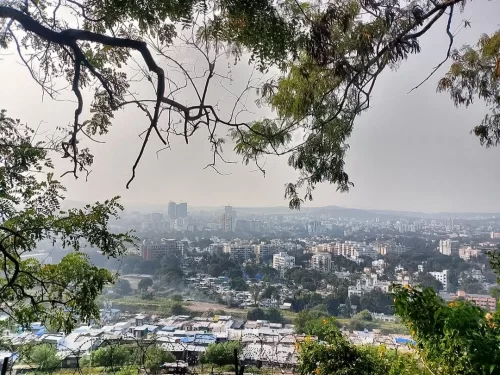
Parvati Hill Pune. Scenic hilltop viewpoint with panoramic city views and historic temples. Temple

Parvati Hill

Parvati Hill is a prominent hill in Pune, known for its ancient temples and panoramic views of the city.

Osho Garden Pune. Serene Zen garden near Osho International Meditation Resort with lush greenery and walking paths. Garden

Osho Garden

Osho Garden is a peaceful landscaped garden in Pune, known for its serene pathways and riverside setting.

Frequently Asked Questions About Raja Dinkar Kelkar Museum

Raja Dinkar Kelkar Museum is located in Pune in Maharashtra near Shaniwar Peth in the old city area. It houses an extensive collection of Indian artifacts and decorative arts.
Raja Dinkar Kelkar Museum can be reached within 20 to 25 minutes by taxi auto or local bus from Pune railway station depending on traffic. It is centrally located and easily accessible by road.
The best time to visit Raja Dinkar Kelkar Museum is between October and February when the weather in Pune remains pleasant for city exploration. Visiting during morning hours allows comfortable viewing of exhibits.
Raja Dinkar Kelkar Museum is popular for its diverse collection of sculptures musical instruments household artifacts and traditional Indian crafts. It attracts visitors interested in history art and culture.
Raja Dinkar Kelkar Museum is suitable for family visits as it offers organized galleries and educational displays. Children and adults can explore exhibits at a relaxed pace.
There are several hotels near Raja Dinkar Kelkar Museum in central Pune including areas like Deccan and Shivajinagar. These locations provide convenient accommodation options.
Raja Dinkar Kelkar Museum provides facilities including ticket counters guided tours display galleries and basic restrooms. Shops and eateries are available in the surrounding locality.
Most travelers spend one to two hours at Raja Dinkar Kelkar Museum exploring the multiple themed galleries. It is often included in a Pune city sightseeing plan.
Raja Dinkar Kelkar Museum may have a weekly closure day and specific visiting hours. Checking official timings before planning the visit is advisable.
Travelers visiting Raja Dinkar Kelkar Museum should follow photography guidelines and maintain quiet behavior inside galleries. Carrying minimal bags helps during entry checks.

Loved this place ? Let’s Plan Your Maharashtra Trip

Get customized Maharashtra tour planning designed around seasonal weather shifts, long-distance road travel flow, hill station comfort, coastal timing, and heritage exploration pacing. Whether you are visiting for historic caves, spiritual journeys, beach

⚡ Quick Response | 💰 Free consultation | 🕒 24×7 expert support

×

Plan Your Trip