Quick Facts About P L Deshpande Garden
Quick Facts About P L Deshpande Garden Pune
| Entry Fee | Adults 10 | Children 5 |
|---|---|
| Timings | 6:00 AM – 10:30 AM and 4:00 PM – 8:00 PM (daily) |
| Altitude (m) | 560 m |
| Ideal Visit Duration | 60–90 minutes |
| Best Time of Day | Early morning or evening for pleasant weather |
| Crowd Level | Moderate (popular among families and walkers) |
| Distance from City Centre (km) | 3 km (from Pune city centre) |
| Walking Difficulty | Easy (landscaped paths and flat garden areas) |
| Parking Available | Limited (parking available near Sinhagad Road) |
| Last Mile Access | Taxi/auto/bus to Sinhagad Road; short walk to entrance |
| Suitable for Kids | Yes (open lawns and landscaped spaces) |
| Suitable for Seniors | Yes (benches and shaded seating available) |
| Wheelchair Friendly | Limited (some paved areas accessible) |
Why Visit P L Deshpande Garden Pune
Why Visit
P L Deshpande Garden, popularly known as Pu La Deshpande Udyan, is a well-known landscaped garden in Pune, Maharashtra, inspired by traditional Japanese garden design. Named after the celebrated Marathi writer and humorist Purushottam Laxman Deshpande, the garden offers a peaceful green retreat within the city. Visitors come to enjoy its carefully curated layout, water features, and tranquil walking paths.
Atmosphere
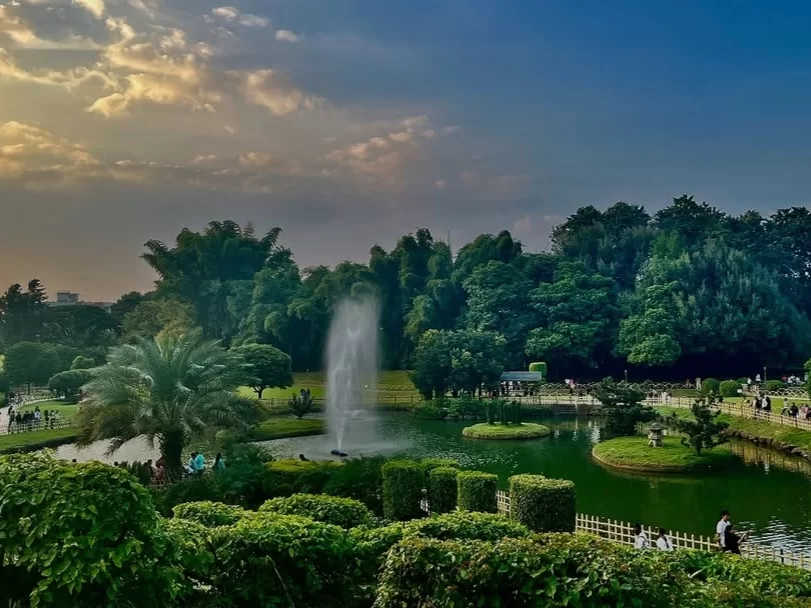
The atmosphere is calm, scenic, and thoughtfully designed, featuring bridges, manicured lawns, stone lanterns, and water bodies that reflect Japanese aesthetic principles. The garden feels especially serene during early mornings and late afternoons when light filters softly through the trees. It is well suited for quiet walks, photography, and relaxed outings.
What Makes it Special
What makes P L Deshpande Garden special is its thematic Japanese-style landscaping, uncommon among urban parks in Maharashtra. The structured layout, ornamental plants, and artistic elements create a harmonious balance between nature and design. Its dedication to a literary icon and its distinctive garden concept make it one of Pune’s most unique recreational spaces.
History of P L Deshpande Garden Pune
P L Deshpande Garden, also known as Pu La Deshpande Udyan, is located near Sinhagad Road in Pune, Maharashtra. The garden was developed in the early 21st century by the Pune Municipal Corporation and is named in honor of Purushottam Laxman Deshpande, a celebrated Marathi writer, humorist, musician, and cultural icon.
The garden was designed as a Japanese-style landscaped park inspired by the Okayama Korakuen Garden in Japan, reflecting Indo-Japanese cultural ties. Spread across a large area with curated lawns, wooden bridges, ponds, and traditional design elements, the park represents a modern urban landscaping initiative rather than a historical monument.
Over time, P L Deshpande Garden became a prominent recreational and cultural space within Pune, blending literary commemoration with environmental design. Today, it stands as a contemporary civic landmark, symbolizing the city’s commitment to honoring cultural figures while enhancing urban green spaces.
Best Time to Visit – P L Deshpande Garden Pune
The best time to visit P L Deshpande Garden (Pu La Deshpande Udyan) in Pune, Maharashtra, is from October to February, when the weather is pleasant and ideal for enjoying the landscaped Japanese-style garden and peaceful surroundings. During these months, temperatures are moderate, making it comfortable for relaxed walks and photography.
- October–November: Post-monsoon freshness with lush greenery—ideal for scenic strolls.
- December–January: Coolest and most comfortable season—best for extended outdoor visits.
- February: Pleasant conditions continue—morning and late afternoon visits are recommended.
- March–May (Summer): Warm weather; early morning or evening visits are more manageable.
- June–September (Monsoon): Frequent rainfall enhances greenery, but pathways may become slippery during showers.
Best time of day: 6:30 AM to 9:30 AM for peaceful morning walks, or 4:30 PM to 6:30 PM for pleasant evening views and cooler temperatures.
- Experience tip: Enjoy the landscaped lawns, small bridges, and water features inspired by Japanese garden design.
- Photography tip: Morning light enhances the greenery and reflective water elements.
- Visitor note: Weekends and public holidays can be crowded—arrive early for a quieter experience.
How to Reach P L Deshpande Garden Pune
P L Deshpande Garden, also known as Pune-Okayama Friendship Garden, is located on Sinhagad Road near Dattawadi, Pune, Maharashtra. Inspired by traditional Japanese landscape design, the garden is easily accessible by road from various parts of Pune city.
- By Air (Nearest airport): The nearest airport is Pune International Airport (Lohegaon), approximately 15–18 km away. From the airport, hire a taxi or app-based cab to Sinhagad Road. Travel time is about 40–60 minutes depending on traffic.
- By Train (Nearest railway station): Pune Junction Railway Station is about 8–9 km from the garden. From the station, take a taxi, auto-rickshaw, or PMPML bus toward Sinhagad Road.
- By Metro: Pune Metro connectivity is expanding in central areas. Visitors can use the nearest operational metro station and continue by road to reach the garden.
- By Road: The garden is well connected via Sinhagad Road and is accessible from Swargate and Deccan areas. PMPML buses operate frequently toward Dattawadi and nearby stops.
- Taxi / Auto-rickshaw: Taxis and auto-rickshaws are widely available across Pune and can drop you directly at P L Deshpande Garden.
- Self-drive: Self-driving is convenient via city roads. Parking facilities are available near the entrance, though they may be crowded during weekends and evenings.
- Walking access: Visitors staying near Sinhagad Road or Dattawadi can reach the garden on foot depending on distance.
- Travel tips (EEAT): Visit during morning or evening hours for pleasant weather. Follow garden rules, avoid plucking plants, and maintain silence to preserve the serene environment.
What to Expect When You Visit P L Deshpande Garden Pune
P L Deshpande Garden, popularly known as the Pune-Okayama Friendship Garden, is located on Sinhagad Road in Pune, Maharashtra. Inspired by traditional Japanese landscape design and developed as a symbol of friendship between Pune and Okayama (Japan), the garden offers a serene, aesthetically designed environment focused on nature, symmetry, and tranquility rather than amusement-based recreation.
- Japanese-style landscaping: expect carefully designed pathways, trimmed shrubs, wooden bridges, and water features reflecting traditional Japanese garden principles.
- Central water bodies and streams: small ponds and flowing water elements enhance the calm ambiance.
- Minimalist aesthetic layout: the design emphasizes balance, open space, and natural harmony.
- Peaceful walking environment: paved pathways are ideal for relaxed strolls and quiet reflection.
- Photography-friendly scenery: landscaped sections and bridges provide attractive visual compositions.
- Family-friendly setting: suitable for visitors seeking a calm outdoor experience.
- Regulated entry timings: access is controlled during specific hours to maintain upkeep.
- Moderate walking required: exploring the full garden involves light to moderate walking.
- Seasonal greenery variation: monsoon and post-monsoon seasons enhance the garden’s lush appearance.
- Short to moderate visit duration: typically explored within one to two hours.
Tip for a smoother visit: visit during early morning or late afternoon for cooler weather, avoid peak weekend hours for a quieter experience, and take your time walking through different sections to appreciate the landscape design.
Important Visitor Information – P L Deshpande Garden, Pune
- Crowd & Weather Notes: P L Deshpande Garden (Pu La Deshpande Udyan) experiences moderate to heavy crowds during evenings, weekends, and peak tourist season (October to February). Pune has a tropical wet and dry climate; summers (March to May) can be warm, monsoon months (June to September) bring moderate to heavy rainfall with lush greenery, and winters are pleasant for outdoor visits.
- Peak / Quiet Hours: Peak hours are late afternoon to evening, especially around sunset. Early morning on weekdays is quieter and ideal for peaceful walks and photography.
- Dress Code: No formal dress code applies. Wear light, comfortable clothing and suitable footwear for walking along garden pathways and landscaped areas.
- Safety Notes: Follow garden authority guidelines and avoid stepping into restricted landscaped sections. Be cautious on wet pathways during monsoon. Supervise children near water features and keep personal belongings secure in crowded areas.
Photography and Viewpoint – P L Deshpande Garden Pune
P L Deshpande Garden, also known as Pune-Okayama Friendship Garden, is located near Sinhagad Road in Pune, Maharashtra. Inspired by traditional Japanese landscape design, the garden features flowing water channels, wooden bridges, manicured lawns, stone lanterns, and carefully arranged pathways. Spread across a large landscaped area, it offers serene opportunities for garden symmetry, reflection photography, and structured nature compositions.
- Best light for photography: Early morning provides soft, diffused light that enhances greenery tones and calm water reflections.
- Bridge perspective compositions: Use wooden bridges as leading lines to create depth across ponds and landscaped sections.
- Reflection-focused frames: Capture mirrored images of trees and sky on still water surfaces for balanced symmetry.
- Wide vs. telephoto strategy: Wide lenses capture expansive garden layouts, while telephoto lenses isolate lanterns, bonsai-style plants, and architectural details.
- Pathway framing shots: Use curved walking paths and stepping stones to guide the viewer’s eye through the composition.
- Seasonal visual character: Post-monsoon greenery enhances vibrancy, while winter mornings offer crisp atmospheric clarity.
- Mobile photography tips: Use gridlines for straight horizons, slightly reduce exposure in bright daylight, and stabilize near water edges.
- Crowd & timing awareness: Weekday mornings provide quieter surroundings and unobstructed landscape frames.
- Detail-focused photography: Highlight stone lanterns, ornamental plants, and water features reflecting Japanese garden aesthetics.
- Responsible public-space photography: Avoid stepping on landscaped areas, respect visitor privacy, and follow garden regulations.