Laal Mahal, Pune – The Historic Residence of Chhatrapati Shivaji Maharaj

Laal Mahal , Pune
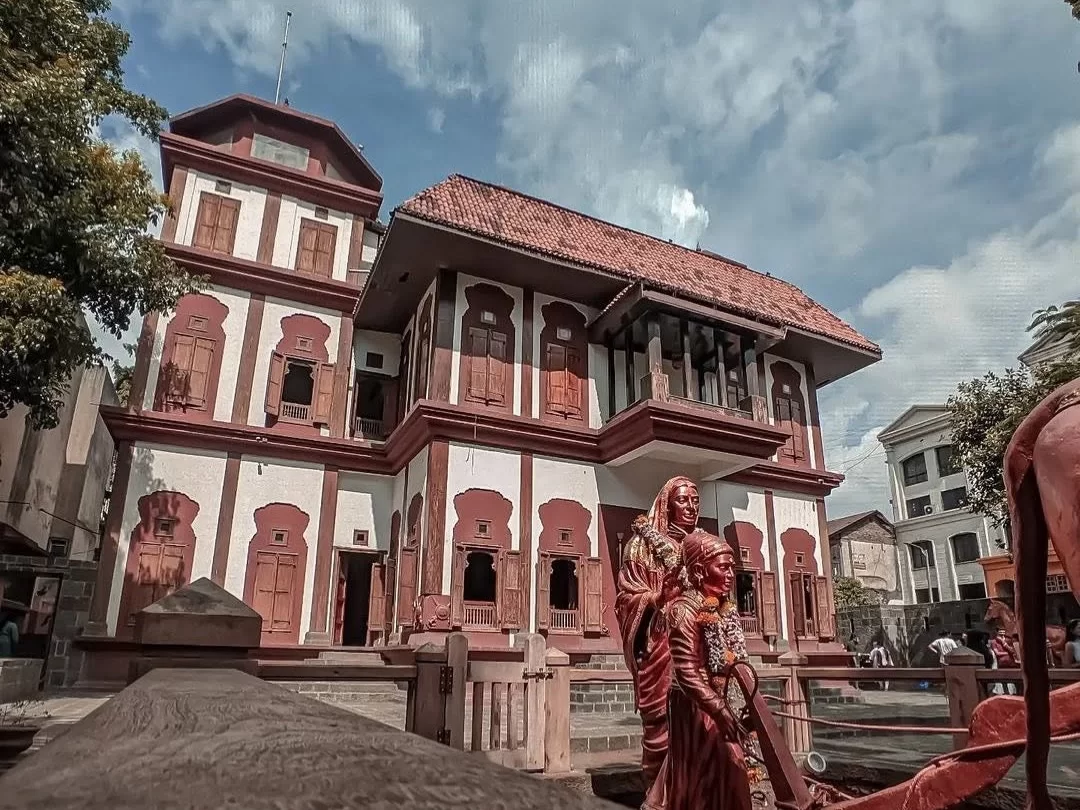
Laal Mahal was originally built in 1630 by Shahaji Bhosale for his wife Jijabai and young son Shivaji. It served as the early residence of Shivaji Maharaj and is historically significant for events such as Shivaji’s attack on Shaista Khan. The present structure is a reconstruction located in the heart of Pune and houses exhibits and statues depicting scenes from Shivaji’s life, making it an important heritage attraction in the city.

Quick Facts About Laal Mahal

Quick Facts About Laal Mahaal Pune

Entry Fee No entry fee
Timings 9:00 AM – 1:00 PM and 4:00 PM – 8:00 PM (daily)
Altitude (m) 560 m
Ideal Visit Duration 30–45 minutes
Best Time of Day Morning or evening for comfortable exploration
Crowd Level Moderate (popular with history enthusiasts and tourists)
Distance from City Centre (km) 1 km (from Pune city centre)
Walking Difficulty Easy (compact indoor structure with flat access)
Parking Available Limited (paid parking nearby)
Last Mile Access Taxi/auto/bus to Shaniwar Peth area; short walk to entrance
Suitable for Kids Yes (historical exhibits and statues)
Suitable for Seniors Yes (minimal walking required)
Wheelchair Friendly Limited (ground floor accessible; narrow interiors)

Why Visit Lal Mahal Pune

Why Visit

Lal Mahal in Pune, Maharashtra, is a historically significant site closely associated with Chhatrapati Shivaji Maharaj and his mother, Jijabai. The original palace was built in the 1630s by Shahaji Bhosale for his family, and it is believed that Shivaji spent part of his childhood here. The present structure is a reconstruction built near the original site, serving as a symbolic monument to Maratha heritage.

Atmosphere

The atmosphere is heritage-focused and commemorative, with statues and murals depicting key events from Shivaji Maharaj’s early life. Located in the heart of Pune city, the site feels compact yet historically meaningful. Visitors often experience a sense of pride and historical connection while exploring the reconstructed interiors.

What Makes it Special

What makes Lal Mahal special is its association with the formative years of Chhatrapati Shivaji Maharaj and the famous episode involving his encounter with Shaista Khan (as recorded in Maratha historical accounts). The monument stands as a tribute to Maratha resilience and leadership. Its symbolic importance in Maharashtra’s cultural memory makes it a key historical landmark in Pune.

History of Lal Mahal Pune

Lal Mahal is located in Pune, Maharashtra, and holds significant association with the early life of Chhatrapati Shivaji Maharaj. The original structure was built in 1630 by Shahaji Bhosale for his wife Jijabai and young son Shivaji when the family moved to Pune.

The palace served as Shivaji Maharaj’s childhood residence and is closely linked with formative events in Maratha history. It was within Lal Mahal that Shivaji is believed to have planned early campaigns and, according to historical accounts, conducted the daring attack on Mughal general Shaista Khan in 1663.

The original palace was later destroyed, and the present structure is a 20th-century reconstruction built near the presumed original site to commemorate its historical importance. Today, Lal Mahal stands as a symbolic monument in Pune, representing the legacy of Shivaji Maharaj and the early rise of the Maratha Empire.

Best Time to Visit – Laal Mahaal Pune

The best time to visit Laal Mahaal in Pune, Maharashtra, is from October to February, when the weather is pleasant and suitable for exploring this historic landmark associated with Chhatrapati Shivaji Maharaj. During these months, temperatures are moderate, making it comfortable to walk around the reconstructed palace structure and nearby heritage areas.

  • October–November: Post-monsoon freshness with clear skies—ideal for heritage exploration.
  • December–January: Coolest and most comfortable season—best for extended visits.
  • February: Pleasant conditions continue—morning and late afternoon visits are recommended.
  • March–May (Summer): Warm weather; early morning visits are more manageable.
  • June–September (Monsoon): Frequent rainfall; surroundings appear greener, but outdoor movement may be affected during showers.

Best time of day: 8:30 AM to 11:00 AM for comfortable exploration and fewer crowds, or 5:00 PM to 7:00 PM for pleasant evening conditions.

  • Heritage tip: Learn about the early life of Chhatrapati Shivaji Maharaj and the historical significance of the original palace site.
  • Photography tip: Late afternoon light enhances the red façade and statue installations.
  • Visitor note: Allocate time to explore nearby heritage landmarks in the old city area.

How to Reach Lal Mahal Pune

Lal Mahal is located in Kasba Peth, Pune, Maharashtra, near Shaniwar Wada in the old city area. Originally established in the 17th century and associated with Chhatrapati Shivaji Maharaj’s childhood, the present structure is a reconstruction and is easily accessible by road and rail.

  • By Air (Nearest airport): The nearest airport is Pune International Airport (Lohegaon), approximately 11–13 km away. From the airport, hire a taxi or app-based cab to Kasba Peth. Travel time is about 30–45 minutes depending on traffic.
  • By Train (Nearest railway station): Pune Junction Railway Station is about 3–4 km from Lal Mahal. From the station, take a taxi, auto-rickshaw, or PMPML bus toward Shaniwar Wada/Kasba Peth area.
  • By Metro: Pune Metro connectivity is expanding in central Pune. Visitors can use the nearest operational metro station and continue by road to reach Lal Mahal.
  • By Road: Lal Mahal is well connected via Shivaji Road and Bajirao Road in central Pune. PMPML buses frequently operate to nearby stops such as Shaniwar Wada and Mandai.
  • Taxi / Auto-rickshaw: Taxis and auto-rickshaws are widely available across Pune and can drop you directly at Lal Mahal, Kasba Peth.
  • Self-drive: Self-driving is possible, but parking in the old city area is limited and often crowded. Use designated public parking areas nearby.
  • Walking access: Visitors exploring Shaniwar Wada and nearby heritage sites can easily walk to Lal Mahal.
  • Travel tips (EEAT): Allocate 30–45 minutes for the visit. Combine with nearby heritage attractions such as Shaniwar Wada and Kasba Ganpati Temple. Follow monument guidelines during your visit.

What to Expect When You Visit Laal Mahaal Pune

Laal Mahaal, located in the Kasba Peth area of Pune, Maharashtra, is historically associated with Chhatrapati Shivaji Maharaj’s early life. The original palace was built in the 1630s by Shahaji Bhosale for his wife Jijabai and young Shivaji. The current structure is a reconstructed memorial that commemorates this legacy, offering historical context rather than preserved original architecture.

  • Shivaji Maharaj association: the site is traditionally regarded as the childhood residence of Chhatrapati Shivaji Maharaj.
  • Reconstructed memorial structure: the present building is a modern reconstruction symbolizing the original 17th-century palace.
  • Statues and historical scenes: interior displays depict important episodes from Shivaji’s early life.
  • Cultural and regional importance: the site holds strong emotional and historical value in Maharashtra.
  • Compact premises: the structure is relatively small and can be explored in a short time.
  • Urban heritage location: situated in the old city area near other historic Pune landmarks.
  • Photography-friendly exteriors: the red-colored façade and statues offer good photo opportunities.
  • Moderate visitor flow: generally less crowded than major forts or temples.
  • Educational stop: suitable for visitors interested in Maratha history.
  • Short visit duration: typically explored within 30–45 minutes.

Tip for a smoother visit: combine your visit with nearby Shaniwar Wada and other old Pune heritage sites, and take time to read the historical displays to better understand Shivaji Maharaj’s early life.

Important Visitor Information – Lal Mahal, Pune

  • Crowd & Weather Notes: Lal Mahal experiences moderate visitor numbers, with higher footfall during weekends, public holidays, and peak tourist season (October to February). Pune has a tropical wet and dry climate; summers (March to May) can be warm, monsoon months (June to September) bring moderate to heavy rainfall, and winters are pleasant.
  • Peak / Quiet Hours: Peak hours are late morning to early afternoon when local visitors and tour groups arrive. Early morning on weekdays is quieter and more comfortable for exploring the premises.
  • Dress Code: No formal dress code applies. Wear comfortable clothing suitable for warm weather and appropriate footwear for walking around the complex.
  • Safety Notes: Follow site management guidelines and respect the historical significance of the monument. Avoid climbing on structures or statues. Be cautious on steps and smooth surfaces during monsoon, and keep personal belongings secure.

Photography and Viewpoint – Lal Mahal Pune

Lal Mahal, located near Shaniwar Wada in Pune, Maharashtra, is historically associated with Chhatrapati Shivaji Maharaj’s early life. The original structure was built in 1630 by Shahaji Bhosale for Jijabai and young Shivaji; the present building is a reconstructed memorial reflecting traditional Maratha architectural style. The site offers opportunities for heritage documentation, façade symmetry, and contextual storytelling within Pune’s historic core.

  • Best light for photography: Early morning provides softer illumination on the red façade and fewer visitors for clean frames.
  • Façade symmetry compositions: Position centrally to capture the arched entrance and balanced Maratha-style architecture.
  • Statue-focused framing: Highlight the statues of Jijabai and young Shivaji in contextual heritage compositions.
  • Wide vs. telephoto strategy: Wide lenses capture the full building frontage and courtyard, while telephoto lenses isolate decorative details and sculptural elements.
  • Interior display photography: If permitted, document paintings and exhibits carefully without flash.
  • Contextual old-city framing: Include surrounding heritage streets and Shaniwar Wada vicinity for broader historical storytelling.
  • Mobile photography tips: Use gridlines for straight vertical alignment, expose for mid-tones on red surfaces, and stabilize shots indoors.
  • Crowd & timing awareness: Weekday mornings provide quieter surroundings and unobstructed architectural compositions.
  • Festival & commemorative visuals: During Shivaji Jayanti, capture decorations and gatherings respectfully from outside restricted zones.
  • Responsible heritage photography: Respect monument boundaries, avoid climbing restricted areas, and follow site guidelines at all times.

Near By Attraction

Darshan Museum. Spiritual museum in Pune featuring detailed Hindu deity sculptures and cultural exhibits. Museum

Darshan Museum

Darshan Museum is an innovative museum in Pune, offering a multimedia spiritual experience based on the life of Sadhu Vaswani.
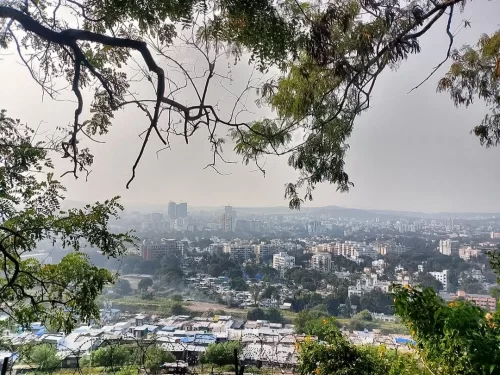
Parvati Hill Pune. Scenic hilltop viewpoint with panoramic city views and historic temples. Temple

Parvati Hill

Parvati Hill is a prominent hill in Pune, known for its ancient temples and panoramic views of the city.

Osho Garden Pune. Serene Zen garden near Osho International Meditation Resort with lush greenery and walking paths. Garden

Osho Garden

Osho Garden is a peaceful landscaped garden in Pune, known for its serene pathways and riverside setting.

Frequently Asked Questions About Laal Mahal

Laal Mahal is located in Pune in Maharashtra near Shaniwar Wada in the old city area. It is a reconstructed palace associated with Chhatrapati Shivaji Maharaj childhood.
Laal Mahal can be reached within 15 to 20 minutes by taxi auto or local bus from Pune railway station depending on traffic. It is centrally located and easily accessible by road.
The best time to visit Laal Mahal is between October and February when the weather in Pune remains pleasant for sightseeing. Morning and late afternoon visits are more comfortable.
Laal Mahal is important for visitors due to its historical association with Chhatrapati Shivaji Maharaj and Maratha heritage. The site features statues and exhibits depicting key historical events.
Laal Mahal is suitable for family visits as it involves minimal walking within a compact complex. Visitors of all age groups can explore comfortably during daytime.
There are several hotels near Laal Mahal in central Pune including options around Shaniwar Wada and Deccan. These areas provide convenient accommodation choices.
Laal Mahal provides basic facilities including maintained interiors informational displays and security presence. Restaurants and additional amenities are available in the surrounding market area.
Most travelers spend 30 to 60 minutes at Laal Mahal exploring exhibits and taking photographs. It is often combined with nearby attractions in a Pune city itinerary.
Laal Mahal can be moderately crowded during weekends and public holidays. Visiting on weekdays generally offers a more relaxed experience.
Travelers visiting Laal Mahal should wear comfortable footwear and follow monument guidelines. Respecting the historical displays and maintaining cleanliness is important.

Loved this place ? Let’s Plan Your Maharashtra Trip

Get customized Maharashtra tour planning designed around seasonal weather shifts, long-distance road travel flow, hill station comfort, coastal timing, and heritage exploration pacing. Whether you are visiting for historic caves, spiritual journeys, beach

⚡ Quick Response | 💰 Free consultation | 🕒 24×7 expert support

×

Plan Your Trip