Aga Khan Palace, Pune – The Historic Landmark of India’s Freedom Movement

Aga Khan Palace , Pune
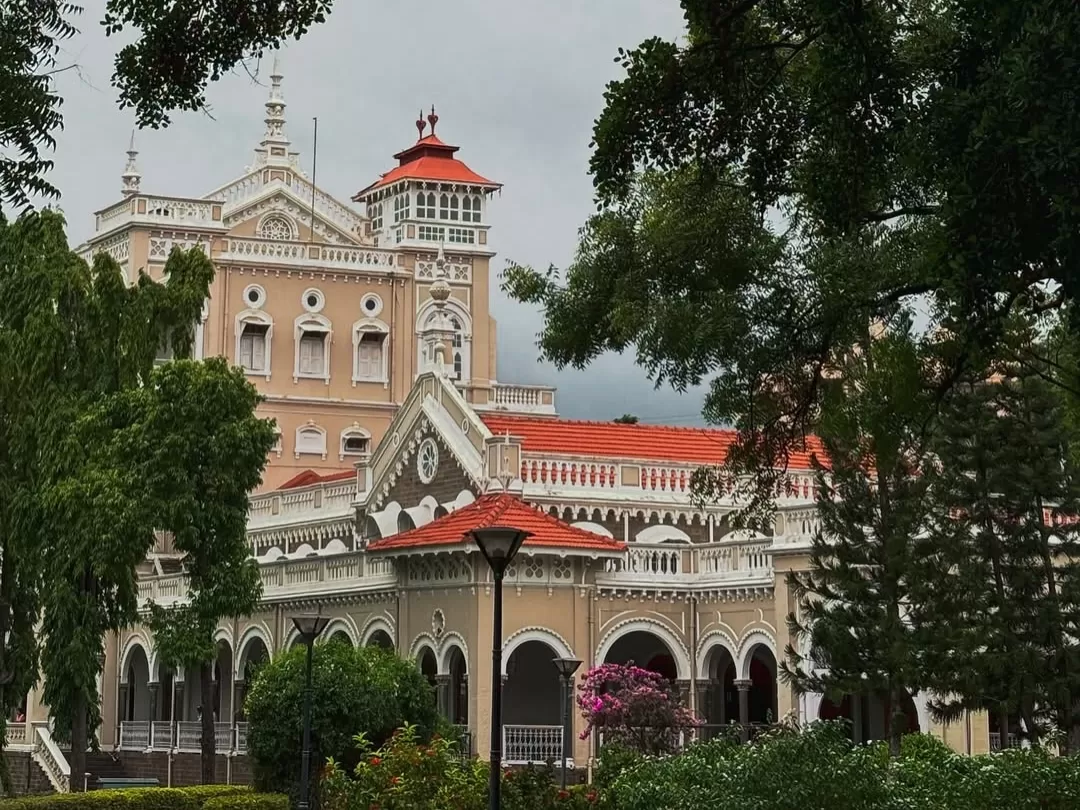
Aga Khan Palace was built in 1892 by Sultan Muhammed Shah Aga Khan III and later became a prominent site during India’s independence movement. Mahatma Gandhi, Kasturba Gandhi, and other leaders were interned here during the Quit India Movement in 1942. The palace features elegant Italian arches, sprawling lawns, and a memorial dedicated to Kasturba Gandhi. Today, it stands as a symbol of India’s struggle for freedom and is one of Pune’s most important heritage sites.

Quick Facts About Aga Khan Palace

Quick Facts About Aga Khan Palace Pune

Entry Fee Indian adults 25 | Foreign nationals 300 | Children below 15 years Free
Timings 9:00 AM – 5:30 PM (daily)
Altitude (m) 560 m
Ideal Visit Duration 1–2 hours
Best Time of Day Morning or late afternoon for comfortable exploration
Crowd Level Moderate (higher on weekends and national holidays)
Distance from City Centre (km) 5 km (from Pune city centre)
Walking Difficulty Easy (flat gardens and indoor galleries)
Parking Available Yes (designated parking available)
Last Mile Access Taxi/auto/bus to Nagar Road; short walk to entrance
Suitable for Kids Yes (open lawns and historical exhibits)
Suitable for Seniors Yes (minimal climbing; seating available)
Wheelchair Friendly Limited (ground areas accessible; some sections may have steps)

Why Visit Aga Khan Palace Pune

Why Visit

Aga Khan Palace in Pune, Maharashtra, is a significant historical landmark built in 1892 by Sultan Muhammed Shah Aga Khan III. While originally constructed as an act of charity to provide employment during a famine, the palace later gained national importance when Mahatma Gandhi, Kasturba Gandhi, and other leaders were interned here during the Quit India Movement in 1942. Visitors come to explore its connection to India’s freedom struggle and colonial-era architecture.

Atmosphere

The atmosphere is calm, dignified, and reflective, with expansive lawns and a spacious Italianate-style structure featuring arched corridors and high ceilings. The memorial areas dedicated to Mahatma Gandhi and Kasturba Gandhi create a contemplative environment. Despite its historical gravity, the palace grounds remain peaceful and well-maintained.

What Makes it Special

What makes Aga Khan Palace special is its direct association with India’s independence movement and its role as a place of internment for prominent national leaders. The site houses memorials and personal artefacts related to Mahatma Gandhi, and it remains under the care of the Gandhi National Memorial Society. Its blend of architectural elegance and profound historical importance makes it one of Pune’s most meaningful heritage landmarks.

History of Aga Khan Palace Pune

Aga Khan Palace is located in Pune, Maharashtra, and was built in 1892 by Sultan Muhammed Shah Aga Khan III. The palace was constructed as a charitable initiative to provide employment to local communities affected by a severe famine in the Deccan region.

Designed in an elegant Indo-Saracenic style with expansive corridors, Italian arches, and sprawling lawns, the palace became historically significant during India’s freedom struggle. In 1942, following the launch of the Quit India Movement, Mahatma Gandhi, Kasturba Gandhi, and other leaders were interned here by the British authorities.

Kasturba Gandhi and Mahadev Desai passed away during their detention at the palace, and memorials dedicated to them stand within the premises. Today, Aga Khan Palace functions as a museum and national monument, preserving artifacts related to Mahatma Gandhi and serving as a poignant symbol of India’s struggle for independence.

Best Time to Visit – Aga Khan Palace Pune

The best time to visit Aga Khan Palace in Pune, Maharashtra, is from October to February, when the weather is pleasant and suitable for exploring the expansive lawns and historic structure. During these months, temperatures are moderate, making it comfortable to walk around the palace grounds and learn about its association with India’s freedom movement.

  • October–November: Post-monsoon freshness with clear skies—ideal for heritage walks and photography.
  • December–January: Coolest and most comfortable season—best for extended exploration.
  • February: Pleasant conditions continue—morning and late afternoon visits are recommended.
  • March–May (Summer): Warm weather; early morning visits are more manageable.
  • June–September (Monsoon): Frequent rainfall enhances greenery, though outdoor movement may be affected during heavy showers.

Best time of day: 9:30 AM to 12:00 PM for comfortable exploration and fewer crowds, or 4:30 PM to 6:30 PM for pleasant evening light across the palace façade.

  • Heritage tip: Visit the memorials of Mahatma Gandhi, Kasturba Gandhi, and Mahadev Desai located within the palace complex.
  • Photography tip: Late afternoon light enhances the Italianate architectural details.
  • Visitor note: Allocate sufficient time to explore museum exhibits related to the Indian freedom struggle.

How to Reach Aga Khan Palace Pune

Aga Khan Palace is located in Kalyani Nagar, Pune, Maharashtra. Built in 1892 by Sultan Muhammed Shah Aga Khan III, it is a significant historical landmark associated with India’s freedom movement and is easily accessible by road, rail, and air.

  • By Air (Nearest airport): The nearest airport is Pune International Airport (Lohegaon), approximately 5–6 km away. From the airport, hire a taxi or app-based cab to Aga Khan Palace. Travel time is about 15–25 minutes depending on traffic.
  • By Train (Nearest railway station): Pune Junction Railway Station is about 7–8 km from the palace. From the station, take a taxi, auto-rickshaw, or PMPML bus toward Kalyani Nagar.
  • By Metro: Pune Metro connectivity is expanding; visitors can use the nearest operational metro station in central Pune and continue by road to reach the palace.
  • By Road: The palace is well connected via Nagar Road and Bund Garden Road. PMPML buses operate frequently to Kalyani Nagar and nearby stops.
  • Taxi / Auto-rickshaw: Taxis and auto-rickshaws are widely available across Pune and can drop you directly at Aga Khan Palace.
  • Self-drive: Self-driving is convenient via city roads. Parking facilities are available within the palace premises.
  • Walking access: Visitors staying in Kalyani Nagar area can reach the palace on foot depending on distance.
  • Travel tips (EEAT): Allocate at least 1–2 hours to explore the museum and memorials of Mahatma Gandhi, Kasturba Gandhi, and Mahadev Desai. Follow ASI guidelines and confirm entry timings before visiting.

What to Expect When You Visit Aga Khan Palace Pune

Aga Khan Palace, located in Pune, Maharashtra, is a historically significant landmark built in 1892 by Sultan Muhammed Shah Aga Khan III. Though constructed as a palace, it is best known for its association with India’s freedom movement, as Mahatma Gandhi, Kasturba Gandhi, and Mahadev Desai were interned here during the Quit India Movement. The visit offers a blend of colonial-era architecture and national history in a peaceful garden setting.

  • Freedom movement significance: the palace served as a place of internment for Mahatma Gandhi and his associates during 1942–1944.
  • Memorial samadhis: the site includes memorials of Kasturba Gandhi and Mahadev Desai within the premises.
  • Colonial architectural design: expect large Italianate arches, spacious corridors, and expansive lawns surrounding the structure.
  • Gandhi museum exhibits: select galleries display photographs, letters, and personal belongings linked to the independence movement.
  • Well-maintained gardens: landscaped lawns provide a calm and reflective atmosphere.
  • Indoor and outdoor exploration: the visit includes both museum galleries and open-air walking areas.
  • Moderate walking required: the palace grounds are expansive and require light walking.
  • Photography guidelines: exterior photography is generally allowed; interior restrictions may apply.
  • Educational and heritage value: ideal for visitors interested in India’s independence history.
  • Central Pune location: easily accessible and often included in Pune’s historical circuit.

Tip for a smoother visit: allocate at least one to two hours to explore both museum exhibits and gardens, visit during weekday mornings for a quieter experience, and take time to read archival displays for deeper historical understanding.

Important Visitor Information – Aga Khan Palace, Pune

  • Crowd & Weather Notes: Aga Khan Palace experiences moderate to high visitor numbers during weekends, public holidays, and peak tourist season (October to February). Pune has a tropical wet and dry climate; summers (March to May) can be warm, monsoon months (June to September) bring moderate to heavy rainfall, and winters are pleasant for outdoor exploration of the palace grounds.
  • Peak / Quiet Hours: Peak hours are late morning to early afternoon when tour groups arrive. Early morning soon after opening on weekdays is quieter and ideal for exploring the museum galleries and landscaped lawns.
  • Dress Code: No formal dress code applies. Wear comfortable clothing suitable for walking through museum sections and open lawns. Comfortable footwear is recommended.
  • Safety Notes: Follow ASI guidelines and avoid touching protected exhibits. Photography may be restricted in certain areas—adhere to posted rules. Be cautious on smooth floors during monsoon and keep personal belongings secure during busy periods.

Photography and Viewpoint – Aga Khan Palace Pune

Aga Khan Palace, located in Yerwada, Pune, Maharashtra, was built in 1892 by Sultan Muhammed Shah Aga Khan III. The palace is historically significant as a site of Mahatma Gandhi’s internment during the Quit India Movement (1942–1944) and houses memorials dedicated to Gandhi, Kasturba Gandhi, and Mahadev Desai. Designed in Indo-Saracenic style with Italian arches, spacious corridors, and expansive lawns, the palace offers strong heritage and architectural photography opportunities.

  • Best light for photography: Early morning provides soft illumination on the pale façade and balanced lighting across the lawns.
  • Front façade symmetry compositions: Position centrally across the gardens to capture the long arched corridors and balanced architectural layout.
  • Garden-context framing: Use expansive lawns and pathways as leading lines toward the palace structure.
  • Wide vs. telephoto strategy: Wide lenses capture the full palace frontage and grounds, while telephoto lenses isolate arches and balcony details.
  • Interior corridor perspectives: Frame repetitive arches and long corridors to emphasize architectural depth (subject to museum guidelines).
  • Memorial documentation: Photograph Gandhi memorial areas respectfully, maintaining solemnity and decorum.
  • Detail-focused photography: Highlight Italian-style arches, ornamental railings, and symmetrical window patterns.
  • Mobile photography tips: Use gridlines for straight vertical alignment, expose for mid-tones on light-colored surfaces, and avoid flash indoors.
  • Crowd & timing awareness: Weekday mornings provide quieter surroundings and unobstructed architectural frames.
  • Responsible heritage photography: Follow museum and ASI guidelines, avoid restricted areas, and maintain respect at memorial sections.

Near By Attraction

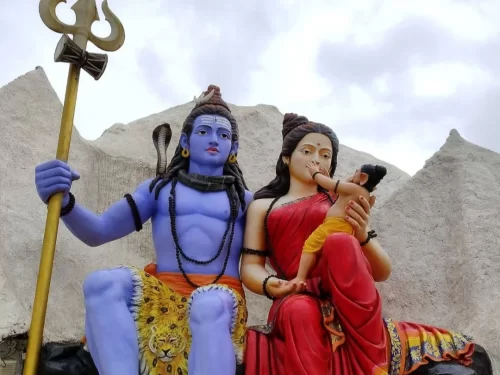
Darshan Museum. Spiritual museum in Pune featuring detailed Hindu deity sculptures and cultural exhibits. Museum

Darshan Museum

Darshan Museum is an innovative museum in Pune, offering a multimedia spiritual experience based on the life of Sadhu Vaswani.
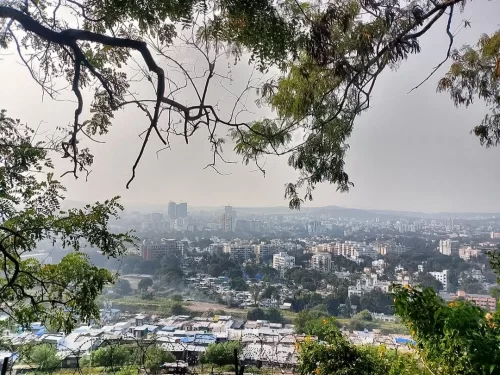
Parvati Hill Pune. Scenic hilltop viewpoint with panoramic city views and historic temples. Temple

Parvati Hill

Parvati Hill is a prominent hill in Pune, known for its ancient temples and panoramic views of the city.

Osho Garden Pune. Serene Zen garden near Osho International Meditation Resort with lush greenery and walking paths. Garden

Osho Garden

Osho Garden is a peaceful landscaped garden in Pune, known for its serene pathways and riverside setting.

Frequently Asked Questions About Aga Khan Palace

Aga Khan Palace is located in Pune in Maharashtra in the Yerwada area. It is a historic landmark associated with India freedom movement.
Aga Khan Palace can be reached within 20 to 30 minutes by taxi auto or bus from Pune railway station depending on traffic. It is well connected by city roads.
The best time to visit Aga Khan Palace is between October and February when the weather in Pune remains pleasant for walking around the large grounds. Morning hours are comfortable for sightseeing.
Aga Khan Palace is important for visitors due to its connection with Mahatma Gandhi who was interned here during the freedom struggle. The palace now serves as a memorial and museum.
Aga Khan Palace is suitable for family visits as it offers open lawns shaded walkways and organized museum sections. Visitors of all age groups can explore comfortably.
There are several hotels near Aga Khan Palace in areas like Kalyani Nagar and Koregaon Park. Central Pune also offers a wide range of accommodation options.
Aga Khan Palace provides facilities including ticket counters maintained gardens and basic restrooms. Informational displays are available inside the museum sections.
Most travelers spend one to two hours at Aga Khan Palace exploring the museum galleries and walking through the gardens. It is often included in a Pune city tour.
Aga Khan Palace may have weekly closure days or restricted hours on certain public holidays. Checking official timings before visiting is advisable.
Travelers visiting Aga Khan Palace should carry drinking water wear comfortable footwear and follow monument guidelines. Maintaining silence inside memorial areas is expected.

Loved this place ? Let’s Plan Your Maharashtra Trip

Get customized Maharashtra tour planning designed around seasonal weather shifts, long-distance road travel flow, hill station comfort, coastal timing, and heritage exploration pacing. Whether you are visiting for historic caves, spiritual journeys, beach

⚡ Quick Response | 💰 Free consultation | 🕒 24×7 expert support

×

Plan Your Trip