+91 9910402252
admin@chalbanjare.com


| Entry Fee | No separate entry fee for the temple but Khajuraho Group of Monuments ticket required for overall site access |
|---|---|
| Timings | Temple generally open daily from early morning around 5 30 AM to evening around 8 00 PM, while site access via ticket is usually from sunrise to sunset |
| Altitude (m) | Located at approximately 280 meters above sea level in the Khajuraho area |
| Ideal Visit Duration | Thirty minutes to one hour to view the temple architecture and surroundings |
| Best Time of Day | Early morning or late afternoon for cooler weather and better light for photography |
| Crowd Level | Moderate to high during peak tourist seasons and holidays |
| Distance from City Centre (km) | Located within the Khajuraho Group of Monuments complex, about one to two kilometers from the main town area |
| Walking Difficulty | Low walking difficulty with short paved paths inside the monument complex |
| Parking Available | Yes parking available at designated lots outside the Khajuraho Group of Monuments site |
| Last Mile Access | Taxi auto rickshaw and local transport available to the Khajuraho Archaeological Site entrance |
| Suitable for Kids | Yes suitable for children with supervision and interest in history |
| Suitable for Seniors | Yes generally suitable with easy walkways and short distances |
| Wheelchair Friendly | Partially wheelchair accessible on the main paved areas of the monument complex though some parts may have steps |
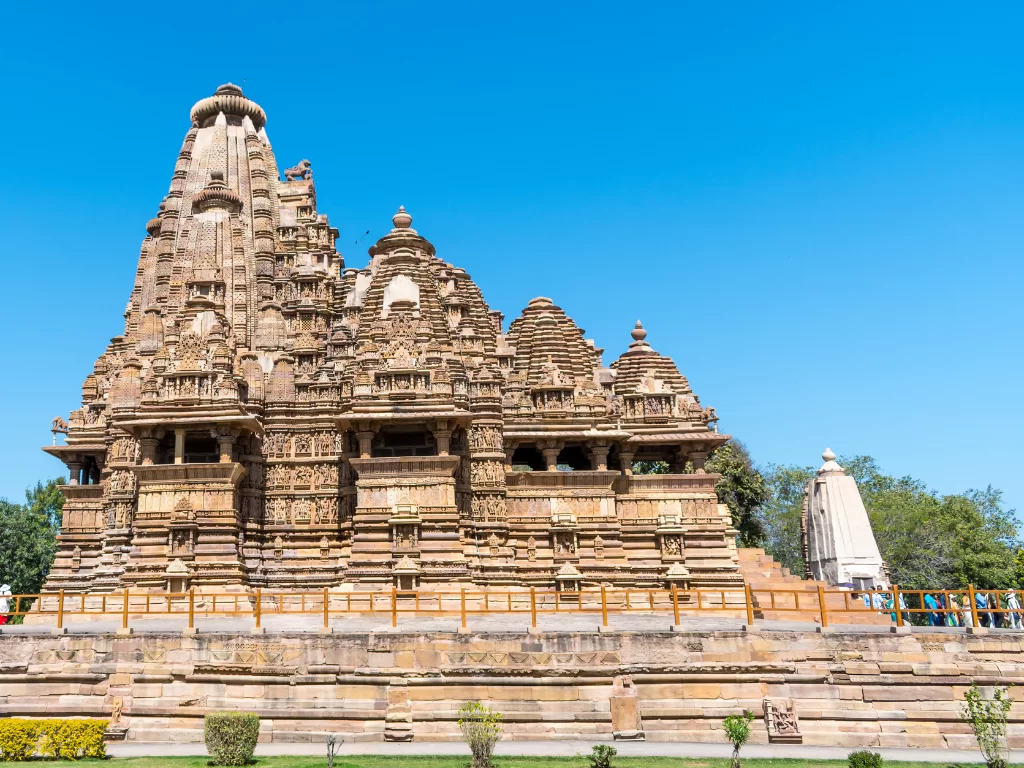
Atmosphere at Vishwanath Temple in Khajuraho is majestic and spiritually resonant, set within the UNESCO-listed Western Group of Temples. The elevated platform, intricately carved sandstone walls, and open courtyard create a setting that feels both sacred and architecturally grand. Surrounded by manicured lawns and other historic shrines, the temple offers a calm yet culturally rich environment where visitors can fully appreciate the artistry of the Chandela era.
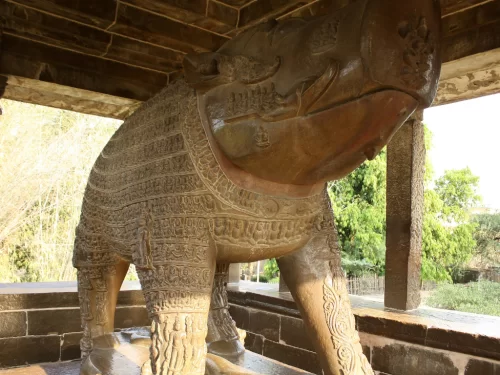
What makes Vishwanath Temple special is its refined Nagara-style architecture and its dedication to Lord Shiva. Built in the 11th century by King Dhanga of the Chandela dynasty, the temple is renowned for its detailed sculptures depicting deities, celestial beings, musicians, and symbolic motifs. The presence of a large Nandi statue facing the sanctum adds to its religious importance. The precision of carvings and structural symmetry highlight the advanced craftsmanship and artistic excellence of medieval central India.
Beyond its religious significance, Vishwanath Temple serves as an important cultural and historical landmark within Khajuraho’s temple complex. It attracts historians, architecture enthusiasts, photographers, and travelers seeking deeper understanding of India’s temple art tradition. The combination of spiritual devotion, UNESCO heritage status, and intricate sculptural beauty ensures a meaningful and memorable visit.
Vishwanath Temple in Khajuraho was built around 999 CE during the reign of King Dhanga of the Chandela dynasty. Dedicated to Lord Shiva, the temple stands as one of the most architecturally refined monuments within the Western Group of Khajuraho temples. An inscription discovered at the site confirms its construction period and highlights the prosperity and religious patronage of the Chandela rulers.
Designed in the Nagara style of North Indian temple architecture, the temple features a prominent shikhara (spire), intricately carved mandapa (hall), and richly sculpted exterior walls. The carvings depict various deities, celestial beings, musicians, and scenes from daily life, demonstrating the artistic excellence of 10th-century central India. A notable feature of the temple complex is the presence of a large Nandi statue facing the sanctum, emphasizing its Shaivite identity.
Today, Vishwanath Temple is part of the UNESCO World Heritage Site of Khajuraho. It represents the zenith of Chandela architectural achievement and continues to attract historians, pilgrims, and tourists who seek to explore the spiritual and artistic legacy of medieval India.
The best time to visit Vishwanath Temple in Khajuraho depends on weather comfort, as the temple complex is part of the open Western Group of Temples and requires walking outdoors. Visiting during pleasant months enhances architectural appreciation and sightseeing comfort.
October to March is considered the most ideal period to visit. During these months, Khajuraho experiences cool and pleasant weather, making it comfortable to explore the intricate carvings, temple structures, and landscaped complex without heat discomfort.
Summer months from April to June can be quite hot, especially during midday hours. Early morning or late afternoon visits are strongly recommended during this season to avoid peak temperatures while enjoying detailed architectural observation.
Monsoon season from July to September brings refreshing greenery to the temple surroundings. While occasional rainfall may interrupt exploration, the complex appears vibrant and less crowded during this period.
 Temple
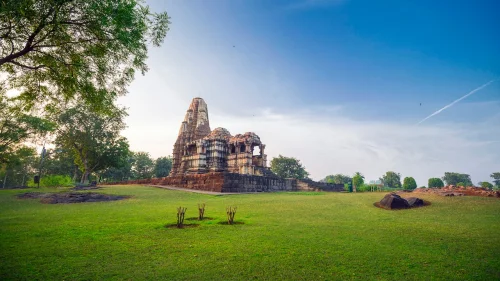
Dulhadeo Temple is a historic Hindu temple dedicated to Lord Shiva, located in the southern group of monuments at Khajuraho, Madhya Pradesh.
 Temple
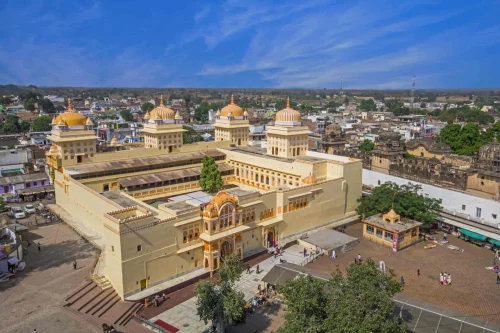
Ram Raja Temple is a unique Hindu temple in Orchha, Madhya Pradesh, where Lord Rama is worshipped as a king rather than solely as a deity.
 Temple
Vishwanath Temple is a 10th-century Hindu temple dedicated to Lord Shiva, located in the Western Group of Temples at Khajuraho.
Get customized Madhya Pradesh tour planning designed around safari seasons, road travel distances, heritage site exploration time, and comfortable pacing across regions. Whether you are visiting for wildlife safaris, temple architecture, historical monume
⚡ Quick Response | 💰 Free consultation | 🕒 24×7 expert support

