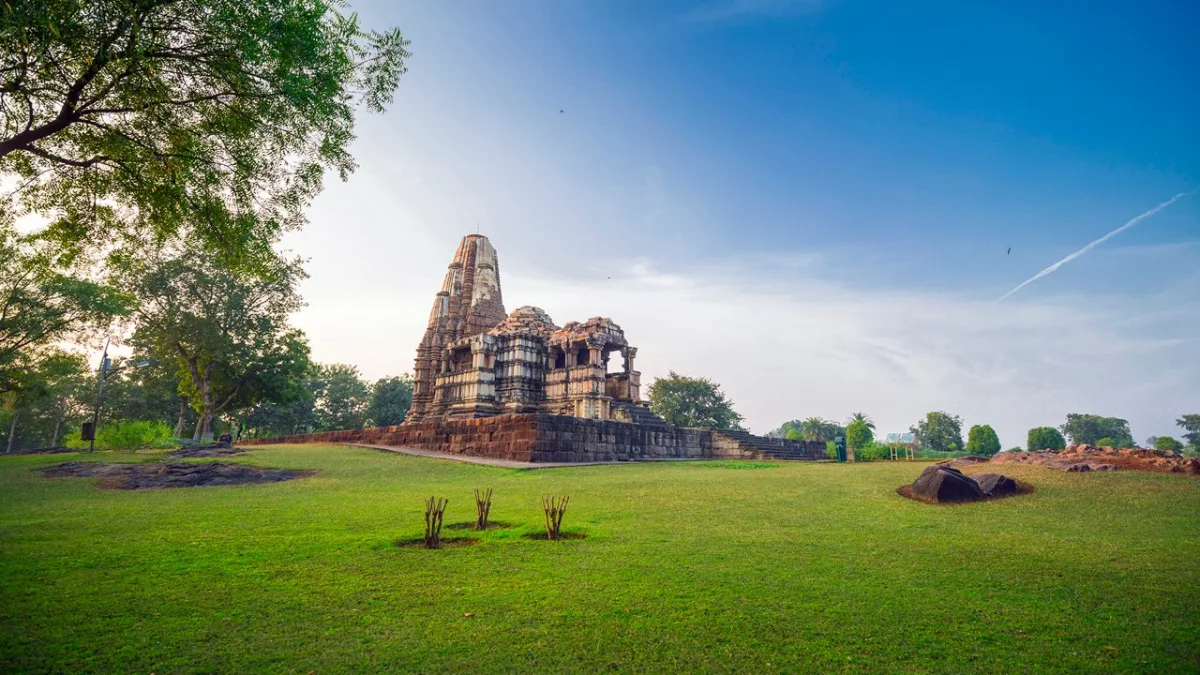
Dulhadeo Temple, Khajuraho, Madhya Pradesh, India

Dulhadeo Temple , Khajuraho
Visitors come to admire its intricate stone carvings, elegant Nagara-style architecture, and detailed sculptures that reflect the artistic traditions of the Chandela period. Built in the 12th century, it is among the last temples constructed in Khajuraho and forms part of the UNESCO-listed Khajuraho Group of Monuments.

Quick Facts About Dulhadeo Temple

Dulhadeo Temple Quick Facts

Entry Fee Included in the Khajuraho Group of Monuments entry ticket; Indian and foreign visitor rates vary as per ASI regulations.
Timings Generally open daily from sunrise to sunset.
Altitude (m) Approximately 280 m above sea level
Ideal Visit Duration 30–45 minutes
Best Time of Day Morning or late afternoon for comfortable sightseeing and photography
Crowd Level Low to moderate; generally less crowded than the Western Group of Khajuraho Temples
Distance from City Centre (km) Approximately 2 km from Khajuraho town centre
Walking Difficulty Easy
Parking Available Yes, parking facilities are available near the temple complex
Last Mile Access Direct road access followed by a short walk through the landscaped monument grounds
Suitable for Kids Yes
Suitable for Seniors Yes
Wheelchair Friendly Partially; the surrounding grounds are accessible, though access to the temple platform involves steps

Why Visit Dulhadeo Temple Khajuraho

Visitors come to Dulhadeo Temple to admire the intricate stone carvings and explore one of the last temples built during the Chandela period in Khajuraho.

The atmosphere is peaceful and less crowded than many of Khajuraho’s larger monuments, allowing visitors to appreciate the temple’s architectural details at a relaxed pace.

What makes Dulhadeo Temple distinct is its finely sculpted artwork, elegant depiction of divine and everyday themes, and its importance as one of the final masterpieces of Khajuraho’s temple-building tradition.

History of Dulhadeo Temple

Dulhadeo Temple is one of the last temples built in the Khajuraho Group of Monuments in Madhya Pradesh. Constructed during the late 11th to early 12th century under the Chandela dynasty, the temple is dedicated to Lord Shiva and represents the final phase of Khajuraho's remarkable temple-building tradition.

The temple is renowned for its intricate stone carvings, elegant sculptures, and refined architectural style, reflecting the artistic maturity achieved by Chandela craftsmen. Its walls and pillars feature depictions of deities, celestial figures, and ornamental motifs characteristic of Khajuraho's celebrated artistic heritage.

Today, Dulhadeo Temple forms an important part of the UNESCO-listed Khajuraho Group of Monuments, offering visitors insight into the architectural and cultural legacy of the Chandela kingdom.

Best Time to Visit Dulhadeo Temple

Dulhadeo Temple is best visited from October to March when the weather in Khajuraho is pleasant for exploring the temple complex and appreciating its intricate Chandela-era sculptures and architecture.
  • Ideal months: October to March is the most favorable period to visit Dulhadeo Temple, offering comfortable temperatures for heritage walks and sightseeing.
  • Weather conditions during the best season: Cool mornings, pleasant afternoons, and clear skies make it ideal for examining the temple’s detailed carvings, photography, and exploring other monuments within the Khajuraho Group of Temples.
  • Periods to avoid: April to June can be extremely hot, making daytime exploration less comfortable. During the monsoon season from July to September, occasional heavy rainfall may affect outdoor sightseeing, although the surrounding landscape becomes greener and more scenic.

How to Reach Dulhadeo Temple

  • Nearest Airport: Khajuraho Airport, located approximately 7 km from Dulhadeo Temple, is the nearest airport. Taxis and local transport are readily available for the short onward journey.
  • Nearest Railway Station: Khajuraho Railway Station, about 9 km away, is the nearest railway station and offers convenient connectivity to several major cities in central and northern India.
  • Road Access and Last-Mile Connectivity: Dulhadeo Temple is situated in the Southern Group of Khajuraho Temples and is easily accessible by road from the town center. Visitors can reach the temple by private vehicle, taxi, auto-rickshaw, bicycle, or local transport. The final approach is fully motorable, followed by a short walk through the archaeological complex. The site remains accessible throughout the year, with well-maintained roads and visitor facilities nearby.

What to Expect When You Visit Dulhadeo Temple

  • Environment and Surroundings: Dulhadeo Temple is one of the southernmost temples of the Khajuraho Group of Monuments, situated in a relatively quiet area surrounded by landscaped grounds and open spaces. The setting offers a calmer atmosphere compared to the more frequently visited Western Group temples.
  • Facilities and Amenities: Basic visitor facilities such as pathways, seating areas, and maintained gardens are available around the temple complex. Restaurants, shops, and additional tourist amenities are located in Khajuraho town rather than at the temple site.
  • Accessibility and Movement: The temple is easily accessible by road and can be explored on foot through well-maintained pathways. Movement around the monument is generally easy, with open areas and level walking surfaces.
  • Visitor Conditions: Visitors primarily come to observe the temple's intricate carvings, Nagara-style architecture, and historical significance. Crowd levels are usually lower than at Khajuraho's main temple clusters, allowing for a more relaxed sightseeing experience and easier photography opportunities.

Important Visitor Information for Dulhadeo Temple

  • Dulhadeo Temple is generally less crowded than the western group of Khajuraho temples, though visitor numbers increase during weekends, public holidays, and the peak tourist season from October to March.
  • Early morning and late afternoon hours usually offer a quieter experience and more comfortable conditions for exploring the temple's intricate stone carvings.
  • Winter provides the most pleasant weather for sightseeing, while summer afternoons can be hot and prolonged outdoor visits may be less comfortable.
  • No specific dress code is required, though modest attire and comfortable walking footwear are recommended while visiting this historic temple complex.
  • Visitors should avoid touching or climbing on the ancient sculptures, exercise caution on stone steps and uneven surfaces, and follow monument preservation guidelines.

Photography and Viewpoints at Dulhadeo Temple

  • The best photographs are captured from the landscaped grounds surrounding Dulhadeo Temple, where the complete temple structure, elegant shikhara, and detailed stone carvings can be framed together.
  • Early morning and late afternoon provide the most favorable lighting conditions, highlighting the intricate sculptures and architectural details while minimizing harsh shadows on the sandstone surfaces.
  • The temple's relatively secluded setting allows unobstructed views from multiple angles, making it easier to photograph the exterior architecture compared to busier monuments in the Khajuraho complex.
  • Close-up photography of the temple's finely carved apsaras, celestial figures, decorative panels, and sculptural bands is best undertaken during daylight hours when details are clearly visible.
  • The elevated platform around the temple offers excellent vantage points for capturing the symmetry and craftsmanship of one of Khajuraho's last major temple constructions.
  • Photography is generally permitted throughout the monument complex, though visitors should follow any guidelines issued by the Archaeological Survey of India regarding protected heritage sites.
  • Weekday mornings usually provide the quietest conditions for architectural photography, while weekends and peak tourism seasons may bring more visitors to the site.

Near By Attraction

 Temple

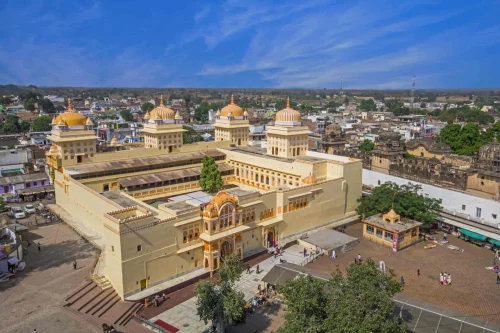
Ram Raja Temple

Ram Raja Temple is a unique Hindu temple in Orchha, Madhya Pradesh, where Lord Rama is worshipped as a king rather than solely as a deity.
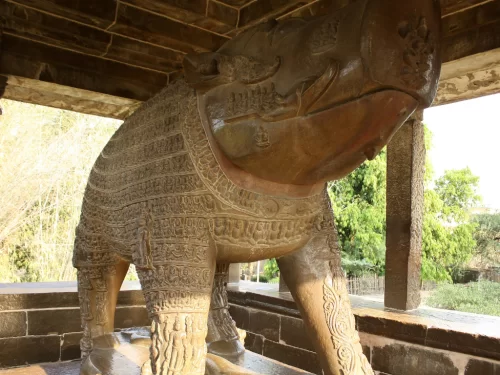
Varaha Temple Khajuraho monolithic boar Vishnu avatar sculpture, 2.6m sandstone carving 674 deities Chandela dynasty 900-925 AD Western Group UNESCO site, ideal Madhya Pradesh heritage tour package. Temple

Varaha Temple Khajuraho

Vishwanath Temple is a 10th-century Hindu temple dedicated to Lord Shiva, located in the Western Group of Temples at Khajuraho.
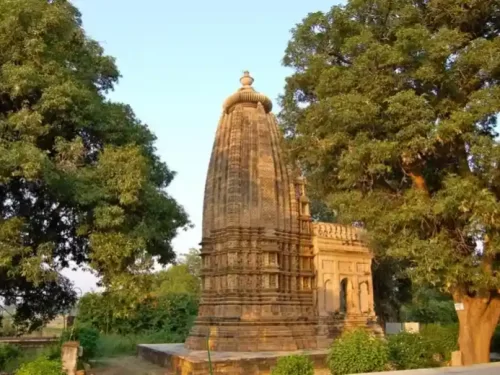
Asri Adinath Digambar Jain Mandir in Madhya Pradesh with intricately carved stone shikhara surrounded by lush trees, a serene heritage temple often featured in Madhya Pradesh tour packages. Temple

Sri Adinath Digambar Jain Mandir

Sri Adinath Digambar Jain Mandir in Khajuraho is a historic Jain temple dedicated to Lord Adinath.

Frequently Asked Questions About Dulhadeo Temple

Loved this place ? Let’s Plan Your Madhya Pradesh Trip

Get customized Madhya Pradesh tour planning designed around safari seasons, road travel distances, heritage site exploration time, and comfortable pacing across regions. Whether you are visiting for wildlife safaris, temple architecture, historical monume

⚡ Quick Response | 💰 Free consultation | 🕒 24×7 expert support

×

Plan Your Trip