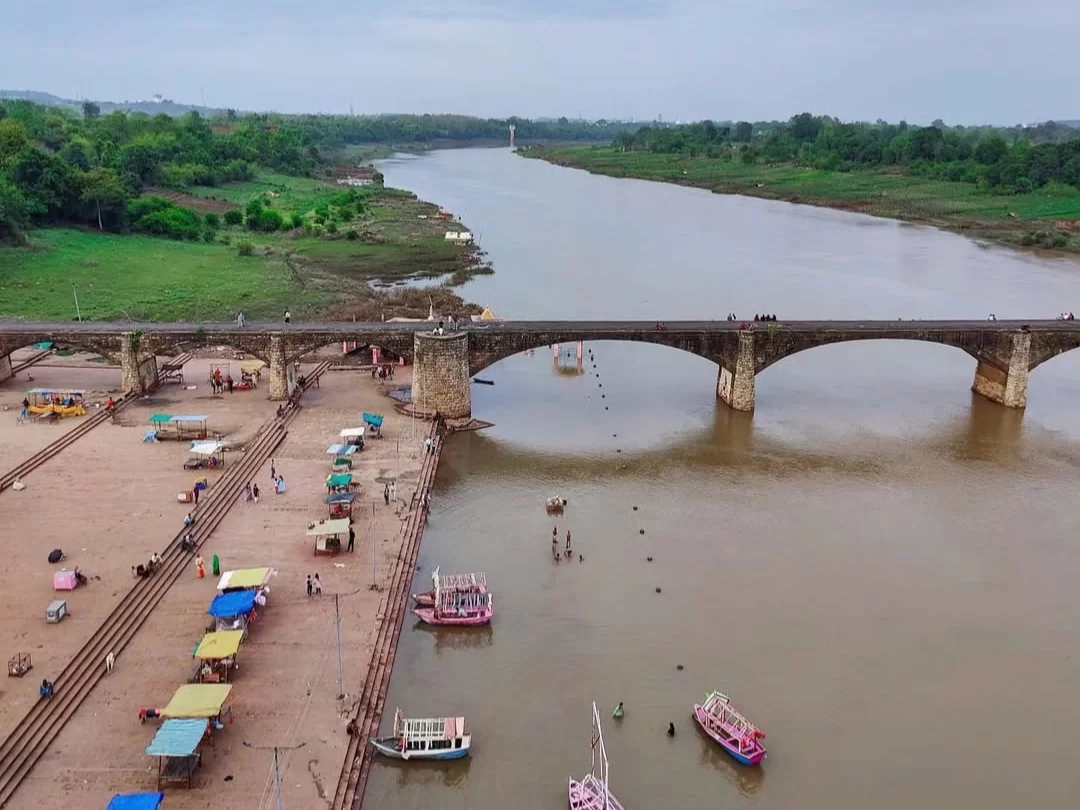
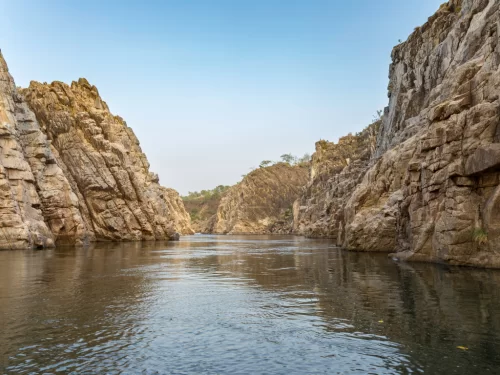
Tilwara Ghat in Jabalpur, Madhya Pradesh, India

Tilwara Ghat , Jabalpur
Tourists visit Tilwara Ghat for its calm riverside setting and its connection to the immersion of Mahatma Gandhi’s ashes in 1948. It is also used for religious rituals and local gatherings along the Narmada.

Quick Facts About Tilwara Ghat

Quick Facts for Tilwara Ghat, Jabalpur

Entry Fee Free (boat rides, if operating, are charged separately and vary by season)
Timings Open 24 hours; safest and most active during daylight
Altitude (m) Approx. 395 m
Ideal Visit Duration 45 minutes to 1.5 hours
Best Time of Day Early morning or evening
Crowd Level Moderate; higher on festivals, religious occasions, and weekends
Distance from City Centre (km) Approx. 9 km from Jabalpur city centre
Walking Difficulty Easy to moderate (stone steps leading to the river)
Parking Available Yes (informal parking areas near the ghat)
Last Mile Access Accessible by car/auto up to entrance; short walk and steps to riverbank
Suitable for Kids Yes (with close supervision near water)
Suitable for Seniors Partially (steps to the river may be challenging)
Wheelchair Friendly No (steps and uneven riverbank access)

Why Visit Tilwara Ghat

Visitors come to Tilwara Ghat in Jabalpur for its wide, open stretch along the Narmada River and its importance as one of the city’s most active riverfront ghats. It’s a place people visit for daily prayers, quiet time by the water, and to witness local rituals connected to the Narmada, especially during early mornings and evenings.

The on-ground atmosphere is peaceful but lived-in, with locals arriving for aarti, bathing, and temple visits, while small groups sit along the steps watching the river flow. The ghat feels spacious, with long stone platforms and an uninterrupted view of the Narmada, making it a comfortable spot to slow down without feeling crowded.

What makes Tilwara Ghat distinct for travelers is how naturally it blends spiritual routine with everyday life in Jabalpur. Unlike more curated tourist riverfronts, this is a working ghat where you can observe authentic river culture up close. The setting offers a grounded, local experience of the Narmada rather than a sightseeing stop.

History of Tilwara Ghat

Tilwara Ghat, located on the banks of the Narmada River in Jabalpur, is a site of both historical and national significance. It is widely known as the place where the ashes of Mahatma Gandhi were immersed in February 1948, following his assassination. A memorial pillar at the ghat marks this solemn event, making it an important landmark in India’s modern history.

Beyond its association with Mahatma Gandhi, Tilwara Ghat has long been a traditional riverfront used for religious rituals and ceremonies along the Narmada. Devotees visit the ghat to perform prayers and immerse ashes, reflecting the river’s enduring spiritual importance in central India.

Today, Tilwara Ghat serves as a place of remembrance and reflection, drawing visitors who wish to pay tribute to Mahatma Gandhi while also experiencing the calm and sacred atmosphere of the Narmada riverbank. Its blend of national history and ongoing religious practice makes it a meaningful stop for travelers in Jabalpur.

Best Time to Visit Tilwara Ghat, Jabalpur

The best time to visit Tilwara Ghat in Jabalpur is from October to March, when the weather stays cool and dry, making it ideal for a calm riverside walk, morning prayers, and watching the Narmada flow without monsoon swelling.

  • Ideal months: October to March, especially November to February for the most pleasant mornings and evenings by the river.
  • Weather conditions during the best season: Expect comfortable temperatures usually between 12°C and 26°C, with clear skies and low humidity—great for spending time on the steps, taking photos, and exploring nearby riverfront spots.
  • Periods to avoid: June to September, as monsoon rains can make the ghat steps slippery and the Narmada may run high and fast; April to early June can be very hot in Jabalpur, reducing comfort for longer outdoor stays.

How to Reach Tilwara Ghat Jabalpur

  • Nearest Airport: The nearest airport to Tilwara Ghat is Jabalpur Airport (JLR), located approximately 25 km away. The airport operates regular domestic flights to Delhi, Mumbai, Hyderabad, and other major cities. From the airport, taxis are the most convenient option, with a travel time of around 45–60 minutes depending on traffic.
  • Nearest Railway Station: Jabalpur Junction (JBP) is about 9–10 km from Tilwara Ghat. It is a major railway station in Madhya Pradesh with strong connectivity to cities like Delhi, Mumbai, Kolkata, Bhopal, and Varanasi. Auto-rickshaws, taxis, and city buses are available outside the station.
  • Road Access: Tilwara Ghat is well connected by road and lies along the Jabalpur–Bargi route. It is approximately 9 km from Jabalpur city center and can be reached in 20–25 minutes by private vehicle or taxi. Roads are generally in good condition, but traffic can slow movement during weekends and religious occasions.
  • Last-Mile Connectivity: Taxis and auto-rickshaws provide direct access up to the ghat entrance. Limited parking is available near the riverbank. During festivals and peak hours, vehicles may need to be parked slightly away, requiring a short walk to the main steps leading down to the Narmada River.

What to Expect When You Visit Tilwara Ghat Jabalpur

Tilwara Ghat in Jabalpur is a historically significant riverfront on the banks of the Narmada River. Known for its role in India’s freedom movement and as a site for religious rituals, it functions more as a working ghat than a landscaped tourist attraction.

  • Environment and surroundings: The ghat consists of broad stone steps leading down to the Narmada River. The setting is open and exposed, with wide river views and minimal natural shade. You will often see flowing water levels change depending on the season, especially after the monsoon. The atmosphere is calm during early mornings but becomes more active later in the day with ritual activities and local visitors.
  • Facilities and amenities: Facilities are basic. You may find small stalls selling flowers, incense, and ritual items near the entrance. Permanent tourist infrastructure such as cafés, guided interpretation centers, or structured viewing decks is not present. Restroom availability can be limited or basic, so plan accordingly. Carry drinking water, especially during summer months when temperatures in Jabalpur can rise significantly.
  • Accessibility and movement: Tilwara Ghat is accessible by road and can be reached by auto-rickshaw, taxi, or private vehicle. The main challenge is the descent down the stone steps to reach the water. The steps can be uneven or slippery, particularly during monsoon or after ritual water use. Visitors with mobility concerns may find it difficult to access the lower levels of the ghat.
  • Typical visitor behavior and conditions: Visitors include pilgrims performing puja, families conducting rituals, and locals gathering in the evenings. Early mornings often see devotees taking ritual baths. The atmosphere is respectful but not silent, as religious chanting and community interaction are common. During major Hindu festivals and auspicious dates, the ghat becomes crowded, and movement along the steps can slow considerably.

Important Visitor Information for Tilwara Ghat Jabalpur

  • Crowd and Weather Notes: Tilwara Ghat, situated on the banks of the Narmada River in Jabalpur, sees steady local footfall, especially during religious occasions, Kartik Purnima, and other Narmada-related festivals. Evenings are typically busier due to aarti gatherings and family visits. Summers are hot and dry, while winters are pleasant and ideal for spending more time by the river. During the monsoon, the Narmada’s water level rises significantly, and river currents become strong.
  • Peak and Quiet Visiting Hours: The ghat is busiest in the early evening around sunset and during festival mornings when devotees gather for rituals and holy dips. For a quieter experience, visit early in the morning shortly after sunrise, when the atmosphere is calm and less crowded.
  • Dress Code: There is no enforced dress code, but as Tilwara Ghat is an active religious site where people perform rituals and take holy dips, modest attire is appropriate. If participating in rituals or entering the water, carry a change of clothes and wear footwear that is easy to remove.
  • Safety Notes and Practical Cautions: Exercise extreme caution near the river, particularly during the monsoon season when water flow can be powerful and unpredictable. The stone steps leading into the river can be slippery due to algae and moisture. Avoid venturing into deeper sections of the river without local guidance. Keep personal belongings secure during crowded events, and supervise children closely near the water’s edge.

Photography and Viewpoints in Tilwara Ghat Jabalpur

Tilwara Ghat in Jabalpur is one of the most visually distinctive ghats on the Narmada River, known for its wide steps, calm riverfront atmosphere, and its historical connection to Mahatma Gandhi’s ashes immersion. The combination of river rituals, open sky, and long sightlines across the Narmada makes it a strong location for cultural and landscape photography.
  • Best Viewpoints for Photography: The best wide-angle frames come from the upper steps looking diagonally across the ghat, where the layered stair lines lead down to the water. Standing close to the river edge gives clean compositions of the Narmada with boats and distant banks in the background. For heritage-focused shots, the memorial elements and riverfront structures are best captured from mid-level steps, where the architecture and water remain balanced in the frame.
  • Lighting Conditions and Time-of-Day Considerations: Sunrise is the strongest time for photography at Tilwara Ghat, with soft light across the water and a higher chance of calm reflections. Late afternoon is also photogenic, especially when the sun drops low and the steps take on warm tones. Midday light can be extremely bright on the open steps, creating hard shadows and washed-out highlights on the pale stone surfaces.
  • Rules and Restrictions: Photography is generally allowed at Tilwara Ghat, but visitors should avoid photographing individuals during rituals without permission, particularly during prayer, bathing, or ceremonies. Flash photography is inappropriate near worship areas and can disturb the atmosphere. If there are local police or municipal staff present during events, follow any crowd-control instructions that may restrict movement on the steps.
  • Crowd and Access Factors: The ghat is busiest during early morning bathing times, religious festivals, and on weekends, which can limit clean architectural shots but adds authentic documentary moments. For quieter frames, visit shortly after sunrise on a weekday. The steps can be slippery near the waterline, especially during monsoon season or when algae forms, so access to the lowest steps may be limited for safety.

Near By Attraction

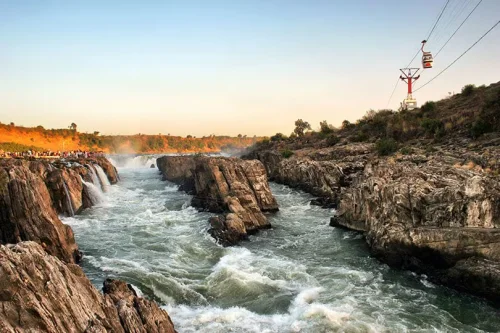
Marble Rocks canyon at Bhedaghat Jabalpur during clear afternoon, featuring towering white cliffs and serene Narmada River, perfect adventure experience in Madhya Pradesh tour package. Tourist Attraction

Marble Rocks

Marble Rocks is a natural gorge of white and multicolored marble cliffs along the Narmada River at Bhedaghat.
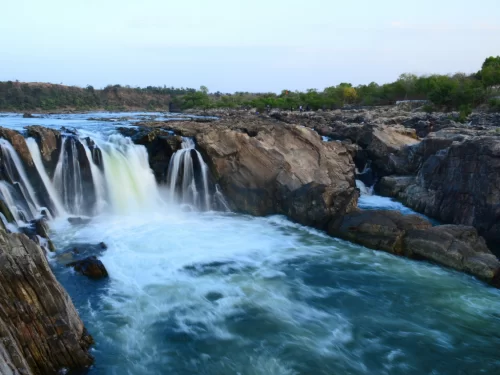
Dhuandhar Falls at Bhedaghat Jabalpur during sunset twilight, featuring Narmada River cascades through marble gorges and lush banks, perfect adventure experience in Madhya Pradesh tour package. Waterfall

Dhuandhar Waterfall

Dhuandhar Waterfall is a major waterfall on the Narmada River, famous for its misty spray and loud roar.

Giant Lord Shiva statue at Kachnar City Shiva Temple in Jabalpur, seated in meditation with trident and tiger-skin base, a prominent spiritual landmark featured in Madhya Pradesh tour packages Temple

Kachnar City Shiva Temple

Kachnar City Shiva Temple, located in Jabalpur, Madhya Pradesh, India, is a prominent Hindu temple known for its massive statue of Lord Shiva.

Frequently Asked Questions About Tilwara Ghat

Tilwara Ghat is located on the banks of the Narmada River in Jabalpur, Madhya Pradesh. It is situated around 10 to 12 kilometers from the main city area.
Tilwara Ghat is open throughout the day and can be visited from early morning until evening. Sunrise and sunset are the most preferred times for a peaceful visit.
There is no entry fee to visit Tilwara Ghat. Visitors can access the ghat area freely without purchasing tickets.
Visitors can reach Tilwara Ghat by taxi, auto rickshaw, or private vehicle from Jabalpur in Madhya Pradesh. Local transport options are easily available within the city.
Boating is not a major activity at Tilwara Ghat compared to other nearby river spots. The ghat is mainly visited for relaxation and river views.
The best time to visit Tilwara Ghat is between October and March when the weather in Jabalpur, Madhya Pradesh is pleasant. Early mornings offer a calm and less crowded environment.
Most visitors spend about 30 to 60 minutes at Tilwara Ghat enjoying the riverfront and peaceful surroundings. Additional time may be spent during local events or gatherings.
Tilwara Ghat is suitable for family visits and offers an open space for relaxation by the river. Visitors should supervise children near the water for safety.
Basic food stalls may be available near Tilwara Ghat depending on the time of visit. Restroom facilities are limited, so planning in advance is recommended.
Parking is available near Tilwara Ghat for cars and two wheelers. Space is generally sufficient on weekdays but may be crowded during festivals and weekends.

Loved this place ? Let’s Plan Your Madhya Pradesh Trip

Get customized Madhya Pradesh tour planning designed around safari seasons, road travel distances, heritage site exploration time, and comfortable pacing across regions. Whether you are visiting for wildlife safaris, temple architecture, historical monume

⚡ Quick Response | 💰 Free consultation | 🕒 24×7 expert support

×

Plan Your Trip