+91 9910402252
admin@chalbanjare.com


| Entry Fee | No separate entry fee for the temple itself but access to the Khajuraho Eastern Group of Monuments requires an ASI ticket with standard charges for Indian and foreign visitors |
|---|---|
| Timings | Open daily during daylight hours generally from 6 00 AM to 6 00 PM |
| Altitude (m) | Located at approximately 280 meters above sea level in Khajuraho, Madhya Pradesh |
| Ideal Visit Duration | Thirty minutes to one hour to explore the temple carvings and Jain shrine |
| Best Time of Day | Early morning for peaceful surroundings and soft lighting on sculptures or late afternoon for comfortable visit |
| Crowd Level | Moderate crowds with lighter flow compared to the Western Group temples |
| Distance from City Centre (km) | About one to two kilometers from Khajuraho town center and bus stand |
| Walking Difficulty | Low walking difficulty with short paved paths inside the Eastern Group complex |
| Parking Available | Yes parking available near the Eastern Group monument entrance |
| Last Mile Access | Taxi auto rickshaw and local transport available to Khajuraho monument entrance followed by short walk to the temple |
| Suitable for Kids | Yes suitable for children with supervision and interest in cultural heritage |
| Suitable for Seniors | Yes generally suitable with minimal walking and easy access |
| Wheelchair Friendly | Partially wheelchair accessible on main paved routes though some stone surfaces may be uneven |
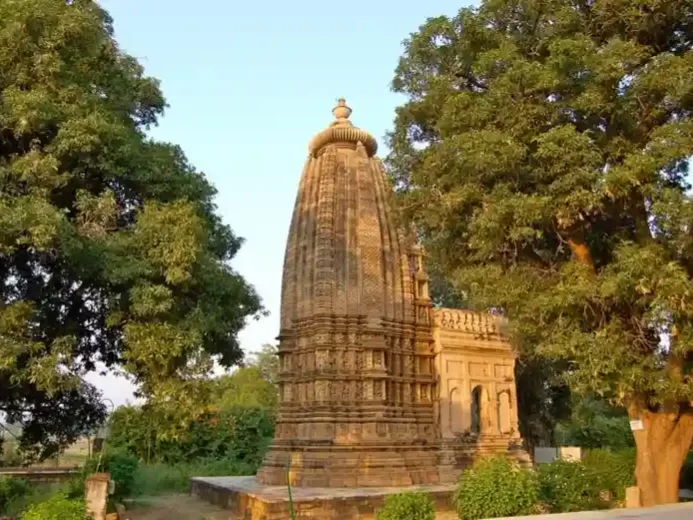
Atmosphere at Sri Adinath Digambar Jain Mandir in Khajuraho is peaceful and spiritually uplifting, offering a tranquil setting within the Eastern Group of Jain temples. The temple complex is comparatively less crowded, allowing visitors to experience its architectural grace and devotional environment without distraction. The calm surroundings, landscaped gardens, and soft sandstone hues create a serene ambiance ideal for reflection and quiet exploration.
What makes Sri Adinath Digambar Jain Mandir special is its dedication to Lord Adinath, the first Tirthankara of Jainism, and its refined Chandela-era craftsmanship dating back to the 11th century. The temple showcases elegant Nagara-style architecture with beautifully carved pillars, intricate motifs, and sculptural panels that reflect both Jain philosophy and regional artistic traditions. While modest in scale compared to the larger Hindu temples of Khajuraho, its detailed ornamentation and spiritual significance make it a remarkable example of medieval Jain temple architecture.
Beyond its artistic beauty, the temple represents the religious diversity and cultural harmony that characterized the Chandela period. It appeals to history enthusiasts, architecture admirers, and spiritual travelers seeking insight into Jain heritage within a UNESCO World Heritage setting. Visiting Sri Adinath Digambar Jain Mandir provides a meaningful understanding of Jain devotional traditions and the architectural excellence that defines Khajuraho’s global legacy.
Sri Adinath Digambar Jain Mandir in Khajuraho, Madhya Pradesh, was constructed in the late 11th century during the reign of the Chandela dynasty. Dedicated to Lord Adinath, the first Tirthankara of Jainism, the temple forms part of the Eastern Group of Khajuraho monuments and reflects the religious diversity that flourished under Chandela patronage.
Architecturally, the temple follows the Nagara style and shares similarities with the Hindu temples of Khajuraho, showcasing the harmonious coexistence of different faiths during the medieval period. The sanctum houses an image of Lord Adinath, and the exterior walls are adorned with finely carved sculptures of divine figures, celestial beings, and ornamental motifs. While the sculptural program includes traditional Khajuraho-style detailing, the central focus remains on Jain spiritual ideals of renunciation and enlightenment.
Sri Adinath Digambar Jain Mandir stands as an important testament to the artistic excellence and religious inclusivity of the Chandela era. Today, it continues to attract pilgrims, historians, and visitors who seek to explore Khajuraho’s architectural brilliance alongside its rich Jain heritage.
The best time to visit Sri Adinath Digambar Jain Mandir in Khajuraho depends on weather conditions and visitor comfort, as the temple complex is open and best explored on foot. Choosing the right season enhances both spiritual reflection and architectural appreciation.
October to March is considered the ideal period to visit. During these months, Khajuraho experiences cool and pleasant weather, making it comfortable to explore the Jain temple complex and admire the intricate carvings and serene surroundings without exposure to extreme heat.
Summer months from April to June can be quite hot, especially during midday hours. Early morning or late afternoon visits are recommended during this season to avoid high temperatures while experiencing peaceful darshan and quiet exploration.
Monsoon season from July to September brings refreshing rainfall that enhances the greenery around the temple site. While humidity may increase, the atmosphere becomes calm and less crowded, offering a serene environment for visitors.
 Temple
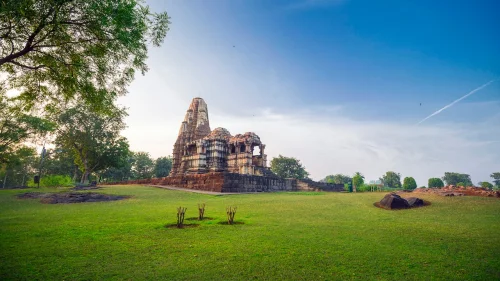
Dulhadeo Temple is a historic Hindu temple dedicated to Lord Shiva, located in the southern group of monuments at Khajuraho, Madhya Pradesh.
 Temple
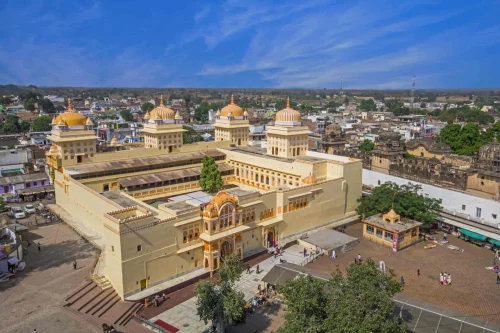
Ram Raja Temple is a unique Hindu temple in Orchha, Madhya Pradesh, where Lord Rama is worshipped as a king rather than solely as a deity.
 Temple
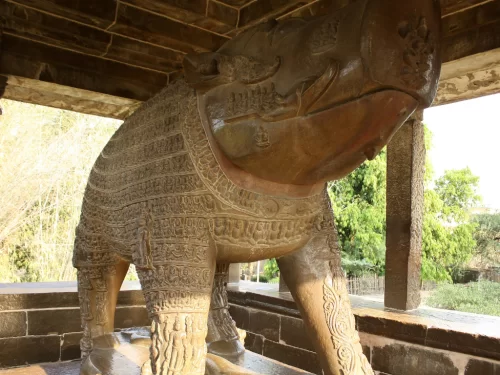
Vishwanath Temple is a 10th-century Hindu temple dedicated to Lord Shiva, located in the Western Group of Temples at Khajuraho.
Get customized Madhya Pradesh tour planning designed around safari seasons, road travel distances, heritage site exploration time, and comfortable pacing across regions. Whether you are visiting for wildlife safaris, temple architecture, historical monume
⚡ Quick Response | 💰 Free consultation | 🕒 24×7 expert support

