Bhagwan Parshvanath Digambar Jain Mandir Khajuraho – Largest Jain Temple in the Complex

Bhagwan Parshvanath Digambar Jain Mandir , Khajuraho
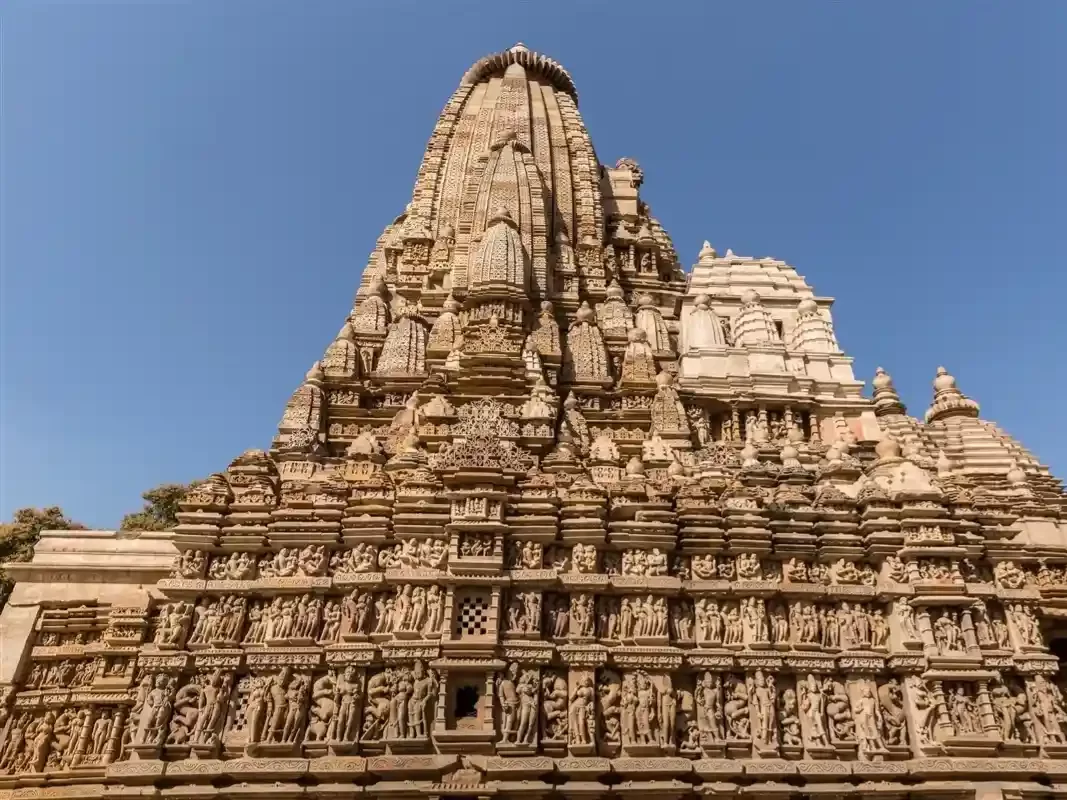
Located in the Eastern Group of Khajuraho temples, this 10th-century temple is dedicated to Lord Parshvanath, the 23rd Tirthankara of Jainism. Built during the Chandela dynasty, the temple is admired for its intricate carvings, detailed sculptures, and refined architectural style that closely resembles the Hindu temples of Khajuraho. As part of the UNESCO World Heritage Site complex, it holds great religious and historical importance for devotees and visitors alike.

Quick Facts About Bhagwan Parshvanath Digambar Jain Mandir

Quick Facts About Bhagwan Parshvanath Digambar Jain Mandir Khajuraho

Entry Fee No separate entry fee for the temple itself but access to the Khajuraho Eastern Group of Monuments requires an ASI ticket with standard charges for Indian and foreign visitors
Timings Open daily from sunrise to sunset generally around 6 00 AM to 6 00 PM
Altitude (m) Located at approximately 280 meters above sea level in Khajuraho, Madhya Pradesh
Ideal Visit Duration Forty five minutes to one hour to explore the temple carvings and Jain shrine
Best Time of Day Early morning for peaceful surroundings and soft lighting on sculptures or late afternoon for comfortable viewing
Crowd Level Moderate crowds with lighter flow compared to the Western Group temples
Distance from City Centre (km) About one to two kilometers from Khajuraho town center and bus stand
Walking Difficulty Low walking difficulty with short paved paths inside the Eastern Group complex
Parking Available Yes parking available near the Eastern Group monument entrance
Last Mile Access Taxi auto rickshaw and local transport available to Khajuraho monument entrance followed by short walk to the temple
Suitable for Kids Yes suitable for children with supervision and interest in heritage architecture
Suitable for Seniors Yes generally suitable with minimal walking and easy access
Wheelchair Friendly Partially wheelchair accessible on main paved routes though some stone platforms may have steps

Why Visit Bhagwan Parshvanath Digambar Jain Mandir, Khajuraho

Atmosphere at Bhagwan Parshvanath Digambar Jain Mandir in Khajuraho is serene and spiritually enriching, offering a calm environment within the Eastern Group of Jain temples. Surrounded by landscaped grounds and away from the busiest sections of the complex, the temple allows visitors to experience its architectural beauty in a peaceful setting. The warm sandstone structure, illuminated by natural light, enhances the contemplative ambiance, making it ideal for thoughtful exploration and quiet reflection.

What makes Bhagwan Parshvanath Digambar Jain Mandir special is its distinction as the largest and most elaborately decorated Jain temple in Khajuraho, dating back to the 10th–11th century during the Chandela dynasty. Although originally dedicated to Lord Adinath, it is now associated with Lord Parshvanath, the 23rd Tirthankara of Jainism. The temple showcases refined Nagara-style architecture, intricate carvings of celestial beings, graceful figures, and symbolic motifs that reflect both Jain spiritual philosophy and regional artistic excellence. Its sculptural details demonstrate the high level of craftsmanship achieved during Khajuraho’s golden architectural period.

Beyond its artistic significance, the temple represents the religious diversity and harmonious coexistence of faiths during the Chandela era. It appeals to history enthusiasts, architecture admirers, scholars of Jain heritage, and cultural travelers seeking deeper insight into India’s medieval temple traditions. Visiting Bhagwan Parshvanath Digambar Jain Mandir offers a meaningful blend of heritage, devotion, and architectural mastery within the UNESCO World Heritage landscape of Khajuraho.

History of Bhagwan Parshvanath Digambar Jain Mandir, Khajuraho

Bhagwan Parshvanath Digambar Jain Mandir in Khajuraho, Madhya Pradesh, was built in the mid to late 10th century during the reign of the Chandela dynasty. It is the largest and most prominent of the Jain temples in Khajuraho and was originally dedicated to Adinath before being associated with Lord Parshvanath, the 23rd Tirthankara of Jainism. The temple reflects the religious tolerance and artistic patronage that flourished under Chandela rule.

Architecturally, the temple follows the Nagara style and showcases refined proportions, intricate carvings, and a well-planned layout consisting of a sanctum, vestibule, and mandapa. The outer walls are richly adorned with detailed sculptures of celestial beings, apsaras, musicians, and symbolic motifs. Unlike many other Khajuraho temples, the sculptural themes here focus more on grace and ornamentation rather than explicit imagery, highlighting a distinct aesthetic approach.

As part of the UNESCO World Heritage-listed Khajuraho Group of Monuments, Bhagwan Parshvanath Digambar Jain Mandir stands as an enduring symbol of medieval Jain devotion and Chandela craftsmanship. It continues to attract pilgrims, historians, and art enthusiasts who seek to understand the architectural brilliance and spiritual legacy of Khajuraho.

Best Time to Visit Bhagwan Parshvanath Digambar Jain Mandir Khajuraho

The best time to visit Bhagwan Parshvanath Digambar Jain Mandir in Khajuraho depends on seasonal weather conditions, as the temple complex is open and best explored on foot. Choosing the right time ensures a peaceful spiritual experience along with comfortable sightseeing.

October to March is considered the ideal period to visit. During these months, Khajuraho enjoys cool and pleasant weather, making it comfortable to explore the detailed carvings, serene temple surroundings, and the Jain temple complex without exposure to extreme heat.

Summer months from April to June can be quite hot, particularly during midday hours. Early morning or late afternoon visits are recommended during this season to avoid high temperatures while experiencing calm darshan and uninterrupted exploration.

Monsoon season from July to September brings refreshing rainfall that enhances the greenery around the temple site. While humidity levels may rise, the atmosphere becomes quieter and less crowded, offering a serene environment for visitors.
  • October to March for pleasant weather and comfortable temple visits
  • April to June for early morning or evening visits to avoid heat
  • July to September for lush surroundings and fewer tourists
  • Early mornings are ideal for peaceful darshan and photography
  • Weekdays generally offer a calmer experience than weekends

How to Reach Bhagwan Parshvanath Digambar Jain Mandir, Khajuraho

  • By Air: The nearest airport is Khajuraho Airport, located approximately 5 km from Bhagwan Parshvanath Digambar Jain Mandir. The airport offers regular flight connectivity with cities such as Delhi and Varanasi. From the airport, taxis and auto-rickshaws are easily available for a short ride to the Eastern Group of Temples complex.
  • By Train: Khajuraho Railway Station is about 6 km from the temple and connects to major cities including Delhi, Jhansi, and Varanasi. Visitors can hire taxis or auto-rickshaws from the station for convenient last-mile access to the temple site.
  • By Road: Khajuraho is well connected by road to nearby cities like Jhansi (around 175 km), Satna (about 120 km), and Chhatarpur (around 45 km). State transport buses, private taxis, and self-drive vehicles provide smooth and comfortable access to the town.
  • Local Transport: Within Khajuraho, taxis, auto-rickshaws, cycle rickshaws, and rental bicycles are commonly used for short-distance travel. Bhagwan Parshvanath Digambar Jain Mandir is part of the Eastern Group of Temples and is easily accessible by road with minimal walking required.

What to Expect When You Visit Bhagwan Parshvanath Digambar Jain Mandir Khajuraho

  • Immersive surroundings that reflect the true natural, cultural, or spiritual character of the destination, offering a peaceful and enriching travel experience.
  • Well-maintained visitor pathways and accessible viewing points designed to provide comfortable exploration while preserving the authenticity of the location.
  • Opportunities to engage with local traditions, regional architecture, or natural landscapes, allowing travelers to gain deeper cultural understanding.
  • Scenic photo spots and panoramic viewpoints that highlight the area’s unique beauty throughout different times of the day.
  • Informational boards, guides, or locally available assistance that help visitors learn the historical or environmental importance of the site.
  • Seasonal changes in atmosphere, crowd levels, and visual appeal, ensuring a different yet memorable experience depending on the time of visit.
  • Nearby amenities such as refreshment stalls, rest areas, or small markets offering local flavors and handicrafts.
  • A calm and respectful environment that allows visitors to fully absorb the significance and charm of the destination.

Important Visitor Information & Safety Notes of Bhagwan Parshvanath Digambar Jain Mandir Khajuraho

  • Crowd & Peak Hours: The temple sees steady visitor flow during peak tourist season (October to March) and weekends. Early mornings are generally quieter for a peaceful visit.
  • Weather Notes: Summers can be hot, winters are pleasant for sightseeing, and monsoon months may make the stone surfaces slippery.
  • Dress Code: Wear modest and respectful clothing appropriate for a Jain temple. Comfortable footwear is recommended, but shoes must be removed before entering the shrine.
  • Safety Tips: Maintain silence inside the premises, avoid touching delicate carvings, walk carefully on stone platforms, and keep personal belongings secure during your visit.

Photography and Viewpoints at Bhagwan Parshvanath Digambar Jain Mandir, Khajuraho

  • The temple’s richly carved sandstone façade offers exceptional opportunities for detailed architectural and heritage photography.
  • Intricate sculptural panels depicting Jain Tirthankaras, celestial figures, dancers, and ornamental motifs allow for compelling close-up compositions.
  • Soft morning and late afternoon lighting enhances the warm hues of the stone, highlighting depth, texture, and fine craftsmanship.
  • Wide-angle photography from the temple courtyard captures the elegant shikhara rising gracefully against the open sky.
  • The relatively tranquil setting of the Eastern Group of Temples enables clean and symmetrical framing without heavy crowds.
  • Seasonal greenery surrounding the complex adds natural contrast, enriching landscape and cultural photography perspectives.

Near By Attraction

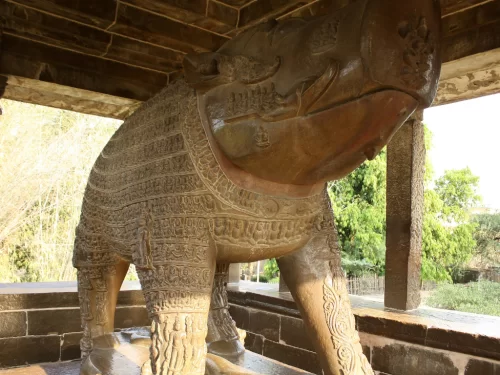
Varaha Temple Khajuraho monolithic boar Vishnu avatar sculpture, 2.6m sandstone carving 674 deities Chandela dynasty 900-925 AD Western Group UNESCO site, ideal Madhya Pradesh heritage tour package. Temple

Varaha Temple Khajuraho

Vishwanath Temple is a 10th-century Hindu temple dedicated to Lord Shiva, located in the Western Group of Temples at Khajuraho.

Asri Adinath Digambar Jain Mandir in Madhya Pradesh with intricately carved stone shikhara surrounded by lush trees, a serene heritage temple often featured in Madhya Pradesh tour packages. Temple

Sri Adinath Digambar Jain Mandir

Sri Adinath Digambar Jain Mandir in Khajuraho is a historic Jain temple dedicated to Lord Adinath.

Lakshmana Temple Khajuraho sunset golden hour Western Group UNESCO site, Nagara-style Vaikuntha Vishnu shrine intricate carvings Chandela dynasty 930-950 AD, perfect Madhya Pradesh heritage temple tour package. Temple

Lakshmana Temple

Lakshmana Temple in Khajuraho is one of the earliest and most magnificent temples of the Western Group.

Frequently Asked Questions About Bhagwan Parshvanath Digambar Jain Mandir

Bhagwan Parshvanath Digambar Jain Mandir is located in Khajuraho, Madhya Pradesh, within the Eastern Group of Jain Temples. It is easily accessible by road from the main town area.
Bhagwan Parshvanath Digambar Jain Mandir is generally open from sunrise to sunset. Daytime visits are recommended for peaceful darshan and clear architectural viewing.
There is usually no separate entry fee to visit Bhagwan Parshvanath Digambar Jain Mandir. Visitors can enter the temple premises freely during open hours.
Visitors can reach Bhagwan Parshvanath Digambar Jain Mandir by taxi, auto rickshaw, or private vehicle within Khajuraho, Madhya Pradesh. The nearest railway station and airport are located in Khajuraho.
Parking is available near the Eastern Group of Temples complex close to Bhagwan Parshvanath Digambar Jain Mandir. Parking charges may apply depending on vehicle type.
The best time to visit Bhagwan Parshvanath Digambar Jain Mandir is between October and March when the weather in Khajuraho, Madhya Pradesh is pleasant. Morning hours offer a calm and comfortable experience.
Most travelers spend about 30 to 45 minutes at Bhagwan Parshvanath Digambar Jain Mandir while exploring the Jain temple complex. Additional time may be needed for detailed observation of carvings.
Bhagwan Parshvanath Digambar Jain Mandir is suitable for family visits and welcomes devotees of all age groups. The temple ????? has manageable walking areas for senior citizens.
Photography is generally allowed in the outer premises of Bhagwan Parshvanath Digambar Jain Mandir. Visitors should avoid taking photos inside restricted prayer areas.
Restroom facilities are available near the Eastern Group of Temples complex close to Bhagwan Parshvanath Digambar Jain Mandir. Several restaurants and cafes are located nearby in Khajuraho town.

Loved this place ? Let’s Plan Your Madhya Pradesh Trip

Get customized Madhya Pradesh tour planning designed around safari seasons, road travel distances, heritage site exploration time, and comfortable pacing across regions. Whether you are visiting for wildlife safaris, temple architecture, historical monume

⚡ Quick Response | 💰 Free consultation | 🕒 24×7 expert support

×

Plan Your Trip