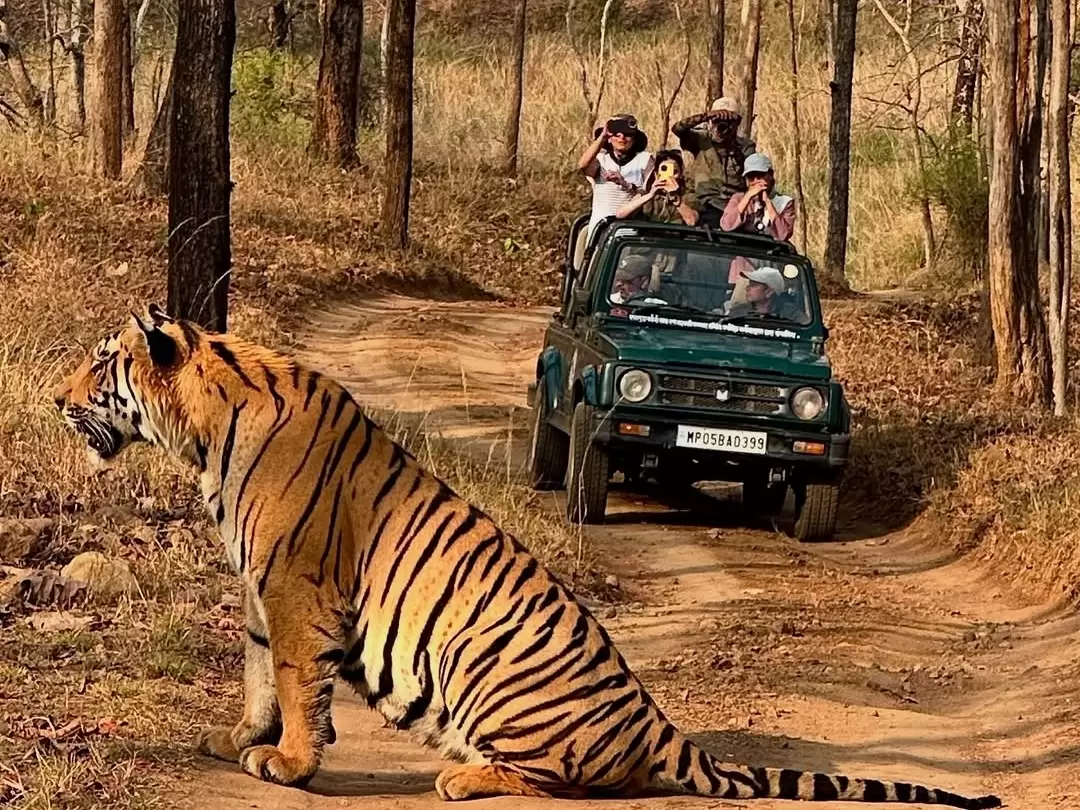
Satpura National Park, Madhya Pradesh, India

Satpura National Park , Bhopal
Tourists visit for jeep safaris, walking safaris, and boat safaris to observe wildlife such as leopards, sloth bears, Indian bison, and diverse bird species. The park is also valued for its quieter zones and less crowded forest routes compared to other major tiger reserves.

Quick Facts About Satpura National Park

Quick Facts about Satpura National Park

Entry Fee Varies by zone and safari type; forest permit and safari vehicle charges apply separately
Timings Safari timings vary seasonally; usually morning and afternoon slots as per forest department schedule
Altitude (m) Approx. 300–1,350 m across the Satpura range
Ideal Visit Duration 1–2 days for safaris and nature activities
Best Time of Day Early morning and late afternoon safari hours
Crowd Level Low to moderate compared to major tiger reserves
Distance from City Centre (km) Varies: approx. 45 km from Pachmarhi, ~50 km from Pipariya
Walking Difficulty Varies by activity; walking safaris require moderate fitness
Parking Available Yes, at main entry gates and safari points
Last Mile Access Forest roads; entry only via registered safari vehicles
Suitable for Kids Yes, for jeep and boat safaris (age rules may apply)
Suitable for Seniors Yes, for vehicle safaris; limited suitability for walking safaris
Wheelchair Friendly No

Why Visit Satpura National Park

Visitors come to Satpura National Park for low-density wildlife safaris, diverse forest landscapes, and the chance to experience multiple safari formats including jeep, boat, walking, and canoe safaris.

The on-ground atmosphere is quiet and forest-dominated, with dense sal and teak forests, river systems, and open meadows creating a more secluded and less commercial safari environment than most central Indian parks.

What makes Satpura distinct is its controlled tourism model, mixed-terrain access, and permission-based walking safaris, offering a more immersive and regulation-driven wildlife experience compared to standard jeep-only reserves.

History of Satpura National Park

Satpura National Park was established in 1981 as part of the Satpura range conservation landscape in central India, with forest protection roots linked to earlier colonial-era forest management zones.

In 1999, the park became a core component of the Satpura Tiger Reserve, along with Bori Wildlife Sanctuary (established in 1955) and Pachmarhi Wildlife Sanctuary, forming a large, connected protected forest ecosystem.

The region’s conservation history is shaped by long-term forest preservation, regulated access, and wildlife protection policies rather than settlement-based or religious development.

Best Time to Visit Satpura National Park

Satpura National Park is best visited during the dry and cool wildlife-viewing season when forest tracks are accessible and animal movement is higher around water sources.
  • Ideal months: October to March
  • Best season conditions: Pleasant daytime temperatures, clear forest trails, good visibility for safaris, and higher chances of wildlife sightings near rivers and watering areas
  • Periods to avoid: July to September due to monsoon closure of core zones, flooded tracks, and restricted safari access; peak summer in May–June can be extremely hot with limited visitor comfort

How to Reach Satpura National Park

  • Nearest airport: Bhopal Airport (Raja Bhoj Airport), approx. 190 km away; regular flights connect Bhopal with major Indian cities. From the airport, travel is by road to Madhai or Pachmarhi side entry points.
  • Nearest railway station: Pipariya Railway Station, approx. 55 km away; well-connected to Bhopal, Jabalpur, Delhi, and Mumbai. Taxis and local vehicles are available for onward travel.
  • Road access and last-mile connectivity: Access is primarily via Madhai village (main entry gate). Roads from Pipariya and Bhopal are motorable but include forest and rural stretches. Last-mile access to forest lodges and safari gates is by local jeeps or resort vehicles; public transport is limited near the park boundaries.

What to Expect When You Visit Satpura National Park

  • Environment and surroundings: Dense sal forests, riverine landscapes along the Denwa River, rocky terrain, and hilly forest zones with limited open grasslands compared to central Indian tiger reserves.
  • Facilities and amenities: Basic forest department infrastructure at entry points like Madhai, limited food options inside the buffer zone, and accommodation mainly through forest rest houses and private eco-lodges outside core areas.
  • Accessibility and movement: Movement is strictly regulated through permitted safari routes, walking trails with forest guides, boat safaris, and jeep safaris; independent exploration inside core areas is not allowed.
  • Typical visitor behavior and conditions: Quiet, low-volume tourism with nature-focused visitors, limited crowds compared to larger parks, early morning and afternoon safari schedules, and minimal commercial activity inside the forest zone.

Important Visitor Information for Satpura National Park

  • Crowd and weather notes: Visitor numbers remain relatively low compared to other central Indian parks; summers (April–June) are hot and dry, while monsoon months bring heavy rain and restricted access in many zones.
  • Peak and quiet visiting hours: Peak movement occurs during morning (sunrise) and afternoon safari slots; mid-day hours are quiet as park movement is restricted and safari gates remain closed.
  • Dress code: No formal dress code, but neutral-colored clothing is commonly used for safaris; long sleeves and covered footwear are practical for forest trails and boat activities.
  • Safety notes and practical cautions: Entry is only with permits and authorized guides; mobile network is unreliable inside forest areas, movement is route-restricted, and visitors must follow forest department rules strictly due to wildlife presence.

Photography and Viewpoints at Satpura National Park

  • Best viewpoints and angles: Riverbanks along the Denwa River, boat safari routes, and forest tracks in Madhai and Churna zones offer clear lines of sight for wildlife, birdlife, and landscape photography.
  • Lighting and time of day: Early morning safaris provide soft light and misty forest conditions, while late afternoon offers warm light along river corridors and grasslands.
  • Photography rules and restrictions: Photography is allowed during safaris, but drone use is prohibited; filming or commercial photography requires special forest department permissions.
  • Crowd and access factors: Limited daily safari permits and controlled vehicle movement reduce crowding, but access is restricted to designated routes and zones only.

Near By Attraction

Floral entrance sign of Italian Garden Government Botanical Garden Ooty Udhagamandalam Nilgiris Tamil Nadu India crafted with green shrubs yellow flower letters surrounded by vibrant flower beds hedges terracotta walls lush hillside backdrop, perfect Nilg Garden

Italian Garden

The Italian Garden, located in Bhopal, Madhya Pradesh, India, is a well-designed garden featuring European-style landscaping.

Tribal Museum in Bhopal, Madhya Pradesh, showcasing traditional tribal art and architecture, a cultural highlight included in Madhya Pradesh tour packages Museum

Tribal Museum

Madhya Pradesh Tribal Museum in Bhopal showcases the vibrant traditions and lifestyles of indigenous communities.

Van Vihar National Park in Bhopal, Madhya Pradesh, with a serene sunset view over the lake and trees, a scenic wildlife experience often included in Madhya Pradesh tour packages. National Park

Van Vihar National Park Bhopal

Van Vihar National Park in Bhopal is a protected wildlife area located alongside the scenic Upper Lake.

Frequently Asked Questions About Satpura National Park

Satpura National Park is located in Narmadapuram district of Madhya Pradesh, near Pachmarhi and approximately 180 km from Bhopal. It forms part of the larger Satpura Tiger Reserve.
Safari timings at Satpura National Park are divided into morning and afternoon shifts. Exact entry and exit times vary by season as regulated by the forest department.
The entry fee for Satpura National Park includes safari permit charges, vehicle fees, and guide fees. Prices vary depending on safari type and visitor category.
Visitors can reach Satpura National Park by road from Bhopal, Pipariya, or Pachmarhi. The nearest railway station is Pipariya, and Bhopal has the closest major airport.
Online safari booking is available for Satpura National Park through the official forest department portal. Advance reservations are recommended during peak travel seasons.
The best time to visit Satpura National Park is between October and June. Summer months often provide better wildlife sighting opportunities due to animal movement near water sources.
Satpura National Park is home to tigers, leopards, sloth bears, gaur, deer species, crocodiles, and diverse birdlife. Wildlife sightings depend on season and safari timing.
Most travelers spend 2 to 3 days exploring Satpura National Park to experience jeep safaris, boat rides, and walking safaris.
Private vehicles are not allowed inside Satpura National Park for safaris. Visitors must use authorized safari vehicles operated under forest department supervision.
Various accommodation options are available near Satpura National Park ranging from budget lodges to wildlife resorts. Most stays are located near the Madhai gate area.

Loved this place ? Let’s Plan Your Madhya Pradesh Trip

Get customized Madhya Pradesh tour planning designed around safari seasons, road travel distances, heritage site exploration time, and comfortable pacing across regions. Whether you are visiting for wildlife safaris, temple architecture, historical monume

⚡ Quick Response | 💰 Free consultation | 🕒 24×7 expert support

×

Plan Your Trip