Quick Facts About Birla Mandir Bhopal
Birla Mandir Bhopal Quick Facts
| Entry Fee | No entry fee |
| Timings | Generally open from 6:00 AM to 12:00 PM and 2:00 PM to 8:00 PM; timings may vary on festivals and special occasions. |
| Altitude (m) | Approximately 527 m above sea level |
| Ideal Visit Duration | 45 minutes–1.5 hours |
| Best Time of Day | Early morning or evening for temple rituals and views of Upper Lake |
| Crowd Level | Moderate; higher during weekends, Janmashtami, and major Hindu festivals |
| Distance from City Centre (km) | Approximately 3 km from New Market, Bhopal city centre |
| Walking Difficulty | Easy |
| Parking Available | Yes, parking facilities are available within the temple premises |
| Last Mile Access | Direct road access to the temple entrance via Arera Hills |
| Suitable for Kids | Yes |
| Suitable for Seniors | Yes |
| Wheelchair Friendly | Partially; main approach areas are accessible, though some sections may involve steps |
Why Visit Birla Mandir Bhopal
Visitors come to Birla Mandir Bhopal to offer prayers, admire its hilltop setting, and enjoy views of the city and nearby lakes from one of Bhopal’s prominent religious landmarks.
The atmosphere is peaceful and well-maintained, with devotees and visitors spending time in the temple complex, especially during the morning and evening prayer hours.
What makes Birla Mandir distinct is its elevated location on Arera Hills, its modern temple architecture, and the panoramic viewpoints that provide a broad perspective of Bhopal’s urban and natural landscape.
History of Birla Mandir Bhopal
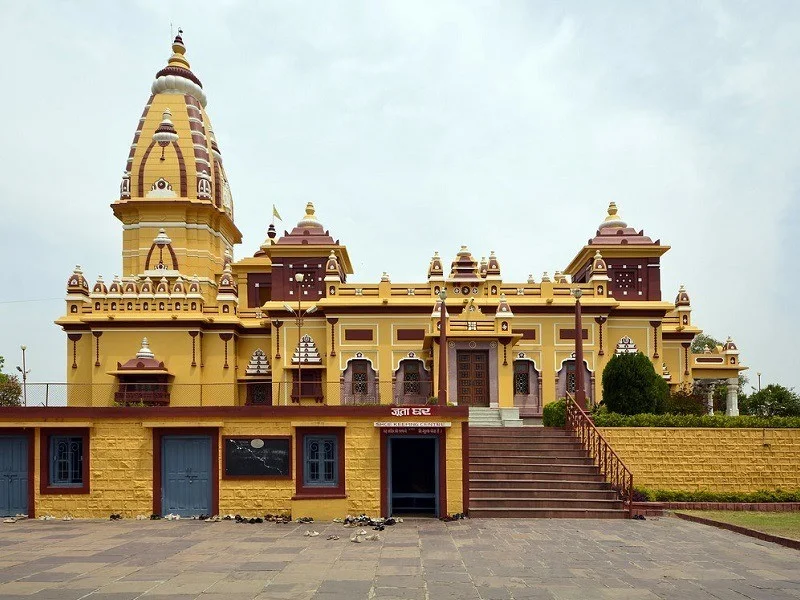
Birla Mandir Bhopal, also known as Lakshmi Narayan Temple, was built by the Birla family and inaugurated in 1964. Dedicated to Lord Vishnu and Goddess Lakshmi, the temple stands on Arera Hills and is one of the most prominent modern Hindu temples in Bhopal.
The temple is known for its clean architectural design and elevated location overlooking the city. Within the temple complex, visitors can also find a museum displaying sculptures and artifacts from various periods of Madhya Pradesh's history, adding cultural significance to this important place of worship.
Best Time to Visit Birla Mandir Bhopal
Birla Mandir Bhopal is best visited during the cooler months when the weather is pleasant for temple visits and enjoying panoramic views of the city and Upper Lake from the hilltop location.
- Ideal months: October to March is the most comfortable period to visit Birla Mandir, offering favorable conditions for sightseeing and religious visits.
- Weather conditions during the best season: Days are generally pleasant with clear skies and comfortable temperatures, making it easier to explore the temple complex and enjoy the surrounding city views.
- Periods to avoid: April to June can be very hot, especially during the afternoon. July to September brings monsoon rainfall, which may occasionally affect outdoor exploration around the temple grounds.
How to Reach Birla Mandir Bhopal
- Nearest Airport: Raja Bhoj Airport, located approximately 12 km from Birla Mandir Bhopal, is the nearest airport. Taxis and app-based cabs are readily available for the onward journey.
- Nearest Railway Station: Bhopal Junction Railway Station, about 6 km away, is the nearest major railway station. Rani Kamlapati Railway Station is another convenient railhead with extensive connectivity.
- Road Access and Last-Mile Connectivity: Birla Mandir is situated on Arera Hills in central Bhopal and is easily accessible by private vehicles, taxis, auto-rickshaws, and local buses. The approach road is fully motorable and well maintained, with parking available near the temple complex. Visitors can reach the temple entrance with minimal walking.
What to Expect When You Visit Birla Mandir Bhopal
- Environment and Surroundings: Birla Mandir is situated on Arera Hills, offering elevated views of Bhopal and nearby lakes. The temple complex has a peaceful atmosphere, with landscaped grounds and a setting that combines religious significance with city panoramas.
- Facilities and Amenities: Basic visitor amenities, including parking and drinking water facilities, are available within the temple premises. Additional food outlets and services can be found in the surrounding urban area.
- Accessibility and Movement: The temple is easily accessible by road from central Bhopal. Visitors can reach the main shrine with minimal walking, though some steps and gentle inclines are present within the complex.
- Visitor Conditions: The temple attracts both devotees and tourists throughout the day. Crowd levels are generally higher during evenings, weekends, and major Hindu festivals, while the hilltop location provides a quieter experience during non-peak hours.
Important Visitor Information for Birla Mandir Bhopal
- Birla Mandir attracts the highest number of devotees and visitors during weekends, major Hindu festivals, and evening prayer hours.
- Early mornings generally offer a quieter atmosphere for worship and sightseeing, while evenings tend to be busier due to temple visits and city views from the hilltop location.
- The temple remains accessible throughout the year, though summer afternoons in Bhopal can be quite warm and may be less comfortable for extended outdoor visits.
- Modest attire is recommended inside the temple premises, and visitors must remove footwear before entering the main shrine area.
- Visitors should maintain silence and decorum within the temple complex, follow photography restrictions where applicable, and take care on stairways and elevated viewpoints around the site.
Photography and Viewpoints at Birla Mandir Bhopal
- The elevated location on Arera Hills provides some of the best viewpoints in Bhopal, with panoramic views of the city skyline and the Upper Lake visible from the temple grounds.
- Wide-angle photographs are best captured from the open terraces and landscaped areas surrounding the temple, where the white marble structure stands prominently against the city backdrop.
- Early morning offers softer light and a peaceful atmosphere, while late afternoon and sunset create favorable conditions for photographing the temple and distant lake views.
- The temple’s marble architecture, carved pillars, and ornate entrances are best photographed during daylight hours when intricate details are clearly visible.
- Photography is generally permitted in the exterior areas of the complex, but photography inside the main prayer hall or sanctum may be restricted. Visitors should follow temple guidelines.
- The elevated viewpoints can become busy during evenings, weekends, and religious occasions, which may affect access to popular photography spots.
- Drone photography may be subject to local regulations and permissions due to the temple’s urban location and proximity to government and residential areas.