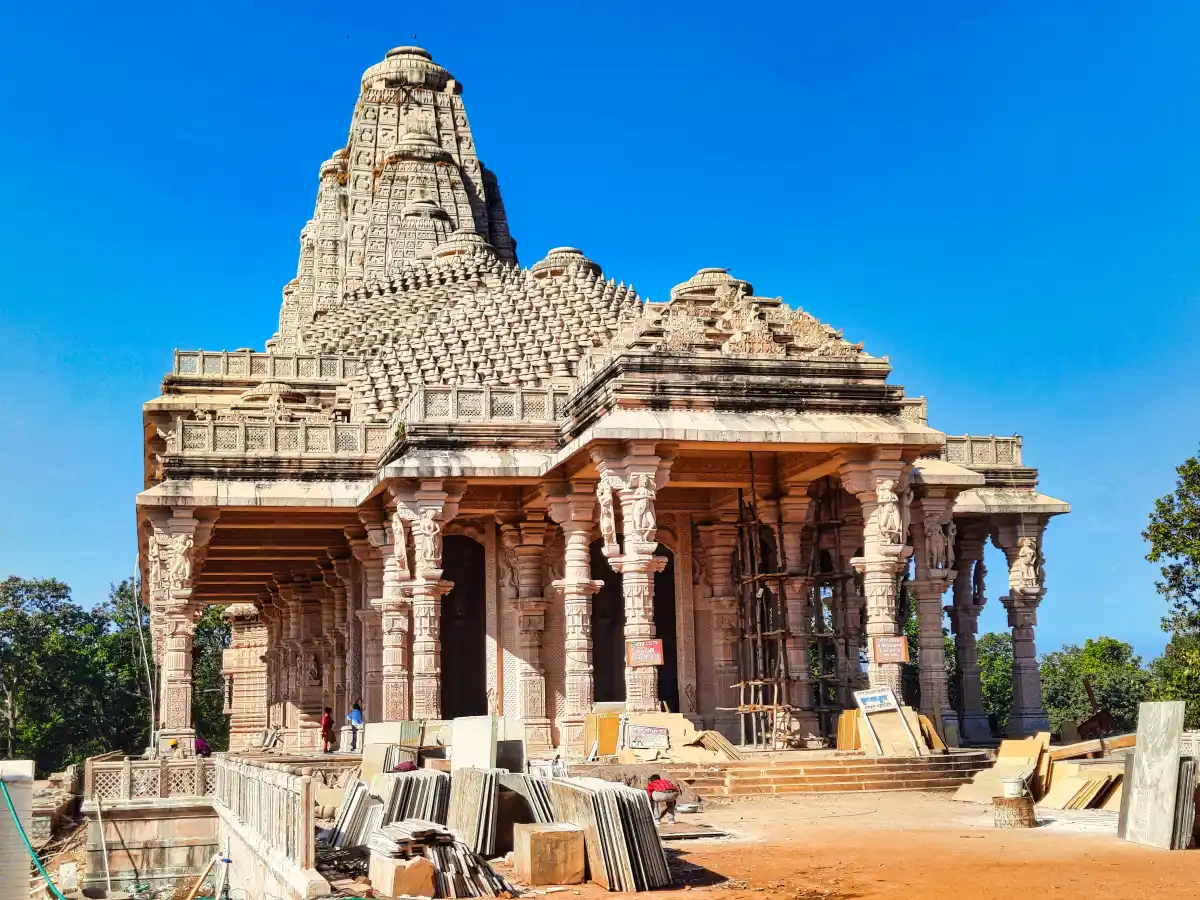
Sarvodaya Digambar Jain Temple, Amarkantak, Madhya Pradesh, India

Sarvodaya Digambar Jain Temple , Amarkantak
Visitors come to admire its large-scale temple architecture, intricate stone craftsmanship, and significant Jain religious heritage. The temple complex is known for housing one of the world\'s largest Ashtadhatu idols of Lord Adinath and serves as an important spiritual destination near the source region of the Narmada River.

Quick Facts About Sarvodaya Digambar Jain Temple

Sarvodaya Digambar Jain Temple Quick Facts

Entry Fee No entry fee
Timings Generally open from sunrise to sunset; darshan timings may vary during religious events and festivals.
Altitude (m) Approximately 230 m above sea level
Ideal Visit Duration 30–60 minutes
Best Time of Day Morning for peaceful darshan and comfortable weather
Crowd Level Low to moderate; higher during Mahavir Jayanti and major Jain festivals
Distance from City Centre (km) Approximately 1 km from Orchha town centre
Walking Difficulty Easy
Parking Available Limited parking available near the temple premises
Last Mile Access Direct road access followed by a short walk to the temple entrance
Suitable for Kids Yes
Suitable for Seniors Yes
Wheelchair Friendly Partially; main areas are relatively accessible, though some sections may have steps and uneven surfaces

Why Visit Sarvodaya Digambar Jain Temple

Visitors come to Sarvodaya Digambar Jain Temple to experience a prominent Jain place of worship known for its peaceful surroundings, spiritual significance, and well-maintained temple complex.

The atmosphere is calm and contemplative, with devotees engaging in prayer, meditation, and religious observances in a serene environment.

What makes Sarvodaya Digambar Jain Temple distinct is its dedication to Digambar Jain traditions, elegant temple architecture, and its role as a center for spiritual practice and community worship.

History of Sarvodaya Digambar Jain Temple

Sarvodaya Digambar Jain Temple is an important Jain place of worship dedicated to the principles and traditions of the Digambar sect of Jainism. The temple was established to serve the spiritual needs of the Jain community and continues to be a center for prayer, religious ceremonies, and the study of Jain teachings.

The temple reflects the longstanding presence of Jainism in central India, a region that has been home to numerous Jain pilgrimage sites and religious institutions for centuries. Its architecture and sacred spaces are designed to promote devotion, meditation, and the values of non-violence, self-discipline, and spiritual growth emphasized in Jain philosophy.

Today, Sarvodaya Digambar Jain Temple remains a respected religious landmark, attracting devotees and visitors interested in Jain culture, traditions, and spiritual heritage.

Best Time to Visit Sarvodaya Digambar Jain Temple

Sarvodaya Digambar Jain Temple is best visited from October to March when the weather is pleasant for spiritual visits, temple exploration, and spending time in the peaceful surroundings without the discomfort of extreme summer temperatures.
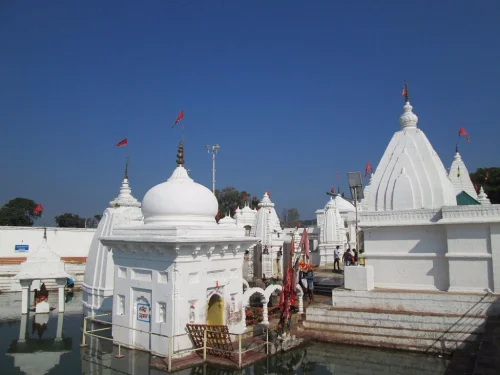
  • Ideal months: October to March is the most favorable period to visit Sarvodaya Digambar Jain Temple, offering comfortable conditions for darshan, meditation, and sightseeing.
  • Weather conditions during the best season: Cool mornings, mild afternoons, and clear skies create an ideal atmosphere for exploring the temple complex, participating in religious activities, and appreciating its architecture and spiritual ambiance.
  • Periods to avoid: April to June can be extremely hot in much of central and northern India, making daytime visits less comfortable. During major Jain festivals and religious gatherings, the temple may experience increased visitor numbers and longer waiting times.

How to Reach Sarvodaya Digambar Jain Temple

  • Nearest Airport: Raja Bhoj Airport, Bhopal, located approximately 55 km from Sarvodaya Digambar Jain Temple in Kundalpur, is the nearest airport. Visitors can hire taxis or use private vehicles for the onward journey.
  • Nearest Railway Station: Damoh Railway Station, about 35 km away, is the nearest railway station and offers rail connectivity to major cities in Madhya Pradesh and central India.
  • Road Access and Last-Mile Connectivity: Sarvodaya Digambar Jain Temple is situated within the renowned Kundalpur Jain pilgrimage complex near Damoh. The temple is well connected by road from Damoh, Jabalpur, Sagar, and Bhopal. Private vehicles, taxis, and local transport can reach the temple complex directly. The final approach is fully motorable, followed by a short walk within the pilgrimage premises. During major Jain festivals and religious gatherings, visitor traffic may be significantly higher.

What to Expect When You Visit Sarvodaya Digambar Jain Temple

  • Environment and Surroundings: Sarvodaya Digambar Jain Temple offers a serene spiritual environment dedicated to Jain religious traditions. Visitors can expect peaceful surroundings, well-maintained temple premises, intricate marble work, and an atmosphere focused on prayer, meditation, and contemplation.
  • Facilities and Amenities: Basic visitor facilities such as drinking water, resting areas, and shoe storage arrangements are generally available within or near the temple complex. Additional food and accommodation options are typically located in the surrounding town or city area.
  • Accessibility and Movement: The temple is accessible by road and can be explored comfortably on foot. Internal movement is usually straightforward, with designated pathways connecting prayer halls, courtyards, and temple structures.
  • Visitor Conditions: Visitors are expected to maintain silence, dress modestly, and follow Jain religious customs within the premises. Photography restrictions may apply in certain sacred areas, and crowd levels generally remain moderate except during important Jain festivals and religious gatherings.

Important Visitor Information for Sarvodaya Digambar Jain Temple

  • Sarvodaya Digambar Jain Temple receives higher visitor numbers during Jain festivals, religious observances, weekends, and special community gatherings.
  • Early morning hours generally provide the most peaceful atmosphere for ?????, prayer, and meditation, while activity may increase during festival periods and evening rituals.
  • The temple remains accessible throughout the year, though visitors should expect larger crowds during major Jain celebrations and auspicious occasions.
  • Modest and respectful attire is expected within the temple premises. Footwear must be removed before entering the sacred areas, and leather items may be discouraged.
  • Visitors should maintain silence inside prayer halls, follow temple customs, and avoid photography in restricted areas or during religious ceremonies unless permitted.

Photography and Viewpoints at Sarvodaya Digambar Jain Temple

  • The best photographs are captured from the temple forecourt and landscaped surroundings, where the elegant Jain architecture, ornate domes, and finely crafted marble details can be framed together.
  • Early morning provides soft natural light and a peaceful atmosphere, making it ideal for photographing the temple exterior before visitor activity increases.
  • The elevated sections of the complex offer attractive viewpoints of the temple structure and its serene surroundings, particularly during clear weather conditions.
  • The temple's intricate carvings, decorative pillars, domes, and marble craftsmanship are best photographed during daylight hours when details are clearly visible.
  • Photography is generally permitted in the exterior areas of the temple complex, but restrictions may apply inside prayer halls and sanctified spaces. Visitors should follow instructions issued by temple authorities.
  • Religious events, Jain festivals, and special ceremonies can increase visitor numbers and may temporarily limit access to certain photography locations.
  • Tripods, commercial photography equipment, videography setups, and drone operations may require prior permission and may be restricted within the temple premises.

Near By Attraction

 Tourist Attraction

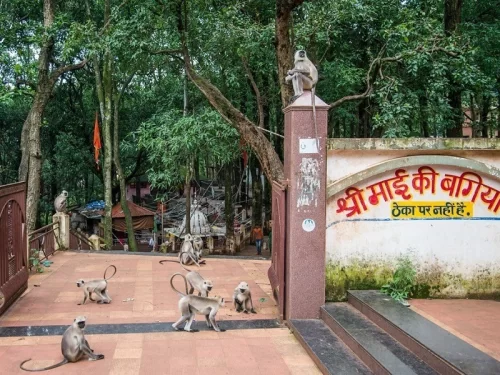
Mai Ki Bagiya

Mai Ki Bagiya is a sacred garden and pilgrimage site located in Amarkantak, Madhya Pradesh, closely associated with the Narmada River and local religious traditions.

 Waterfall

Doodh Dhara Waterfall

Doodh Dhara Waterfall is a scenic waterfall located downstream of Kapildhara Waterfall near Amarkantak in Madhya Pradesh.

 Waterfall

Kapildhara Waterfall

Kapildhara Waterfall is a prominent waterfall on the Narmada River located near Amarkantak in Madhya Pradesh.

Frequently Asked Questions About Sarvodaya Digambar Jain Temple

Loved this place ? Let’s Plan Your Madhya Pradesh Trip

Get customized Madhya Pradesh tour planning designed around safari seasons, road travel distances, heritage site exploration time, and comfortable pacing across regions. Whether you are visiting for wildlife safaris, temple architecture, historical monume

⚡ Quick Response | 💰 Free consultation | 🕒 24×7 expert support

×

Plan Your Trip