Quick Facts About Narmada Udgam Sthan
Narmada Udgam Sthan, Amarkantak Quick Facts
| Entry Fee | Free |
|---|---|
| Timings | Generally open from 5:00 AM–9:00 PM; timings may vary during festivals and special religious occasions. |
| Altitude (m) | Approximately 1,048 m |
| Ideal Visit Duration | 1–2 hours |
| Best Time of Day | Early morning or evening for peaceful darshan and participation in aarti. |
| Crowd Level | Moderate on regular days; high during Narmada Jayanti, festivals, and holiday periods. |
| Distance from City Centre (km) | Approximately 1 km from Amarkantak town centre. |
| Walking Difficulty | Easy; the temple complex and kund area are accessible by paved pathways. |
| Parking Available | Yes, parking areas are available near the temple complex. |
| Last Mile Access | Accessible by road up to the temple area, followed by a short walk to Narmada Kund. |
| Suitable for Kids | Yes |
| Suitable for Seniors | Yes; the main area is easily accessible, though care is needed on crowded days. |
| Wheelchair Friendly | Partially; the main approach is accessible, but some areas around the kund and temple may have steps. |
Why Visit Narmada Udgam Sthan, Amarkantak, Madhya Pradesh
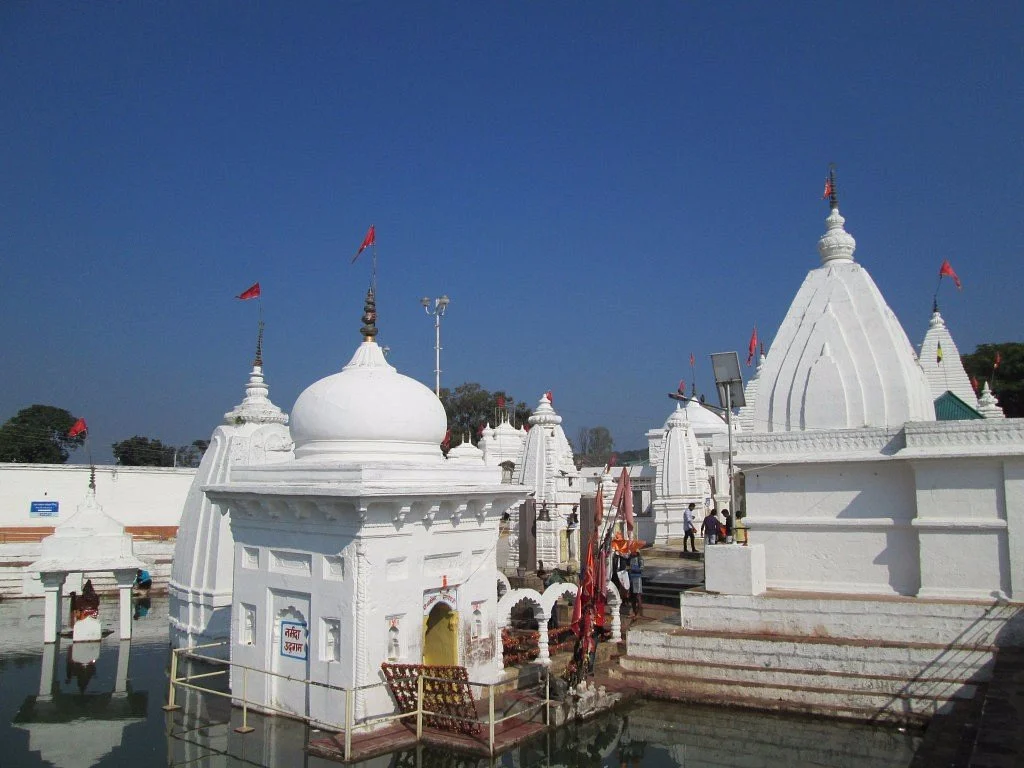
Visitors come to Narmada Udgam Sthan to see the origin point of the Narmada River, one of India's most revered rivers. The site is an important pilgrimage destination where devotees visit the sacred kund from which the river is believed to emerge.
The atmosphere is peaceful and devotional, with temple structures, flowing water, and the surrounding greenery of the Amarkantak plateau creating a calm setting. Pilgrims perform prayers and rituals near the kund, while visitors explore the nearby temples and natural surroundings.
What makes Narmada Udgam Sthan distinct is its importance as the source of the Narmada River and its location in the scenic Maikal mountain range. The combination of religious significance, natural surroundings, and cultural traditions makes it one of the most notable places to visit in Amarkantak.
History of Narmada Udgam Sthan, Amarkantak, Madhya Pradesh
Narmada Udgam Sthan is the sacred source of the Narmada River, located in Amarkantak in the Anuppur district of Madhya Pradesh. The site has been revered for centuries as the origin of one of India's holiest rivers and is an important pilgrimage destination in central India. While the natural spring itself has no documented historical origin, the temple complex surrounding it has been developed and maintained by various rulers and devotees over time.
The site holds immense religious significance in Hindu tradition, where the Narmada River is worshipped as Goddess Narmada. Pilgrims begin the sacred Narmada Parikrama from this location, and the Udgam Kund (source tank) remains the focal point of worship. The temple complex also includes several shrines dedicated to Hindu deities, reflecting the site's long-standing spiritual importance.
Today, Narmada Udgam Sthan continues to be one of the most important pilgrimage sites in Madhya Pradesh. Devotees and visitors come to witness the river's sacred origin, participate in religious rituals, and experience the spiritual atmosphere of Amarkantak, where the Vindhya and Satpura ranges meet.
Best Time to Visit Narmada Udgam Sthan, Amarkantak, Madhya Pradesh
The best time to visit Narmada Udgam Sthan is from October to March, when the weather in Amarkantak is pleasant for exploring the origin point of the Narmada River and nearby religious attractions. The monsoon season also offers lush green surroundings but may affect outdoor movement due to rainfall.
- Ideal months: October to March for comfortable sightseeing, temple visits, and exploring the natural surroundings of Amarkantak.
- Best season conditions: Cool and pleasant weather allows visitors to explore Narmada Kund, nearby temples, and walking areas around the pilgrimage site comfortably.
- Periods to avoid: July to September due to monsoon rainfall, which can cause slippery pathways and occasional travel difficulties. Peak festival periods may also attract larger crowds and longer waiting times for darshan.
How to Reach Narmada Udgam Sthan, Madhya Pradesh
- Nearest Airport: The nearest airport is Jabalpur Airport, approximately 230 km from Narmada Udgam Sthan in Amarkantak. Taxis are available from Jabalpur, though the journey involves travel through hilly forest routes.
- Nearest Railway Station: Pendra Road Railway Station in Chhattisgarh, about 40 km away, is the nearest railway station. Anuppur Railway Station, around 70 km away, is another option with better connectivity to nearby cities. Taxis and buses are available from both stations to Amarkantak.
- By Road: Narmada Udgam Sthan is located in Amarkantak, Anuppur district, Madhya Pradesh. Amarkantak is connected by road with Anuppur, Shahdol, Pendra Road, Bilaspur, and Jabalpur through state highways and local roads. Regular buses and private taxis operate to Amarkantak. The temple area is located near the town centre and can be reached easily by local transport or a short walk. Hill roads near Amarkantak may require extra caution during monsoon due to rain and occasional road conditions.
What to Expect When You Visit Narmada Udgam Sthan, Amarkantak, Madhya Pradesh
- Narmada Udgam Sthan is the sacred origin point of the Narmada River located in Amarkantak, Anuppur district of Madhya Pradesh. The site includes a temple complex, holy kund, and surrounding pilgrimage areas.
- The place is an active religious site where devotees visit for prayers, rituals, and to take holy water from the source of the Narmada River. Visitors can expect regular worship activities and a spiritual atmosphere.
- The temple complex is accessible by paved pathways and steps. Most areas are easy to explore on foot, though some sections may become crowded during festivals and important pilgrimage occasions.
- Facilities such as parking, drinking water, restrooms, shops selling ???? items, local eateries, and accommodation options are available in and around Amarkantak town.
- Visitors are expected to maintain cleanliness around the kund and temple area, remove footwear before entering the shrine, dress modestly, and respect ongoing religious ceremonies.
- The surrounding area includes temples, forests, and natural viewpoints of Amarkantak. Visitors should follow local guidelines to protect the religious and natural environment.
- The site receives a higher number of pilgrims during festivals, Narmada Jayanti, weekends, and holiday periods. Early morning visits generally offer a quieter experience.
- During the monsoon season, surrounding pathways and nearby natural areas may become wet and slippery. Comfortable footwear and careful movement are recommended while exploring the area.
Important Visitor Information for Narmada Udgam Sthan, Amarkantak, Madhya Pradesh
- Crowd and weather: Narmada Udgam Sthan is busiest during major Hindu festivals, Narmada Jayanti, weekends, and pilgrimage periods. The winter season (October to February) offers comfortable weather, while monsoon months can bring rainfall and slippery pathways around the temple area.
- Peak and quiet visiting hours: Early morning is the best time for a peaceful visit and darshan with fewer crowds. Visitor activity increases during daytime, especially around religious ceremonies and festival occasions.
- Dress code: Narmada Udgam Sthan is a sacred Hindu pilgrimage site. Visitors should wear modest clothing suitable for a temple visit, and footwear must be removed before entering the temple premises.
- Safety and practical cautions: The temple complex includes walking areas, steps, and water-related sections near the origin point. Take care on wet surfaces, especially during the monsoon. During festivals, expect crowds and follow temple arrangements for orderly movement and darshan.
Photography and Viewpoints at Narmada Udgam Sthan, Amarkantak, Madhya Pradesh
- The main kund area of Narmada Udgam Sthan is the primary photography point, where visitors can capture the sacred origin site of the Narmada River, temple structures, and surrounding religious complex.
- The surrounding pathways, temple courtyards, and elevated spots near the complex provide wider views of the architecture and the natural setting of Amarkantak.
- Early morning offers softer light and a quieter atmosphere for photographing the kund, temples, and devotional activities. Evening hours provide suitable conditions for capturing the illuminated temple surroundings.
- Photography is generally allowed in the outer areas of the complex, but visitors should follow temple guidelines and avoid photographing restricted areas, rituals, or worshippers without permission.
- The site receives more visitors during festivals, religious occasions, and weekends. Visiting early in the day provides better opportunities for clear photographs without heavy crowd movement around the kund area.