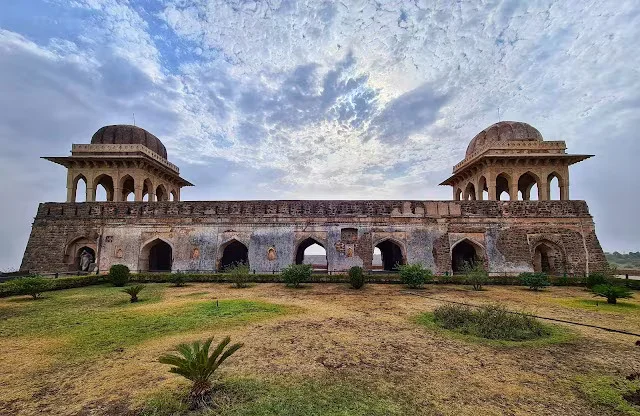
Rani Roopmati Pavilion, Mandu, Madhya Pradesh, India

Rani Roopmati Pavilion , Mandu
Visitors come to enjoy panoramic views of the Narmada Valley, explore the monument\'s Afghan-influenced architecture, and learn about the legendary story of Rani Roopmati and Baz Bahadur. The pavilion is one of Mandu\'s most recognizable landmarks and a key site for history, architecture, and landscape photography.

Quick Facts About Rani Roopmati Pavilion

Rani Roopmati Pavilion Quick Facts

Entry Fee Included in the Mandu monument entry ticket; separate entry fee is not required.
Timings Generally open daily from 6:00 AM to 6:00 PM.
Altitude (m) Approximately 633 m above sea level
Ideal Visit Duration 45 minutes–1.5 hours
Best Time of Day Early morning for panoramic views or late afternoon for sunset photography
Crowd Level Moderate; busiest during weekends, holidays, and the monsoon season
Distance from City Centre (km) Approximately 4 km from Mandu town centre
Walking Difficulty Easy to Moderate; involves walking on heritage pathways, ramps, and steps
Parking Available Yes, parking facilities are available near the monument entrance
Last Mile Access Direct road access followed by a short walk to the pavilion viewpoint
Suitable for Kids Yes, with supervision near elevated viewpoints and edges
Suitable for Seniors Yes, though some walking and climbing of steps may be required
Wheelchair Friendly Partially; accessibility is limited by uneven surfaces, ramps, and heritage-site steps

Why Visit Rani Roopmati Pavilion Mandu

Visitors come to Rani Roopmati Pavilion for its panoramic views of the Narmada Valley, striking hilltop location, and its association with the iconic landmarks of Mandu.

The atmosphere is scenic and relaxed, with visitors exploring the elevated structure, enjoying open vistas, and experiencing one of the most photographed viewpoints in the region.

What makes Rani Roopmati Pavilion distinct is its strategic position along the edge of the Vindhya range, its blend of architectural elegance and natural surroundings, and the sweeping views it offers across the landscape below.

History of Rani Roopmati Pavilion

Rani Roopmati Pavilion is a historic monument located in Mandu, Madhya Pradesh, and is closely associated with the legendary romance of Sultan Baz Bahadur and Rani Roopmati during the 16th century. The pavilion was originally built as a strategic watchtower and observation post on the southern edge of the Mandu plateau.

According to local tradition, Rani Roopmati used the pavilion to view the sacred Narmada River before taking her meals, reflecting her deep religious devotion. Over time, the structure became linked with her story and evolved into one of Mandu's most iconic landmarks.

The pavilion is renowned for its Afghan-influenced architecture, elevated setting, and panoramic views of the surrounding valleys. Today, it stands as an enduring symbol of Mandu's cultural heritage and the enduring legend of Baz Bahadur and Rani Roopmati.

Best Time to Visit Rani Roopmati Pavilion

Rani Roopmati Pavilion is best visited from October to March when the weather in Mandu is pleasant and clear, allowing visitors to fully enjoy the monument's architecture, panoramic valley views, and historic surroundings.
  • Ideal months: October to March is the most favorable period to visit Rani Roopmati Pavilion, offering comfortable temperatures for heritage walks and sightseeing across the Mandu complex.
  • Weather conditions during the best season: Cool mornings, pleasant afternoons, and clear visibility provide excellent conditions for photography and enjoying sweeping views of the Nimar plains and surrounding landscapes.
  • Periods to avoid: April to June can be very hot, making exploration of the exposed hilltop monument less comfortable during the day. The monsoon season from July to September brings lush greenery and dramatic scenery but may also include heavy rainfall that can affect outdoor sightseeing.

How to Reach Rani Roopmati Pavilion

  • Nearest Airport: Devi Ahilyabai Holkar Airport, Indore, located approximately 100 km from Rani Roopmati Pavilion, is the nearest airport. Visitors can hire taxis or use private vehicles for the onward journey to Mandu.
  • Nearest Railway Station: Indore Junction Railway Station, about 95 km away, is the nearest major railway station with extensive rail connectivity. Ratlam Junction is another convenient option for travelers visiting Mandu.
  • Road Access and Last-Mile Connectivity: Rani Roopmati Pavilion is situated within the historic hilltop fort complex of Mandu in Dhar district. The site is well connected by road from Indore, Dhar, and Maheshwar. Visitors can reach the pavilion directly by private vehicle, taxi, or tour bus. The final approach is fully motorable, followed by a short walk from the parking area to the viewpoint. The roads are generally in good condition, though extra caution is advised during the monsoon season due to slippery surfaces and reduced visibility.

What to Expect When You Visit Rani Roopmati Pavilion

  • Environment and Surroundings: Rani Roopmati Pavilion stands on the southern edge of the Mandu plateau, offering sweeping views of the Nimar plains, surrounding valleys, and distant river landscapes. The site combines historic architecture with one of the most prominent viewpoints in Mandu.
  • Facilities and Amenities: Basic visitor facilities are available within the broader Mandu heritage area, including parking and ticketing services. Amenities directly at the pavilion are limited, so visitors should carry drinking water, especially during warmer months.
  • Accessibility and Movement: The pavilion is accessible by road and requires short walks across stone pathways and historic structures. Visitors may encounter steps, uneven surfaces, and open viewing areas while exploring the monument.
  • Visitor Conditions: Most visitors come for panoramic views, photography, and the historical association with Rani Roopmati and Baz Bahadur. The monument remains open to the elements, with strong sunlight during the day and occasional slippery surfaces during the monsoon season. Sunrise and sunset hours typically attract the highest number of visitors.

Important Visitor Information for Rani Roopmati Pavilion

  • Rani Roopmati Pavilion is busiest during weekends, public holidays, and the peak tourism season from October to March, when visitors come to enjoy Mandu’s historic monuments and panoramic views.
  • Early mornings and late afternoons generally offer a quieter experience, with softer lighting and clearer views of the surrounding Nimar plains.
  • Summer afternoons can be hot and exposed, while monsoon months transform the surrounding landscape with lush greenery but may make pathways slippery.
  • No specific dress code applies, though comfortable clothing, sun protection, and walking footwear are recommended for exploring the monument complex.
  • Visitors should exercise caution near elevated edges, steps, and uneven stone surfaces, and avoid climbing on restricted sections of the historic structure.

Photography and Viewpoints at Rani Roopmati Pavilion

  • The pavilion is one of Mandu's premier photography locations, offering panoramic views of the Nimar plains, the Narmada Valley, and the surrounding Vindhya landscape from its elevated hilltop position.
  • Sunrise and sunset provide the most dramatic lighting conditions, with golden light illuminating the sandstone structure and creating sweeping views across the valleys below.
  • The upper terraces and arched pavilions offer excellent framing opportunities for capturing both the historic architecture and the expansive scenery that stretches far beyond Mandu.
  • Photographers can capture iconic views of Baz Bahadur's Palace from the pavilion, highlighting the historic connection between the two monuments.
  • The monument's arches, domes, corridors, and elevated balconies are best photographed during early morning or late afternoon when shadows add depth to the architectural details.
  • Photography is generally permitted throughout the monument complex, although visitors should comply with any regulations issued by the Archaeological Survey of India regarding protected heritage sites.
  • Weekends, holidays, and the monsoon season attract higher visitor numbers, while clear post-monsoon days often provide the sharpest long-distance visibility for landscape photography.

Near By Attraction

 Monument

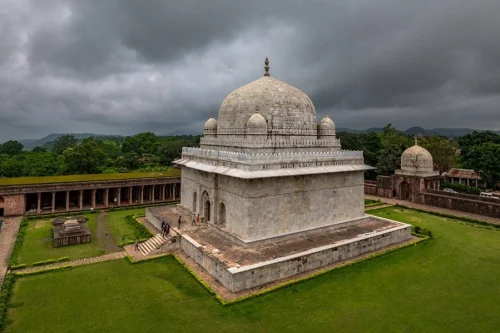
Hoshang Shah’s Tomb

Hoshang Shah’s Tomb is a 15th-century mausoleum in Mandu, Madhya Pradesh, built for Sultan Hoshang Shah, the first ruler of the Malwa Sultanate.
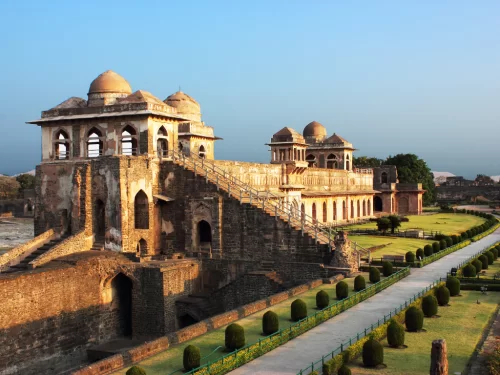
Jahaz Mahal at Mandu under golden hour glow, featuring tiered domes grand staircase and manicured gardens, perfect heritage experience with Madhya Pradesh tour packages. Monument

Jahaz Mahal Mandu

A 15th-century water palace built between two artificial lakes, resembling a floating ship.
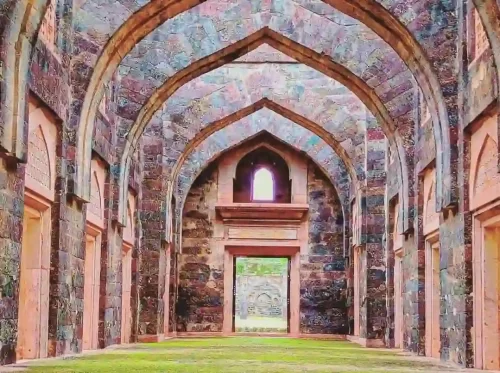
Hindola Mahal Mandu historic swing palace with sloping walls in Madhya Pradesh tour packages Monument

Hindola Mahal

A 15th-century audience hall known for its distinctive sloping walls and T-shaped architectural design.

Frequently Asked Questions About Rani Roopmati Pavilion

Loved this place ? Let’s Plan Your Madhya Pradesh Trip

Get customized Madhya Pradesh tour planning designed around safari seasons, road travel distances, heritage site exploration time, and comfortable pacing across regions. Whether you are visiting for wildlife safaris, temple architecture, historical monume

⚡ Quick Response | 💰 Free consultation | 🕒 24×7 expert support

×

Plan Your Trip