+91 9910402252
admin@chalbanjare.com


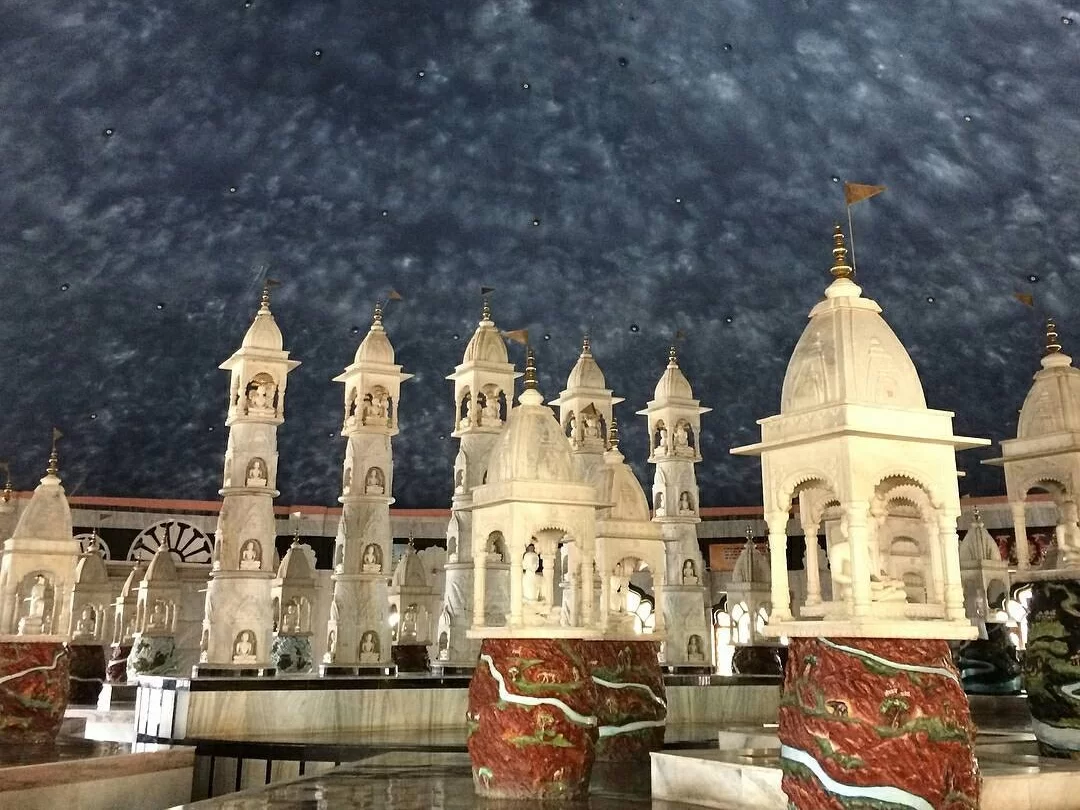
| Entry Fee | Indian adult 30 rupees per person, Indian child 10 rupees per person, foreign adult 200 rupees per person, foreign child 100 rupees per person |
|---|---|
| Timings | Open Tuesday to Sunday generally from 10 00 AM to 5 00 PM, closed on Monday and public holidays |
| Altitude (m) | Located at approximately 380 meters above sea level in central Jabalpur |
| Ideal Visit Duration | One to two hours to explore artifacts exhibits and displays |
| Best Time of Day | Late morning or early afternoon for quieter museum exploration and comfortable visit |
| Crowd Level | Moderate crowds with higher attendance on weekends and holidays |
| Distance from City Centre (km) | About two to three kilometers from Jabalpur city centre and railway station |
| Walking Difficulty | Low walking difficulty with indoor galleries and paved paths |
| Parking Available | Yes parking available near the museum premises |
| Last Mile Access | Taxi auto rickshaw and local bus services available to reach the museum |
| Suitable for Kids | Yes suitable for children interested in history art and regional culture |
| Suitable for Seniors | Yes generally suitable with easy indoor access and seating areas |
| Wheelchair Friendly | Partially wheelchair accessible on main pathways though some sections may have steps or narrow corridors |
Atmosphere at Rani Durgavati Museum in Jabalpur is calm, informative, and historically immersive, offering visitors a structured environment to explore the cultural legacy of the region. The museum’s organized galleries and thoughtfully displayed collections create a setting where history can be understood in a clear and engaging manner. The quiet surroundings allow visitors to move at a comfortable pace, absorbing the depth of central India’s archaeological and artistic heritage.
What makes Rani Durgavati Museum special is its rich collection of sculptures, inscriptions, coins, manuscripts, and artifacts that trace the history of the Kalachuri, Gond, and other regional dynasties. Named after the brave Gond queen Rani Durgavati, the museum preserves relics that reflect the valor, governance, and artistic excellence of the region. The exhibits provide valuable insight into temple architecture, ancient craftsmanship, and socio-cultural development, making it an important center for students, researchers, and history enthusiasts.
Beyond its educational value, the museum stands as a tribute to the legacy of Rani Durgavati and the broader historical narrative of Jabalpur. It attracts travelers seeking intellectual enrichment alongside cultural exploration. The combination of heritage preservation, structured storytelling, and regional pride ensures a meaningful and memorable visit.
Rani Durgavati Museum in Jabalpur was established in 1976 to preserve and showcase the archaeological and cultural heritage of the Mahakoshal region of Madhya Pradesh. Named after the valiant Gond queen Rani Durgavati, who ruled in the 16th century and is remembered for her resistance against Mughal forces, the museum stands as a tribute to her legacy and the region’s rich past.
The museum houses an extensive collection of sculptures, inscriptions, coins, and relics dating from the 10th to the 18th centuries, including artifacts from the Kalachuri and Gond periods. The stone sculptures displayed here reflect central India’s medieval temple architecture and artistic traditions, offering valuable insight into the political and religious landscape of the time.
Today, Rani Durgavati Museum serves as an important center for historical research and public education in Jabalpur. It preserves regional identity while honoring the courage of Queen Durgavati, making it a significant landmark for students, historians, and visitors interested in the cultural evolution of central India.
The best time to visit Rani Durgavati Museum in Jabalpur depends largely on overall travel comfort, as the museum experience is indoors but often combined with nearby sightseeing. Choosing the right season enhances both cultural exploration and city travel.
October to March is considered the most ideal period to visit. During these months, Jabalpur experiences pleasant and cool weather, making it comfortable to explore the museum exhibits and also visit nearby attractions without heat discomfort.
Summer months from April to June can be warm, particularly during midday. However, since the museum is indoors, visits remain manageable throughout the day. Planning morning or evening outings alongside other outdoor attractions is advisable.
Monsoon season from July to September brings refreshing greenery across the city. While occasional rainfall may affect travel plans, the museum itself remains accessible and generally sees fewer visitors, offering a relaxed and uninterrupted experience.
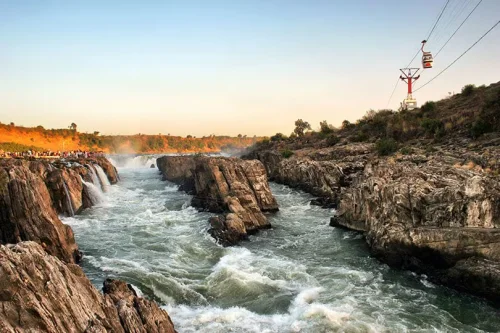 Waterfall
Dhuandhar Falls is a prominent waterfall on the Narmada River located near Bhedaghat in Jabalpur, Madhya Pradesh.
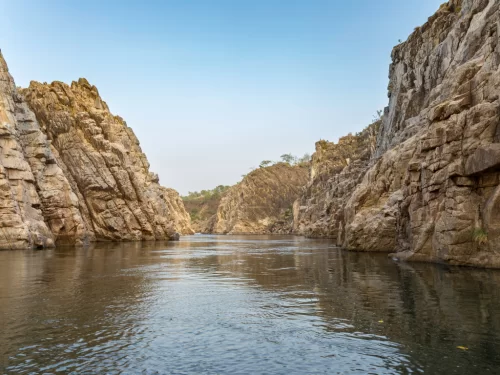 Tourist Attraction
Marble Rocks is a natural gorge of white and multicolored marble cliffs along the Narmada River at Bhedaghat.
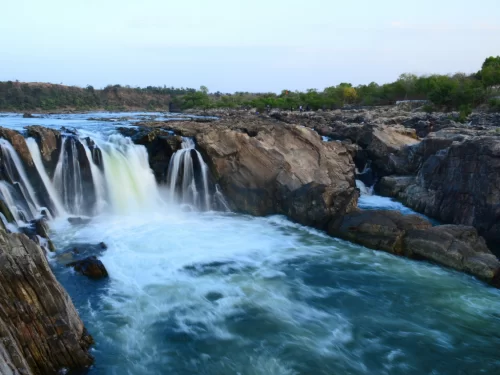 Waterfall
Dhuandhar Waterfall is a major waterfall on the Narmada River, famous for its misty spray and loud roar.
Get customized Madhya Pradesh tour planning designed around safari seasons, road travel distances, heritage site exploration time, and comfortable pacing across regions. Whether you are visiting for wildlife safaris, temple architecture, historical monume
⚡ Quick Response | 💰 Free consultation | 🕒 24×7 expert support

