Quick Facts About Pench Tiger Reserve
Quick Facts About Pench Tiger Reserve
| Entry Fee | Varies by zone, vehicle type, and nationality; safari permit required |
| Timings | Morning and afternoon safari slots; timings vary by season and forest department rules |
| Altitude (m) | Approximately 300–600 m above sea level |
| Ideal Visit Duration | Half day per safari; 2–3 days for multiple zones |
| Best Time of Day | Early morning safari for wildlife movement; late afternoon for forest light conditions |
| Crowd Level | High during weekends and peak wildlife season (October–May) |
| Distance from City Centre (km) | About 90 km from Nagpur city; varies by entry gate |
| Walking Difficulty | Not applicable; access via guided vehicle safaris only |
| Parking Available | Yes, at safari gate entry points |
| Last Mile Access | Motorable road to forest gates, then authorized jeep safari only |
| Suitable for Kids | Yes, for safari-aged children as per forest department rules |
| Suitable for Seniors | Yes, if comfortable with open jeep safaris on uneven forest tracks |
| Wheelchair Friendly | No, safari vehicles and terrain are not wheelchair accessible |
Why Visit Pench Tiger Reserve, Madhya Pradesh and Maharashtra
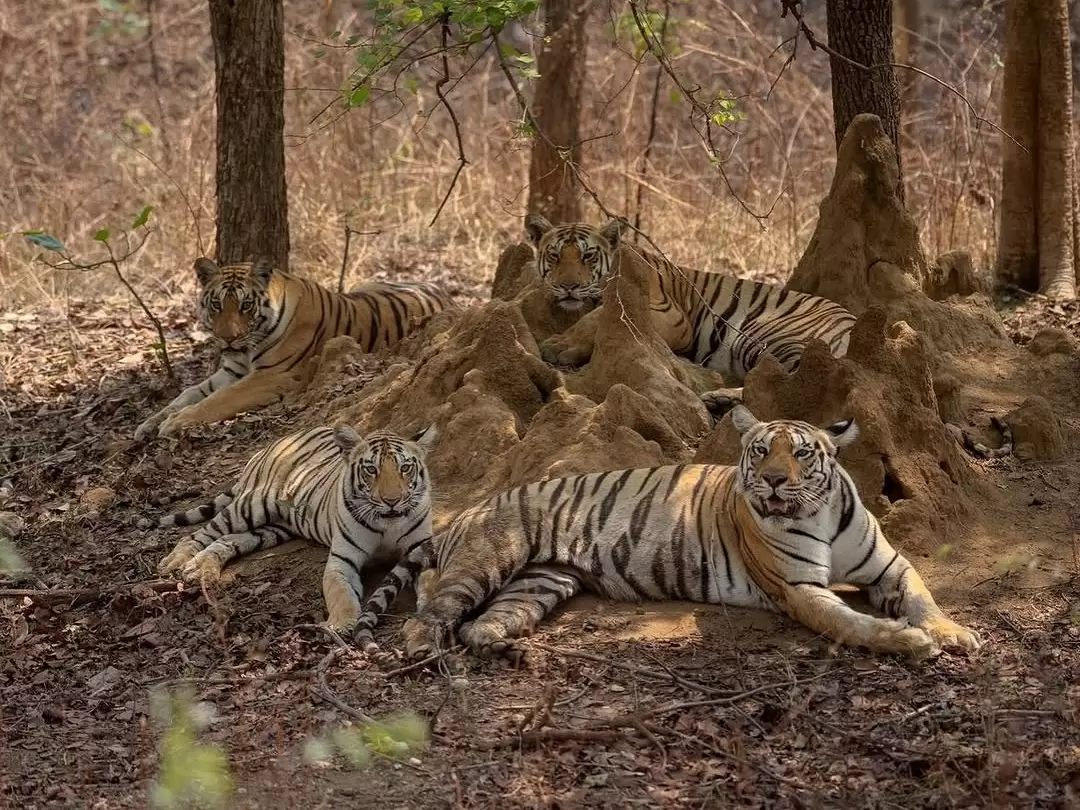
Visitors come to Pench Tiger Reserve for guided jeep safaris through designated core and buffer zones, with opportunities to spot Bengal tigers, leopards, wild dogs, deer species, and a wide range of birdlife.
The on-ground atmosphere is structured and regulated, with fixed safari timings, forest check gates, and trained drivers and guides accompanying every vehicle through dry deciduous forests and riverine patches.
What makes Pench distinct is its teak-dominated landscape, relatively open forest visibility compared to some central Indian reserves, and multiple tourism gates spread across two states, offering varied safari circuits.
History of Pench Tiger Reserve
Pench Tiger Reserve was notified as a wildlife sanctuary in 1975 and later declared a tiger reserve in 1992 under India’s Project Tiger programme to protect its tiger population and forest ecosystem.
The reserve spans forest areas across Madhya Pradesh and Maharashtra, with management zones developed over time to regulate tourism, conservation activities, and habitat protection within designated core and buffer areas.
Best Time to Visit Pench Tiger Reserve
Pench Tiger Reserve is open to visitors during the dry season when safari tracks are accessible and wildlife sightings are more frequent around water sources.
- Ideal months: October to April, with March and April offering higher chances of wildlife visibility.
- Weather conditions: Winters are cool and dry, while late spring is hot but improves animal movement near water bodies.
- Periods to avoid: July to September, when the reserve remains closed due to monsoon conditions and forest regeneration rules.
How to Reach Pench Tiger Reserve, Madhya Pradesh and Maharashtra
- Nearest airport: Dr. Babasaheb Ambedkar International Airport, Nagpur (approximately 90–100 km from major Madhya Pradesh gates such as Turia). Travel onward by taxi to the respective safari gate or lodge area.
- Nearest railway station: Nagpur Junction (well connected to major Indian cities). Seoni and Chhindwara stations serve some Madhya Pradesh gates but have limited connectivity compared to Nagpur.
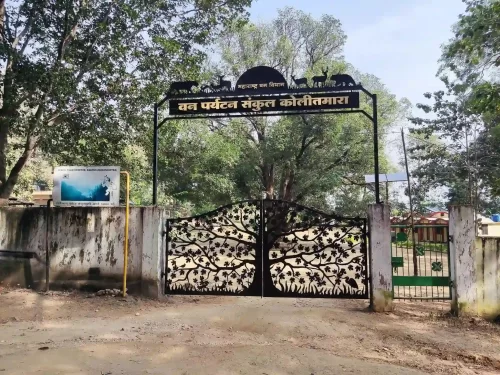
- Road access and last-mile connectivity: The reserve is accessible by highway from Nagpur, Seoni, and Chhindwara. Visitors must reach their pre-booked safari gate (such as Turia, Karmajhiri, Jamtara, or Sillari). Entry beyond the gate is permitted only through authorized forest department jeep safaris.
What to Expect When You Visit Pench Tiger Reserve
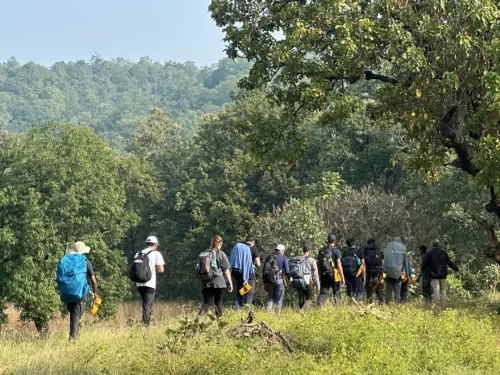
- Environment and surroundings: Pench features teak-dominated dry deciduous forests, open meadows, seasonal streams, and forest tracks that become dusty in summer and densely vegetated after monsoon reopening.
- Facilities and amenities: Visitor facilities are limited to safari gates and nearby lodge areas. There are no restrooms, food outlets, or shelters inside core or buffer safari zones.
- Accessibility and movement: Entry is allowed only through pre-booked, forest-authorized open jeeps with mandatory guides and fixed routes. Walking, cycling, and private vehicle entry inside the reserve are not permitted.
- Typical visitor behavior and conditions: Vehicles move in regulated safari batches and often pause near waterholes or reported sightings. Wildlife encounters are unpredictable, and long stretches without sightings are common.
Important Visitor Information for Pench Tiger Reserve
- Crowd and weather notes: Safari demand is highest during weekends and school holidays from December to March. Summers are very hot inside the forest zones, while winters have cold early mornings.
- Peak and quiet visiting hours: Morning safari slots are usually busier due to higher wildlife movement. Afternoon safaris tend to be quieter except during peak season months.
- Dress code: No formal dress code, but neutral-coloured clothing is commonly preferred for safaris and early morning cold conditions.
- Safety notes and practical cautions: Visitors must remain seated inside vehicles at all times, follow guide instructions strictly, and avoid noise or feeding wildlife. Entry timings are fixed and late arrivals may result in denied access.
Photography and Viewpoints at Pench Tiger Reserve
- Best viewpoints and angles: Wildlife photography is done from safari jeeps along forest tracks, especially near waterholes, grassland clearings, and riverine patches where animal movement is higher.
- Lighting conditions and timing: Early morning safaris offer soft directional light and active wildlife movement, while late afternoon safaris provide warmer tones but stronger shadows in dense forest sections.
- Photography rules and restrictions: Photography is permitted from vehicles. Drone usage is prohibited, and flash photography is not allowed near wildlife.
- Crowd and access factors: Popular sightings attract multiple vehicles, which can limit shooting angles and stationary time. Safari routes and stop durations are controlled by forest staff.