Quick Facts About Pench River & Backwaters
Quick Facts – Pench River & Backwaters
| Entry Fee | No general entry fee for river/backwater viewpoints; forest zone access may require permits |
| Timings | Varies by access point; forest and safari-linked areas follow official forest department timings |
| Altitude (m) | Approx. 400–500 m above sea level (varies along the river course) |
| Ideal Visit Duration | 30 minutes to 2 hours, depending on access point and activity |
| Best Time of Day | Early morning and late afternoon |
| Crowd Level | Low to moderate; higher near safari zones and resort areas |
| Distance from City Centre (km) | Varies by location; approx. 80–100 km from Nagpur, 100+ km from Jabalpur |
| Walking Difficulty | Easy to moderate; uneven natural terrain |
| Parking Available | Yes, at designated safari gates, resorts, and access points |
| Last Mile Access | Forest roads and rural roads; some areas require walking or guided access |
| Suitable for Kids | Yes, with supervision |
| Suitable for Seniors | Yes, at accessible viewpoints and lodges |
| Wheelchair Friendly | No; natural terrain and forest access routes limit wheelchair movement |
Why Visit Pench River & Backwaters
Visitors come to the Pench River and its backwaters to experience natural river landscapes, calm water stretches, and forested surroundings connected to the Pench Tiger Reserve region. It is mainly visited as part of wildlife travel, nature drives, and scenic stops rather than as a standalone tourist attraction.
The on-ground atmosphere is quiet and natural, with open water views, forest edges, and limited human activity outside safari and lodge zones. Depending on the access point, the surroundings range from remote forest areas to controlled tourism zones near resorts and forest gates.
What makes the Pench River and backwaters distinct for travelers is their role as a natural corridor within the Pench landscape, supporting wildlife movement and shaping the region’s ecology. The experience is defined more by the environment and setting than by built infrastructure or sightseeing facilities.
History of Pench River & Backwaters
The Pench River is a major river of central India, flowing through Madhya Pradesh and Maharashtra and forming a key natural water system within the Pench forest landscape. Its course has historically shaped forest ecology, wildlife movement, and settlement patterns in the region.
The modern backwaters were created through large water management projects, most notably the construction of Totladoh Dam and associated reservoirs under the Pench River Valley Project in the 20th century. These developments transformed parts of the natural river flow into large artificial lakes and water storage zones.
Today, the Pench River and its backwaters are closely linked to conservation planning and wildlife protection within the Pench Tiger Reserve landscape, functioning as a long-term ecological corridor rather than a cultural or religious site.
Best Time to Visit Pench River & Backwaters
The Pench River and backwaters are best experienced during the dry season when access routes are open, water levels are stable, and forest movement is not restricted by seasonal conditions.
- Ideal months: October to March, when forest access is operational and viewpoints, safari routes, and river stretches are accessible
- Weather conditions: Mild winter temperatures, clear visibility, and stable water levels in reservoirs and backwaters
- Periods to avoid: July to September due to monsoon rains, restricted forest access, muddy roads, limited viewpoints, and safety restrictions in core forest zones
How to Reach Pench River & Backwaters
- Nearest airport: Dr. Babasaheb Ambedkar International Airport, Nagpur (approx. 90–110 km depending on access point). Nagpur is the main air gateway for the Pench region.
- Nearest railway station: Nagpur Junction (approx. 90–110 km) and Seoni Railway Station (approx. 30–50 km for MP-side access points). Connectivity varies by the specific river or backwater location.
- Road access and last-mile connectivity: Access is via forest roads and rural roads through Pench Tiger Reserve entry zones, safari gates, and nearby villages. Final access points vary by viewpoint or resort location. Private vehicles and pre-booked taxis are the most reliable options; public transport does not reach riverbanks or backwater zones directly. Some routes are seasonally restricted during monsoon and forest closure periods.
What to Expect When You Visit Pench River & Backwaters
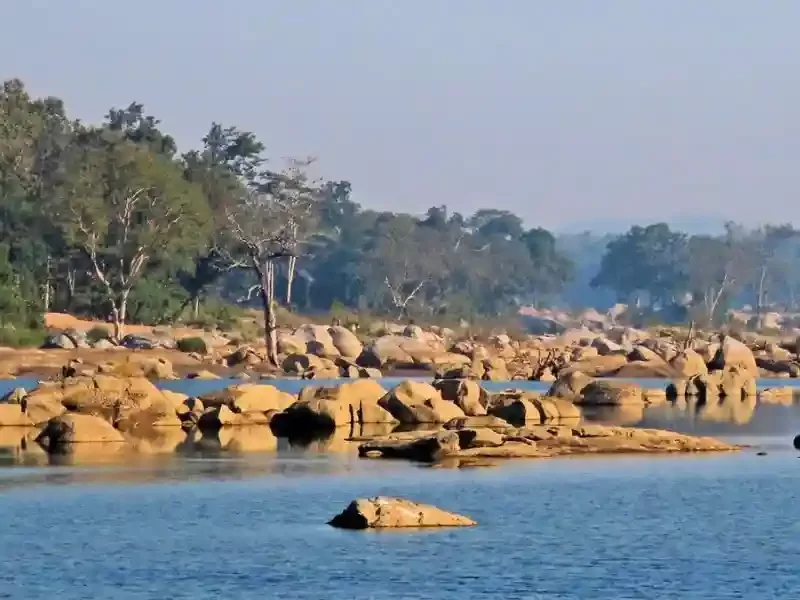
- Environment and surroundings: Natural river stretches, reservoir backwaters, forested banks, and open water zones within the Pench landscape, ranging from protected forest areas to semi-accessible viewpoints near lodges and villages.
- Facilities and amenities: No centralized visitor facilities along the river or backwaters. Amenities are limited to resorts, safari gates, and forest tourism infrastructure in specific zones.
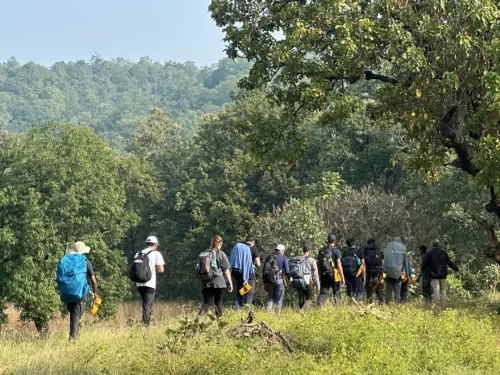
- Accessibility and movement: Access depends on location, with movement restricted in core forest zones and guided access required in protected areas. Many viewpoints involve forest roads and short walking access over natural terrain.
- Typical visitor behavior and conditions: Mostly visited by wildlife tourists, nature travelers, and lodge guests. Visitor movement is regulated in forest zones, and independent exploration is limited in protected areas.
Important Visitor Information for Pench River & Backwaters
- Crowd and weather notes: Visitor density is low in remote river stretches and higher near safari gates, resorts, and forest tourism zones. Summer heat can be intense near open water, while winter mornings can be cold and misty in forest areas.
- Peak and quiet visiting hours: Early mornings and late afternoons see most activity due to safari schedules and wildlife movement patterns. Midday hours are quieter, especially in non-safari zones.
- Dress code: No formal dress code; practical outdoor clothing and sturdy footwear are appropriate for forest roads, uneven terrain, and boat or riverside access points where permitted.
- Safety notes and practical cautions: Swimming is unsafe due to deep water, changing currents, and wildlife presence. Many areas fall under forest department control with movement restrictions. Mobile network coverage is unreliable in forest zones, and access is subject to seasonal closures and permit regulations.
Photography and Viewpoints at Pench River & Backwaters
- Best viewpoints: Designated viewpoints near safari gates, forest rest houses, and reservoir edges offer clear views of open water, forested banks, and wildlife movement zones. Lodge-adjacent riverfront areas also provide accessible photography points.
- Lighting and time-of-day: Early morning offers soft light and mist over the water, while late afternoon provides warm tones and reflections across backwaters and reservoirs. Midday light is harsh with strong glare from open water surfaces.
- Rules and restrictions: Photography is regulated in forest and safari zones under forest department rules. Photography may be restricted during safaris, and drone use is prohibited in protected forest areas.
- Crowd and access factors: Remote river stretches are uncrowded, but access is limited and often restricted. Photography access is easier near lodges, safari routes, and official viewpoints, where visitor movement is controlled.