Narmada River, Madhya Pradesh, India

Narmada River , Amarkantak
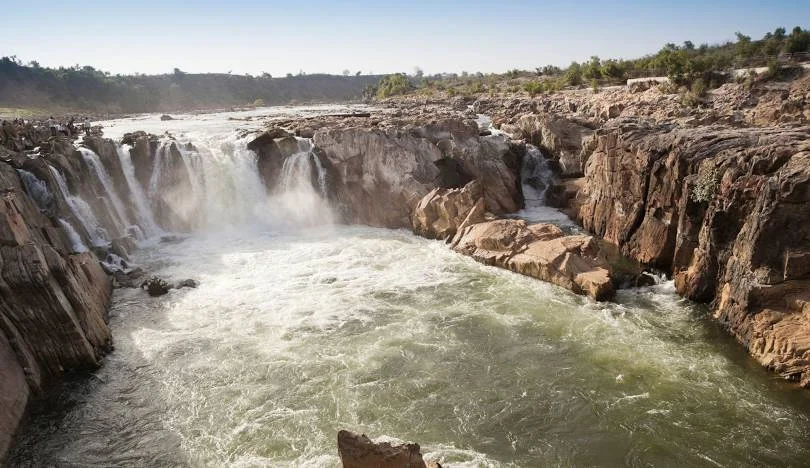
Visitors are drawn to the river for its religious significance, scenic ghats, marble rock landscapes near Bhedaghat, boating experiences, and pilgrimage sites located along its banks. The river plays an important cultural and spiritual role in central India and is associated with numerous temples, festivals, and traditional rituals.

Quick Facts About Narmada River

Narmada River Quick Facts

Entry Fee No entry fee to visit the riverfront; charges may apply for boating and specific attractions along the river.
Timings Accessible throughout the day; boating and visitor facilities operate according to local schedules.
Altitude (m) Varies significantly along the river's 1,300+ km course
Ideal Visit Duration 1–3 hours, depending on the chosen riverfront location and activities
Best Time of Day Early morning or sunset for pleasant weather and scenic views
Crowd Level Varies by location; major ghats and pilgrimage sites can be crowded during festivals and weekends
Distance from City Centre (km) Varies by destination and access point along the river
Walking Difficulty Easy to Moderate; depends on the riverbank, ghat steps, and terrain at the chosen location
Parking Available Available at many major ghats and tourist access points; availability varies by location
Last Mile Access Depends on the selected riverfront location; most major ghats and viewpoints are accessible by road
Suitable for Kids Yes, with supervision near the water
Suitable for Seniors Yes; accessibility depends on the specific riverfront location and number of steps
Wheelchair Friendly Varies by location; some developed riverfronts offer accessible pathways, while traditional ghats may not

Why Visit Narmada River

Visitors come to the Narmada River to experience one of India’s most significant rivers, known for its scenic landscapes, riverside ghats, and cultural importance across central India.

The atmosphere varies along the river’s course, ranging from peaceful stretches and temple-lined banks to lively pilgrimage areas and popular boating locations.

What makes the Narmada River distinct is its westward flow across central India, its association with long-standing pilgrimage traditions, and the diverse natural settings it creates, including marble gorges, waterfalls, and riverfront viewpoints.

History of Narmada River

The Narmada River is one of India's oldest and most significant rivers, flowing westward from the Amarkantak Plateau in Madhya Pradesh to the Arabian Sea. Revered in Hindu tradition, the river has been mentioned in ancient texts and has long served as an important source of water, transportation, and settlement for communities across central India.

The river holds deep religious significance and is regarded as one of the seven sacred rivers of Hinduism. The Narmada Parikrama, a traditional pilgrimage involving a complete circumambulation of the river's course, has been practiced for centuries and continues to attract devotees from across the country.

Best Time to Visit Narmada River

The best time to experience the Narmada River depends on the section being visited, but for most popular riverfront destinations, ghats, and viewpoints, the cooler months from October to March offer the most comfortable conditions and scenic river views.
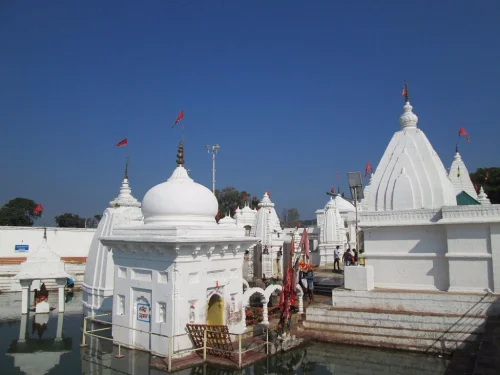
  • Ideal months: October to March is generally the best period to visit the Narmada River, especially at destinations such as Jabalpur, Omkareshwar, Maheshwar, and Hoshangabad (Narmadapuram).
  • Weather conditions during the best season: Pleasant temperatures, clear skies, and comfortable conditions make it ideal for riverfront walks, boating activities where available, photography, temple visits, and evening aartis along the ghats.
  • Periods to avoid: April to June can be extremely hot across much of the Narmada Valley, reducing comfort during daytime visits. During the monsoon season from July to September, water levels rise significantly and boating or access to certain riverbank areas may be restricted depending on local conditions.

How to Reach Narmada River at Bhedaghat

  • Nearest Airport: Jabalpur Airport (Dumna Airport), approximately 25 km from the Narmada River viewpoints at Bhedaghat, is the nearest airport. Taxis and app-based cabs are readily available for the onward journey.
  • Nearest Railway Station: Jabalpur Junction Railway Station, located about 20 km away, is the nearest major railway station with direct rail connectivity to several Indian cities.
  • Road Access and Last-Mile Connectivity: The Narmada River at Bhedaghat is well connected by road from Jabalpur via a fully motorable route. Visitors can reach the riverfront, marble rock viewpoints, boating ghats, and nearby attractions by private vehicle, taxi, auto-rickshaw, or local bus. Parking facilities are available near major access points, with short walking distances required to reach the riverbanks and viewing areas. During the monsoon season, boating operations and access to some sections may be restricted depending on river conditions.

What to Expect When You Visit Narmada River

  • Environment and Surroundings: The Narmada River flows through diverse landscapes including marble gorges, rocky riverbanks, forests, ghats, and historic towns. Visitor experiences vary by location, but the river is widely regarded as both a natural and sacred landmark.
  • Facilities and Amenities: Facilities depend on the specific riverfront area being visited. Popular ghats and tourist sections generally offer parking, food stalls, seating areas, boating services, and basic visitor amenities, while remote stretches may have limited services.
  • Accessibility and Movement: Major riverfront locations along the Narmada are accessible by road. Movement may involve walking on ghats, riverbank pathways, steps, or designated viewpoints, with accessibility varying from one location to another.
  • Visitor Conditions: Visitors commonly participate in boating, sightseeing, photography, religious rituals, and evening aarti ceremonies at prominent ghats. Water levels and river conditions can change seasonally, particularly during the monsoon, which may affect access to certain areas and activities.

Important Visitor Information for Narmada River

  • Popular stretches of the Narmada River near major pilgrimage towns and tourist destinations experience higher visitor numbers during religious festivals, weekends, and winter months.
  • Early mornings and evenings are generally the most active periods due to rituals, prayers, and riverfront activities, while mid-day hours are often less crowded.
  • Water levels and river conditions can change significantly during the monsoon season, affecting access to ghats, boating operations, and riverside pathways.
  • No formal dress code applies, though modest attire is recommended when visiting religious ghats and pilgrimage sites along the river.
  • Visitors should exercise caution near riverbanks, steps, and boating areas, especially during high water flow periods, and follow local safety instructions at all times.

Photography and Viewpoints at Narmada River

  • The best photography locations vary along the Narmada River, with popular viewpoints including river ghats, marble rock sections near Bhedaghat, riverside temples, bridges, and scenic riverfront promenades.
  • Sunrise and sunset provide the most favorable lighting conditions, creating reflections on the water and enhancing the natural colors of the surrounding landscape.
  • At Bhedaghat, boat rides offer unique angles of the towering marble cliffs and the river channel, while elevated viewpoints provide wider panoramas of the gorge.
  • Morning hours are ideal for capturing religious activities, riverside life, and calm water conditions at major ghats along the river.
  • Photography is generally permitted in public areas, but visitors should be respectful when photographing religious ceremonies, devotees, and local communities along the riverbanks.
  • Monsoon season dramatically changes the river's appearance and flow, creating powerful landscape scenes, though some viewpoints and boating activities may be temporarily restricted.
  • Popular ghats and tourist sections can become crowded during festivals, religious gatherings, and weekends, making early morning visits preferable for unobstructed photography.

Near By Attraction

 Tourist Attraction

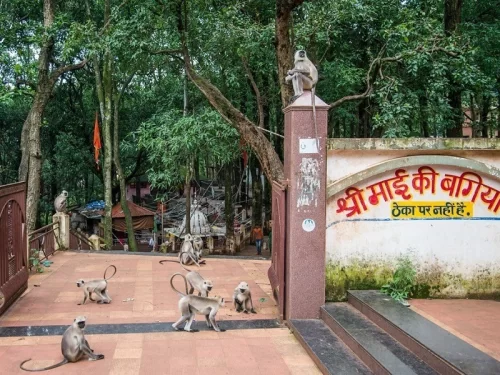
Mai Ki Bagiya

Mai Ki Bagiya is a sacred garden and pilgrimage site located in Amarkantak, Madhya Pradesh, closely associated with the Narmada River and local religious traditions.
 Waterfall

Doodh Dhara Waterfall

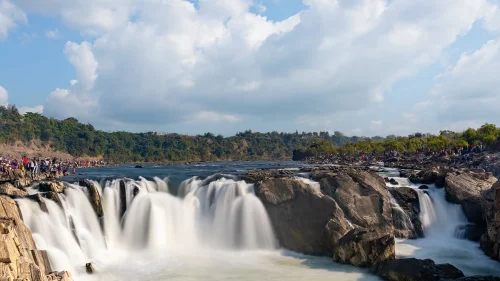
Doodh Dhara Waterfall is a scenic waterfall located downstream of Kapildhara Waterfall near Amarkantak in Madhya Pradesh.

 Waterfall

Kapildhara Waterfall

Kapildhara Waterfall is a prominent waterfall on the Narmada River located near Amarkantak in Madhya Pradesh.

Frequently Asked Questions About Narmada River

Loved this place ? Let’s Plan Your Madhya Pradesh Trip

Get customized Madhya Pradesh tour planning designed around safari seasons, road travel distances, heritage site exploration time, and comfortable pacing across regions. Whether you are visiting for wildlife safaris, temple architecture, historical monume

⚡ Quick Response | 💰 Free consultation | 🕒 24×7 expert support

×

Plan Your Trip