Matangeshwar Temple Khajuraho – Living Shiva Shrine of the Temple Complex

Matangeshwar Temple , Khajuraho
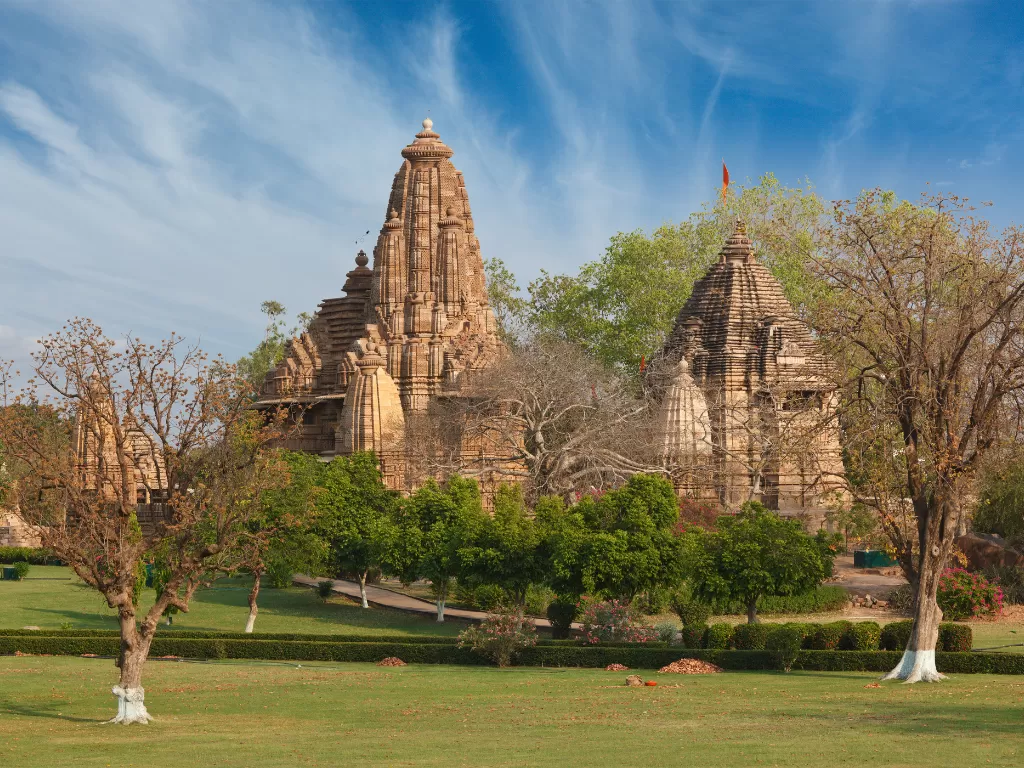
Located near the Western Group of Khajuraho Temples, Matangeshwar Temple dates back to the 9th–10th century and is one of the oldest surviving temples in the region. Unlike many other Khajuraho temples that function mainly as monuments, this temple remains a living place of worship. It houses a massive Shiva Lingam and attracts devotees, especially during Mahashivratri, while also being part of the UNESCO-listed Khajuraho heritage site.

Quick Facts About Matangeshwar Temple

Quick Facts About Matangeshwar Temple Khajuraho

Entry Fee No separate entry fee for Matangeshwar Temple itself but access to the Khajuraho Group of Monuments site may require a ticket if you visit other temples
Timings Temple generally open daily from early morning around 6 00 AM to evening around 6 00 PM for darshan and visitor access
Altitude (m) Located at approximately 280 meters above sea level in Khajuraho town
Ideal Visit Duration Thirty minutes to one hour to view the temple, Shiva linga and surroundings
Best Time of Day Early morning or late afternoon for calmer atmosphere and cooler temperatures
Crowd Level Moderate, with higher devotee turnout during festivals like Maha Shivaratri
Distance from City Centre (km) Within the Khajuraho Group of Monuments complex, about one to two kilometers from the main town and bus stand
Walking Difficulty Low walking difficulty with short paved paths inside the temple zone
Parking Available Yes parking available at the main Khajuraho monument parking area before entering the temple complex
Last Mile Access Taxi auto rickshaw and local transport available to the Khajuraho Archaeological Site entrance; short walk within the site to the temple
Suitable for Kids Yes suitable for children with supervision and interest in temple art and culture
Suitable for Seniors Yes generally suitable with easy access and minimal distances to walk
Wheelchair Friendly Partially wheelchair accessible on main paved routes within the complex though some surfaces may be uneven

Why Visit Matangeshwar Temple, Khajuraho

Atmosphere at Matangeshwar Temple in Khajuraho is deeply spiritual and authentic, offering a living place of worship within the historic temple complex. Unlike many nearby monuments that function primarily as heritage sites, Matangeshwar Temple continues to host daily prayers and rituals, creating an environment filled with devotional chants, incense fragrance, and a steady flow of pilgrims. The simple yet powerful presence of the massive Shiva Lingam inside the sanctum enhances the sacred ambiance, making the experience immersive and spiritually grounding.

What makes Matangeshwar Temple special is its status as one of the oldest and still-active temples in Khajuraho, dating back to the 9th–10th century during the Chandela dynasty. The temple is dedicated to Lord Shiva and houses an imposing monolithic lingam approximately 8 feet tall, symbolizing divine energy and cosmic power. Its architectural style reflects early Nagara temple design, with a balanced structure and subtle carvings that emphasize devotion over ornamentation. The temple gains particular significance during Maha Shivaratri, when large numbers of devotees gather for celebrations and rituals.

Beyond its architectural and religious importance, Matangeshwar Temple offers visitors a rare opportunity to witness continuity of faith within a UNESCO-listed heritage setting. It appeals to pilgrims, cultural travelers, history enthusiasts, and photographers who wish to experience Khajuraho not only as an archaeological site but as a vibrant spiritual destination. The temple’s combination of historic legacy and living tradition ensures a meaningful and memorable visit.

History of Matangeshwar Temple, Khajuraho

Matangeshwar Temple in Khajuraho is one of the oldest surviving temples in the complex and dates back to the early 10th century, during the reign of the Chandela dynasty. Dedicated to Lord Shiva, the temple holds a distinctive place among the Khajuraho monuments because it remains an active place of worship, unlike most other temples in the group that are primarily preserved as heritage sites.

The temple is known for its massive Shiva Lingam, which stands approximately 8 feet tall and is carved from a single stone. Architecturally, it reflects the early phase of Chandela temple construction, featuring a simple yet powerful design in the Nagara style. Compared to the highly ornate later temples of Khajuraho, Matangeshwar Temple maintains a more restrained exterior, emphasizing spiritual devotion over elaborate sculptural decoration.

Its continued religious function, especially during Maha Shivaratri when thousands of devotees gather for worship, underscores its enduring spiritual importance. Matangeshwar Temple thus bridges the architectural brilliance of Khajuraho’s past with the living devotional traditions of the present.

Best Time to Visit Matangeshwar Temple Khajuraho

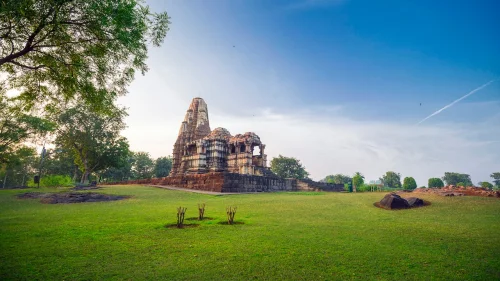
The best time to visit Matangeshwar Temple in Khajuraho depends on weather comfort and festival timing, as the temple is an active place of worship and largely open to the elements. Visiting during pleasant months ensures a comfortable darshan and relaxed exploration.

October to March is considered the most ideal period. During these months, Khajuraho experiences cool and pleasant weather, making it comfortable to visit the temple, observe rituals, and explore the nearby Western Group of Temples without exposure to extreme heat.

Summer months from April to June can be quite hot, particularly during midday hours. Early morning visits are strongly recommended during this season to avoid high temperatures while experiencing peaceful prayer ceremonies.

Monsoon season from July to September brings occasional rainfall that refreshes the temple surroundings. While humidity may increase, the area becomes greener and less crowded, offering a quieter spiritual atmosphere for visitors.
  • October to March for pleasant weather and comfortable temple visits
  • April to June for early morning darshan to avoid peak heat
  • July to September for lush greenery and fewer crowds
  • Mahashivratri is a major festival attracting large numbers of devotees
  • Early mornings provide a peaceful and spiritual experience

How to Reach Matangeshwar Temple, Khajuraho

  • By Air: The nearest airport is Khajuraho Airport, located approximately 5 km from Matangeshwar Temple. The airport has regular connectivity with cities like Delhi and Varanasi. From the airport, taxis and auto-rickshaws are readily available to reach the temple complex.
  • By Train: Khajuraho Railway Station is about 6 km from the temple and connects to major cities such as Delhi, Jhansi, and Varanasi. Visitors can hire taxis or auto-rickshaws from the station for a quick transfer to the Western Group of Temples area.
  • By Road: Khajuraho is well connected by road to Jhansi (around 175 km), Satna (about 120 km), and Chhatarpur (around 45 km). State-run buses, private taxis, and self-drive vehicles provide convenient access to the town.
  • Local Transport: Within Khajuraho, taxis, auto-rickshaws, cycle rickshaws, and bicycles are commonly used for short-distance travel. Matangeshwar Temple is located near the Western Group of Temples and is easily accessible by road with minimal walking required.

What to Expect When You Visit Matangeshwar Temple Khajuraho

  • Immersive surroundings that reflect the true natural, cultural, or spiritual character of the destination, offering a peaceful and enriching travel experience.
  • Well-maintained visitor pathways and accessible viewing points designed to provide comfortable exploration while preserving the authenticity of the location.
  • Opportunities to engage with local traditions, regional architecture, or natural landscapes, allowing travelers to gain deeper cultural understanding.
  • Scenic photo spots and panoramic viewpoints that highlight the area’s unique beauty throughout different times of the day.
  • Informational boards, guides, or locally available assistance that help visitors learn the historical or environmental importance of the site.
  • Seasonal changes in atmosphere, crowd levels, and visual appeal, ensuring a different yet memorable experience depending on the time of visit.
  • Nearby amenities such as refreshment stalls, rest areas, or small markets offering local flavors and handicrafts.
  • A calm and respectful environment that allows visitors to fully absorb the significance and charm of the destination.

Important Visitor Information & Safety Notes of Matangeshwar Temple Khajuraho

  • Crowd & Peak Hours: The temple sees higher footfall during mornings, Mondays, and Hindu festivals, especially Mahashivratri. Early morning and late evening hours are comparatively peaceful.
  • Weather Notes: Summers can be very hot, winters are pleasant, and during monsoon the stone floors and steps may become slippery.
  • Dress Code: Wear modest attire suitable for a functioning temple. Comfortable footwear is recommended, but shoes must be removed before entering the shrine.
  • Safety Tips: Be cautious on stone steps and uneven surfaces, follow temple customs, avoid overcrowded areas during peak hours, and keep personal belongings secure.

Photography and Viewpoints at Matangeshwar Temple, Khajuraho

  • The temple’s towering shikhara and classic Nagara-style architecture provide striking subjects for heritage and architectural photography.
  • Close-up shots of the massive Shiva Lingam inside the sanctum capture the spiritual essence and scale of this active place of worship.
  • Morning light enhances the warm sandstone tones, bringing out intricate carvings and structural details on the temple façade.
  • Wide-angle compositions from the temple courtyard allow photographers to frame the monument against open skies and surrounding greenery.
  • During Maha Shivaratri and other festivals, vibrant rituals and devotional gatherings offer dynamic cultural photography opportunities.
  • The relatively less crowded atmosphere compared to other Khajuraho temples allows for clean, uninterrupted architectural shots.

Near By Attraction

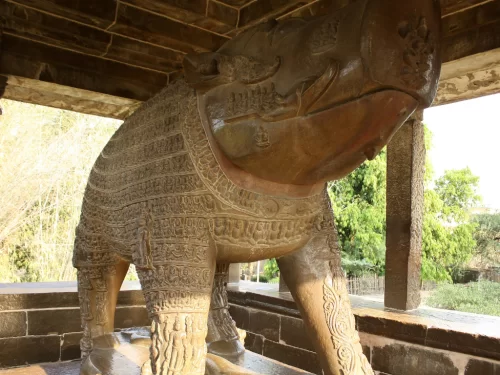
Varaha Temple Khajuraho monolithic boar Vishnu avatar sculpture, 2.6m sandstone carving 674 deities Chandela dynasty 900-925 AD Western Group UNESCO site, ideal Madhya Pradesh heritage tour package. Temple

Varaha Temple Khajuraho

Vishwanath Temple is a 10th-century Hindu temple dedicated to Lord Shiva, located in the Western Group of Temples at Khajuraho.

Asri Adinath Digambar Jain Mandir in Madhya Pradesh with intricately carved stone shikhara surrounded by lush trees, a serene heritage temple often featured in Madhya Pradesh tour packages. Temple

Sri Adinath Digambar Jain Mandir

Sri Adinath Digambar Jain Mandir in Khajuraho is a historic Jain temple dedicated to Lord Adinath.

Lakshmana Temple Khajuraho sunset golden hour Western Group UNESCO site, Nagara-style Vaikuntha Vishnu shrine intricate carvings Chandela dynasty 930-950 AD, perfect Madhya Pradesh heritage temple tour package. Temple

Lakshmana Temple

Lakshmana Temple in Khajuraho is one of the earliest and most magnificent temples of the Western Group.

Frequently Asked Questions About Matangeshwar Temple

Matangeshwar Temple is located within the Western Group of Temples in Khajuraho, Madhya Pradesh. It stands close to the main heritage complex and is easily accessible by road.
Matangeshwar Temple is generally open from early morning around 5 AM until 10 PM. Timings may vary slightly during major religious festivals.
There is no entry fee to visit Matangeshwar Temple. Visitors can enter the temple premises freely for darshan.
Visitors can reach Matangeshwar Temple by taxi, auto rickshaw, or private vehicle within Khajuraho, Madhya Pradesh. The nearest railway station and airport are located in Khajuraho.
Parking is available near the Western Group of Temples complex close to Matangeshwar Temple. Parking charges may apply depending on vehicle type.
The best time to visit Matangeshwar Temple is between October and March when the weather in Khajuraho, Madhya Pradesh is pleasant. Early mornings and evenings offer a peaceful atmosphere for prayer.
Most travelers spend about 30 to 45 minutes at Matangeshwar Temple for darshan and brief exploration. Additional time may be needed during festivals like Maha Shivratri.
Matangeshwar Temple is suitable for family visits and welcomes devotees of all age groups. The temple ????? has manageable walking areas for senior citizens.
Photography is generally allowed in the outer premises of Matangeshwar Temple. Visitors should avoid taking photos inside restricted prayer areas.
Restroom facilities are available near the Western Group of Temples complex close to Matangeshwar Temple. Several restaurants and cafes are located nearby in Khajuraho town.

Loved this place ? Let’s Plan Your Madhya Pradesh Trip

Get customized Madhya Pradesh tour planning designed around safari seasons, road travel distances, heritage site exploration time, and comfortable pacing across regions. Whether you are visiting for wildlife safaris, temple architecture, historical monume

⚡ Quick Response | 💰 Free consultation | 🕒 24×7 expert support

×

Plan Your Trip