+91 9910402252
admin@chalbanjare.com


| Entry Fee | Indian adult 50 rupees per person, Indian student 25 rupees per person, foreign adult 300 rupees per person, foreign student 150 rupees per person |
|---|---|
| Timings | Open Tuesday to Sunday generally from 9 30 AM to 5 30 PM, closed on Monday and some public holidays |
| Altitude (m) | Located at approximately 553 meters above sea level in central Indore |
| Ideal Visit Duration | One and a half to two and a half hours to explore palace rooms, gardens and museum displays |
| Best Time of Day | Late morning or early afternoon for comfortable indoor and outdoor exploration |
| Crowd Level | Moderate with higher visitation on weekends and holidays |
| Distance from City Centre (km) | About two to three kilometers from Indore Railway Station and central city area |
| Walking Difficulty | Low walking difficulty with paved floors and garden paths, some steps inside palace |
| Parking Available | Yes parking available near the palace entrance and grounds |
| Last Mile Access | Taxi, auto rickshaw, and local bus services available to reach Lal Bagh Palace |
| Suitable for Kids | Yes suitable for children with historical exhibits and palace gardens |
| Suitable for Seniors | Yes generally suitable with easy access but some interior steps may be present |
| Wheelchair Friendly | Partially wheelchair accessible on main floors, though some sections may have steps |
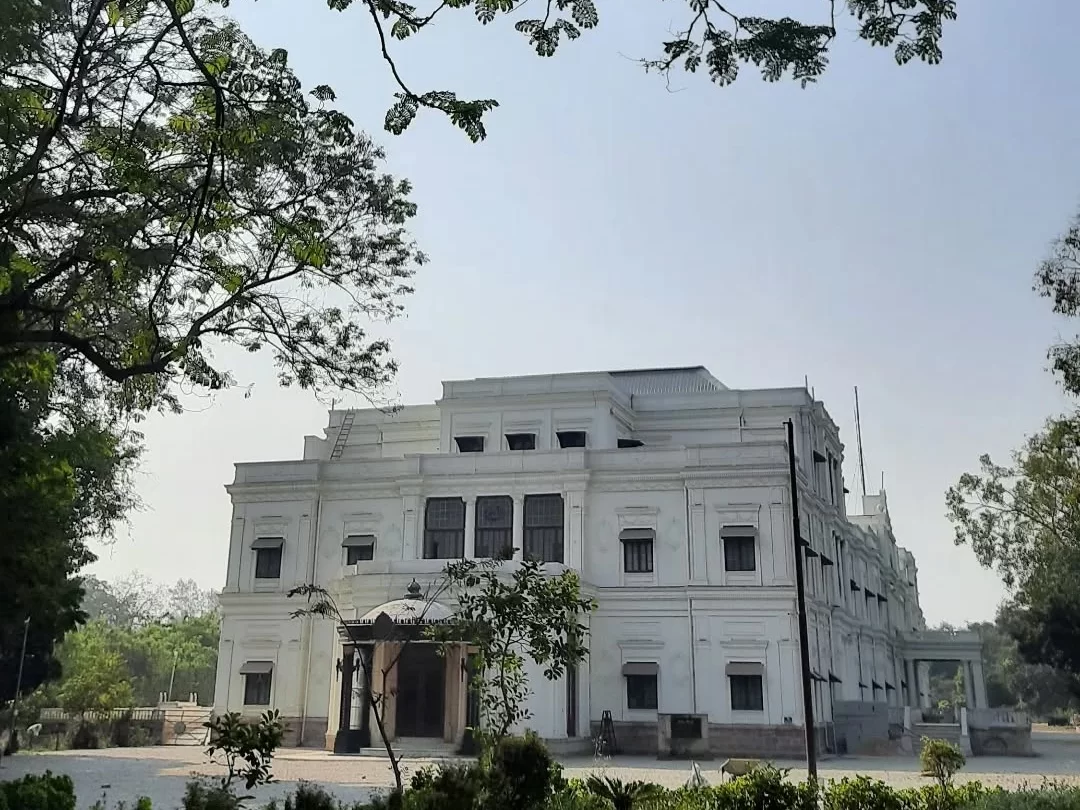
Atmosphere at Lal Bagh Palace in Indore is grand and regal, reflecting the opulence of the Holkar dynasty. The expansive palace complex, set amidst manicured lawns and classical architectural elements, creates a stately environment that transports visitors to the era of royal splendor. The imposing entrance gates, inspired by European design, and the richly decorated interiors contribute to an experience that feels both majestic and historically immersive.
What makes Lal Bagh Palace special is its architectural blend of European Renaissance style with Indian royal heritage. Built during the late 19th and early 20th centuries under the Holkar rulers, the palace showcases ornate ceilings, Italian marble floors, grand staircases, chandeliers, and period furnishings. The detailed craftsmanship and imported decorative elements reflect the cosmopolitan vision of the Holkar dynasty, making it one of Indore’s most significant heritage landmarks.
Beyond its architectural magnificence, Lal Bagh Palace serves as a historical record of Indore’s princely past. It attracts history enthusiasts, architecture admirers, and travelers interested in understanding the cultural and administrative legacy of the Holkars. The combination of royal elegance, preserved interiors, and landscaped surroundings ensures a memorable and culturally enriching visit.
Lal Bagh Palace in Indore is one of the grandest royal residences built by the Holkar dynasty, reflecting the architectural and cultural sophistication of the princely state. Construction of the palace began in the late 19th century under Maharaja Tukoji Rao Holkar II and was completed in the early 20th century. The palace served as a primary residence for the Holkar rulers and as a venue for hosting distinguished guests and royal ceremonies.
The architecture of Lal Bagh Palace draws strong inspiration from European styles, particularly Renaissance and Baroque influences. Its grand façade, Italian marble floors, ornate chandeliers, and intricately decorated ceilings demonstrate the dynasty’s exposure to global artistic trends. The palace interiors feature lavish durbar halls, decorative columns, and imported furnishings that reflect the opulence of the Holkar era.
After the integration of princely states into the Indian Union, Lal Bagh Palace was converted into a museum. Today, it stands as a major heritage landmark in Indore, offering visitors insight into the royal lifestyle, architectural grandeur, and historical legacy of the Holkar rulers.
The best time to visit Lal Bagh Palace in Indore depends on overall travel comfort, as the palace tour includes both indoor museum galleries and outdoor gardens. Visiting during pleasant months enhances architectural exploration and surrounding sightseeing.
October to March is considered the most ideal period to visit. During these months, Indore experiences cool and comfortable weather, making it convenient to explore the palace interiors, admire its grand European-style architecture, and stroll through the gardens without heat discomfort.
Summer months from April to June can be quite hot in Indore, especially during midday hours. However, since much of the palace visit is indoors, it remains manageable throughout the day. Outdoor exploration is best planned during early morning or evening.
Monsoon season from July to September brings refreshing greenery to the palace grounds, enhancing the scenic beauty of the gardens. While occasional rainfall may interrupt outdoor plans, the monument remains accessible and generally sees fewer visitors during this time.
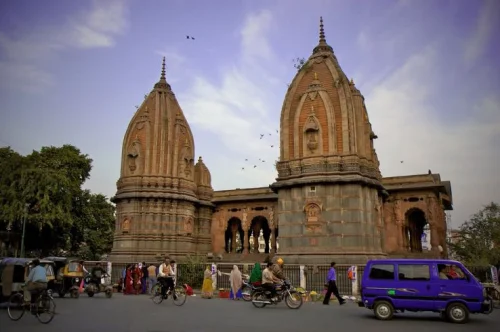 Tourist Attraction
Krishna Pura Chhatri is a group of historic cenotaphs built by the Holkar dynasty on the banks of the Khan River in Indore, Madhya Pradesh.
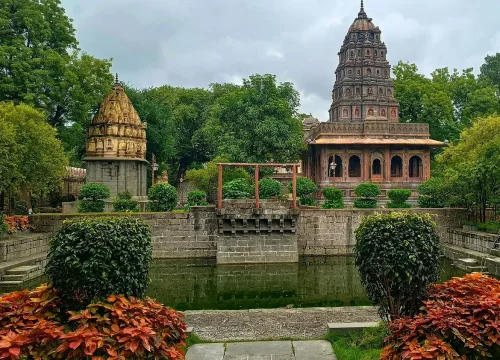 Tourist Attraction
Hari Rao Holkar Chhatri is a historic cenotaph in Indore dedicated to Maharaja Hari Rao Holkar of the Holkar dynasty and is known for its traditional Maratha-era architectural design.
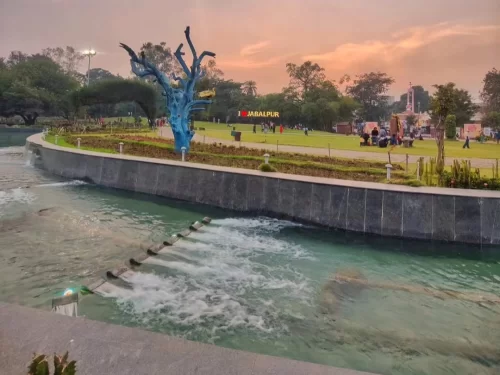 Garden
Bhawartal Garden, located in Indore, Madhya Pradesh, India, is a well-maintained urban park known for its green landscapes and peaceful ambiance.
Get customized Madhya Pradesh tour planning designed around safari seasons, road travel distances, heritage site exploration time, and comfortable pacing across regions. Whether you are visiting for wildlife safaris, temple architecture, historical monume
⚡ Quick Response | 💰 Free consultation | 🕒 24×7 expert support

