Quick Facts About Hari Rao Holkar Chhatri
Hari Rao Holkar Chhatri Quick Facts
| Entry Fee | No entry fee |
| Timings | Generally open from sunrise to sunset; access may be restricted during maintenance activities. |
| Altitude (m) | Approximately 550 m above sea level |
| Ideal Visit Duration | 30 minutes–1 hour |
| Best Time of Day | Early morning or late afternoon for comfortable weather and better photography conditions |
| Crowd Level | Low to moderate; generally quieter than major attractions in Indore |
| Distance from City Centre (km) | Approximately 3 km from Rajwada, Indore city centre |
| Walking Difficulty | Easy |
| Parking Available | Limited roadside parking available nearby |
| Last Mile Access | Directly accessible by city roads, taxi, auto-rickshaw, and local transport |
| Suitable for Kids | Yes |
| Suitable for Seniors | Yes |
| Wheelchair Friendly | Partially; accessibility may be limited by steps and heritage-site infrastructure |
Why Visit Hari Rao Holkar Chhatri
Visitors come to Hari Rao Holkar Chhatri to see a notable example of Holkar-era memorial architecture and explore a lesser-known heritage landmark in Indore.
The atmosphere is generally quiet and reflective, with fewer crowds than the city’s major attractions, allowing visitors to appreciate the structure’s architectural details at a relaxed pace.
What makes Hari Rao Holkar Chhatri distinct is its ornamental design, historical connection to the Holkar dynasty, and its role as a memorial structure that reflects the architectural traditions of the Maratha period.
History of Hari Rao Holkar Chhatri
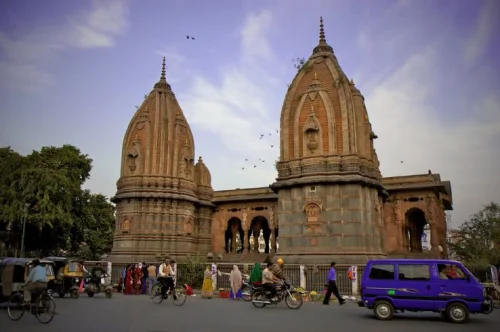
Hari Rao Holkar Chhatri is a historic memorial built in honor of Maharaja Hari Rao Holkar, a ruler of the Holkar dynasty of Indore. Constructed in the 19th century, the chhatri reflects the architectural style associated with the Holkar rulers, combining Rajput and Maratha design elements.
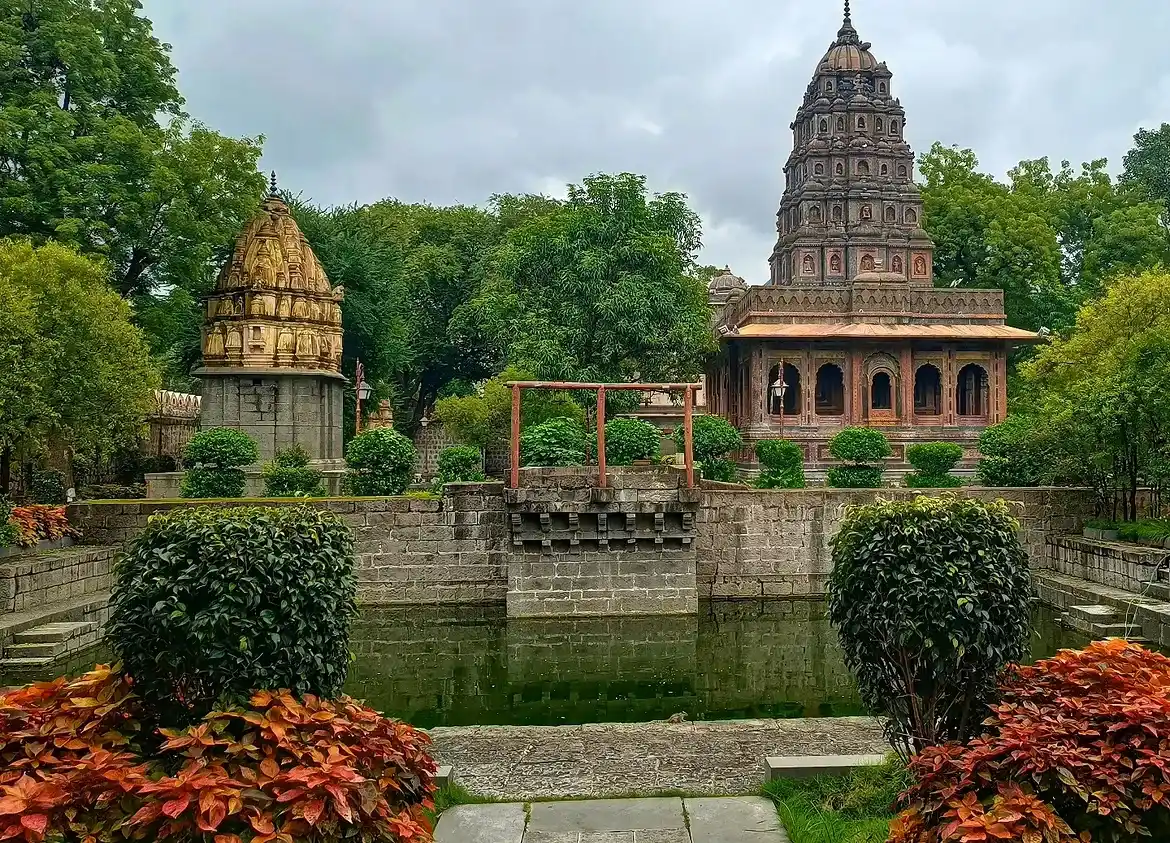
Situated on the banks of the Khan River in Indore, the monument is known for its carved pillars, domes, and ornamental details. It serves as an important reminder of the Holkar dynasty's contribution to the history and development of Indore and remains a notable heritage landmark in the city.
Best Time to Visit Hari Rao Holkar Chhatri
Hari Rao Holkar Chhatri is best visited during the cooler months when exploring Indore's historic monuments is more comfortable. Pleasant weather also allows visitors to appreciate the architectural details and riverside setting of the memorial.
- Ideal months: October to March is the most suitable period to visit Hari Rao Holkar Chhatri, offering comfortable conditions for sightseeing and photography.
- Weather conditions during the best season: Days are generally pleasant with lower humidity, making it easier to explore the monument and surrounding heritage areas. Morning and late afternoon provide particularly comfortable conditions.
- Periods to avoid: April to June can be very hot, with high daytime temperatures making outdoor visits less comfortable. During the monsoon season from July to September, occasional heavy rainfall may affect sightseeing around the site.
How to Reach Hari Rao Holkar Chhatri
- Nearest Airport: Devi Ahilyabai Holkar Airport, located approximately 10 km from Hari Rao Holkar Chhatri, is the nearest airport. Taxis, app-based cabs, and local transport are readily available for the onward journey.
- Nearest Railway Station: Indore Junction Railway Station, around 4 km away, is the nearest major railway station with excellent rail connectivity to major cities across India.
- Road Access and Last-Mile Connectivity: Hari Rao Holkar Chhatri is situated in central Indore near the banks of the Khan River and is easily accessible by city roads. Visitors can reach the site by private vehicle, taxi, auto-rickshaw, or local bus. The final approach is fully motorable, with a short walk required from nearby parking areas depending on traffic conditions.
What to Expect When You Visit Hari Rao Holkar Chhatri
- Environment and Surroundings: Hari Rao Holkar Chhatri is a historic memorial structure in Indore known for its Maratha-era architecture, carved pillars, and peaceful riverside setting. The atmosphere is generally quiet, attracting visitors interested in history, architecture, and local heritage.
- Facilities and Amenities: Basic visitor facilities are limited at the monument itself. Food outlets, restrooms, and other services are available in nearby parts of Indore rather than within the chhatri complex.
- Accessibility and Movement: The site is easily accessible by road from central Indore. Visitors can explore the monument on foot, with relatively easy movement around the structure and surrounding grounds.
- Visitor Conditions: Most visitors spend time admiring the architecture, photography, and the historical setting. The monument is usually less crowded than major city attractions, though local visitors may be present during weekends and holidays.
Important Visitor Information for Hari Rao Holkar Chhatri
- Hari Rao Holkar Chhatri generally remains less crowded than major tourist attractions in Indore, though visitor numbers may increase on weekends, public holidays, and during heritage walks.
- Morning and late afternoon hours are typically quieter and offer a more comfortable experience for exploring the monument and its architectural details.
- Summer afternoons in Indore can be hot, while the monsoon season may make surrounding pathways damp. Winter months usually provide the most comfortable conditions for sightseeing.
- No specific dress code applies, but visitors are advised to wear comfortable clothing and footwear suitable for walking around the heritage complex.
- As a historic monument, visitors should avoid climbing on structures, touching delicate architectural elements, or leaving litter within the premises.
Photography and Viewpoints at Hari Rao Holkar Chhatri
- The best photographs are captured from the main courtyard, where the full symmetry of the chhatri, domes, arches, and ornamental pillars can be framed in a single composition.
- Early morning and late afternoon provide the most favorable lighting conditions, highlighting the intricate stonework and architectural details without harsh shadows.
- Wide-angle shots from the entrance and surrounding pathways allow visitors to capture the monument's historic Maratha-era architecture and landscaped setting.
- The carved pillars, decorative ceilings, and domed pavilions are ideal subjects for architectural photography, particularly when natural daylight illuminates the interiors.
- Photography is generally permitted in the open areas of the monument, though visitors should respect any site-specific restrictions and ongoing conservation activities.
- Weekends and local holidays may bring higher visitor numbers, making weekday mornings better for unobstructed architectural photographs.
- Tripods, commercial photography, and drone operations may require prior permission from the relevant authorities managing the heritage site.