Kandariya Mahadev Temple Khajuraho – Grandest Shiva Temple of the Complex

Kandariya Mahadev Temple , Khajuraho
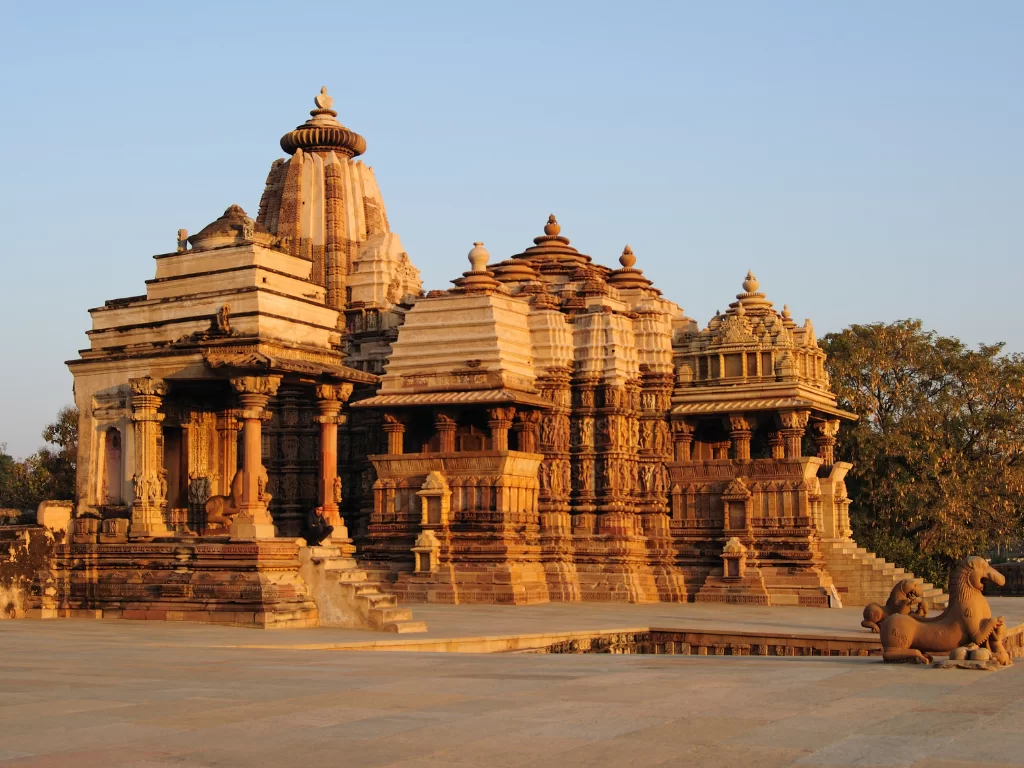
Built in the 11th century during the reign of the Chandela dynasty, Kandariya Mahadev Temple is the architectural masterpiece of the Khajuraho temple complex. The temple is renowned for its soaring shikhara, intricate carvings, and hundreds of detailed sculptures that depict divine figures, celestial beings, and symbolic themes. As part of the UNESCO World Heritage Site, it represents the pinnacle of medieval Indian temple architecture and artistry.

Quick Facts About Kandariya Mahadev Temple

Quick Facts About Kandariya Mahadev Temple Khajuraho

Entry Fee No separate entry fee for Kandariya Mahadev Temple itself but access to the Khajuraho Western Group of Monuments requires an ASI ticket with standard charges for Indian and foreign visitors
Timings Open daily from sunrise to sunset generally around 6 00 AM to 6 00 PM
Altitude (m) Located at approximately 280 meters above sea level in Khajuraho, Madhya Pradesh
Ideal Visit Duration One to one and a half hours to explore the grand temple architecture and intricate carvings
Best Time of Day Early morning for soft light on sculptures or late afternoon for golden hues on sandstone
Crowd Level High crowds as it is the largest and most famous temple in the Western Group complex
Distance from City Centre (km) About one kilometer from Khajuraho town center and bus stand
Walking Difficulty Low walking difficulty within the Western Group complex though temple platform requires climbing steps
Parking Available Yes parking available at the Western Group monument parking area before entry
Last Mile Access Taxi auto rickshaw and local transport available to the Western Group entrance followed by short walk to temple
Suitable for Kids Yes suitable for children with supervision and interest in heritage architecture
Suitable for Seniors Yes generally suitable though steps to the platform may require assistance
Wheelchair Friendly Partially wheelchair accessible in surrounding complex but temple platform has multiple steps

Why Visit Kandariya Mahadev Temple, Khajuraho

Atmosphere at Kandariya Mahadev Temple in Khajuraho is grand and awe-inspiring, representing the architectural pinnacle of the Western Group of temples. The towering shikhara rising dramatically against the sky creates an immediate sense of scale and magnificence. As sunlight shifts across the intricately carved sandstone surfaces, the temple appears almost sculpted in layers of light and shadow, enhancing its spiritual and artistic impact. Despite its popularity, the spacious complex allows visitors to move around comfortably and absorb the monument’s extraordinary detail.

What makes Kandariya Mahadev Temple special is its status as the largest and most ornate temple in Khajuraho, built during the 11th century under the Chandela dynasty. Dedicated to Lord Shiva, the temple exemplifies mature Nagara-style architecture with a soaring central spire surrounded by clustered subsidiary spires that resemble a mountain range. The exterior walls are adorned with thousands of finely detailed sculptures depicting deities, celestial beings, musicians, dancers, and symbolic motifs that reflect spiritual philosophy and medieval Indian artistry. The sanctum houses a revered Shiva Lingam, reinforcing its religious importance alongside its architectural brilliance.

Beyond its visual magnificence, Kandariya Mahadev Temple stands as a masterpiece within the UNESCO World Heritage complex of Khajuraho, symbolizing the zenith of temple-building craftsmanship in medieval India. It attracts historians, architecture scholars, photographers, and cultural travelers seeking a comprehensive understanding of India’s sacred art traditions. A visit here offers not only admiration for its sculptural richness but also deeper insight into the spiritual symbolism and artistic innovation that define Khajuraho’s enduring global legacy.

History of Kandariya Mahadev Temple, Khajuraho

Kandariya Mahadev Temple in Khajuraho, Madhya Pradesh, was constructed in the early 11th century during the reign of King Vidyadhara of the Chandela dynasty. Dedicated to Lord Shiva, the temple represents the pinnacle of Chandela architectural achievement and is the largest and most ornate temple in the Khajuraho complex. It was built at a time when the Chandelas were at the height of their political power and artistic patronage.

Designed in the mature Nagara style, the temple rises majestically with a towering shikhara that reaches approximately 31 meters, symbolizing Mount Kailash, the mythical abode of Shiva. The structure follows a sophisticated layout that includes an entrance porch, mandapa, maha-mandapa, vestibule, and sanctum. The exterior is adorned with more than 800 intricately carved sculptures depicting deities, celestial beings, apsaras, musicians, and symbolic imagery that reflects spiritual philosophy, human emotions, and cosmic harmony.

The sanctum houses a Shiva Lingam, emphasizing the temple’s enduring devotional significance. As part of the UNESCO World Heritage-listed Khajuraho Group of Monuments, Kandariya Mahadev Temple stands as a masterpiece of medieval Indian temple architecture, celebrated globally for its artistic precision, structural grandeur, and profound spiritual symbolism.

Best Time to Visit Kandariya Mahadev Temple Khajuraho

The best time to visit Kandariya Mahadev Temple in Khajuraho depends on weather comfort, as the temple complex is open and requires walking around intricate architectural structures. Visiting during favorable months ensures a relaxed and immersive heritage experience.

October to March is considered the ideal period to visit. During these months, Khajuraho enjoys cool and pleasant weather, making it comfortable to explore the grand temple structure, admire its detailed carvings, and spend time appreciating the artistic excellence without exposure to extreme heat.

Summer months from April to June can be very warm, particularly during midday hours. Early morning or late afternoon visits are strongly recommended during this season to avoid high temperatures while enjoying uninterrupted sightseeing and photography.

Monsoon season from July to September brings occasional rainfall that enhances the greenery around the temple complex. While humidity may increase, the site appears refreshed and less crowded, offering a serene and peaceful atmosphere for visitors.
  • October to March for pleasant weather and comfortable temple exploration
  • April to June for early morning or evening visits to avoid heat
  • July to September for lush surroundings and fewer tourists
  • Early mornings are ideal for detailed photography and quiet exploration
  • Weekdays generally provide a calmer experience than weekends

How to Reach Kandariya Mahadev Temple, Khajuraho

  • By Air: The nearest airport is Khajuraho Airport, located approximately 5 km from Kandariya Mahadev Temple. The airport has regular flight connectivity with cities such as Delhi and Varanasi. From the airport, taxis and auto-rickshaws are easily available to reach the Western Group of Temples complex.
  • By Train: Khajuraho Railway Station is about 6 km from the temple and connects to major cities including Delhi, Jhansi, and Varanasi. Visitors can hire taxis or auto-rickshaws from the station for convenient last-mile travel to the temple site.
  • By Road: Khajuraho is well connected by road to nearby cities like Jhansi (around 175 km), Satna (about 120 km), and Chhatarpur (around 45 km). Regular state transport buses, private taxis, and self-drive options provide smooth and comfortable access to the town.
  • Local Transport: Within Khajuraho, taxis, auto-rickshaws, cycle rickshaws, and rental bicycles are commonly used for short-distance travel. Kandariya Mahadev Temple is located within the Western Group of Temples complex and is easily accessible by road with minimal walking required.

What to Expect When You Visit Kandariya Mahadev Temple Khajuraho

  • Immersive surroundings that reflect the true natural, cultural, or spiritual character of the destination, offering a peaceful and enriching travel experience.
  • Well-maintained visitor pathways and accessible viewing points designed to provide comfortable exploration while preserving the authenticity of the location.
  • Opportunities to engage with local traditions, regional architecture, or natural landscapes, allowing travelers to gain deeper cultural understanding.
  • Scenic photo spots and panoramic viewpoints that highlight the area’s unique beauty throughout different times of the day.
  • Informational boards, guides, or locally available assistance that help visitors learn the historical or environmental importance of the site.
  • Seasonal changes in atmosphere, crowd levels, and visual appeal, ensuring a different yet memorable experience depending on the time of visit.
  • Nearby amenities such as refreshment stalls, rest areas, or small markets offering local flavors and handicrafts.
  • A calm and respectful environment that allows visitors to fully absorb the significance and charm of the destination.

Important Visitor Information & Safety Notes of Kandariya Mahadev Temple Khajuraho

  • Crowd & Peak Hours: The temple attracts high visitor traffic during peak tourist season (October to March), weekends, and late mornings. Early mornings are quieter and ideal for photography and exploration.
  • Weather Notes: Summers can be extremely hot, winters are pleasant for sightseeing, and monsoon months may make stone platforms and steps slippery.
  • Dress Code: Wear comfortable walking shoes and modest attire suitable for exploring a historic temple complex. Light layers are recommended during winter mornings and evenings.
  • Safety Tips: Be cautious on elevated stone platforms and steep steps, avoid climbing restricted structures, keep personal belongings secure, and follow Archaeological Survey of India guidelines for a safe visit.

Photography and Viewpoints at Kandariya Mahadev Temple, Khajuraho

  • The temple’s soaring shikhara, rising over 30 meters, creates dramatic vertical compositions and stands as one of the finest examples of Nagara-style architecture.
  • More than 800 intricately carved sculptures on the exterior walls provide exceptional close-up photography opportunities capturing artistic mastery of the Chandela era.
  • Golden hour lighting enhances the warm sandstone tones, casting layered shadows that emphasize sculptural depth and intricate detailing.
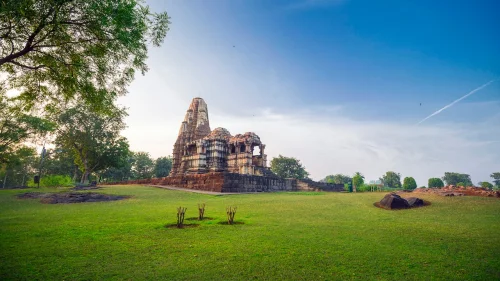
  • Wide-angle photography from the landscaped lawns of the Western Group complex allows symmetrical framing of the temple’s grand proportions.
  • Detailed shots of celestial beings, divine figures, and ornamental motifs offer storytelling elements rooted in mythology and cultural symbolism.
  • Seasonal greenery and expansive open skies provide a balanced natural backdrop, enriching both heritage and architectural photography.

Near By Attraction

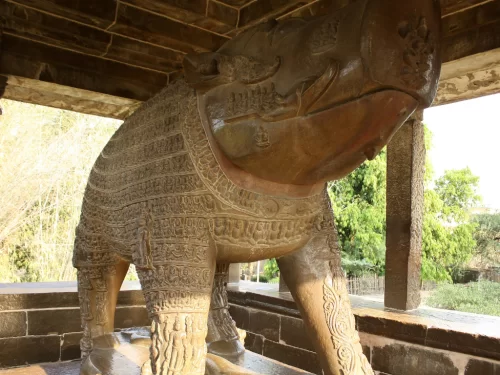
Varaha Temple Khajuraho monolithic boar Vishnu avatar sculpture, 2.6m sandstone carving 674 deities Chandela dynasty 900-925 AD Western Group UNESCO site, ideal Madhya Pradesh heritage tour package. Temple

Varaha Temple Khajuraho

Vishwanath Temple is a 10th-century Hindu temple dedicated to Lord Shiva, located in the Western Group of Temples at Khajuraho.

Asri Adinath Digambar Jain Mandir in Madhya Pradesh with intricately carved stone shikhara surrounded by lush trees, a serene heritage temple often featured in Madhya Pradesh tour packages. Temple

Sri Adinath Digambar Jain Mandir

Sri Adinath Digambar Jain Mandir in Khajuraho is a historic Jain temple dedicated to Lord Adinath.

Lakshmana Temple Khajuraho sunset golden hour Western Group UNESCO site, Nagara-style Vaikuntha Vishnu shrine intricate carvings Chandela dynasty 930-950 AD, perfect Madhya Pradesh heritage temple tour package. Temple

Lakshmana Temple

Lakshmana Temple in Khajuraho is one of the earliest and most magnificent temples of the Western Group.

Frequently Asked Questions About Kandariya Mahadev Temple

Kandariya Mahadev Temple is located within the Western Group of Temples in Khajuraho, Madhya Pradesh. It stands inside the main heritage complex and is easily accessible by road.
Kandariya Mahadev Temple is generally open from sunrise to sunset as part of the Western Group of Temples. Daytime visits are recommended for detailed architectural viewing.
There is a combined entry fee for the Western Group of Temples which includes access to Kandariya Mahadev Temple. Ticket prices vary for Indian and foreign visitors.
Visitors can reach Kandariya Mahadev Temple by taxi, auto rickshaw, or private vehicle within Khajuraho, Madhya Pradesh. The nearest railway station and airport are located in Khajuraho.
Parking is available near the Western Group of Temples complex close to Kandariya Mahadev Temple. Parking charges may apply depending on vehicle type.
The best time to visit Kandariya Mahadev Temple is between October and March when the weather in Khajuraho, Madhya Pradesh is pleasant. Morning hours provide comfortable temperatures and better lighting for photography.
Most travelers spend about 30 to 45 minutes exploring Kandariya Mahadev Temple while touring the Western Group of Temples. Additional time may be needed for detailed observation of carvings.
Kandariya Mahadev Temple is suitable for family visits and is part of a well maintained heritage complex. The walking paths are manageable for children and senior citizens.
Photography is generally allowed at Kandariya Mahadev Temple for personal use. Professional equipment may require additional permission from authorities.
Restroom facilities are available within the Western Group of Temples complex near Kandariya Mahadev Temple. Several restaurants and cafes are located nearby in Khajuraho town.

Loved this place ? Let’s Plan Your Madhya Pradesh Trip

Get customized Madhya Pradesh tour planning designed around safari seasons, road travel distances, heritage site exploration time, and comfortable pacing across regions. Whether you are visiting for wildlife safaris, temple architecture, historical monume

⚡ Quick Response | 💰 Free consultation | 🕒 24×7 expert support

×

Plan Your Trip