Quick Facts About Kanch Mandir
Quick Facts About Kanch Mandir Indore
| Entry Fee | No entry fee free to visit the temple and mirror hall |
|---|---|
| Timings | Open daily generally from early morning around 5 00 AM to evening around 8 00 PM |
| Altitude (m) | Located at approximately 553 meters above sea level in central Indore |
| Ideal Visit Duration | Forty five minutes to one and a half hours to see the mirror mosaics and temple interior |
| Best Time of Day | Early morning or late afternoon for cooler conditions and quieter visit |
| Crowd Level | Moderate crowds with more visitors during evenings and on festival days |
| Distance from City Centre (km) | About two to three kilometers from Indore Railway Station and central city area |
| Walking Difficulty | Low walking difficulty within temple premises |
| Parking Available | Yes limited parking available near the temple and surrounding streets |
| Last Mile Access | Taxi auto rickshaw and local bus services available to reach the temple area |
| Suitable for Kids | Yes suitable for children with supervision, interesting mirror art |
| Suitable for Seniors | Yes generally suitable with easy access and minimal walking |
| Wheelchair Friendly | Partially wheelchair accessible on main paved areas though some interior spaces may vary |
Why Visit Kanch Mandir, Indore
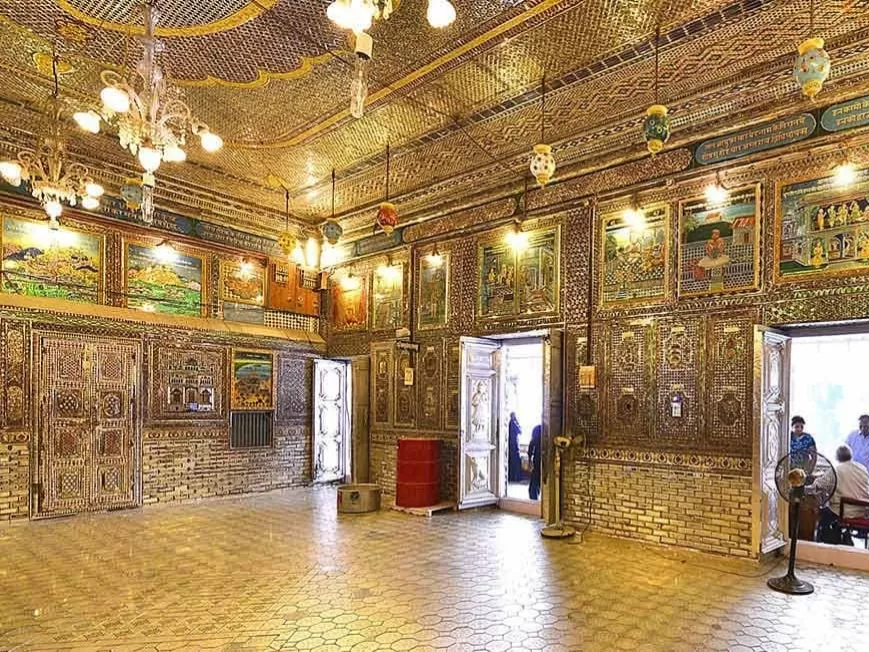
Atmosphere at Kanch Mandir in Indore is serene, luminous, and spiritually captivating, defined by its extraordinary interior entirely adorned with glass and mirror work. As light reflects off intricate mirror mosaics covering the walls, ceilings, pillars, and floors, the temple creates a radiant and almost ethereal environment. The calm surroundings enhance the devotional experience, allowing visitors to absorb both spiritual tranquility and artistic brilliance in a uniquely reflective setting.
What makes Kanch Mandir special is its remarkable architectural concept, where Belgian glass and intricate mirror inlay are used extensively to decorate the shrine dedicated to Jain Tirthankaras. Built in the early 20th century by Sir Seth Hukumchand Jain, the temple represents a fusion of devotion and craftsmanship. The detailed glass engravings depict Jain principles, symbols, and philosophical motifs, offering both aesthetic beauty and religious depth. The reflective interiors amplify the visual impact, making it one of Indore’s most distinctive spiritual landmarks.
Beyond its artistic appeal, Kanch Mandir serves as an important place of worship for the Jain community while welcoming visitors interested in architecture and cultural heritage. It attracts pilgrims, photographers, and travelers seeking a spiritually uplifting and visually striking experience. The blend of devotion, intricate mirror artistry, and historical significance ensures a memorable visit in Indore.
History of Kanch Mandir, Indore
Kanch Mandir in Indore is a remarkable Jain temple constructed in the early 20th century by Sir Seth Hukumchand Jain, a prominent industrialist and philanthropist of the city. Built around 1903, the temple was envisioned as a unique place of worship that combined deep spiritual devotion with extraordinary artistic craftsmanship.
The temple is renowned for its extensive use of glass and mirror work throughout the interior, including walls, ceilings, pillars, and floors. Intricate glass panels and reflective surfaces create a dazzling visual effect, symbolizing purity, infinity, and the Jain philosophy of inner reflection. The sanctum houses idols of Jain Tirthankaras, while the mirrored interiors amplify the spiritual ambiance of the space.
Over the decades, Kanch Mandir has become one of Indore’s most distinctive religious landmarks. It reflects both the religious dedication of the Jain community and the architectural creativity of the Holkar-era period, attracting devotees, historians, and visitors interested in its unique design.
Best Time to Visit Kanch Mandir Indore
The best time to visit Kanch Mandir in Indore depends on overall travel comfort and crowd levels, as the temple is located in a busy part of the city and is best experienced in a calm environment. Choosing the right season enhances your spiritual and architectural exploration.
October to March is considered the most ideal period to visit. During these months, Indore experiences cool and pleasant weather, making it comfortable to explore the intricate glasswork interiors and surrounding areas without heat discomfort.
Summer months from April to June can be quite warm, particularly during midday. Early morning visits are strongly recommended during this season to avoid peak heat and experience a quieter, more peaceful darshan.
Monsoon season from July to September brings moderate rainfall and refreshing greenery across the city. While occasional showers may affect travel plans, the temple remains accessible and generally sees fewer visitors outside festival days.
- October to March for pleasant weather and comfortable temple visits
- April to June for early morning darshan to avoid heat
- July to September for fewer crowds and refreshed surroundings
- Morning hours offer a quieter spiritual experience
- Avoid peak festival days for a less crowded visit
How to Reach Kanch Mandir, Indore
- By Air: The nearest airport is Devi Ahilya Bai Holkar Airport, Indore, approximately 9 km from Kanch Mandir. Visitors can hire taxis, app-based cabs, or prepaid airport taxis for a smooth and direct transfer.
- By Train: Indore Junction Railway Station is around 3 km from the temple and is well connected to major Indian cities such as Delhi, Mumbai, Bhopal, and Ahmedabad. Auto-rickshaws, taxis, and ride-hailing services are easily available for last-mile connectivity.
- By Road: Indore is accessible via well-maintained national highways including NH52 and NH47. Interstate buses, private taxis, and self-driving options provide convenient road access from Ujjain, Bhopal, and nearby cities.
- Local Transport: Within Indore, city buses, auto-rickshaws, and app-based cab services provide easy access to Kanch Mandir, located in the Rajwada area of the old city. Clear road signage and nearby parking facilities ensure convenient last-mile travel.
What to Expect When You Visit Kanch Mandir Indore
- Immersive surroundings that reflect the true natural, cultural, or spiritual character of the destination, offering a peaceful and enriching travel experience.
- Well-maintained visitor pathways and accessible viewing points designed to provide comfortable exploration while preserving the authenticity of the location.
- Opportunities to engage with local traditions, regional architecture, or natural landscapes, allowing travelers to gain deeper cultural understanding.
- Scenic photo spots and panoramic viewpoints that highlight the area’s unique beauty throughout different times of the day.
- Informational boards, guides, or locally available assistance that help visitors learn the historical or environmental importance of the site.
- Seasonal changes in atmosphere, crowd levels, and visual appeal, ensuring a different yet memorable experience depending on the time of visit.
- Nearby amenities such as refreshment stalls, rest areas, or small markets offering local flavors and handicrafts.
- A calm and respectful environment that allows visitors to fully absorb the significance and charm of the destination.
Important Visitor Information & Safety Notes of Kanch Mandir Indore
- Crowd & Peak Hours: Weekends, Jain festivals, and late mornings usually see higher footfall. Early hours are quieter and ideal for peaceful darshan.
- Weather Notes: Summers in Indore can be warm, while winters are pleasant for temple visits. During monsoon, surrounding pathways may become slightly slippery.
- Dress Code: Wear modest and respectful clothing suitable for a religious site. Shoes must be removed before entering the temple premises.
- Safety Tips: Avoid touching mirrored interiors and delicate glass work, maintain silence inside the temple, supervise children closely, and follow temple guidelines for a safe visit.
Photography and Viewpoints at Kanch Mandir, Indore
- The temple’s entirely mirrored interiors create unique reflective compositions, ideal for artistic and symmetrical photography where permitted.
- Intricate glass inlay work on walls, ceilings, and pillars provides detailed close-up photography opportunities showcasing craftsmanship.
- The interplay of light on mirrored surfaces enhances depth and creates visually striking patterns.
- Central idols framed by reflective backgrounds allow layered compositions with balanced symmetry.
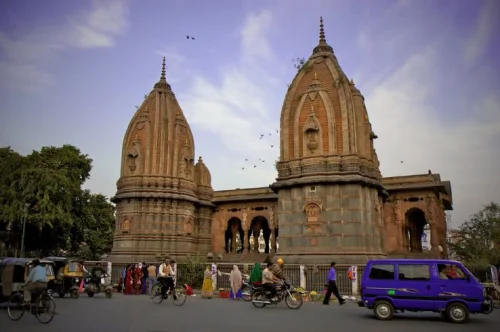
- Exterior views of the temple façade provide simpler architectural shots contrasting with the elaborate interiors.
- Careful framing helps capture repeating geometric reflections without distortion, especially in controlled lighting conditions.