+91 9910402252
admin@chalbanjare.com


| Entry Fee | No official entry fee |
| Timings | Accessible during daylight hours; no fixed gate timings |
| Altitude (m) | Approx. 1,000 m above sea level (Amarkantak plateau region) |
| Ideal Visit Duration | 20–40 minutes |
| Best Time of Day | Late morning to early afternoon |
| Crowd Level | Low to moderate; seasonal variation during monsoon and holidays |
| Distance from City Centre (km) | Approx. 4–6 km from Amarkantak town (route-dependent) |
| Walking Difficulty | Easy to moderate; short uneven path near the viewpoint |
| Parking Available | Limited roadside parking near access point |
| Last Mile Access | Motorable road followed by short walk on natural trail |
| Suitable for Kids | Yes, with supervision near edges and rocks |
| Suitable for Seniors | Limited; uneven ground and lack of handrails |
| Wheelchair Friendly | No |
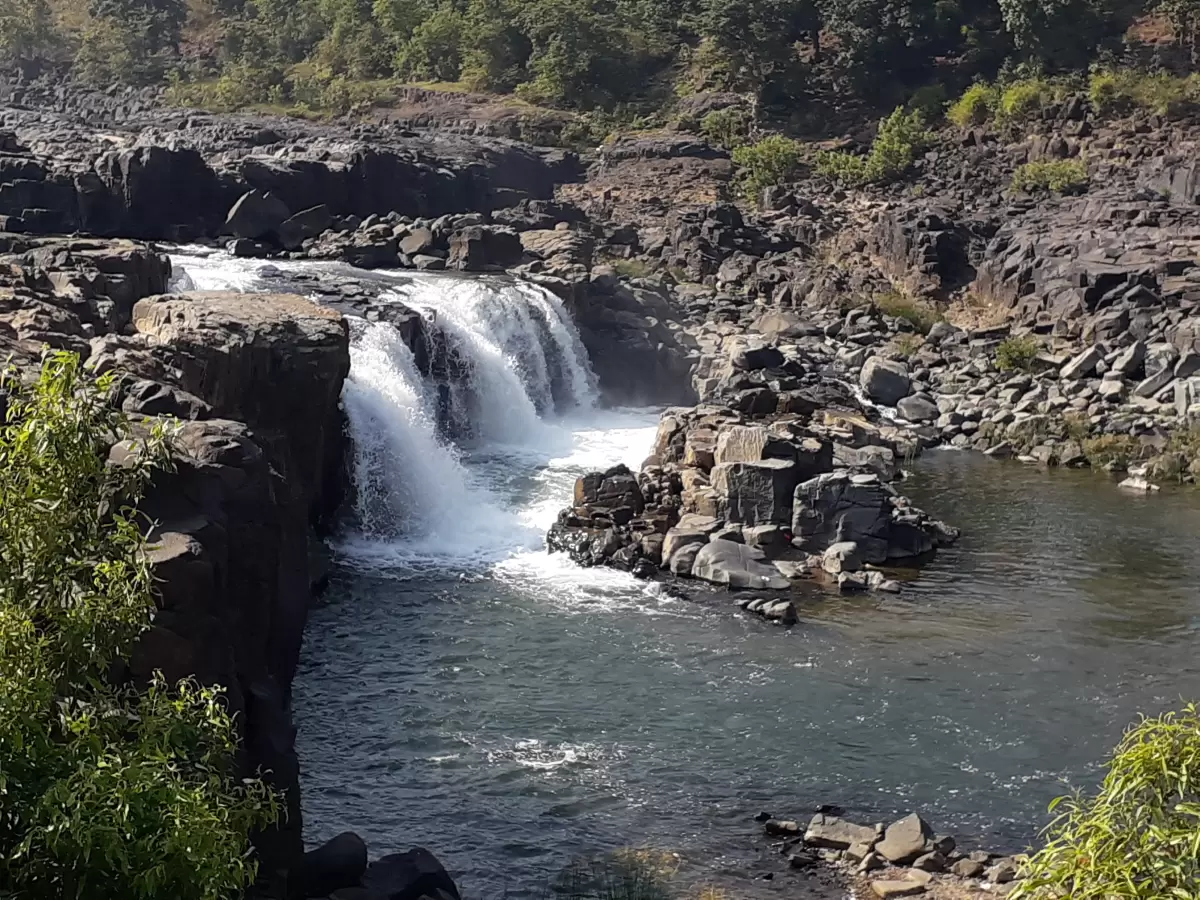
Visitors come to Johila Waterfall to see a natural river cascade in a forested setting near Amarkantak, often as part of short local sightseeing routes that include nearby plateaus and river viewpoints.
The on-ground atmosphere is quiet and natural, with flowing water, rocky terrain, and surrounding forest cover. There are no built structures or managed viewing platforms, and the area feels more like an open natural site than a developed attraction.
What makes this place distinct for travelers is its location on the Johila River in the Amarkantak region, offering a simple, undeveloped waterfall stop that reflects the natural landscape of the plateau rather than a curated tourist spot.
Johila Waterfall does not have documented historical events or structures associated with its formation. It is a natural feature created by the flow of the Johila River across the Amarkantak plateau’s rocky terrain.
The site is known primarily as a geographical and natural landmark rather than a historical or religious location, and its relevance comes from its connection to the local river system and surrounding forest landscape.
Johila Waterfall is most suitable to visit during and immediately after the monsoon season, when the Johila River carries sufficient water to form visible cascades and the surrounding forest remains green.
 Wildlife Sanctuary
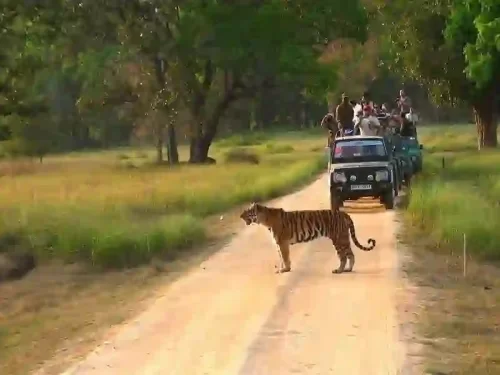
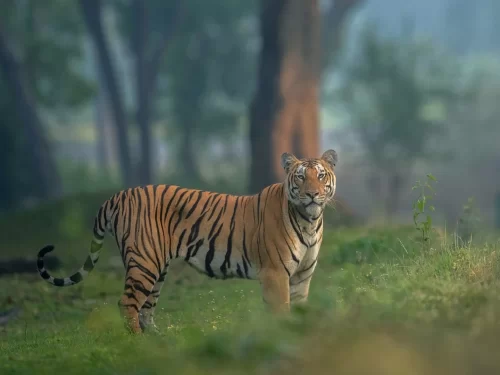
Tala Zone is a core area of Bandhavgarh National Park known for frequent tiger sightings.
 Wildlife Sanctuary
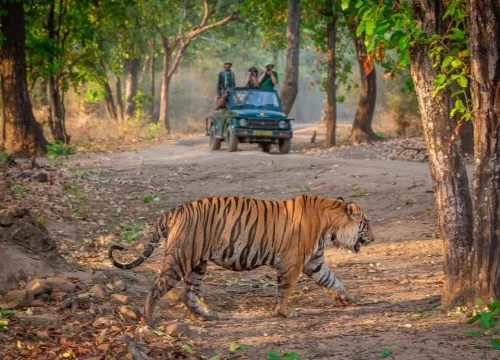
A designated buffer zone of Bandhavgarh National Park that supports wildlife conservation and controlled visitor access.
Get customized Madhya Pradesh tour planning designed around safari seasons, road travel distances, heritage site exploration time, and comfortable pacing across regions. Whether you are visiting for wildlife safaris, temple architecture, historical monume
⚡ Quick Response | 💰 Free consultation | 🕒 24×7 expert support