Quick Facts About Khitauli Zone
Quick Facts: Khitauli Zone, Bandhavgarh
| Entry Fee | INR 50–100 per person depending on guided tour options |
| Timings | 6:00 AM – 6:00 PM |
| Altitude (m) | 450–500 |
| Ideal Visit Duration | 2–4 hours |
| Best Time of Day | Early morning or late afternoon for wildlife activity |
| Crowd Level | Low to moderate |
| Distance from City Centre (km) | 10–12 km from Umaria town |
| Walking Difficulty | Easy to moderate; mostly flat trails with minor uneven sections |
| Parking Available | Yes, at designated entry points |
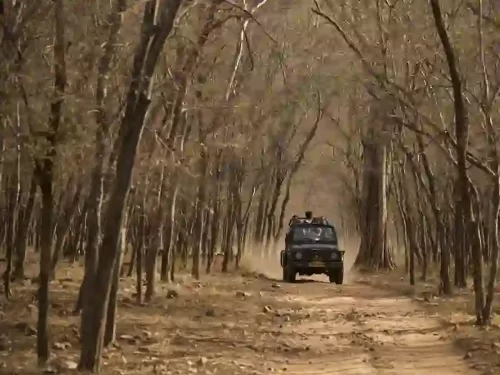
| Last Mile Access | Guided vehicles or walking on marked trails |
| Suitable for Kids | Yes, under supervision |
| Suitable for Seniors | Yes, with minimal walking required |
| Wheelchair Friendly | No, natural trails and uneven terrain |
Why Visit Khitauli Zone, Bandhavgarh
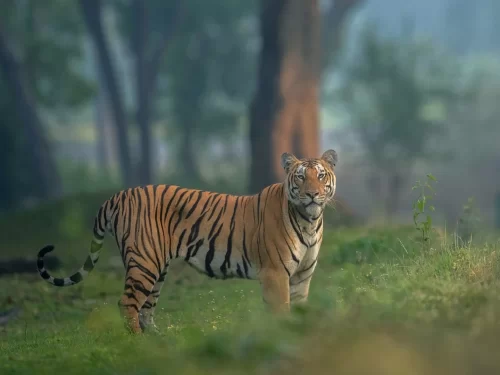
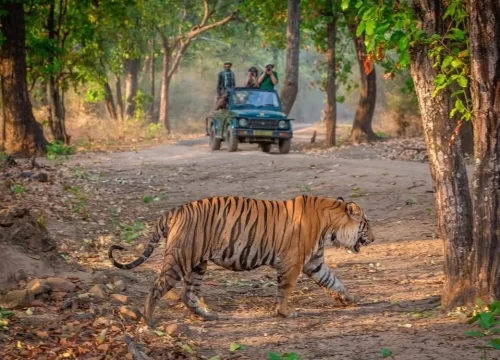
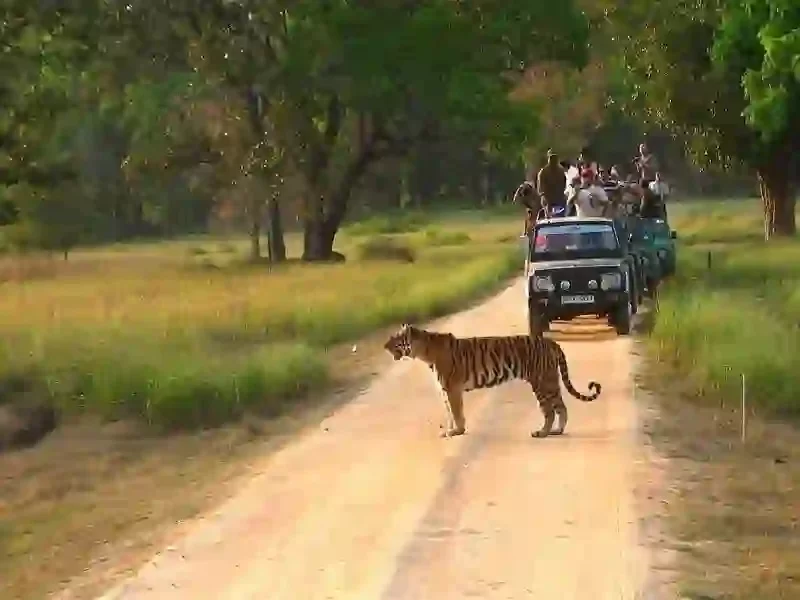
Visitors come to Khitauli Zone for guided wildlife observation and birdwatching, enjoying opportunities to spot species safely outside the core park area.
The atmosphere is quiet and natural, with open forest edges, grasslands, and small water bodies creating a calm environment for observation and photography.
This zone is distinct for providing controlled access to wildlife habitats, allowing educational and eco-tourism experiences while minimizing human impact on sensitive areas.
History of Khitauli Zone, Bandhavgarh
Khitauli Zone was established as a buffer area around Bandhavgarh National Park to reduce human-wildlife conflict and protect natural habitats. It supports biodiversity while allowing controlled eco-tourism and educational access.
The zone plays a key role in conservation planning, providing transitional space for species like tigers, leopards, and herbivores between the core park and surrounding communities.
Best Time to Visit Khitauli Zone, Bandhavgarh
The Khitauli Zone is best visited during the cooler months when wildlife activity is higher and trails are easier to navigate.
- Ideal months: October to March
- Weather conditions during best season: Mild temperatures, clear skies, and low humidity suitable for walking and wildlife observation
- Periods to avoid: June to September due to heavy monsoon rains, slippery trails, and reduced wildlife visibility
How to Reach Khitauli Zone, Bandhavgarh
- Nearest airport: Jabalpur Airport, approximately 160 km away, with domestic connections to major Indian cities.
- Nearest railway station: Umaria Railway Station, 25–30 km from Khitauli Zone, connecting regional and long-distance trains.
- Road access: Accessible via Bandhavgarh National Park roads; last-mile access requires guided vehicles or walking along designated trails.
What to Expect When You Visit Khitauli Zone, Bandhavgarh
- Environment: The zone features mixed forest edges, grasslands, and small water bodies supporting diverse wildlife.
- Facilities: Limited amenities; basic signage at entry points, no food or restroom facilities inside the zone.
- Accessibility: Mostly flat walking trails; guided vehicles available in some areas; uneven terrain limits wheelchair access.
- Visitor behavior: Quiet observation is encouraged; typical visitors include wildlife enthusiasts and guided groups.
Important Visitor Information for Khitauli Zone, Bandhavgarh
- Crowd and weather: Low to moderate crowds; best visited from October to March for comfortable temperatures and higher wildlife activity.
- Peak and quiet hours: Early morning (6:00–9:00 AM) is quietest for wildlife observation; late afternoon sees more guided groups.
- Dress code: Neutral-colored clothing and sturdy footwear recommended to blend with the environment and navigate trails safely.
- Safety notes: Stay on designated trails, follow guide instructions, carry water, and avoid visiting during heavy rains or extreme heat.
Photography and Viewpoints at Khitauli Zone, Bandhavgarh
- Best viewpoints: Elevated patches along forest edges and open grasslands provide unobstructed views of wildlife and landscapes.
- Lighting: Early morning (6:00–9:00 AM) and late afternoon offer soft, natural light suitable for photography without harsh shadows.
- Rules: Photography is permitted, but flash is discouraged and visitors must not disturb wildlife or guided groups.
- Crowd/access: Trails can be narrow; mornings are less crowded and provide better opportunities for wildlife shots and framing.