Quick Facts About Jata Shankar Cave Temple
Quick Facts: Jata Shankar Cave Temple
| Entry Fee | No entry fee |
| Timings | 6:00 AM – 6:00 PM |
| Altitude (m) | 350 |
| Ideal Visit Duration | 1–2 hours |
| Best Time of Day | Morning for cooler temperatures and fewer crowds |
| Crowd Level | Moderate, higher during festivals |
| Distance from City Centre (km) | 18 km from Satna city centre |
| Walking Difficulty | Moderate, involves climbing steps to the cave entrance |
| Parking Available | Yes, limited parking near temple |
| Last Mile Access | Short uphill walk from parking area to cave |
| Suitable for Kids | Yes, with supervision |
| Suitable for Seniors | Yes, caution required on steps |
| Wheelchair Friendly | No, steps prevent wheelchair access |
Why Visit Jata Shankar Cave Temple
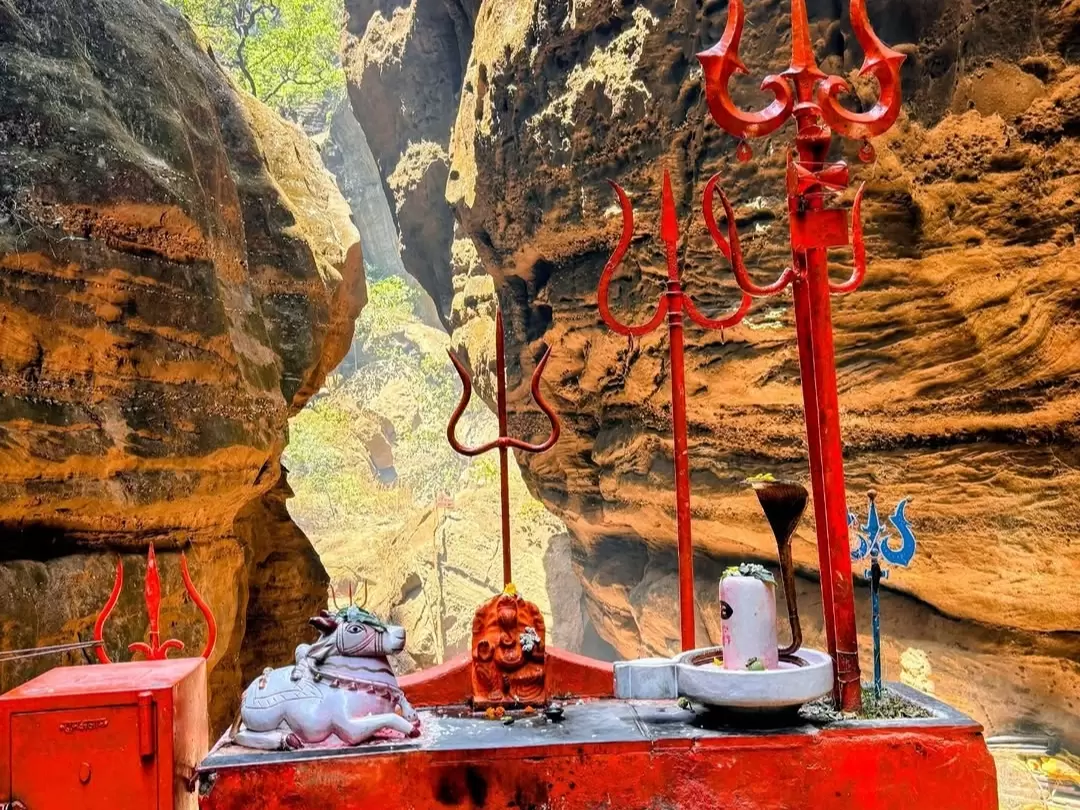
Visitors come to Jata Shankar Cave Temple to experience the natural rock formations and the sacred Shiva lingam inside the cave.
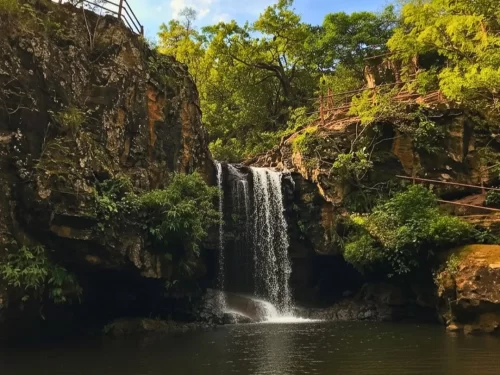
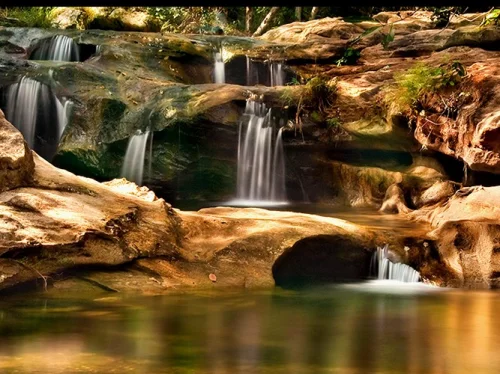
The temple offers a serene and spiritual atmosphere, with the sound of water flowing through the caves and birds in the surrounding forested area.
This place is distinct for its combination of religious significance and natural cave architecture, making it a unique stop for pilgrims and nature enthusiasts alike.
History of Jata Shankar Cave Temple
Jata Shankar Cave Temple is a natural cave shrine dedicated to Lord Shiva, symbolizing his matted hair or "jata." The temple is formed within a rocky gorge where a perennial stream flows, creating a naturally serene environment around the sacred site.
The cave has been a place of worship for centuries, attracting Hindu devotees who perform rituals, offer prayers, and seek blessings. The unique rock formations inside the cave are considered sacred and are associated with ancient myths linked to Shiva.
The temple’s cultural significance is reinforced by its location within a natural landscape, where the combination of flowing water, steep cliffs, and dense greenery creates a tranquil setting for meditation and pilgrimage. Visitors experience both spiritual reverence and the natural beauty of the region while exploring the site.
Best Time to Visit Jata Shankar Cave Temple
The best time to visit Jata Shankar Cave Temple is during the cooler and drier months, which provide comfortable conditions for exploring the cave and surrounding areas.
- Ideal months: October to March
- Weather conditions: Mild temperatures, low humidity, and minimal rainfall, making walking and sightseeing easier
- Periods to avoid: Monsoon months (July to September) due to slippery paths and potential water flow hazards inside the cave
How to Reach Jata Shankar Cave Temple
- Nearest airport: Bhopal Airport, approximately 160 km away, with taxis and private cabs available for onward travel.
- Nearest railway station: Pachmarhi Railway Station, about 12 km from the temple; local taxis and auto-rickshaws connect to the site.
- Road access: Well-connected by state highways; the last 2 km involves a narrow uphill road requiring careful driving, especially during rains.
What to Expect When You Visit Jata Shankar Cave Temple
- The temple is set in a natural rocky landscape with dense greenery, offering a quiet and shaded environment.
- Basic amenities include a small parking area, public restrooms near the entrance, and local shops selling refreshments.
- Access involves uneven stone steps and narrow pathways inside the cave; suitable footwear is recommended for safe movement.
- Visitors typically follow a calm and respectful behavior; moderate crowding occurs during weekends and festival days.
Important Visitor Information for Jata Shankar Cave Temple
- Peak hours are late mornings and weekends; early mornings are quieter for a peaceful visit.
- Weather can be hot in summer and slippery during monsoon; caution is needed on stone steps and inside the cave.
- Modest clothing is advised as this is a religious site; avoid shorts and sleeveless tops.
- Carry water and wear sturdy footwear; small children should be supervised due to uneven terrain.
Photography and Viewpoints at Jata Shankar Cave Temple
- Best views are from the main cave entrance and the terrace overlooking the surrounding hills, especially during early morning light.
- Soft morning and late afternoon light enhance the textures of the rock formations and the temple structure.
- Photography inside the cave is allowed but avoid using flash near sensitive carvings to prevent damage.
- Crowds can be higher around noon; early visits provide clearer shots with fewer visitors in the frame.