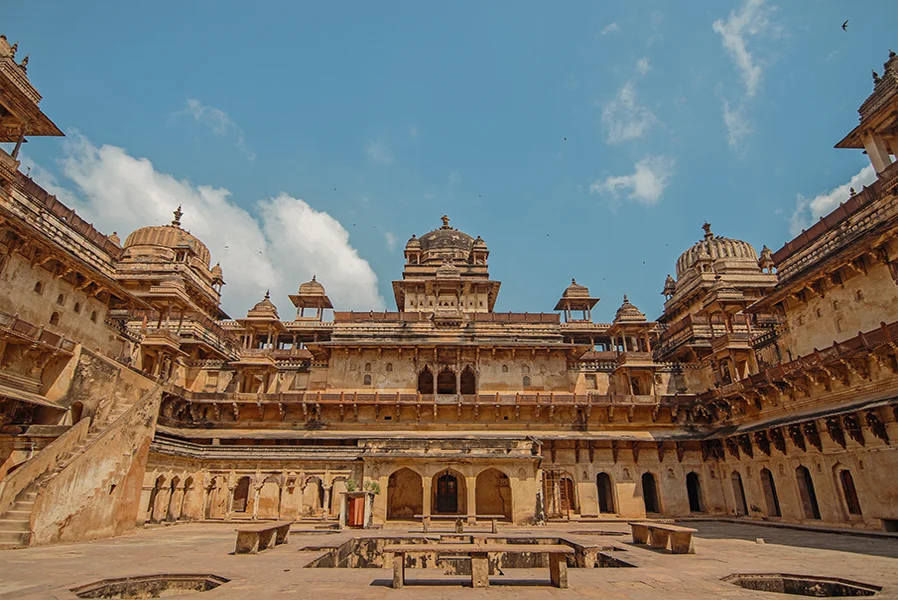
Jahangir Mahal, Orchha, Madhya Pradesh, India

Jahangir Mahal , Orchha
Visitors come to admire its blend of Bundela and Mughal architecture, ornate balconies, grand courtyards, and panoramic views of the surrounding landscape. The palace is considered one of Orchha’s finest architectural landmarks and a key attraction for those interested in history and heritage.

Quick Facts About Jahangir Mahal

Jahangir Mahal Quick Facts

Entry Fee Included in the Orchha Fort Complex entry ticket
Timings Generally open daily from 8:00 AM to 5:00 PM
Altitude (m) Approximately 230 m above sea level
Ideal Visit Duration 1–2 hours
Best Time of Day Morning or late afternoon for comfortable exploration and photography
Crowd Level Moderate; busiest during weekends, holidays, and peak tourist season
Distance from City Centre (km) Approximately 1 km from Orchha town centre
Walking Difficulty Easy to Moderate; involves walking through courtyards, corridors, and climbing staircases
Parking Available Yes, parking facilities are available near the Orchha Fort Complex
Last Mile Access Direct road access followed by a short walk within the fort complex
Suitable for Kids Yes
Suitable for Seniors Yes, though access to upper levels requires climbing stairs
Wheelchair Friendly No; heritage architecture includes multiple staircases and uneven pathways

Why Visit Jahangir Mahal Orchha

Visitors come to Jahangir Mahal to admire one of Orchha’s most iconic palaces, celebrated for its grand design, ornate architecture, and impressive royal courtyards.

The atmosphere is historic and visually striking, with expansive terraces, arched gateways, and intricate stonework creating an engaging experience for heritage enthusiasts and photographers.

What makes Jahangir Mahal distinct is its blend of Rajput and Mughal architectural styles, multi-storey layout, and commanding views over Orchha’s forts, temples, and surrounding countryside.

History of Jahangir Mahal

Jahangir Mahal is a grand palace in Orchha, Madhya Pradesh, built in the early 17th century by Bundela ruler Raja Bir Singh Deo. The palace was constructed to commemorate the visit of Mughal Emperor Jahangir to Orchha, reflecting the political alliance and friendship between the Bundela kingdom and the Mughal Empire.

Renowned for its blend of Bundela and Mughal architectural styles, the palace features ornate balconies, intricately carved gateways, domed pavilions, and spacious courtyards. Its design showcases the artistic excellence and royal grandeur of the period.

Today, Jahangir Mahal is one of Orchha's most celebrated historical landmarks, offering visitors a glimpse into the region's royal heritage and the architectural achievements of the Bundela dynasty.

Best Time to Visit Jahangir Mahal Orchha

Jahangir Mahal is best visited from October to March when the weather in Orchha is pleasant for exploring the grand palace complex, climbing its terraces, and enjoying unobstructed views of the Betwa River and surrounding heritage monuments.
  • Ideal months: October to March is the most suitable period to visit Jahangir Mahal, offering comfortable temperatures for sightseeing and architectural exploration.
  • Weather conditions during the best season: Cool to mild weather, clear skies, and low humidity make it ideal for wandering through the palace courtyards, viewing its Indo-Islamic architecture, and capturing photographs from the upper balconies.
  • Periods to avoid: April to June can be extremely hot, especially during midday hours when the sandstone structure absorbs heat. During the monsoon season from July to September, rainfall may affect outdoor exploration, though the surrounding landscapes become lush and picturesque.

How to Reach Jahangir Mahal Orchha

  • Nearest Airport: Gwalior Airport, located approximately 120 km from Jahangir Mahal, is the nearest major airport. Khajuraho Airport, about 175 km away, is another convenient gateway for travelers visiting Orchha.
  • Nearest Railway Station: Orchha Railway Station, around 3 km away, is the nearest railway station. Jhansi Junction, approximately 18 km from Orchha, is the nearest major railhead with excellent connectivity to major Indian cities.
  • Road Access and Last-Mile Connectivity: Jahangir Mahal is located within the Orchha Fort Complex and is easily accessible by road from Jhansi, Gwalior, Khajuraho, and nearby towns. Visitors can reach the fort by private vehicle, taxi, auto-rickshaw, or local transport. The final approach involves a short walk through the heritage complex, with stone pathways and steps leading to various sections of the palace. Comfortable footwear is recommended for exploring the monument.

What to Expect When You Visit Jahangir Mahal

  • Environment and Surroundings: Jahangir Mahal is a grand palace within the Orchha Fort Complex, surrounded by historic courtyards, fortified walls, and panoramic views of the Betwa River and Orchha town. The monument is known for its blend of Mughal and Bundela architectural elements.
  • Facilities and Amenities: Basic visitor facilities, including ticketing services, parking areas, and designated pathways, are available within the fort complex. Restaurants, shops, and other tourist services are located in nearby Orchha town rather than inside the palace.
  • Accessibility and Movement: The palace is accessible by road and explored entirely on foot. Visitors should expect staircases, elevated terraces, uneven stone surfaces, and multiple interconnected levels while navigating the historic structure.
  • Visitor Conditions: Visitors typically spend time exploring the palace architecture, decorative balconies, courtyards, and viewpoints. Some sections have steep stairs and open edges, requiring caution. Crowd levels are generally moderate, with increased visitor activity during weekends, holidays, and peak tourism seasons.

Important Visitor Information for Jahangir Mahal

  • Jahangir Mahal attracts the highest number of visitors during weekends, public holidays, and the peak tourism season from October to March when Orchha receives the most tourists.
  • Early morning hours generally offer a quieter experience and better opportunities to appreciate the palace architecture before larger visitor groups arrive.
  • Winter provides the most comfortable weather for exploring the palace complex, while summer afternoons can be hot and exposed.
  • No specific dress code applies, though comfortable clothing and sturdy footwear are recommended for navigating courtyards, stairways, and elevated sections of the monument.
  • Visitors should exercise caution on steep staircases, balconies, and uneven stone surfaces, and avoid climbing on restricted areas to help preserve the historic structure.

Photography and Viewpoints at Jahangir Mahal

  • The best photographs are captured from the central courtyard, where the grand Mughal-Rajput architecture, symmetrical design, ornate balconies, and towering corner pavilions can be framed together.
  • Early morning and late afternoon provide the most favorable lighting conditions, highlighting the intricate stone carvings, decorative brackets, chhatris, and geometric patterns across the palace façade.
  • The upper terraces and jharokhas offer panoramic views of Orchha's historic skyline, including Raja Mahal, the Betwa River, and the surrounding temple complexes.
  • Wide-angle photography from the courtyard is ideal for showcasing the scale, symmetry, and architectural grandeur of one of Orchha's most iconic monuments.
  • The palace's arched gateways, ceremonial halls, and rooftop pavilions are best photographed during daylight hours when details and textures are clearly visible.
  • Photography is generally permitted throughout the monument complex, though visitors should comply with any regulations issued by the Archaeological Survey of India regarding protected heritage sites.
  • Weekends, holidays, and peak tourist seasons can result in higher visitor numbers, while weekday mornings typically provide quieter conditions and unobstructed architectural views.

Near By Attraction

 Historical Site

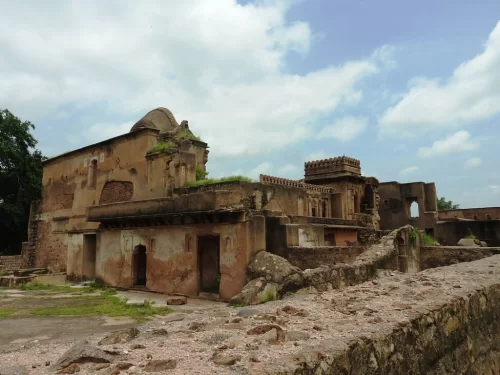
Dauji Ki Kothi

Dauji Ki Kothi is a 17th-century historic mansion and ruin located within the Orchha fort complex in Madhya Pradesh.
 Adventure Park

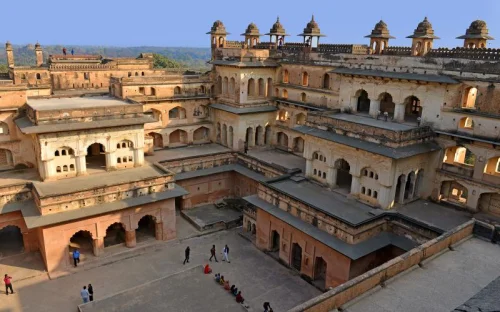
Orchha Fort Complex

Orchha Fort Complex is a historic fortified palace and temple complex situated on the banks of the Betwa River in Orchha, Madhya Pradesh.
 Tourist Attraction

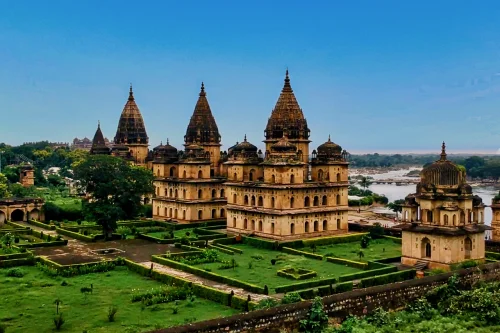
Chhatris cenotaphs

The Chhatris of Orchha are a group of royal cenotaphs built along the banks of the Betwa River to commemorate the Bundela rulers of Orchha.

Frequently Asked Questions About Jahangir Mahal

Loved this place ? Let’s Plan Your Madhya Pradesh Trip

Get customized Madhya Pradesh tour planning designed around safari seasons, road travel distances, heritage site exploration time, and comfortable pacing across regions. Whether you are visiting for wildlife safaris, temple architecture, historical monume

⚡ Quick Response | 💰 Free consultation | 🕒 24×7 expert support

×

Plan Your Trip