+91 9910402252
admin@chalbanjare.com


| Entry Fee | No separate entry fee; access is generally included with entry to the Orchha Fort Complex where applicable |
| Timings | Generally accessible between 7:00 AM and 9:00 PM as part of the fort complex area |
| Altitude (m) | Approximately 230 m above sea level |
| Ideal Visit Duration | 15–30 minutes |
| Best Time of Day | Morning or late afternoon for photography and comfortable exploration |
| Crowd Level | Low; receives fewer visitors than the main monuments of Orchha |
| Distance from City Centre (km) | Approximately 1 km from Orchha town centre |
| Walking Difficulty | Easy; reached via walking paths within the fort complex |
| Parking Available | Yes, parking is available near the Orchha Fort Complex |
| Last Mile Access | Accessible by road to the fort complex followed by a short walk |
| Suitable for Kids | Yes, with supervision around historic ruins |
| Suitable for Seniors | Yes, though some uneven surfaces may require caution |
| Wheelchair Friendly | Partially accessible; uneven pathways and historic structures may limit movement in some areas |
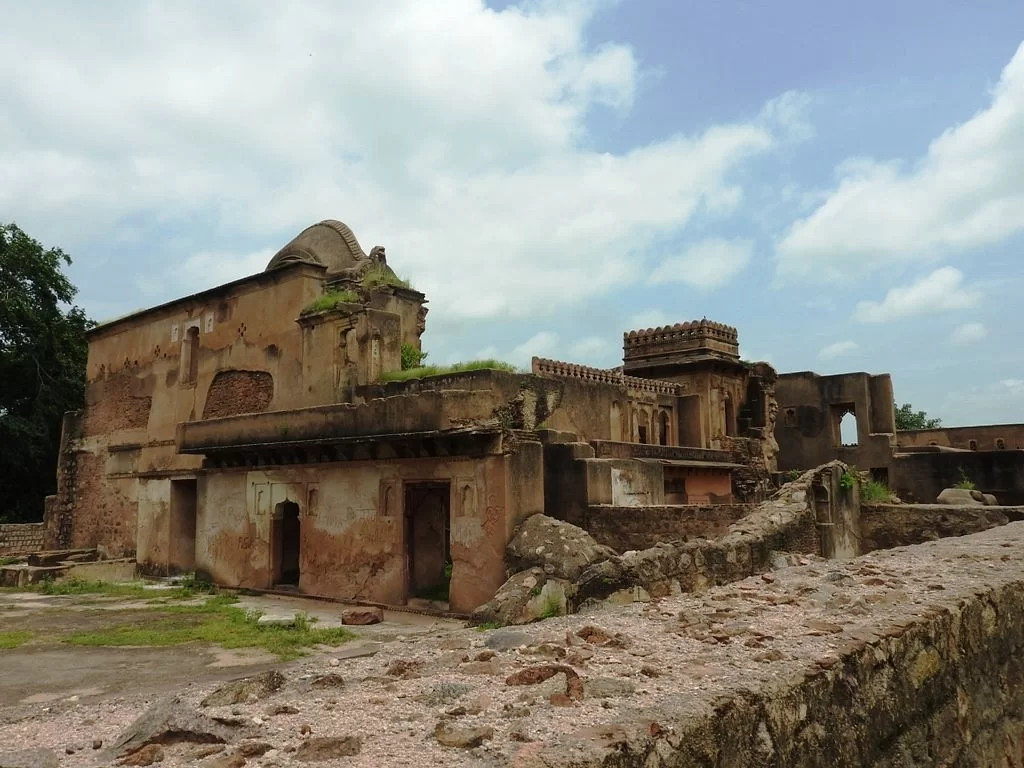
Visitors come to Dauji Ki Kothi to explore one of the lesser-known historic structures within the Orchha fort complex. The site attracts travelers interested in Bundela-era architecture, heritage ruins, and quieter corners beyond the main palace attractions.
The atmosphere is relatively peaceful, with weathered stonework, large arches, open courtyards, and fewer crowds than the nearby royal palaces. Walking through the structure provides close views of its surviving architectural details and the surrounding fort landscape.
What makes Dauji Ki Kothi distinct is its partially preserved ruin, which offers a different perspective on Orchha's built heritage. Its combination of grand scale, visible signs of age, and location within the historic fort precinct creates an experience that differs from the more frequently visited monuments in Orchha.
Dauji Ki Kothi is a historic residential structure associated with the architectural heritage of the Gwalior region. The building reflects the style of large estate houses, or kothis, that were constructed during the period when Gwalior was under the influence of the Scindia rulers.
The structure is valued primarily for its historical and architectural significance, representing the residential character of elite properties that formed part of Gwalior's urban development during the late princely-state era.
Today, Dauji Ki Kothi remains a reminder of Gwalior's historical landscape and contributes to the city's legacy of heritage buildings connected with its royal and administrative past.
Dauji Ki Kothi is best visited during the cooler months when exploring its historic architecture and surrounding grounds is more comfortable, allowing visitors to spend time appreciating the site's heritage features without the challenges of extreme summer heat.
 Adventure Park
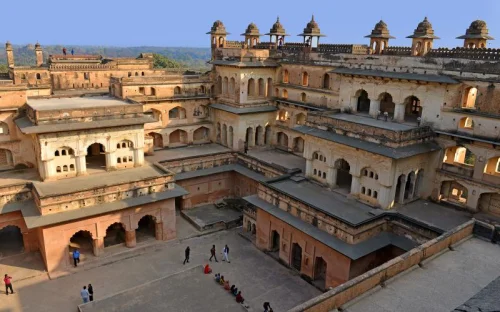
Orchha Fort Complex is a historic fortified palace and temple complex situated on the banks of the Betwa River in Orchha, Madhya Pradesh.
 Tourist Attraction
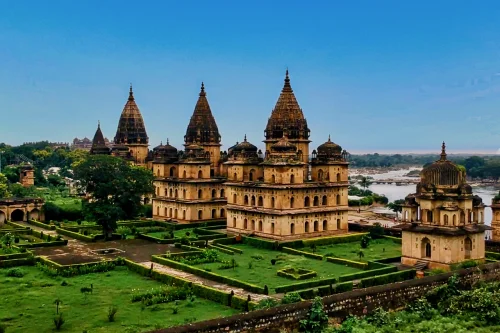
The Chhatris of Orchha are a group of royal cenotaphs built along the banks of the Betwa River to commemorate the Bundela rulers of Orchha.
 Adventure Park
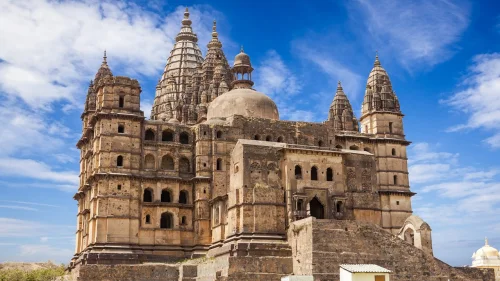
Chaturbhuj Temple is a historic Hindu temple in Orchha, Madhya Pradesh, dedicated to Lord Vishnu and renowned for its towering architecture and distinctive blend of temple and palace design.
Get customized Madhya Pradesh tour planning designed around safari seasons, road travel distances, heritage site exploration time, and comfortable pacing across regions. Whether you are visiting for wildlife safaris, temple architecture, historical monume
⚡ Quick Response | 💰 Free consultation | 🕒 24×7 expert support

