+91 9910402252
admin@chalbanjare.com


| Entry Fee | Indian adult 150 rupees per person, Indian student 50 rupees per person, foreign adult 500 rupees per person, children below 12 years free, separate charges may apply for camera |
|---|---|
| Timings | Open Tuesday to Sunday generally from 10 00 AM to 6 00 PM, closed on Monday and national holidays |
| Altitude (m) | Located at approximately 510 meters above sea level in Shyamla Hills area of Bhopal |
| Ideal Visit Duration | Two to four hours to explore indoor galleries and extensive open air tribal habitat exhibits |
| Best Time of Day | Late morning or early afternoon for comfortable exploration of galleries and outdoor displays |
| Crowd Level | Moderate crowds with higher visitation on weekends, school trips, and holidays |
| Distance from City Centre (km) | About eight to nine kilometers from Bhopal Junction railway station and central city area |
| Walking Difficulty | Low to moderate walking difficulty with paved routes and some gentle slopes across the open air complex |
| Parking Available | Yes parking available within the museum campus near the main entrance |
| Last Mile Access | Taxi, auto rickshaw, and local bus services available to reach the museum entrance |
| Suitable for Kids | Yes suitable for children with educational exhibits and life size tribal displays |
| Suitable for Seniors | Yes generally suitable with resting benches and accessible indoor galleries |
| Wheelchair Friendly | Partially wheelchair accessible on main indoor floors though some outdoor sections may be uneven |
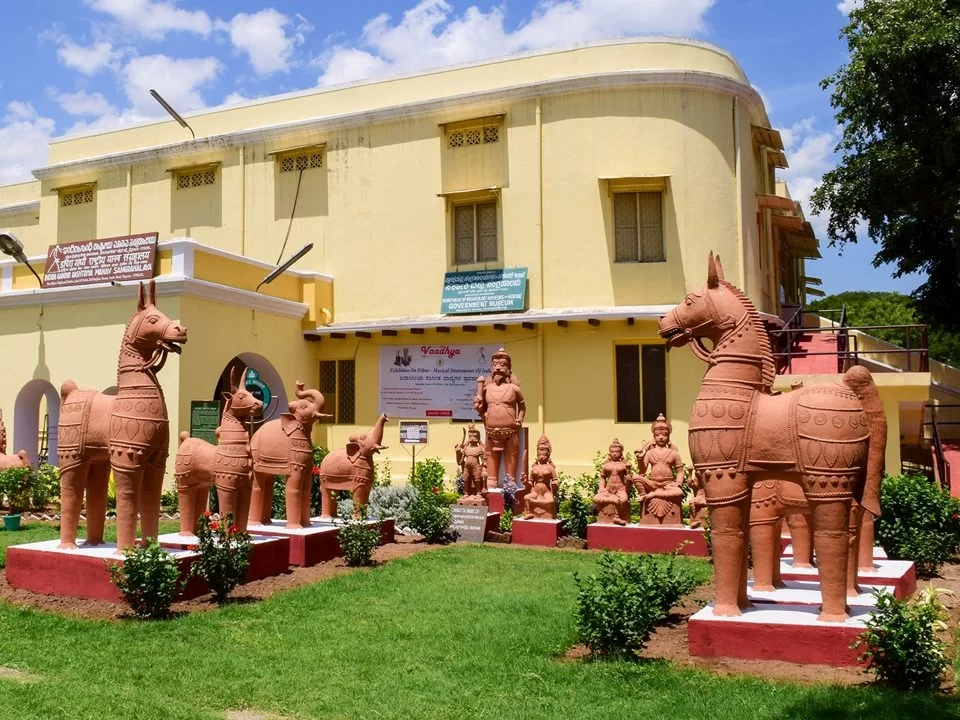
Atmosphere at Indira Gandhi Rashtriya Manav Sangrahalaya in Bhopal is expansive, immersive, and culturally enriching, spread across a vast hill overlooking Upper Lake. The open-air museum setting, landscaped pathways, and panoramic viewpoints create a learning environment that feels natural and experiential rather than confined. Visitors walk through recreated tribal dwellings and traditional settlements, experiencing India’s cultural diversity within a peaceful outdoor landscape.
What makes this museum special is its comprehensive anthropological representation of India’s tribal and rural heritage. As one of Asia’s largest open-air anthropological museums, it showcases life-sized habitat models, indigenous technologies, traditional art forms, and community practices from different regions of the country. The exhibits are constructed using authentic materials and traditional building techniques, offering rare insight into ecological adaptation, social structures, and craftsmanship across cultures.
Beyond its academic significance, Indira Gandhi Rashtriya Manav Sangrahalaya serves as a platform for preserving and celebrating living traditions. It attracts researchers, students, families, and cultural enthusiasts seeking deeper understanding of India’s social evolution and indigenous knowledge systems. The combination of scenic setting, educational depth, and cultural authenticity ensures a meaningful and memorable visit in Bhopal.
Indira Gandhi Rashtriya Manav Sangrahalaya (IGRMS) was established in 1977 as a national-level anthropological museum dedicated to documenting and presenting the cultural diversity of India. Developed under the Ministry of Culture, Government of India, the institution was later named in honor of former Prime Minister Indira Gandhi. It was conceived as a center to preserve the tangible and intangible heritage of India’s tribal and rural communities through research, documentation, and public engagement.
Spread across a vast hillside campus overlooking the Upper Lake in Bhopal, the museum is distinctive for its open-air exhibitions that recreate traditional dwellings, village environments, and indigenous architectural forms from different regions of the country. The approach emphasizes living traditions, community participation, and contextual representation rather than static artifact display, making it unique among cultural institutions in India.
Over the years, Indira Gandhi Rashtriya Manav Sangrahalaya has evolved into an important center for anthropological research, heritage preservation, and educational outreach. Through exhibitions, workshops, festivals, and academic programs, it continues to highlight India’s social evolution and cultural plurality while strengthening Bhopal’s identity as a major cultural hub.
The best time to visit Indira Gandhi Rashtriya Manav Sangrahalaya in Bhopal depends on weather comfort, as this National Museum of Mankind features extensive open-air tribal habitat exhibits along with indoor galleries. Choosing the right season ensures a comfortable exploration of its vast campus.
October to March is considered the most ideal period to visit. During these months, Bhopal experiences cool and pleasant weather, making it comfortable to walk through the open-air tribal dwellings, cultural exhibits, and landscaped pathways without heat fatigue.
Summer months from April to June can be quite warm, particularly during midday hours. Early morning or late afternoon visits are strongly recommended in this season to comfortably explore the outdoor sections, while indoor galleries remain suitable throughout the day.
Monsoon season from July to September enhances the greenery across the expansive museum grounds, offering a refreshing atmosphere. While occasional rainfall may affect extended outdoor exploration, the site remains accessible and generally sees fewer visitors during this time.
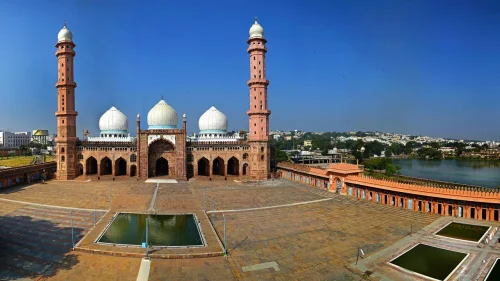 Mosque
Taj-ul-Masajid is a historic mosque in Bhopal, Madhya Pradesh, and is one of the largest mosques in India.
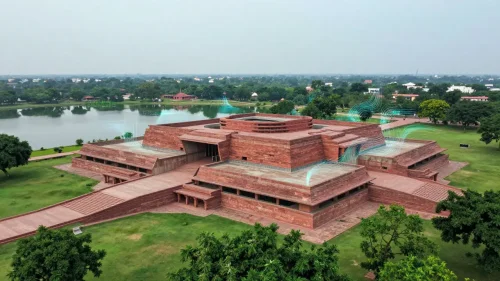 Museum
Bharat Bhavan is a multi-arts cultural centre in Bhopal, Madhya Pradesh, dedicated to visual arts, theatre, literature, music, and cultural exhibitions.
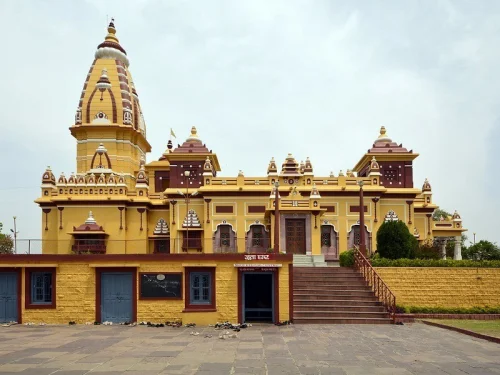 Temple
Birla Mandir, also known as Lakshmi Narayan Temple, is a prominent Hindu temple situated on Arera Hills in Bhopal, Madhya Pradesh.
Get customized Madhya Pradesh tour planning designed around safari seasons, road travel distances, heritage site exploration time, and comfortable pacing across regions. Whether you are visiting for wildlife safaris, temple architecture, historical monume
⚡ Quick Response | 💰 Free consultation | 🕒 24×7 expert support

