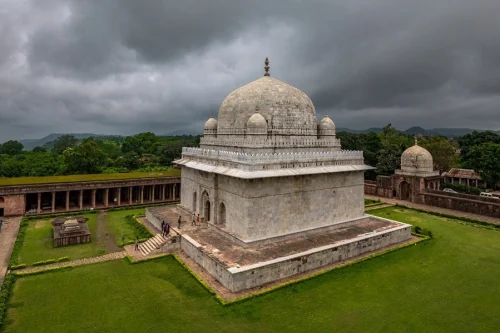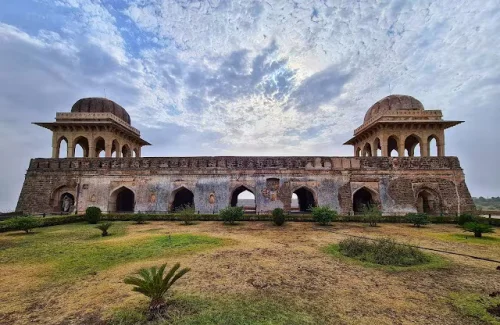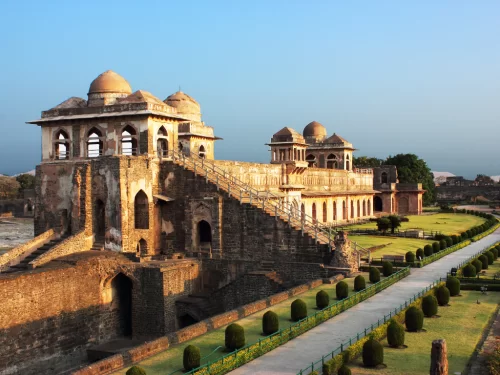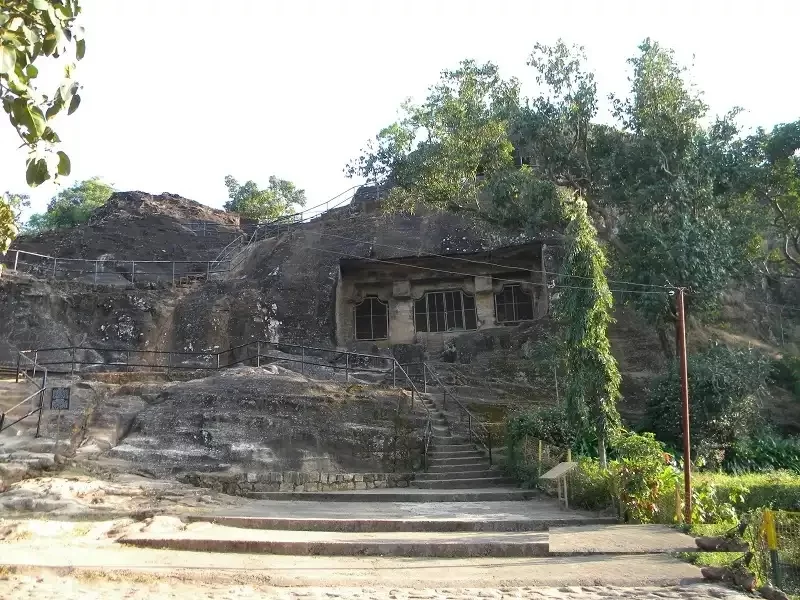
Quick Facts About Dhar Fort
Quick Facts: Dhar Fort
| Entry Fee | INR 20 per adult, INR 10 per child (subject to change) |
| Timings | 7:00 AM – 6:00 PM daily |
| Altitude (m) | 530 |
| Ideal Visit Duration | 1–2 hours |
| Best Time of Day | Morning or late afternoon for cooler temperatures and photography |
| Crowd Level | Moderate; weekends see slightly higher visitor numbers |
| Distance from City Centre (km) | 2 km from Dhar city center |
| Walking Difficulty | Moderate; involves uphill paths and uneven terrain |
| Parking Available | Limited parking near the base of the fort |
| Last Mile Access | Footpaths and small steps lead from parking to main fort entrance |
| Suitable for Kids | Yes, with supervision due to uneven paths |
| Suitable for Seniors | Partially; steep sections may be challenging |
| Wheelchair Friendly | No; steep terrain and steps make access difficult |
Why Visit Dhar Fort
Visitors come to Dhar Fort to explore its elevated location offering panoramic views of Dhar city and surrounding landscapes.
The fort grounds have a quiet, open atmosphere with natural stone pathways and shaded areas, providing a peaceful experience despite moderate visitor traffic.
Dhar Fort is distinct for its blend of accessible ramparts, vantage points for photography, and proximity to Dhar city, making it a practical short excursion for travelers.
History of Dhar Fort
Dhar Fort was originally built in the 18th century by the local Maratha rulers as a strategic defensive structure overlooking the city of Dhar.
The fort served as a military base and residence for the rulers, controlling the surrounding region and trade routes.
Although partially in ruins today, the fort retains its historical architecture, including stone ramparts, gates, and watchtowers, reflecting its defensive significance.
Local festivals and cultural events occasionally make use of the fort premises, maintaining its relevance to the community and heritage tourism.
Visitors can observe inscriptions and architectural details that highlight Maratha-era construction techniques and regional stonework traditions.
Best Time to Visit Dhar Fort
The best time to visit Dhar Fort is during the cooler months when weather conditions are comfortable for exploring the fort and surrounding areas.
- Ideal months: October to March
- Weather conditions during the best season: Mild temperatures between 15°C and 28°C, low humidity, clear skies for sightseeing
- Periods to avoid: June to September due to heavy monsoon rainfall, slippery pathways, and limited visibility
How to Reach Dhar Fort
- Nearest airport: Devi Ahilya Bai Holkar Airport, Indore, approximately 90 km away, with taxi and bus options available.
- Nearest railway station: Dhar Railway Station, around 2 km from the fort, limited train services; Indore Junction (90 km) offers better connectivity.
- Road access: Well-connected by state highways; last-mile access via local taxis or auto-rickshaws. Roads are hilly near the fort, so caution is advised during monsoon.
What to Expect When You Visit Dhar Fort
- Environment: The fort is situated on a hill with rocky terrain, offering panoramic views of Dhar city and surrounding forests.
- Facilities: Limited amenities on-site; small shops and water points are available near the entrance. No restrooms inside the main fort complex.
- Accessibility: Access involves steep steps and uneven paths; suitable footwear recommended. Mobility-impaired visitors may face difficulties.
- Visitor behavior: Moderate crowds; most visitors spend 1–2 hours exploring. Photography is common, but drones may be restricted.
Important Visitor Information for Dhar Fort
- Crowd & Weather: Moderate visitor flow; mornings and late afternoons are cooler and less crowded. Avoid monsoon season due to slippery paths.
- Peak & Quiet Hours: Peak visiting hours are 10:00 AM to 2:00 PM; early morning or late afternoon recommended for quieter experience.
- Dress Code: No formal dress code; comfortable, sturdy footwear recommended due to uneven terrain.
- Safety & Practical Notes: Steep steps and rocky surfaces; supervision required for children. Carry water and be cautious on slopes.
Photography and Viewpoints at Dhar Fort
- Best Viewpoints: Upper ramparts offer panoramic views of Dhar city; main entrance gates provide architectural framing shots.
- Lighting & Timing: Early morning and late afternoon provide soft natural light; midday sun can create harsh shadows.
- Photography Rules: No flash photography inside preserved interiors; drones are prohibited without prior permission.
- Crowd & Access: Crowds are moderate; narrower pathways may limit wide-angle shots during peak hours. Accessible via main steps and pathways.