+91 9910402252
admin@chalbanjare.com


| Entry Fee | Varies by zone, safari type, and permit category |
| Timings | Seasonal safari slots; typically morning and afternoon safaris only (times change by season) |
| Altitude (m) | Approx. 440–811 m above sea level (varies by zone and terrain) |
| Ideal Visit Duration | 2–3 days |
| Best Time of Day | Morning safari |
| Crowd Level | High in peak season (October–February); moderate in shoulder months |
| Distance from City Centre (km) | Approx. 35 km from Umaria town (Tala gate area) |
| Walking Difficulty | Low (movement mainly by safari vehicles; no walking in core zones) |
| Parking Available | Yes, at safari entry gates |
| Last Mile Access | Authorized safari vehicles only inside forest zones |
| Suitable for Kids | Yes, with supervision |
| Suitable for Seniors | Yes, with assistance for vehicle access and early hours |
| Wheelchair Friendly | No |
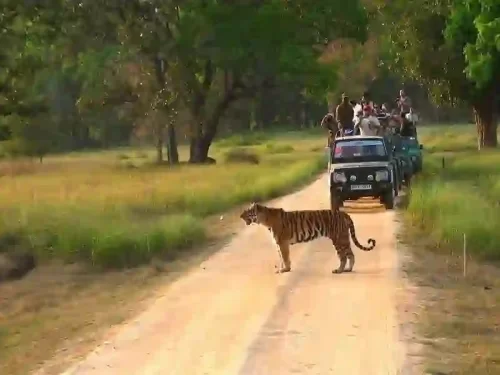
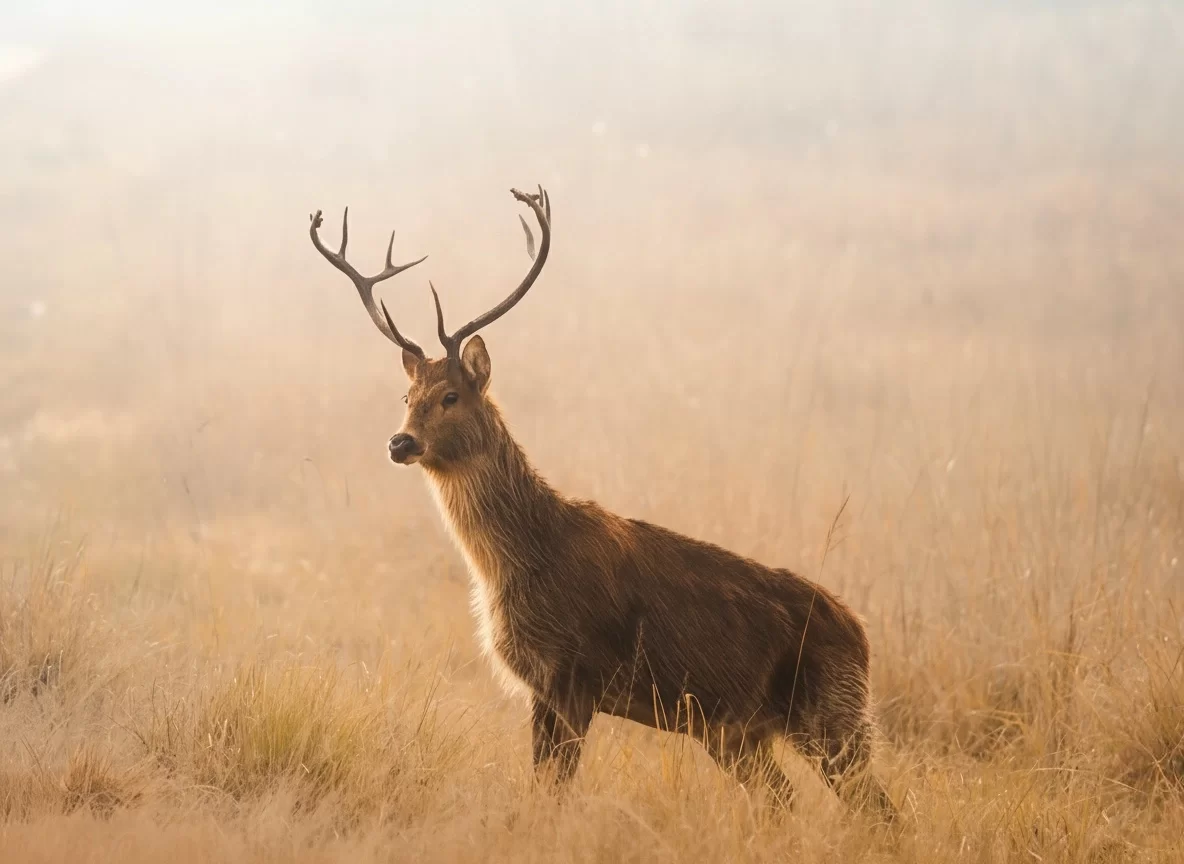
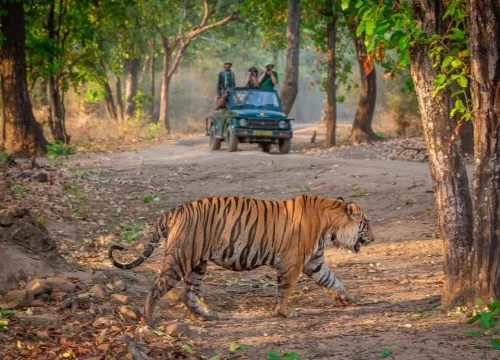
Visitors come to Bandhavgarh National Park primarily for wildlife safaris, especially for the chance to see Bengal tigers, along with deer species, leopards, birds, and forest wildlife within a regulated safari system.
The on-ground atmosphere is controlled and forest-focused, with movement restricted to fixed safari routes through sal forests, grasslands, and water bodies. The park environment is quiet, dust-filled in dry seasons, and cool in early mornings, with limited human activity beyond safari operations.
What makes Bandhavgarh National Park distinct is its combination of compact safari zones, high-density tiger habitat, and the presence of Bandhavgarh Fort within the reserve landscape, creating a wildlife experience that blends forest ecology with restricted-access heritage terrain.
Bandhavgarh National Park is centered around the ancient Bandhavgarh Fort, located on a hill within the reserve. Archaeological remains such as caves, rock carvings, statues, and man-made reservoirs around the fort indicate long-term human settlement and activity in the region across multiple historical periods.
The forest area surrounding the fort was historically part of the Rewa princely state and was traditionally used as a royal hunting ground. This period shaped the early protection of wildlife populations in the region, as hunting was regulated under royal control rather than open access.
In 1968, the area was officially declared Bandhavgarh National Park, shifting its role from controlled hunting grounds to formal wildlife conservation. Later, it became part of Project Tiger in 1993, strengthening protection measures, habitat management, and regulated tourism, which defines the park’s current structure and controlled safari system.
Bandhavgarh National Park is open seasonally for tourism, and wildlife visibility, safari comfort, and travel conditions vary significantly across the year, making timing important for visit planning.
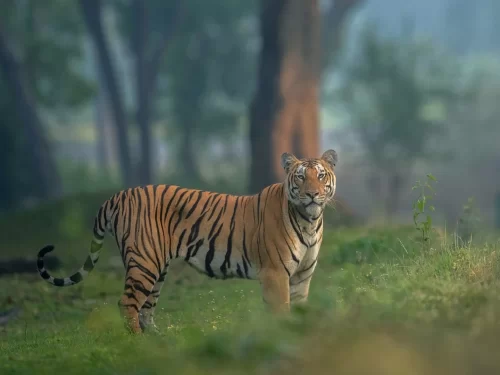 Wildlife Sanctuary
Tala Zone is a core area of Bandhavgarh National Park known for frequent tiger sightings.
 Wildlife Sanctuary
A designated buffer zone of Bandhavgarh National Park that supports wildlife conservation and controlled visitor access.
Get customized Madhya Pradesh tour planning designed around safari seasons, road travel distances, heritage site exploration time, and comfortable pacing across regions. Whether you are visiting for wildlife safaris, temple architecture, historical monume
⚡ Quick Response | 💰 Free consultation | 🕒 24×7 expert support