+91 9910402252
admin@chalbanjare.com


| Entry Fee | INR 50 per person (entry only, separate guide fees may apply) |
| Timings | 6:00 AM – 5:00 PM |
| Altitude (m) | 811 |
| Ideal Visit Duration | 2–3 hours |
| Best Time of Day | Morning for cooler temperatures and better visibility |
| Crowd Level | Moderate, can be higher during peak tourist season |
| Distance from City Centre (km) | 2 km from Bandhavgarh National Park main entrance |
| Walking Difficulty | Moderate to difficult; steep paths and uneven terrain |
| Parking Available | Yes, small lot near the base of the fort |
| Last Mile Access | Requires uphill walk or local guide-assisted climb |
| Suitable for Kids | Not recommended for very young children due to steep paths |
| Suitable for Seniors | Limited; strenuous walk and uneven surfaces |
| Wheelchair Friendly | No, steep and uneven terrain |
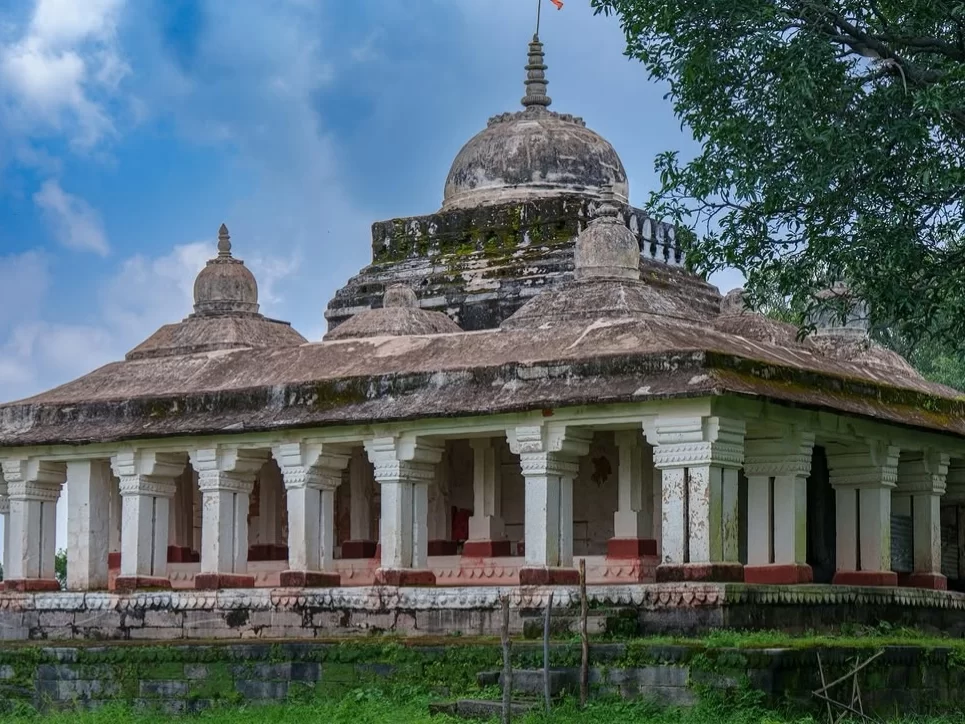
Visitors come to Bandhavgarh Fort to explore its hilltop location and experience the architecture and layout of a historic fortification.
The fort offers a quiet and natural atmosphere, with forested surroundings and panoramic views that create a sense of remoteness and observation.
Bandhavgarh Fort is distinct for its elevated position within Bandhavgarh National Park, combining trekking, wildlife views, and heritage exploration in a single visit.
Bandhavgarh Fort is an ancient hilltop fort believed to have been constructed over 1,000 years ago. Built primarily with stone, the fort occupies a commanding position atop a plateau within the Bandhavgarh region, offering strategic oversight of the surrounding forested landscape. Its walls, gates, and watchtowers were designed to provide security and observation, making it a key stronghold for the rulers of the area. The fort's construction reflects traditional defensive architecture, with narrow pathways, steep steps, and fortified enclosures that allowed inhabitants to monitor approaching threats effectively.
The fort has significant cultural and historical value. It was associated with regional dynasties who governed the area and relied on the fort to oversee the surrounding forests, which were rich in wildlife including tigers. Within the fort, there are small shrines and religious markers indicating the spiritual practices of the past occupants. These elements suggest that the fort was not only a military outpost but also a place of ritual and cultural importance for the local communities.
Over the centuries, Bandhavgarh Fort has witnessed numerous changes in control and has been a silent observer of the region’s history. Its elevated position and extensive views made it a strategic asset during conflicts and a refuge for local rulers. Today, the fort remains an important historical landmark, offering visitors insights into the architectural ingenuity, defensive strategies, and cultural practices of medieval central India. Trekkers and history enthusiasts visiting the fort can observe its stone structures, pathways, and shrines, gaining a deeper understanding of the historical and cultural landscape of the Bandhavgarh region.
The fort is best visited during the cooler months when walking, trekking, and exploring the hilltop site are comfortable for most visitors.
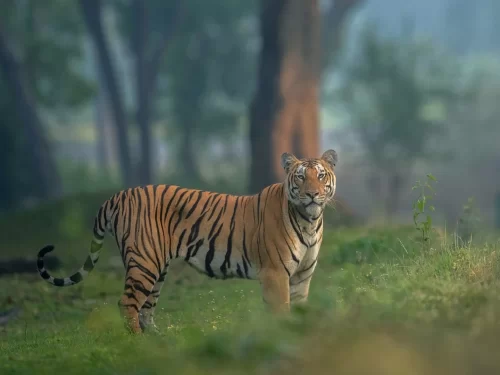 Wildlife Sanctuary
Tala Zone is a core area of Bandhavgarh National Park known for frequent tiger sightings.
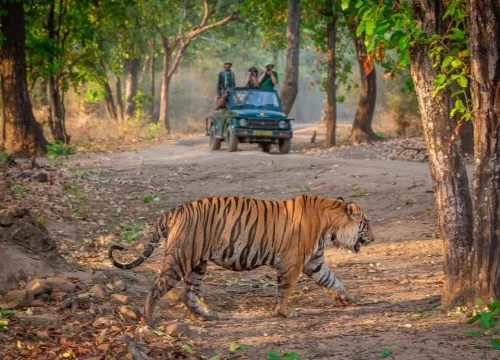 Wildlife Sanctuary
A designated buffer zone of Bandhavgarh National Park that supports wildlife conservation and controlled visitor access.
Get customized Madhya Pradesh tour planning designed around safari seasons, road travel distances, heritage site exploration time, and comfortable pacing across regions. Whether you are visiting for wildlife safaris, temple architecture, historical monume
⚡ Quick Response | 💰 Free consultation | 🕒 24×7 expert support