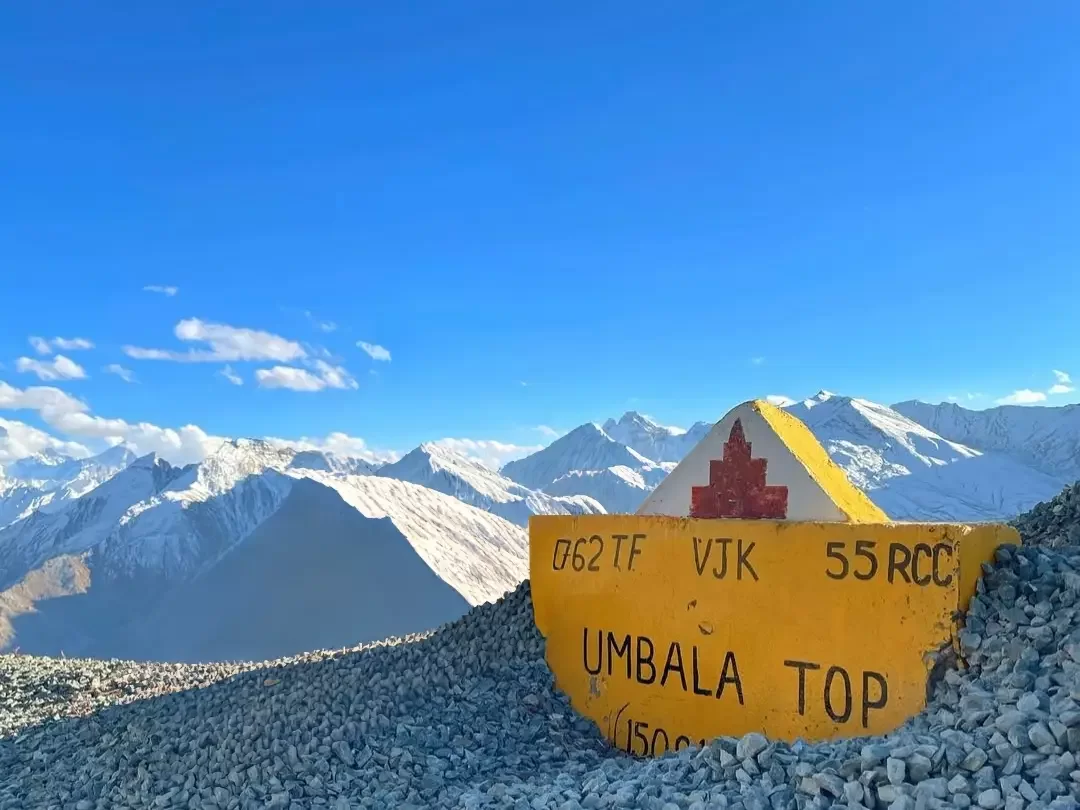
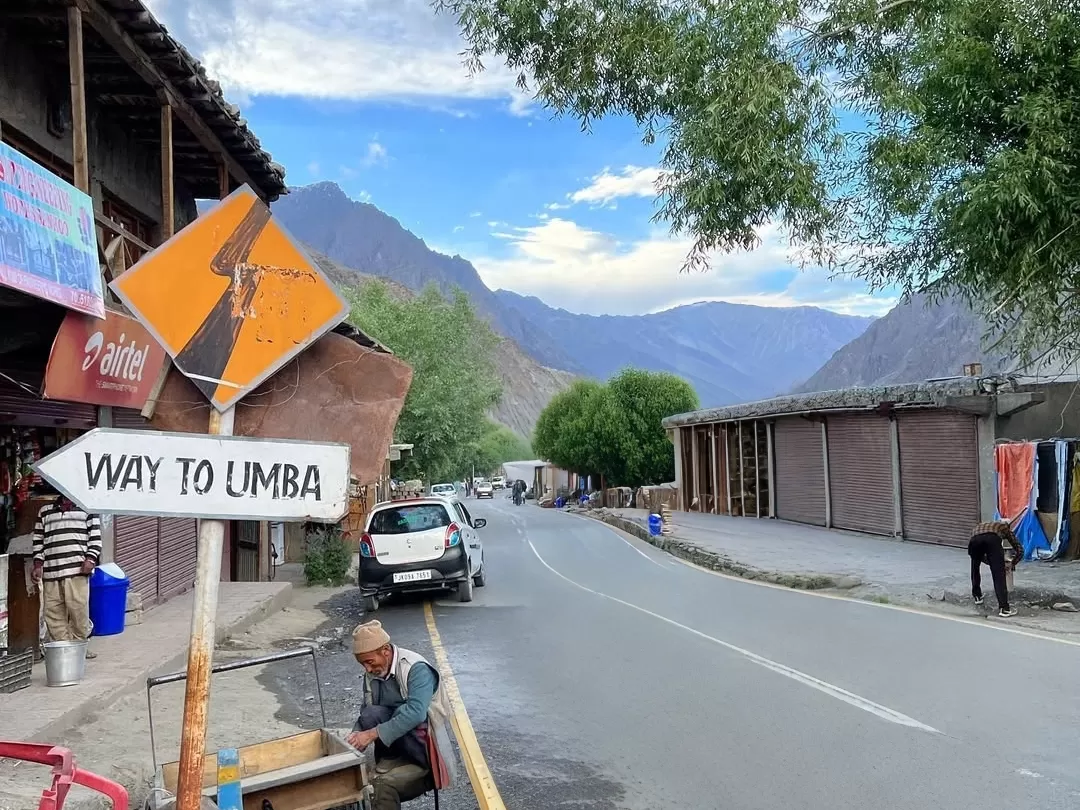
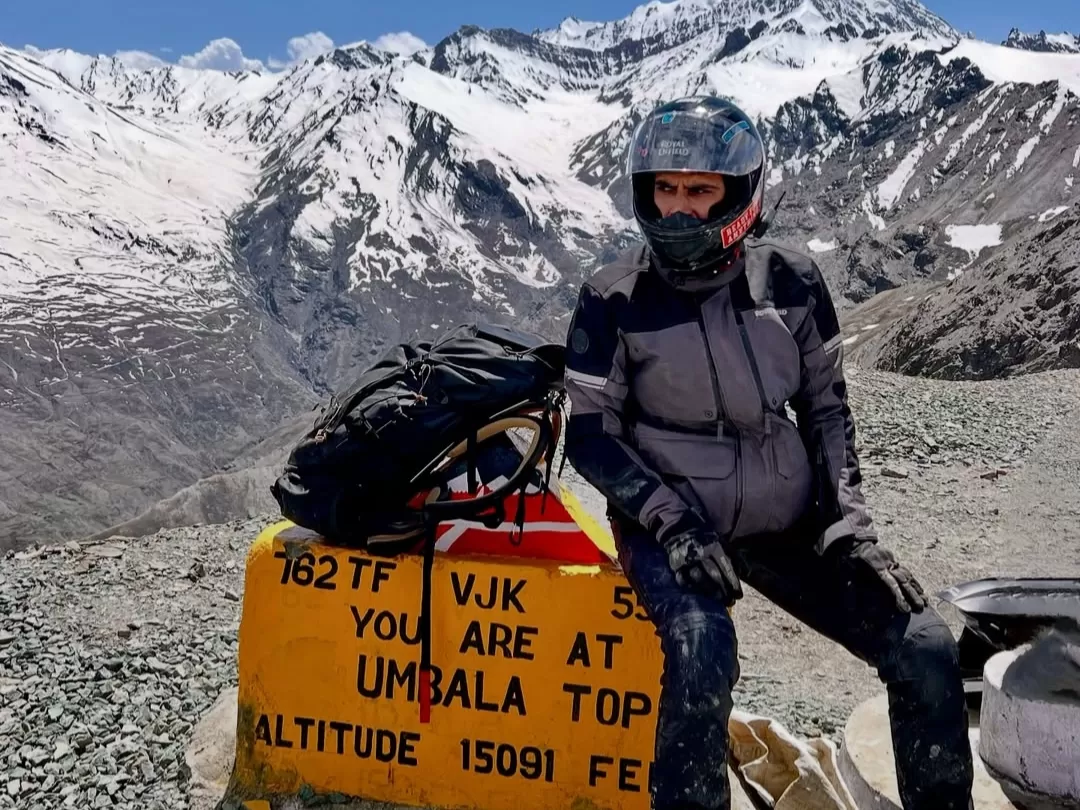
Umba La Pass: High-Altitude Mountain Pass Connecting Drass and Suru Valley, Ladakh, India

Umba La Pass , Drass
Tourists traverse Umba La as a remote alternative route connecting the Drass region to Sankoo in the Suru Valley, bypassing the main highway through Kargil. The pass is sought out by adventure motorists and off-roaders for its steep gradients, narrow switchbacks, and panoramic views of the Mushkoh Valley and the surrounding peaks of the Zanskar Range.

Quick Facts About Umba La Pass

Entry Fee Free
Timings 00:00 - 23:59
Altitude (m) 4500
Ideal Visit Duration (hrs) 1
Best Time of Day Morning
Crowd Level Low
Distance from Dras (km) 15
Distance from Kargil (km) 75
Walking Difficulty Moderate
Parking Available Yes
Last Mile Access Road
Suitable for Kids No
Suitable for Seniors No
Wheelchair Friendly No

Why Visit Umba La Pass in Kargil

Umba La Pass is a high-altitude mountain crossing situated at approximately 15,748 feet, serving as a spectacular but challenging link between Dras and the Sankoo Valley. Travelers visit this pass to bypass the traditional routes and experience a direct, bird’s-eye view of the Kargil region, making it an essential journey for those looking to connect the gateway of Ladakh with the lush landscapes of the Suru Valley.

The atmosphere on the ground is defined by its sheer verticality and the rapid transition from the rugged, rocky terrain of Dras to the verdant, alpine meadows of Sankoo. The road is characterized by sharp switchbacks and narrow tracks that offer a visceral sense of height, providing travelers with a quiet, undisturbed environment where the only presence is often that of local shepherds and the whistling wind across the ridgeline.

What makes Umba La distinct is its unparalleled panoramic view of the Nun-Kun peaks and the surrounding glaciers of the Greater Himalayan range. It offers a rare opportunity to see the dramatic contrast between the arid high-desert mountains and the fertile, emerald-green patches of the valley floor, making it a premier destination for off-the-beaten-path adventurers and photographers seeking to capture the hidden, vertical beauty of the Kargil district.

Historical and Geographic Significance of Umba La Pass

Umba La Pass is a high-altitude mountain pass situated at an elevation of approximately 4,785 meters (15,700 feet) in the Kargil district of Ladakh. It serves as a vital but challenging link connecting the Dras Valley—one of the coldest inhabited places on earth—directly to the Sankoo region in the Suru Valley, bypassing the longer route through Kargil town.

Geographically, the pass is characterized by its steep, hairpin bends and narrow gravel tracks that traverse the rugged mountainside. It remains snow-bound for a significant portion of the year, often opening much later than other passes in the region due to its northern orientation and high accumulation of snow. The summit offers a commanding vantage point, providing a rare 360-degree view of the surrounding Himalayan peaks and the deep river valleys of the Kargil sector.

Historically, Umba La has been a local trade and pastoral corridor used by the inhabitants of Dras and Suru to exchange goods and move livestock. Today, it is increasingly recognized as a strategic alternative route that shortens the distance between Dras and Padum (Zanskar) via the newly developing road networks. Due to its extreme gradients and lack of metalled roads, it is primarily utilized by high-clearance vehicles and adventure travelers during the summer months from July to September.

Best Time to Visit Umba La Pass

Umba La, standing at an elevation of 15,700 feet, is a formidable mountain pass that serves as a high-altitude shortcut between Dras and Sankoo (Suru Valley). Because it bypasses the traditional Kargil route, it is a high-risk, high-reward road that is only navigable during the brief summer window when the massive snow walls of the Dras region are finally cleared.

  • Ideal months: July to September is the most reliable window; the pass often opens much later than other regional routes—sometimes not until early July—due to the immense snow accumulation it receives as a gateway to the Suru Valley.
  • Weather conditions: Summer daytime temperatures typically range from 8°C to 15°C at the summit, but the area is prone to sudden mist and localized rain showers that can rapidly reduce visibility to near zero on its notoriously sharp hairpin bends.
  • Periods to avoid: Avoid travel from October to June as the pass is buried under heavy snow and remains officially closed; travelers should also avoid attempting the crossing during the monsoon weeks of August if heavy rain is forecast, as the steep, unpaved sections of the Dras-side ascent become dangerously slippery and prone to mudslides.

How to Reach Umba La Pass

Umba La Pass, situated at an elevation of approximately 4,496m (14,750 ft), is a spectacular mountain crossing that connects the Dras Valley to the Sankoo region in the Suru Valley. This pass serves as a dramatic alternative to the Kargil route, offering travelers a direct but challenging link between the gateway to Ladakh and the base for expeditions to Mount Nun and Kun.

  • Nearest Airport: Srinagar International Airport (SXR) is the most practical air link, located about 155 km from Dras. Alternatively, Kushok Bakula Rimpochee Airport (IXL) in Leh is approximately 280 km away. Most travelers approach Umba La after crossing Zoji La from Srinagar.
  • Nearest Railway Station: Jammu Tawi is the nearest major railhead, roughly 415 km away. From Jammu, the route follows the NH1 through Srinagar and Sonamarg to reach Dras.
  • Road Access and Route: The pass is reached via a dedicated road starting from Dras. The route climbs steeply from the Dras plateau, crossing the summit of Umba La before descending into the lush Suru Valley at Sankoo. This route bypasses Kargil town entirely, saving distance but requiring significantly more time due to the terrain.
  • Last-Mile Connectivity: This is a narrow, winding, and often unpaved mountain road. High-clearance 4x4 vehicles or adventure motorcycles are highly recommended. While the Border Roads Organization (BRO) maintains the track, it features numerous hairpin bends and steep gradients that can be intimidating for inexperienced drivers.
  • Seasonal Accessibility: Umba La is a seasonal pass and is typically accessible only from July to October. Heavy winter snowfall closes the pass for the remainder of the year. Unlike the main NH1, this road is not a priority for early snow clearance, so travelers should check local conditions in Dras before starting.
  • Realistic Travel Conditions: There is zero tourist infrastructure on the pass itself. No fuel stations, eateries, or medical facilities exist between Dras and Sankoo. Mobile connectivity is erratic and mostly limited to BSNL postpaid. Travelers must ensure their vehicle is in top mechanical condition and carry basic supplies, as the road is far less frequented than the main highway.

What to Expect When You Visit Umba La Pass

  • Environment and Surroundings: At an altitude of approximately 4,500 meters (14,763 feet), Umba La is a high mountain pass that connects the Dras Valley with the Suru Valley. The landscape is characterized by steep green slopes that transition into rocky, barren terrain as you reach the summit. It offers dramatic aerial views of the town of Dras and the surrounding peaks of the Zanskar Range, with heavy snow cover often persisting until late June.
  • Facilities and Amenities: There is no infrastructure at the summit. No shops, medical facilities, or public restrooms are available. The pass is isolated, and travelers should ensure they are carrying sufficient food and water. The nearest basic services and medical aid are located in Dras or Sankoo, both of which are a significant drive away over challenging mountain roads.
  • Accessibility and Movement: The road over Umba La is notorious for being extremely narrow, steep, and consisting of numerous sharp hairpin bends. While the route is a shortcut between Dras and Sankoo, it is often in poor condition with loose gravel and frequent landslides. A high-clearance 4x4 vehicle is strongly recommended, and the pass is usually only accessible for a few months in the summer (July to October) due to heavy winter snowfall.
  • Typical Visitor Behavior and Conditions: Most travelers use this pass as a scenic but demanding alternative to the Kargil route. Due to the steep ascent, visitors often stop for 10-15 minutes to allow vehicle engines to cool and to photograph the Suru Valley from above. Sudden weather changes and thick fog are common, which can reduce visibility to near zero, requiring drivers to exercise extreme caution and maintain a slow pace.

Essential Visitor Information for Umba La Pass

  • Crowd and Weather: Located at approximately 4,500 meters (14,763 feet), Umba La is a secluded pass connecting Dras to the Sankoo Valley; it is virtually devoid of tourist crowds. The weather is unpredictable, with heavy cloud cover and sudden snow showers common even in the summer months.
  • Peak and Quiet Visiting Hours: Best crossed between 9:00 AM and 1:00 PM; avoid traveling late in the afternoon as the narrow, steep descent toward Dras is prone to fog and rapidly falling temperatures, making navigation difficult on the sharp hairpins.
  • Dress Code: Heavy windproof layers are necessary; wear a thermal base layer and a sturdy outer shell. Since the pass is often damp or snow-covered, waterproof boots with good grip are recommended for any stops at the summit.
  • Safety and Practical Cautions: The road is exceptionally narrow with extreme vertical drops and very few passing points; it requires expert mountain driving skills. Limit your stay at the summit to 15-20 minutes to avoid altitude-induced headaches, as the ascent from Dras is very rapid.
  • Logistics and Infrastructure: There are no facilities, shops, or settlements between Dras and Sankoo; ensure your vehicle has sufficient fuel and you carry a spare tire. Mobile connectivity is non-existent throughout the pass area.
  • Experience-Based Notes: This pass offers one of the most dramatic views of the Kargil region and the Suru Valley, but it is often closed due to snow well into June and July; always verify road status with locals in Dras before attempting the climb.

Photography Strategy and Viewpoints for Umba La Pass

Umba La, situated at an altitude of approximately 4,780 meters (15,682 feet), is a high-altitude link between the Drass and Suru Valleys. Its photography profile is defined by dramatic verticality and an unparalleled perspective of the Nun-Kun Massif, offering a greener, more rugged alpine aesthetic compared to the desert passes of eastern Ladakh.
  • The Nun-Kun Massif Panorama: The summit provides one of the most direct and symmetrical views of the twin peaks, Nun and Kun. Use a telephoto lens (100-300mm) to compress the glacial details of these 7,000-meter peaks against the foreground ridgelines of the Suru Valley.
  • Hairpin Bend Symmetry: The ascent from the Drass side features a relentless series of tight switchbacks. For the most dramatic "ribbon road" shot, stop at the 4,500-meter mark and shoot downward with a wide-angle lens to capture the geometric patterns of the road as it clings to the sheer mountainside.
  • Optimal Lighting and Shadow Play: Due to the pass's north-south orientation, early morning (7:00 AM – 9:00 AM) is the best time for photography. The morning sun illuminates the Drass valley floor while casting long, dramatic shadows across the steep mountain folds, adding depth to the sedimentary rock layers.
  • Atmospheric Clarity and Haze: The air here is relatively moist compared to the Changthang plateau, which can lead to morning mist in the valleys. This is excellent for "moody" Himalayan photography, but a circular polarizer is recommended to cut through the midday haze and maintain the saturation of the deep green alpine meadows.
  • Wind Stability Factors: Umba La is a narrow gap between high ridges, creating a funnel effect for high-velocity winds. If using a tripod for panoramic shots, ensure it is weighted and low to the ground. Fast shutter speeds (1/500s or faster) are recommended to compensate for any wind-induced camera vibration.
  • Access and Crowd Factors: This is a low-traffic pass used primarily by locals. You will likely have the vantage points to yourself, allowing for time-consuming tripod setups. However, the road is extremely narrow with steep drop-offs; ensure your vehicle is parked in a designated wide shoulder before setting up gear.

Near By Attraction

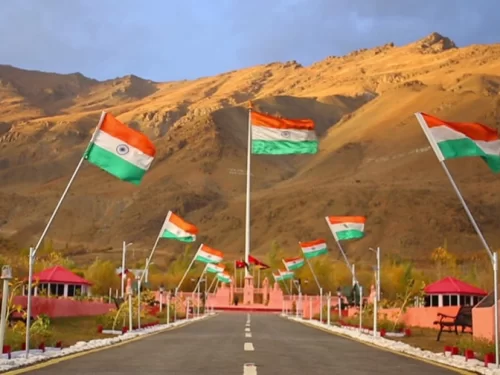
Drass War Memorial Ladakh Indian flags fluttering mountain backdrop pink pavilions pathway gardens patriotic monument Kargil War heroes, perfect Ladakh heritage tour package. ​ Memorial

Kargil War Memorial

Kargil War Memorial is a national war memorial in Dras Ladakh built to honor Indian soldiers who lost their lives during the 1999 Kargil War.

Frequently Asked Questions About Umba La Pass

Umba La Pass is located in western Ladakh connecting the Suru Valley region with the Zanskar Valley. It lies on a high altitude mountain route away from major town centers.
Umba La Pass is approximately 350 to 380 kilometers from Leh depending on the route taken and the journey typically takes one to two days due to mountainous terrain.
Travelers reach Umba La Pass by driving from Leh toward Kargil and then continuing into Suru Valley before ascending the mountain road toward Zanskar.
Visitors generally do not require a separate special permit specifically for Umba La Pass when traveling via the standard Kargil and Suru Valley route though checking current regulations is advisable.
Umba La Pass stands at an elevation of around 14,500 feet above sea level where oxygen levels are lower than in Leh but not as extreme as higher eastern passes.
Road conditions at Umba La Pass include narrow mountain roads with a mix of paved and rough gravel stretches especially closer to the summit. Weather can influence driving conditions.
The best time to visit Umba La Pass is between June and September when snow has cleared and the route between Suru Valley and Zanskar is open.
Umba La Pass is generally not accessible during peak winter months because heavy snowfall closes the high altitude route.
Travelers usually spend 10 to 20 minutes at Umba La Pass for photographs and brief rest due to wind and elevation.
Umba La Pass may be suitable for senior citizens who are medically fit and comfortable with long mountain drives though caution is advised due to altitude.
There are no permanent food stalls or restroom facilities at Umba La Pass so travelers should plan supplies in advance from nearby towns.
Umba La Pass is commonly combined with a Zanskar Valley or Suru Valley circuit as part of a multi day road journey from Leh.

Loved this place ? Let’s Plan Your Ladakh Trip

Get customized Ladakh tour planning designed around altitude comfort, acclimatization time, weather windows, and real Himalayan road conditions. Whether you are visiting for high mountain passes, monasteries, lakes, or remote valley experiences, our exper

⚡ Quick Response | 💰 Free consultation | 🕒 24×7 expert support

×

Plan Your Trip