+91 9910402252
admin@chalbanjare.com


| Entry Fee | Free |
| Timings | 08:00 - 18:00 |
| Altitude (m) | 4031 |
| Ideal Visit Duration (hrs) | 1 |
| Best Time of Day | Morning |
| Crowd Level | Low |
| Distance from Kargil (km) | 130 |
| Walking Difficulty | Moderate |
| Parking Available | Yes |
| Last Mile Access | Walk |
| Suitable for Kids | Yes |
| Suitable for Seniors | No |
| Wheelchair Friendly | No |
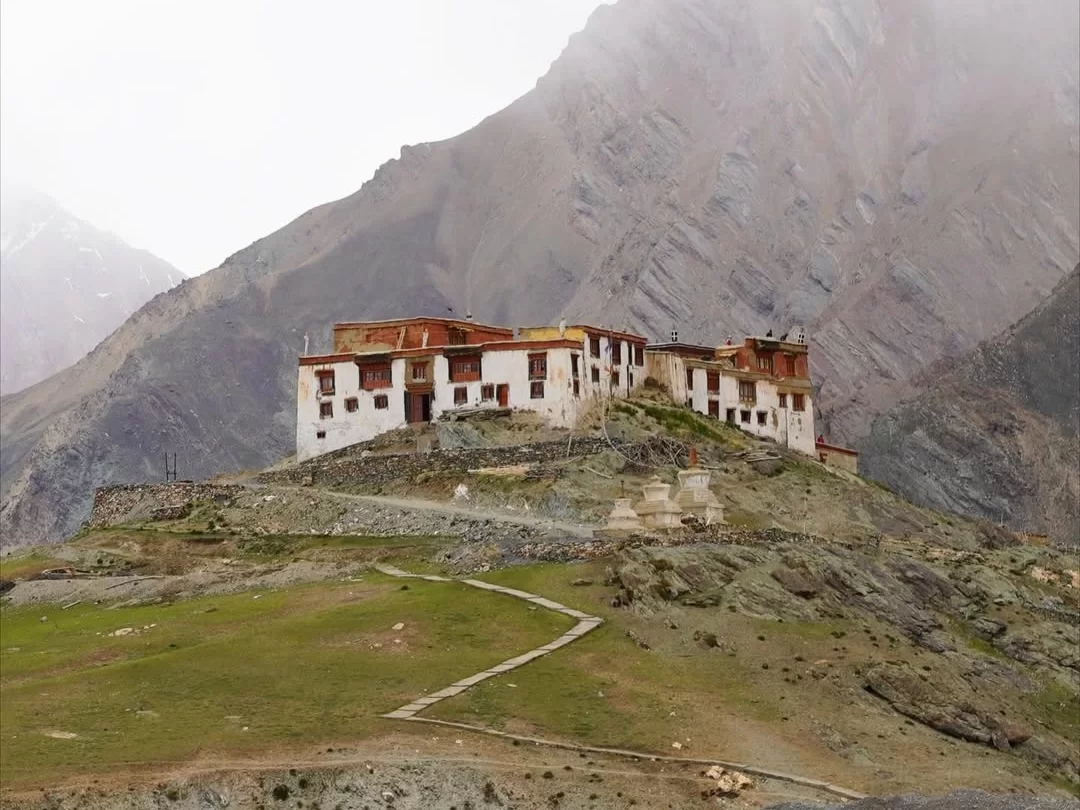
Rangdum Monastery is worth visiting for travelers moving through the Suru Valley or heading toward Zanskar who want to understand how Buddhism survives and functions in extreme Himalayan conditions. This is not a monument designed for tourists but an active monastery serving a small monastic community, offering an unfiltered look at religious life in one of Ladakh’s most remote regions.
The atmosphere here is quiet, isolated, and shaped by geography rather than crowds. Wind, changing light, and vast open views dominate the experience. There are long stretches of silence, broken only by prayer sounds or natural elements, which makes the visit feel grounded and contemplative rather than performative.
What makes Rangdum Monastery special is its location and purpose. Sitting at over 4000 meters, it acts as a spiritual anchor for the upper Suru Valley despite limited resources and harsh winters. The monastery’s simple architecture, minimal restoration, and continued daily use reflect resilience rather than display, making it meaningful for travelers interested in culture, geography, and lived traditions rather than surface-level sightseeing.
Rangdum Monastery was founded in the 18th century by Gelek Yashy Takpa during the reign of King Tsewang Namgyal II of Ladakh. It belongs to the Gelugpa order of Tibetan Buddhism and was established to serve the remote settlements of the upper Suru Valley, an area historically influenced by both Ladakhi and Zanskar traditions.
The monastery was strategically built on a steep hill overlooking the valley, not for defense, but to maintain spiritual presence in an isolated high-altitude region. Its position midway between Kargil and Padum made it an important religious halt for travelers, monks, and traders moving toward Zanskar, especially before modern roads existed.
Rangdum Monastery continues to function as an active religious institution with a small resident monastic community. Daily prayers, seasonal rituals, and traditional Buddhist practices are still observed, reflecting continuity rather than revival. Despite limited infrastructure and harsh winters that cut off access for months, the monastery remains a living center of faith rather than a preserved relic, giving it lasting religious relevance within the Suru and Zanskar regions.
The best time to visit Rangdum Monastery is between late May and early October, when the road through Suru Valley is open and weather conditions are relatively stable. During this period, snow has mostly cleared from the access routes, daylight hours are long, and the monastery is reachable without special arrangements.
June to September offers the most practical visiting window. Temperatures remain cold but manageable during the day, and visibility is generally clear. Outside this season, heavy snowfall and extreme cold isolate Rangdum for months, making travel difficult or impossible even for experienced travelers.
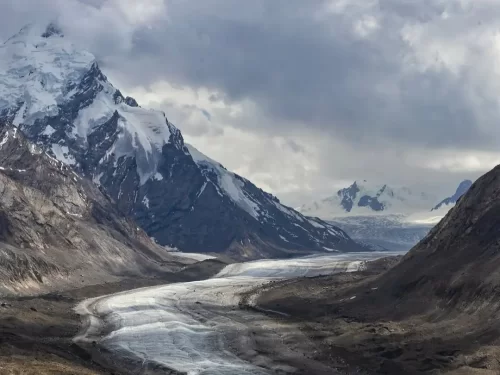 Glacier
Drang Drung Glacier is the largest glacier in the Zanskar region of Ladakh, feeding the Stod River and visible from the Pensi La pass.
Get customized Ladakh tour planning designed around altitude comfort, acclimatization time, weather windows, and real Himalayan road conditions. Whether you are visiting for high mountain passes, monasteries, lakes, or remote valley experiences, our exper
⚡ Quick Response | 💰 Free consultation | 🕒 24×7 expert support

