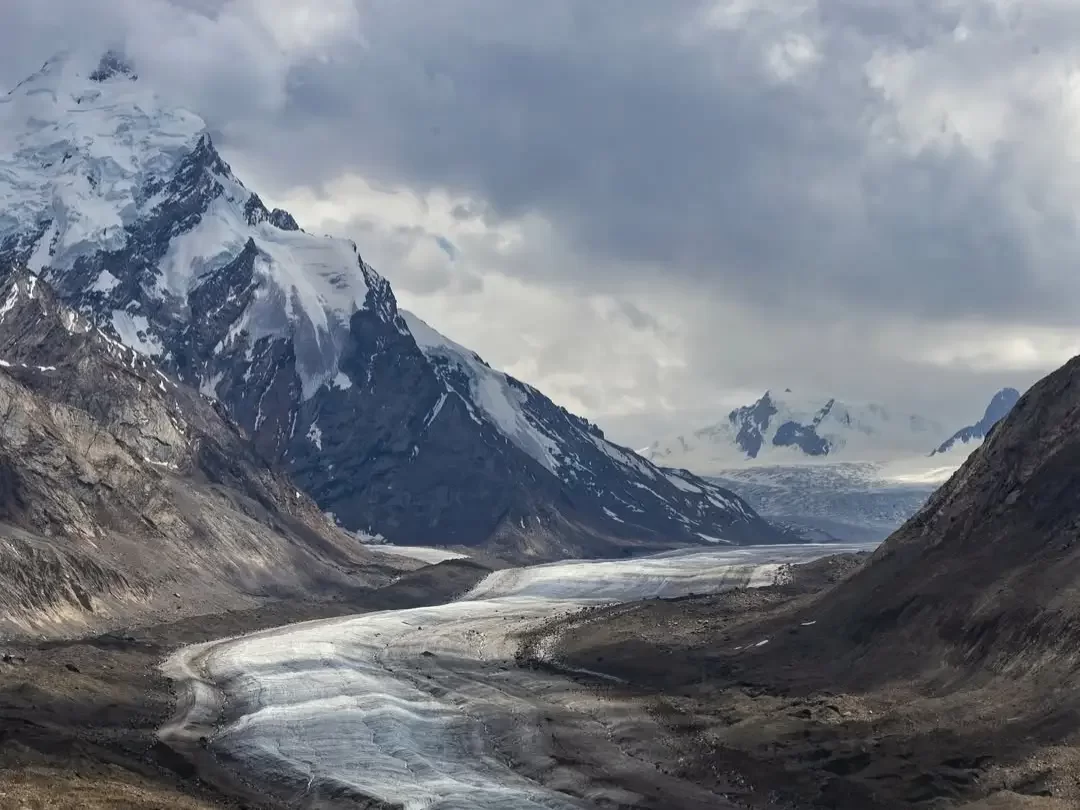
Drang Drung Glacier Zanskar Ladakh India

Drang Drung Glacier , Rangdum
Drang Drung Glacier is located near Pensi La, the high mountain pass connecting Zanskar Valley with Suru Valley in Ladakh. Stretching across a broad alpine basin, the glacier is a major source of meltwater for the Stod River, a key tributary of the Zanskar River. It is one of the few large Himalayan glaciers that can be viewed directly from a motorable road, making it accessible to travelers without trekking, though conditions remain harsh due to altitude and weather.

Quick Facts About Drang Drung Glacier

Entry Fee Free
Timings 06:00 - 18:00
Altitude (m) 4650
Ideal Visit Duration (hrs) 1
Best Time of Day Morning
Crowd Level Moderate
Distance from Padum (km) 45
Walking Difficulty Easy
Parking Available Yes
Last Mile Access Road
Suitable for Kids Yes
Suitable for Seniors No
Wheelchair Friendly No

Why Visit Drang Drung Glacier

Drang Drung Glacier is visited for its scale and accessibility rather than recreational activity. It offers a rare opportunity to observe a major Himalayan glacier without trekking, making it an important stop for travelers crossing between Zanskar and Suru valleys who want to understand the region’s high altitude landscape and water sources.

Atmosphere

The atmosphere around the glacier is stark and exposed. Strong winds, thin air, and rapidly changing weather dominate the experience. There are no facilities or shelters, and the environment feels raw and uncompromised by tourism infrastructure.

What Makes It Special

What sets Drang Drung Glacier apart is its visibility from a motorable road and its role as a primary source of the Stod River. Unlike smaller or hidden glaciers, it can be viewed in full scale from multiple roadside points near Pensi La, providing direct insight into glacial systems and their importance to the Zanskar Valley.

Geological Context and Environmental Importance of Drang Drung Glacier

Drang Drung Glacier is a key alpine glacier of the Zanskar range, formed through long term accumulation of snow and ice in a high altitude basin below the Pensi La pass. Over centuries, the glacier has shaped the surrounding terrain through erosion and meltwater flow, creating the broad valley visible today.

The glacier is a major source of the Stod River, which later joins the Zanskar River system. Seasonal meltwater from Drang Drung plays a critical role in sustaining downstream agriculture and settlements during the short summer growing season, making it environmentally significant beyond its visual scale.

Like many Himalayan glaciers, Drang Drung has shown signs of gradual retreat linked to changing climate patterns. Its visibility and accessibility make it an important reference point for observing glacial behavior in the region, offering travelers a direct view of fragile high altitude ecosystems rather than a distant or abstract concept.

Best Time to Visit Drang Drung Glacier

The best time to visit Drang Drung Glacier is from late June to early September, when the Pensi La pass is open and the glacier is clearly visible from the road. During this period, snow clearance allows vehicle access, and daylight conditions are suitable for safe stops and viewing.

July and August offer the most reliable visibility, with the glacier fully exposed and meltwater actively feeding the Stod River. Outside the summer window, heavy snowfall, poor visibility, and road closures make access unreliable or impossible.
  • Late June sees fresh snow around the pass with improving road access
  • July and August provide the clearest views and safest travel conditions
  • September offers crisp weather but increasing risk of early snowfall
  • October to May is not recommended due to road closures and extreme cold

How to Reach Drang Drung Glacier

  • By Air: The nearest airport is Leh Airport. From Leh, travel by road to Kargil and then onward toward Zanskar via the Suru Valley.
  • By Road via Kargil and Suru Valley: Drang Drung Glacier is reached by driving from Kargil through Sankoo and Rangdum toward Pensi La. The glacier is visible from the road near the pass.
  • By Road from Padum: Travelers coming from Zanskar can reach the glacier by driving from Padum toward Pensi La. The glacier appears before the pass on the Suru Valley side.
  • Last Mile Access: No trekking is required. The glacier can be viewed directly from multiple roadside viewpoints near Pensi La.
  • Seasonal Access: The route is open only during summer months, usually from late June to early September, depending on snow clearance and weather.

What to Expect When You Visit Drang Drung Glacier

  • A large, exposed glacier visible from the roadside near Pensi La without the need for trekking
  • Cold temperatures and strong winds even during peak summer months due to high altitude
  • Rapid weather changes including sudden cloud cover or snowfall
  • No visitor facilities such as shelters, restrooms, or food stalls in the area
  • Short stops for viewing and photography rather than extended exploration
  • Thin air at high altitude, which may cause breathlessness or fatigue
  • Clear views of meltwater streams feeding the Stod River during summer
  • A raw natural environment with no safety barriers or marked trails

Important Visitor Information

  • Crowd and Weather Notes: Drang Drung Glacier sees limited visitors due to its remote location, though vehicle traffic increases during peak summer months. Weather is highly unpredictable, with strong winds, sudden cloud cover, and rapid temperature drops common even on clear days.
  • Peak and Quiet Hours: Late morning to early afternoon is the most practical time to stop, as visibility is usually better and road conditions are safer. Early mornings and late afternoons can be colder and windier.
  • Dress Code: Warm layered clothing is essential regardless of season. Windproof jackets, gloves, and covered footwear are strongly recommended due to cold and exposed conditions.
  • Safety Notes: The area has no safety barriers or marked viewpoints. Visitors should stay close to the road, avoid walking onto ice or unstable ground, and limit time spent at the site to reduce altitude related discomfort.

Photography and Viewpoints at Drang Drung Glacier

  • The glacier is best photographed from designated roadside stops near Pensi La, where its full width and flow are clearly visible.
  • Late morning light illuminates the ice surface evenly, bringing out texture and crevasses without heavy shadow.
  • Cloud cover can move in quickly, so short waiting periods often reveal changing light conditions suitable for photography.
  • Wide angle lenses are effective for capturing the glacier along with the surrounding high altitude landscape.
  • Telephoto lenses help isolate ice patterns and meltwater channels feeding the Stod River.
  • Strong winds can affect stability, so handheld shooting is often more practical than using tripods.
  • Snow glare is common, making polarizing filters and exposure control useful.
  • Visitors should avoid stepping onto the glacier or unstable moraine areas for closer shots.

Near By Attraction

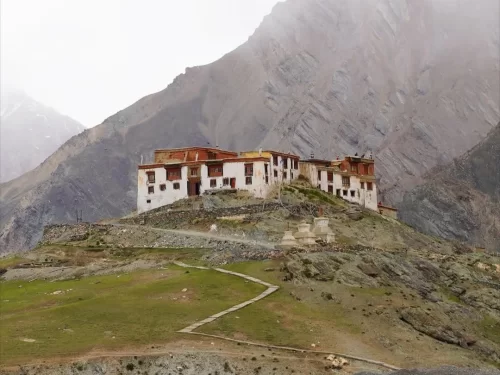
Rangdum Monastery, remote Buddhist monastery in Suru Valley, Ladakh surrounded by dramatic Himalayan mountains. Mountain

Rangdum Monastery

Rangdum Monastery is an 18th century Tibetan Buddhist monastery of the Gelugpa sect perched above the Suru Valley in Ladakh at 4031 meters altitude

Frequently Asked Questions About Drang Drung Glacier

Drang Drung Glacier is located in the Zanskar region of Ladakh near Pensi La Pass and is one of the largest glaciers in the area. It is visible from the roadside at high altitude.
Drang Drung Glacier is approximately 430 to 450 kilometers from Leh and the journey typically takes two days by road depending on route and weather conditions.
Travelers reach Drang Drung Glacier by driving from Leh toward Kargil and then continuing toward Zanskar Valley via Pensi La Pass where the glacier viewpoint is located.
Visitors generally do not require a separate special permit specifically for Drang Drung Glacier when traveling through the standard Zanskar route though checking current travel regulations is advisable.
The best time to visit Drang Drung Glacier is between June and September when mountain passes are open and weather conditions are stable.
Drang Drung Glacier is generally not accessible during winter months because heavy snowfall closes the high altitude passes leading into Zanskar.
Travelers usually spend 20 to 40 minutes at the glacier viewpoint to observe and photograph the expansive ice formation.
Drang Drung Glacier viewpoint involves minimal walking from the roadside which makes it manageable for senior citizens who are comfortable with high altitude travel.
Road conditions toward Drang Drung Glacier include long mountain stretches with paved and rough sections especially near high passes. Weather can significantly impact driving conditions.
There are no permanent food stalls or accommodation facilities at the glacier viewpoint though guesthouses are available in Padum and nearby settlements in Zanskar.
Trekking is not required to see Drang Drung Glacier as it can be viewed clearly from the roadside near Pensi La Pass.
Drang Drung Glacier is commonly combined with a Zanskar Valley trip including visits to monasteries and remote villages as part of a multi day journey from Leh.

Loved this place ? Let’s Plan Your Ladakh Trip

Get customized Ladakh tour planning designed around altitude comfort, acclimatization time, weather windows, and real Himalayan road conditions. Whether you are visiting for high mountain passes, monasteries, lakes, or remote valley experiences, our exper

⚑ Quick Response | πŸ’° Free consultation | πŸ•’ 24Γ—7 expert support

×

Plan Your Trip