Stargazing in Hanle – Best Time and Travel Guide
Hanle is one of India’s best stargazing destinations with dark skies, high altitude landscapes, observatory access, and minimal light pollution in eastern Ladakh.
+91 9910402252
admin@chalbanjare.com


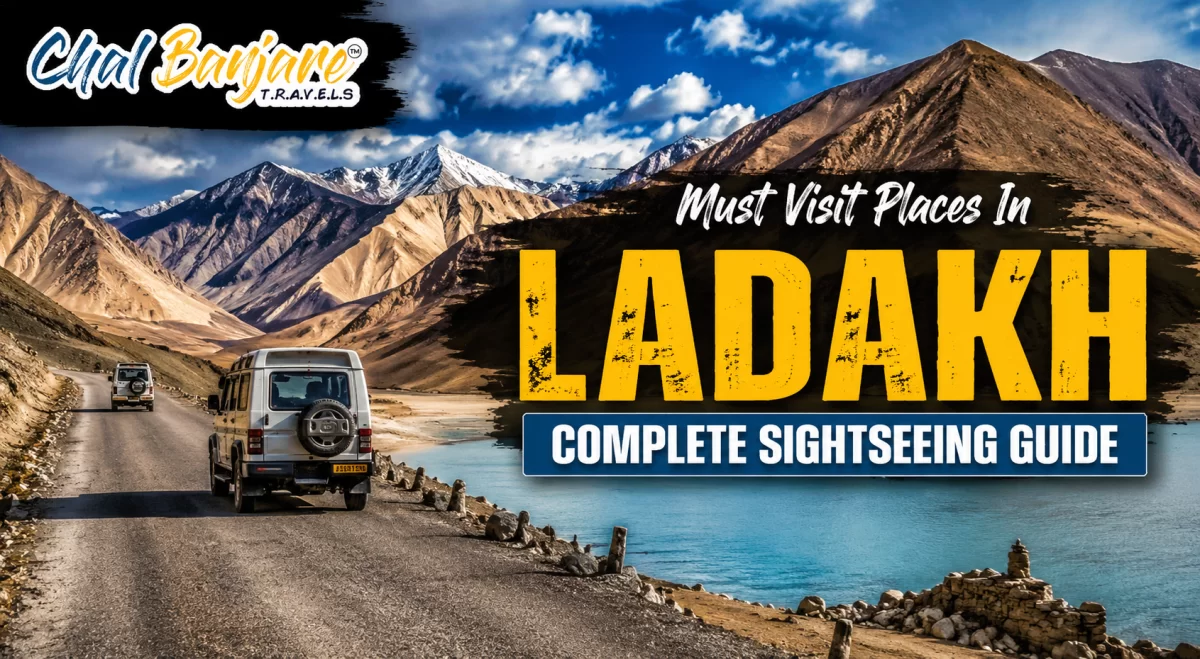
Ladakh has multiple regions like Nubra, Pangong, Hanle, and Zanskar, so covering all major places is essential for proper trip planning.
Leh is the starting point for most Ladakh journeys and offers a mix of historical landmarks, cultural experiences, and scenic viewpoints. Before heading to Nubra or Pangong, exploring Leh and nearby attractions helps in proper acclimatization while covering some of the most important places in Ladakh.
Most Ladakh tour packages are designed in a way that the first two days are spent in and around Leh, allowing travelers to adjust to altitude while experiencing key attractions.
Leh city offers a blend of heritage and modern Ladakhi life. Exploring the town gives insight into local culture, architecture, and daily lifestyle while also serving as a relaxed start to your Ladakh journey.
Leh Palace reflects the region’s royal history, while Shanti Stupa offers panoramic sunset views over the city and surrounding mountains.
This part of Leh is ideal for slow exploration, helping travelers ease into Ladakh’s altitude and environment.
The Leh to Kargil route (Sham Valley circuit) covers multiple attractions in a single day and is often included in most itineraries. This route combines natural phenomena, historical significance, and cultural landmarks.
It is one of the easiest and most recommended day trips from Leh, especially during acclimatization days.
This circuit offers a combination of scenic landscapes and meaningful stops, making it a key part of Ladakh travel planning.
The Indus Valley circuit covers some of the most important monasteries in Ladakh. These monasteries are not just tourist attractions but active spiritual centers that reflect Ladakhi Buddhist culture.
Each monastery has its own architectural style, history, and setting, offering a deeper cultural experience beyond landscapes.
This circuit is one of the best ways to explore Ladakh’s cultural side while enjoying a scenic drive along the Indus River.
If you are planning your journey, exploring these places through well-structured Ladakh tour packages ensures proper route flow and coverage. For a complete list of destinations, you can also explore Best Places To visit In Ladakh to plan your itinerary more effectively.
Nubra Valley is not limited to just Hunder and Diskit. The region extends further into quieter and more culturally rich areas like Sumur and Panamik, offering a deeper and more complete Ladakh experience. Covering these locations gives you a better understanding of Nubra beyond the typical tourist circuit.
Diskit and Hunder form the most popular part of Nubra Valley and are usually the first stops after crossing Khardung La. Diskit is known for its monastery and giant Buddha statue, while Hunder is famous for its cold desert landscape.
This area offers a combination of culture and landscape, making it the core highlight of Nubra for most travelers.
Most itineraries include an overnight stay in Hunder or Diskit, making it the central base for Nubra exploration.
Sumur is located on the opposite side of the Nubra River and offers a quieter and greener environment compared to Hunder. It is ideal for travelers looking to avoid crowds and experience local village life.
The village is home to Samstanling Monastery, which is less crowded and provides a peaceful spiritual atmosphere.
Staying in Sumur offers a slower, more immersive experience of Nubra Valley, especially for repeat or offbeat travelers.
Panamik is one of the northernmost accessible villages in Nubra Valley and is known for its natural hot springs. It is located close to the Siachen Glacier region, adding strategic and geographical significance to the area.
The journey to Panamik itself is scenic, with fewer tourists and more open landscapes compared to central Nubra.
Panamik is best visited as part of an extended Nubra itinerary, especially if you are exploring beyond the usual Hunder circuit.
Covering Diskit, Hunder, Sumur, and Panamik ensures a complete Nubra Valley experience — combining popular highlights with offbeat and cultural exploration.
The Nubra Valley extends beyond Hunder into the Turtuk and Siachen side, offering a completely different experience focused on border villages, unique culture, and strategic landscapes. This region is less crowded and provides a deeper understanding of Ladakh’s diversity and geographical importance.
Turtuk is one of the most unique villages in Ladakh, located close to the India–Pakistan border. It is culturally different from the rest of Ladakh, with Balti heritage, language, and traditions.
The village was opened to tourists relatively recently, which has helped preserve its authenticity and traditional lifestyle.
Visiting Turtuk adds cultural depth to your Nubra itinerary, offering experiences beyond landscapes and sightseeing.
Thang village is located further ahead of Turtuk and is considered the last accessible Indian village on this route. It offers views towards the border and gives a sense of the region’s strategic positioning.
Access to Thang is allowed for Indian travelers with valid permits, while restrictions may apply for foreign nationals.
The experience here is more about understanding geography and border life rather than typical tourism.
The Siachen Glacier region is one of the most sensitive and restricted areas in India. While tourists cannot visit the actual base camp, certain nearby viewpoints and accessible zones can be explored with proper permissions.
Travel towards Siachen direction is limited and controlled by the Indian Army, and access depends on permits and current regulations.
Travelers should always confirm the latest permit rules and access status before planning this route.
Exploring Turtuk, Thang, and the Siachen side adds a unique dimension to your Ladakh trip — combining culture, geography, and national significance in one journey.
The Pangong and Changthang region represents one of the most iconic and remote parts of Ladakh. While Pangong Lake is the main attraction, the surrounding villages and high-altitude routes offer a much deeper and less crowded experience. Exploring beyond the usual stop points gives a more complete understanding of this landscape.
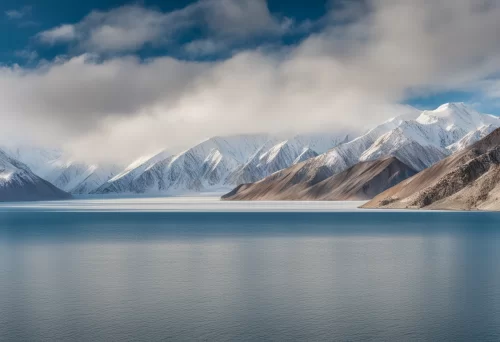
Pangong Lake stretches across India and China and is known for its changing shades of blue depending on sunlight and weather conditions. Most travelers stay around Spangmik, but extending the journey towards Man and Merak offers quieter and more scenic surroundings.
While Spangmik is more commercial with camps and stays, Man and Merak are less crowded and provide a more peaceful lakeside experience.
Spending time beyond Spangmik enhances the Pangong experience by avoiding crowd concentration and offering better landscape views.
Chang La is one of the highest motorable passes in Ladakh and serves as the main route connecting Leh to Pangong. The drive itself is a key part of the experience, offering dramatic elevation changes and terrain variation.
The pass remains cold and windy throughout the year, with conditions changing quickly depending on weather.
Crossing Chang La is not just a transit point but an experience that defines the journey to Pangong.
Man and Merak villages are among the least explored areas around Pangong Lake. These locations offer a raw and untouched environment compared to the main tourist zones.
The villages are spread along the lake with minimal infrastructure, making them ideal for travelers seeking isolation and natural beauty.
These areas are best suited for travelers who prefer slow travel and are comfortable with limited amenities.
Exploring Pangong along with Changthang villages like Man and Merak provides a more complete and less commercial experience of this iconic region.
Eastern Ladakh covering Tso Moriri, Hanle, and surrounding high-altitude regions offers one of the most remote and untouched experiences in Ladakh. This region is less commercial, more raw, and known for vast landscapes, clear skies, and extreme altitude conditions. Travel here is slower, but the experience is deeper and more immersive.
Tso Moriri is one of the most pristine high-altitude lakes in Ladakh, located in the Changthang region. Unlike Pangong, it is less crowded and offers a more peaceful and natural environment.
Karzok village, located near the lake, serves as the main stay area, while Kyagar (Kaiyger) offers quieter surroundings with fewer tourists.
Staying here is about experiencing isolation, silence, and raw nature rather than comfort or luxury.
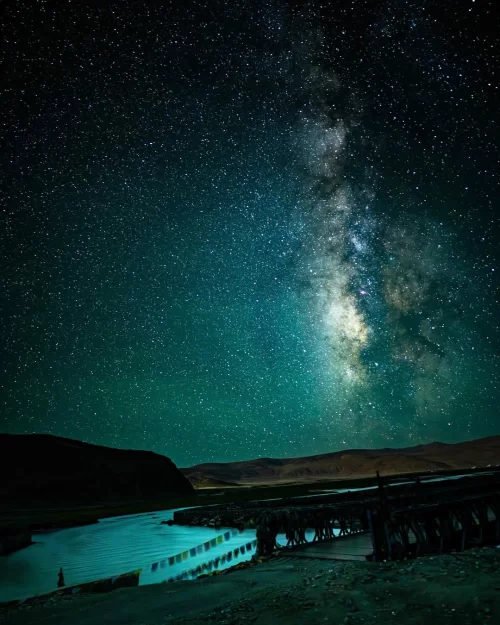
Hanle is one of the most remote inhabited regions in Ladakh and is globally known for its astronomical observatory. Due to minimal light pollution and high altitude, it offers one of the best night sky viewing experiences in India.
The region also has cultural importance with Hanle Monastery and a small village settlement reflecting local lifestyle.
Hanle is best suited for travelers interested in photography, night sky observation, and offbeat exploration.
Eastern Ladakh is home to some of the highest motorable roads in the world. Umling La is among the highest, offering an extreme high-altitude driving experience.
These routes are remote, challenging, and require proper permits and planning due to altitude and terrain conditions.
Travel to these passes is not just about reaching the destination but about handling extreme conditions and remote terrain.
Exploring Tso Moriri, Hanle, and these high passes gives you a completely different perspective of Ladakh — far from crowds and closer to its raw and untouched landscape.
Western Ladakh covering Kargil, Lamayuru, Aryan Valley, and the Srinagar–Leh highway route offers a completely different side of Ladakh. This region is greener, culturally diverse, and historically significant compared to central Ladakh. It is ideal for travelers looking to explore beyond Nubra and Pangong.
Kargil serves as the main hub of western Ladakh and is often used as a stopover between Srinagar and Leh. The region offers a mix of history, landscapes, and local culture.
Nearby areas like Drass and Suru Valley add both emotional and scenic depth to the journey, making this region more than just a transit route.
This region combines history, emotion, and natural beauty, making it an important part of Ladakh exploration.
Lamayuru is famous for its unique moon-like landscape, often referred to as Moonland due to its unusual terrain. The Lamayuru Monastery adds cultural significance to the area.
Uleytokpo, located along the Indus River, offers a peaceful stay experience surrounded by greenery and mountains.
This region is ideal for travelers who want scenic landscapes combined with peaceful stays.
Aryan Valley, located in the Batalik sector, is one of the most unique cultural regions in Ladakh. It is home to the Brokpa community, known for their distinct traditions and heritage.
This area is less explored and offers a completely different cultural experience compared to the rest of Ladakh.
Visiting Aryan Valley is more about cultural exploration than sightseeing, making it ideal for offbeat travelers.
The Kargil–Leh highway is not just a transit route but a journey filled with important stops and landmarks. Mulbekh is one of the key attractions along this route.
Traveling this highway allows you to experience multiple landscapes, from green valleys to rugged mountain terrain.
This route adds depth to your Ladakh journey by connecting different regions and experiences in a single drive.
Exploring Kargil, Lamayuru, Aryan Valley, and the western corridor gives a more complete and diverse Ladakh experience beyond the usual tourist routes.
Zanskar Valley and Padum region represent one of the most remote and least explored parts of Ladakh. This region is raw, rugged, and far from commercial tourism, offering a true high-altitude Himalayan experience. Travel here is slower and more challenging, but it rewards you with untouched landscapes, monasteries, and deep valley exploration.
Padum is the main town and administrative center of Zanskar Valley. It serves as the base for exploring surrounding regions, monasteries, and remote villages.
On the route to Zanskar via Pensi La, you encounter Drang Drung Glacier, one of the most prominent glaciers visible from the road in Ladakh.
This region is about slow travel and exploring vast landscapes rather than covering multiple tourist points quickly.
Zanskar is connected through multiple high-altitude passes, each offering a different route and experience. These passes define the journey and are often more memorable than the destination itself.
Travel across these passes involves challenging terrain, changing weather, and long driving hours.
Crossing these passes requires proper planning, experienced drivers, and buffer time due to unpredictable conditions.
Phuktal Monastery is one of the most unique monasteries in Ladakh, built into a cliffside and accessible only by trek. It is located near Purne village in Zanskar.
The journey to Phuktal involves a trek, making it one of the most rewarding spiritual and adventure experiences in the region.
This is not a typical sightseeing spot but a destination for travelers seeking deeper cultural and spiritual exploration.
Rangdum Valley lies between Kargil and Zanskar and offers some of the most dramatic landscapes in Ladakh. It is a high-altitude plateau surrounded by mountains and glaciers.
The area is sparsely populated and provides a raw Himalayan environment with minimal human presence.
Rangdum acts as a transition zone between green valleys and rugged Zanskar terrain, adding depth to the journey.
Exploring Zanskar and Padum is about going beyond mainstream Ladakh and experiencing one of the most untouched regions in the Himalayas.
The best time for sightseeing in Ladakh depends on accessibility, weather stability, and how many regions you want to cover. Since Ladakh is spread across multiple circuits like Nubra, Pangong, Hanle, and Zanskar, timing plays a critical role in deciding what you can realistically explore.
Summer is the most recommended time for sightseeing in Ladakh as all major routes and regions become accessible. This is when travelers can cover Nubra Valley, Pangong Lake, Tso Moriri, Hanle, and even Zanskar in a single itinerary.
The weather remains stable, roads are open, and tourism infrastructure is fully operational, making it the safest and most convenient period for exploration.
This is the ideal time for first-time travelers and anyone looking to cover maximum destinations comfortably.
Winter in Ladakh offers a completely different sightseeing experience, focused more on snow landscapes and extreme conditions rather than covering multiple regions.
Most high-altitude routes like Nubra, Pangong, and Hanle remain accessible with restrictions, but travel becomes limited due to road closures, extreme cold, and reduced facilities.
Winter travel is suitable only for experienced travelers who are prepared for harsh conditions and limited connectivity.
Each month in Ladakh offers a different level of sightseeing opportunity. Choosing the right month ensures you can cover your desired destinations without restrictions.
| Month | Sightseeing Suitability |
|---|---|
| April | Limited access, early season, snow views |
| May | Partial access, Nubra opens, Pangong limited |
| June | Full access begins, ideal for all circuits |
| July – August | Peak season, all regions accessible |
| September | Best balance, clear skies, fewer crowds |
| October | Cooling weather, limited regions operational |
| November – March | Restricted travel, limited sightseeing options |
For most travelers, June to September remains the best window for sightseeing, while shoulder and winter months are more suited for specific experiences rather than complete exploration.
Selecting the right time ensures you can cover Ladakh properly without missing key destinations due to seasonal limitations.
Beyond the popular destinations like Pangong and Tso Moriri, Ladakh is home to several hidden lakes and less explored regions that remain untouched by mainstream tourism. These places offer raw landscapes, minimal crowd, and a deeper connection with nature, but they require proper planning and understanding of terrain and permits.
These hidden lakes are spread across different parts of Ladakh and are known for their unique setting and isolation. Unlike commercial lake destinations, they offer a quieter and more natural experience.
Each lake has its own character — from spiritual significance to wildlife habitats and remote high-altitude terrain.
Most of these lakes require extra travel time, proper permits, and sometimes offbeat route planning, making them suitable for experienced travelers.
The route connecting Hanle to Tso Moriri via Salsal La is one of the newer and lesser explored routes in Ladakh. It offers a completely offbeat experience compared to standard circuits.
This route passes through remote high-altitude terrain with minimal settlements, making it both scenic and challenging.
Traveling this route is recommended only for well-prepared travelers with sufficient buffer days and awareness of conditions.
Exploring hidden lakes and offbeat routes in Ladakh is about going beyond the usual itinerary. These experiences are more demanding but offer unmatched solitude and untouched landscapes.
Ladakh is one of the most rewarding travel destinations, but it also demands careful planning. The region’s high altitude, remote geography, and limited infrastructure mean that even small mistakes can impact the entire trip. A well-informed approach helps you manage risks and plan a smoother journey.
Altitude is the biggest factor affecting travel in Ladakh. Most locations are above 10,000 ft, and sudden exposure can lead to AMS if the body does not get enough time to adjust.
Proper acclimatization is not optional — it is the foundation of a safe Ladakh trip, especially for first-time travelers.
A well-paced itinerary reduces health risks and improves overall travel comfort.
Connectivity and basic facilities in Ladakh are limited, especially in remote regions like Pangong, Hanle, Tso Moriri, and Zanskar. Travelers should not expect city-level infrastructure.
Network, electricity, and internet availability vary by location and can change depending on weather and local conditions.
Planning offline backups for maps, bookings, and communication is essential for a smooth experience.
The biggest mistake travelers make is overloading their itinerary. Ladakh requires a balanced route plan that considers altitude gain, travel time, and road conditions.
The correct route flow improves both experience and safety, especially when covering multiple regions.
A well-structured itinerary ensures you cover Ladakh comfortably without rushing through destinations.
Ladakh rewards travelers who plan realistically. Understanding risks and aligning your itinerary with ground conditions is the key to a safe and memorable journey.
Get customized Ladakh tour planning designed around altitude comfort, acclimatization time, weather windows, and real Himalayan road conditions. Whether you are visiting for high mountain passes, monasteries, lakes, or remote valley experiences, our exper
⚡ Quick Response | 💰 Free consultation | 🕒 24×7 expert support