Stargazing in Hanle – Best Time and Travel Guide
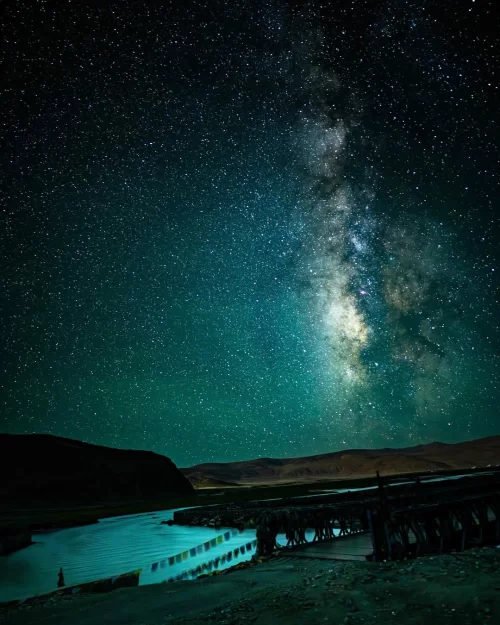
Hanle is one of India’s best stargazing destinations with dark skies, high altitude landscapes, observatory access, and minimal light pollution in eastern Ladakh.
+91 9910402252
admin@chalbanjare.com


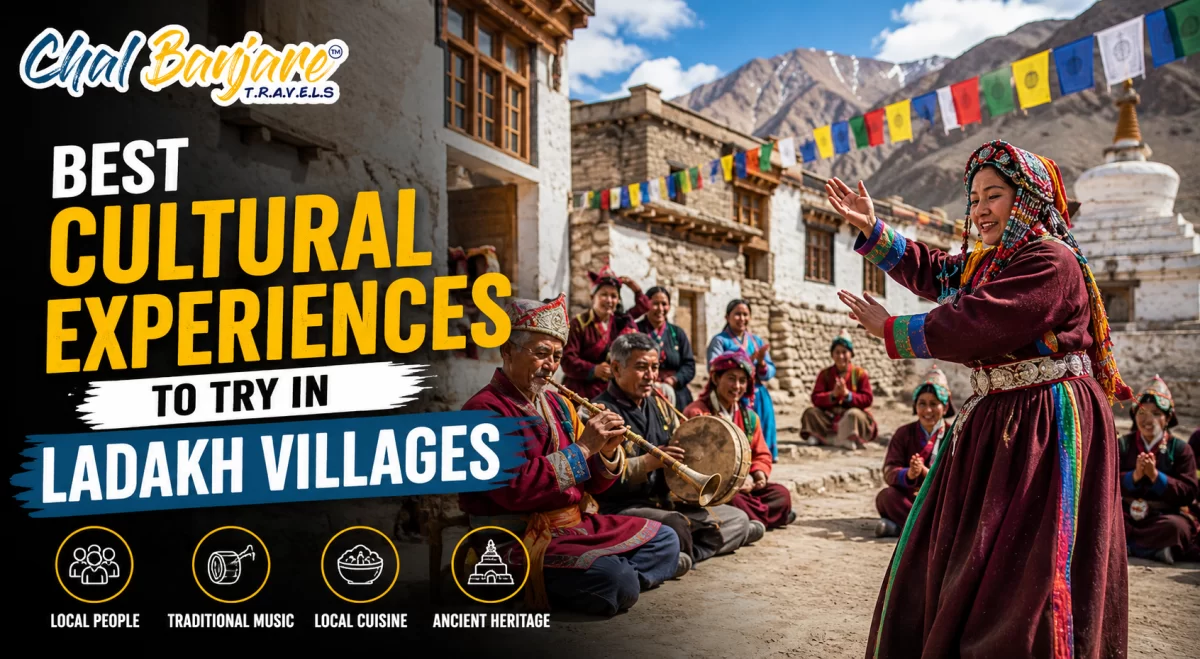
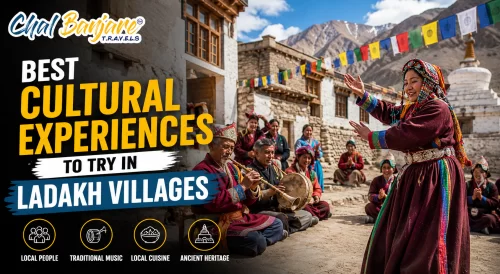
Ladakh villages offer authentic cultural experiences through monastery life, local food, festivals, homestays, farming traditions, and Himalayan community living.
Homestays in villages like Turtuk, Sumur, and Uleytokpo offer one of the most authentic cultural experiences in Ladakh because travelers stay with local families, experience traditional Himalayan hospitality, and explore peaceful mountain settlements surrounded by dramatic landscapes.
These village stays allow travelers to understand local traditions, food habits, farming culture, and slow mountain lifestyles while enjoying quieter environments away from crowded tourist zones.
Travelers staying in Ladakhi homestays should maintain respectful behavior because these accommodations are part of local family homes and traditional communities.
Hanle and Korzok offer some of Ladakh’s most peaceful village experiences because travelers stay in remote high-altitude settlements surrounded by Changthang plains, lakes, monasteries, and isolated Himalayan wilderness landscapes.
The slow lifestyle in these villages allows travelers to experience local traditions, mountain hospitality, stargazing environments, and simple daily routines shaped by extreme Himalayan conditions.
| Village Experience | Main Highlight | Cultural Experience |
|---|---|---|
| Hanle Village Homestays | Remote dark-sky mountain settlement | Peaceful eastern Ladakh lifestyle experience |
| Korzok Village Stays | Lakeside settlement near Tso Moriri | Traditional Changthang village atmosphere |
| Changpa Community Interaction | Nomadic Himalayan culture observation | Authentic mountain livelihood understanding |
| Simple Mountain Living Experience | Minimal infrastructure and slow travel atmosphere | Deep cultural immersion |
| Stargazing and Quiet Wilderness Nights | Exceptional high-altitude environment | Peaceful outdoor village experience |
| Traditional Food and Hospitality | Local home-style Ladakhi meals | Warm cultural interaction |
| One of Ladakh’s Best Slow-Travel Experiences | Nature and village culture combined | Authentic Himalayan exploration |
Travelers staying in Hanle and Korzok should prepare for basic facilities because remote high-altitude villages offer simple accommodations compared to urban tourist regions.
Village homestays in Ladakh allow travelers to participate in traditional mountain life where farming, cooking, livestock care, and daily household routines remain deeply connected to the harsh Himalayan environment and seasonal weather conditions.
These experiences create meaningful cultural interaction where travelers learn about sustainable village lifestyles, local food traditions, and the challenges of living in remote high-altitude mountain regions.
Travelers participating in village activities should remain respectful and adaptable because mountain communities follow traditional routines shaped by weather, farming seasons, and local customs.
Thiksey and Hemis monasteries offer some of the most meaningful spiritual experiences in Ladakh because travelers can witness traditional Buddhist morning prayers, ceremonial chanting, monk rituals, and peaceful Himalayan monastery life surrounded by dramatic mountain landscapes.
The early morning atmosphere inside these monasteries creates a deeply spiritual environment where the sound of horns, prayer chants, and spinning prayer wheels reflects centuries of Ladakhi Buddhist traditions.
Travelers attending monastery prayers should maintain silence and respectful behavior because these ceremonies remain active spiritual practices for local Buddhist communities.
Several monasteries and meditation centers in Ladakh allow travelers to experience peaceful spiritual stays where meditation, Buddhist teachings, mountain silence, and simple monastic lifestyles create opportunities for reflection and slow travel immersion.
These experiences are especially meaningful in remote Himalayan regions where the calm environment and traditional Buddhist culture support deeper spiritual exploration.
| Spiritual Experience | Main Highlight | Cultural or Meditation Experience |
|---|---|---|
| Monastery Stay Experiences | Living within peaceful Himalayan monastic environments | Slow spiritual immersion experience |
| Meditation and Silence Sessions | Calm high-altitude mountain atmosphere | Mindfulness and reflection opportunities |
| Buddhist Teaching and Cultural Learning | Understanding Ladakhi spiritual traditions | Authentic monastery interaction |
| Remote Monastery Landscapes | Mountain valleys and peaceful surroundings | Nature and spirituality combined |
| Simple Monastic Lifestyle Observation | Traditional Himalayan daily routines | Cultural immersion experience |
| Minimal Tourist Distraction | Quiet reflective environment | Deep spiritual exploration atmosphere |
| One of Ladakh’s Most Peaceful Experiences | Spirituality and mountain life combined | Authentic Himalayan meditation journey |
Travelers joining monastery stays or meditation sessions should follow monastery guidelines carefully because these spiritual spaces prioritize discipline, silence, and traditional practices.
Ladakh’s monasteries and villages preserve rich Buddhist spiritual traditions where travelers can observe prayer wheel ceremonies, chanting rituals, prayer flag customs, and local devotional practices that remain deeply connected to Himalayan culture and daily life.
These traditions create a peaceful cultural atmosphere where spirituality becomes part of everyday mountain life across monasteries, villages, and remote valleys.
Travelers observing spiritual ceremonies in Ladakh should remain respectful, avoid interrupting rituals, and ask permission before photographing monks or local worship practices.
Ladakh offers a unique mountain food culture where traditional dishes are deeply influenced by the harsh Himalayan climate, Buddhist traditions, and high-altitude farming lifestyles. Travelers exploring villages and homestays can experience authentic Ladakhi meals prepared using local ingredients and centuries-old cooking methods.
Popular dishes such as butter tea, thukpa, and skyu provide warmth and energy while reflecting the simplicity and practicality of traditional mountain life across Ladakh.
Travelers trying traditional Ladakhi cuisine should explore village homestays because the most authentic food experiences are often found in local family kitchens rather than commercial restaurants.
Villages across Ladakh are famous for apricot orchards, local bakery products, and peaceful cafes where travelers can enjoy fresh mountain ingredients, homemade snacks, and regional flavors shaped by the cold desert environment.
These food experiences add a relaxed cultural atmosphere to Ladakh travel while supporting small local businesses and village communities.
| Food Experience | Main Highlight | Cultural Experience |
|---|---|---|
| Apricot Products and Dry Fruits | Traditional Ladakhi orchard produce | Authentic regional flavor experience |
| Village Bakery Food | Fresh bread and mountain snacks | Local Himalayan food culture |
| Traditional Village Cafes | Peaceful slow-travel atmosphere | Relaxed cultural exploration |
| Homemade Local Desserts | Regional sweet dishes and bakery items | Village hospitality experience |
| Organic Mountain Ingredients | Fresh seasonal produce from local farms | Sustainable food culture understanding |
| Apricot Orchard Exploration | Scenic farming landscapes and fruit cultivation | Traditional agricultural lifestyle observation |
| One of Ladakh’s Best Slow-Travel Experiences | Food and village life combined | Authentic cultural immersion journey |
Travelers exploring village cafes and food markets in Ladakh should try seasonal apricot products because they are among the region’s most important traditional specialties.
Ladakh’s traditional farming culture creates unique seasonal food experiences where travelers can observe organic agriculture, mountain farming practices, and local cuisine prepared using fresh ingredients grown in high-altitude villages.
The short growing season and harsh climate make Ladakhi farming highly sustainable and deeply connected to local culture, creating meaningful food and village experiences for travelers.
Travelers participating in farming and food experiences in Ladakh should respect local routines and seasonal work because agriculture remains an important part of village livelihoods in the Himalayan region.
Turtuk offers one of the most unique cultural experiences in Ladakh because the village preserves traditional Balti heritage, language, architecture, food culture, and mountain lifestyles shaped by centuries of Himalayan and Central Asian influences.
Travelers exploring Turtuk experience peaceful stone houses, apricot orchards, wooden bridges, local cafes, and authentic village life surrounded by dramatic mountain landscapes near the India–Pakistan border region.
Travelers visiting Turtuk should interact respectfully with local communities because the village preserves a distinct cultural identity and traditional mountain lifestyle.
Hunder in Nubra Valley offers a rare combination of cold desert landscapes, traditional farming culture, and camel breeding practices where travelers experience how local communities adapt to the unique environment of Ladakh’s high-altitude desert region.
The village atmosphere combines sand dunes, riverside farms, double-hump camels, and mountain scenery that create one of the most unusual rural environments in the Himalayas.
| Village Experience | Main Highlight | Cultural Experience |
|---|---|---|
| Double-Hump Camel Breeding | Traditional Bactrian camel heritage | Unique desert livelihood observation |
| Cold Desert Farming Landscapes | Village agriculture beside sand dunes | Traditional mountain farming culture |
| Hunder Village Exploration | Peaceful desert settlement atmosphere | Slow cultural travel experience |
| Sand Dunes and Riverside Environment | Rare Himalayan desert scenery | Balanced nature and village exploration |
| Local Food and Homestay Experiences | Traditional Nubra Valley hospitality | Authentic cultural interaction |
| Photography Opportunities | Camels, dunes, farms, and mountains | Scenic travel photography environment |
| One of Ladakh’s Most Unique Village Regions | Desert culture and mountain life combined | Authentic Nubra Valley exploration |
Travelers exploring Hunder should spend time beyond the sand dunes because the village lifestyle and farming culture are equally important parts of the Nubra Valley experience.
Sumur village offers a peaceful cultural experience in Nubra Valley where travelers can explore traditional Ladakhi homes, monastery surroundings, apricot orchards, farming fields, and quiet mountain trails within a calm riverside environment.
The slower pace of life in Sumur allows meaningful cultural interaction where travelers experience local hospitality, traditional village routines, and authentic Himalayan mountain lifestyles.
Travelers exploring Sumur village should walk slowly and respectfully because the region’s peaceful atmosphere and local lifestyle are best experienced through calm and immersive travel.
The Changthang region offers one of Ladakh’s most unique cultural experiences because travelers can observe the traditional lifestyle of the Changpa nomads who have adapted to extreme high-altitude desert conditions for generations through yak rearing, pashmina goat herding, and seasonal migration practices.
The nomadic settlements spread across remote plains and valleys create an authentic Himalayan wilderness atmosphere where culture and survival remain deeply connected to nature and climate.
Travelers interacting with Changpa communities should remain respectful and avoid disturbing camps or livestock because the nomadic lifestyle depends closely on fragile high-altitude ecosystems.
Hanle village offers a peaceful cultural environment where travelers can experience remote monastery life, traditional Ladakhi homes, mountain hospitality, and quiet village routines surrounded by the isolated landscapes of eastern Ladakh.
The village atmosphere combines spirituality, astronomy culture, and slow mountain living while preserving authentic Himalayan traditions far away from commercial tourism regions.
| Cultural Experience | Main Highlight | Village Experience |
|---|---|---|
| Hanle Village Exploration | Traditional remote Himalayan settlement | Peaceful cultural immersion atmosphere |
| Hanle Monastery Visits | Buddhist prayer rituals and monastery life | Spiritual and cultural exploration |
| Local Family Interaction | Authentic mountain hospitality | Meaningful cultural connection |
| Traditional Ladakhi Lifestyle Observation | Simple daily routines and village life | Slow travel experience |
| Dark Sky and Wilderness Environment | Unique high-altitude village atmosphere | Nature and culture combined |
| Photography Opportunities | Villages, monasteries, and mountain landscapes | Scenic cultural photography experience |
| One of Eastern Ladakh’s Best Cultural Regions | Spirituality and remote village life combined | Authentic Changthang exploration |
Travelers exploring Hanle village should maintain respectful behavior because the region preserves a peaceful spiritual atmosphere and traditional mountain lifestyle.
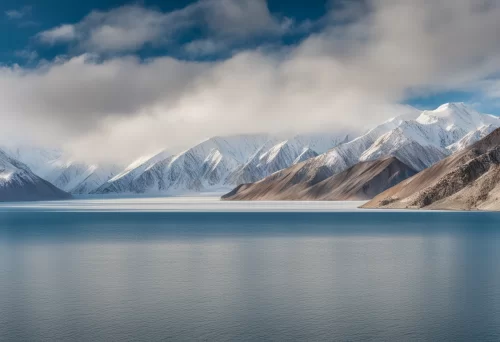
Korzok village near Tso Moriri offers one of the most fascinating cultural experiences in Changthang because travelers can witness high-altitude community life, monastery traditions, seasonal festivals, and traditional livelihoods beside one of Ladakh’s most scenic lakes.
The village combines spiritual atmosphere with remote wilderness living where local traditions continue to shape everyday life across the harsh yet beautiful Himalayan environment.
Travelers attending festivals or cultural events in Korzok should remain respectful of local customs because community traditions and monastery practices remain deeply important to village life.
The Hemis Festival is one of the most famous cultural celebrations in Ladakh because travelers witness traditional masked dances, Buddhist rituals, monastery performances, and colorful spiritual ceremonies held at the historic Hemis Monastery near Leh.
The festival creates a vibrant spiritual atmosphere where monks perform sacred Cham dances wearing elaborate costumes and masks while local communities gather to celebrate Ladakhi Buddhist traditions.
Travelers attending the Hemis Festival should arrive early because monastery courtyards become crowded during major ceremonial performances.
Dosmoche is one of Ladakh’s most important winter festivals where monasteries perform traditional rituals believed to remove negativity and protect local communities from misfortune during the harsh Himalayan winter season.
The festival combines spiritual ceremonies, masked dances, and ancient Buddhist traditions within a peaceful winter atmosphere across monasteries and villages in Leh and surrounding regions.
| Festival Experience | Main Highlight | Cultural Experience |
|---|---|---|
| Dosmoche Winter Festival | Traditional Buddhist winter celebrations | Authentic Ladakhi cultural atmosphere |
| Masked Cham Dance Rituals | Sacred monastery performances | Spiritual and ceremonial experience |
| Protective Buddhist Rituals | Ancient Himalayan spiritual traditions | Cultural learning opportunity |
| Winter Monastery Environment | Snow-covered Himalayan atmosphere | Unique seasonal festival experience |
| Local Community Participation | Traditional village and monastery gatherings | Meaningful cultural immersion |
| Photography Opportunities | Monks, masks, and monastery landscapes | Scenic cultural photography environment |
| One of Ladakh’s Most Unique Winter Festivals | Spirituality and seasonal traditions combined | Authentic Himalayan cultural journey |
Travelers attending Dosmoche should carry heavy winter clothing because temperatures remain extremely cold during Ladakh’s winter festival season.
Village harvest festivals and local fairs in Ladakh provide travelers with an authentic glimpse into traditional Himalayan community life where music, dance, farming culture, local food, and spiritual customs come together in peaceful mountain settlements.
These smaller celebrations often take place in remote villages where local traditions remain deeply connected to seasonal farming cycles and Buddhist cultural practices.
Travelers visiting local festivals and fairs in Ladakh should participate respectfully because many celebrations remain important spiritual and community traditions for mountain villages.
Alchi and Lamayuru offer some of Ladakh’s richest historical and spiritual experiences because these ancient Buddhist settlements preserve centuries-old monasteries, murals, scriptures, and Himalayan architectural traditions surrounded by dramatic mountain landscapes.
Travelers exploring these heritage villages experience peaceful monastery environments, ancient prayer halls, and cultural traditions that reflect Ladakh’s deep connection with Tibetan Buddhism and early Himalayan trade routes.
Travelers visiting Alchi and Lamayuru should respect monastery customs because many temples and prayer halls continue to function as active spiritual spaces.
The Aryan Valley villages of Dah, Hanu, Garkone, and nearby settlements offer one of Ladakh’s most distinctive cultural experiences because the Brokpa community preserves unique traditions, dress styles, language, and mountain lifestyles shaped by centuries of isolation in the Indus Valley region.
Travelers exploring these villages experience peaceful rural environments, traditional homes, orchards, and strong cultural identity within one of Ladakh’s most fascinating heritage regions.
| Heritage Experience | Main Highlight | Cultural Experience |
|---|---|---|
| Aryan Valley Village Exploration | Unique Himalayan cultural settlements | Authentic Brokpa heritage experience |
| Traditional Brokpa Dress and Customs | Distinctive local cultural identity | Rare mountain tradition observation |
| Village Orchard and Farming Landscapes | Peaceful Indus Valley rural atmosphere | Slow cultural exploration experience |
| Traditional Stone Houses and Mountain Settlements | Historic Himalayan village environment | Architectural heritage observation |
| Local Food and Family Interaction | Warm village hospitality experiences | Meaningful cultural immersion |
| Photography Opportunities | Villages, traditional attire, and mountain scenery | Scenic cultural photography environment |
| One of Ladakh’s Most Unique Heritage Regions | Culture and history combined | Authentic Himalayan community experience |
Travelers visiting Aryan Valley villages should interact respectfully and ask permission before photographing local people because the Brokpa culture remains deeply personal and community-centered.
Several villages across Ladakh preserve the legacy of ancient Himalayan trade routes where merchants once traveled between Central Asia, Tibet, Kashmir, and the Indian plains through rugged mountain passes and river valleys.
Travelers exploring these historic regions experience old caravan routes, traditional settlements, monasteries, and cultural influences shaped by centuries of Silk Route trade and mountain commerce.
Travelers exploring Ladakh’s historical villages should spend time understanding local history because many remote settlements played an important role in Himalayan trade and cultural exchange for centuries.
Ladakh is famous for its traditional pashmina craftsmanship because local communities in Changthang and surrounding regions have preserved the art of wool processing, weaving, and handmade textile production for generations under harsh Himalayan conditions.
Travelers exploring Ladakhi handicraft culture can observe traditional weaving practices, locally made wool products, and the connection between nomadic Changpa communities and the globally valued pashmina industry.
Travelers shopping for pashmina products in Ladakh should purchase from trusted local artisans and cooperatives because genuine handmade products support traditional mountain communities.
Ladakh preserves a rich artistic tradition where monasteries, villages, and local workshops continue producing wood carvings, thangka paintings, prayer items, and handmade crafts inspired by Buddhist spirituality and Himalayan culture.
These traditional art forms reflect centuries of Ladakhi heritage and offer travelers meaningful insight into the region’s spiritual and cultural identity.
| Art Experience | Main Highlight | Cultural Experience |
|---|---|---|
| Traditional Thangka Painting | Buddhist spiritual artwork and symbolism | Authentic monastery art heritage |
| Wood Carving Craftsmanship | Traditional Ladakhi decorative art | Historic Himalayan craftsmanship |
| Prayer Wheel and Religious Craft Production | Spiritual handmade items | Buddhist cultural understanding |
| Village Artisan Workshop Visits | Local handmade product exploration | Meaningful artisan interaction |
| Monastery-Inspired Cultural Art | Ancient Himalayan artistic traditions | Spiritual and cultural immersion |
| Photography Opportunities | Craft workshops, paintings, and artisans | Scenic cultural documentation experience |
| One of Ladakh’s Best Heritage Art Experiences | Culture and craftsmanship combined | Authentic Himalayan artistic journey |
Travelers exploring traditional art in Ladakh should appreciate the cultural and spiritual significance behind local crafts because many artistic traditions remain closely connected to monastery heritage and Buddhist practices.
Leh markets and village cooperatives offer travelers an authentic shopping experience where traditional handicrafts, wool products, handmade jewelry, local food items, and artisan products reflect the culture and creativity of Ladakh’s mountain communities.
These markets create a lively cultural atmosphere where travelers can interact with local artisans while supporting traditional craftsmanship and small Himalayan businesses.
Travelers shopping in Leh and village markets should prefer locally made products because handmade crafts directly support Ladakhi artisans and traditional mountain livelihoods.
Ladakh’s villages and monasteries preserve deeply rooted Buddhist traditions and mountain lifestyles where respectful behavior is an important part of responsible cultural travel. Travelers exploring remote regions should understand local customs because many communities continue to follow traditional spiritual and social practices.
Simple actions such as dressing modestly, speaking politely, and respecting monastery etiquette help create meaningful interactions while supporting positive relationships between travelers and local communities.
Travelers visiting villages and monasteries in Ladakh should remain patient and culturally sensitive because traditional mountain communities value peaceful and respectful interaction.
Photography in Ladakh offers extraordinary opportunities because monasteries, festivals, villages, and mountain landscapes create visually rich cultural environments. However, respectful photography practices are essential because many ceremonies and local traditions carry spiritual and personal significance.
Travelers should approach photography thoughtfully while exploring monasteries, village communities, and cultural events across Ladakh.
| Photography Practice | Main Purpose | Responsible Travel Experience |
|---|---|---|
| Ask Permission Before Photographing People | Respect personal privacy and traditions | Positive cultural interaction |
| Avoid Flash During Prayer Ceremonies | Protect peaceful spiritual atmosphere | Respect monastery rituals |
| Follow Monastery Photography Restrictions | Preserve sacred spaces and artwork | Responsible cultural exploration |
| Do Not Interrupt Festivals or Rituals | Allow ceremonies to continue naturally | Mindful travel behavior |
| Respect Local Comfort Levels During Photography | Build trust with communities | Authentic travel experience |
| Capture Landscapes Without Disturbing Wildlife or Villages | Protect fragile Himalayan environments | Eco-friendly tourism practice |
| Responsible Photography Improves Cultural Understanding | Balanced travel and documentation approach | Meaningful Ladakh exploration |
Travelers photographing cultural spaces in Ladakh should prioritize respect over content creation because authentic experiences are more meaningful when local traditions are honored carefully.
Responsible tourism in Ladakh helps preserve fragile Himalayan ecosystems and supports remote mountain communities where traditional livelihoods, handicrafts, farming, and cultural heritage remain closely connected to local identity and sustainability.
Travelers can contribute positively by supporting local businesses, minimizing environmental impact, and choosing slower and community-focused travel experiences across Ladakh.
Travelers exploring Ladakh should focus on respectful and eco-friendly tourism because responsible travel helps protect both the region’s fragile environment and its unique cultural traditions.
Ladakh offers several villages where travelers can experience authentic Himalayan culture through monastery traditions, farming lifestyles, nomadic communities, local food, and peaceful mountain living far away from crowded tourist regions.
Villages such as Turtuk, Sumur, Hanle, Korzok, Uleytokpo, and Aryan Valley settlements provide meaningful opportunities to understand Ladakh’s cultural diversity and traditional mountain heritage.
Travelers exploring Ladakh villages should spend extra time interacting with local communities because the region’s cultural richness is best experienced slowly and respectfully.
Ladakh offers different cultural travel styles depending on whether travelers prefer monastery-focused spiritual journeys, peaceful village experiences, or remote nomadic exploration across the Changthang plains and Himalayan wilderness.
Choosing the right cultural circuit helps travelers experience Ladakh more meaningfully according to personal interests, travel pace, and preferred level of remoteness.
| Cultural Travel Style | Main Highlight | Ideal Ladakh Experience |
|---|---|---|
| Monastery and Spiritual Exploration | Buddhist rituals monasteries and meditation spaces | Thiksey Hemis Lamayuru and Hanle circuits |
| Traditional Village Experiences | Homestays farming culture and local interaction | Turtuk Sumur Uleytokpo and Korzok stays |
| Nomadic Changthang Exploration | Changpa lifestyle and high-altitude wilderness | Hanle Changthang and Tso Moriri regions |
| Heritage and Historical Journeys | Ancient trade routes and cultural settlements | Alchi Aryan Valley and Silk Route villages |
| Food and Artisan Experiences | Local cuisine crafts and market culture | Leh markets village cooperatives and homestays |
| Festival and Community Experiences | Monastery celebrations and local traditions | Hemis Dosmoche and village cultural events |
| Balanced Cultural Circuit | Spirituality village life and nature combined | Complete Ladakh cultural exploration |
Travelers planning cultural journeys in Ladakh should avoid rushing because village life and monastery experiences are best understood through slow and immersive exploration.
Exploring Ladakh’s villages and cultural regions requires thoughtful preparation because the experience depends heavily on respectful interaction, flexible travel planning, and understanding the realities of remote Himalayan life.
Travelers who approach Ladakh with patience, cultural sensitivity, and slower travel expectations usually experience more meaningful connections with local communities and traditions.
Travelers exploring Ladakh’s village culture should prioritize respect, patience, and responsible tourism because authentic Himalayan experiences are built through meaningful cultural connection rather than rushed sightseeing.

Get customized Ladakh tour planning designed around altitude comfort, acclimatization time, weather windows, and real Himalayan road conditions. Whether you are visiting for high mountain passes, monasteries, lakes, or remote valley experiences, our exper
⚡ Quick Response | 💰 Free consultation | 🕒 24×7 expert support