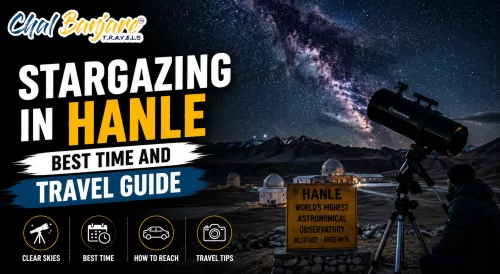
Stargazing in Hanle – Best Time and Travel Guide
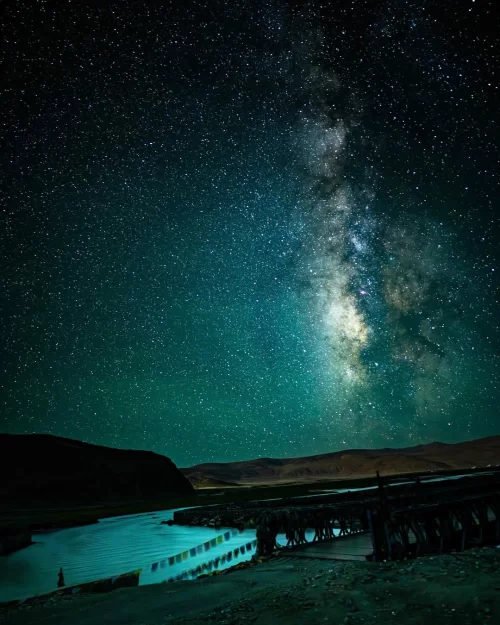
Hanle is one of India’s best stargazing destinations with dark skies, high altitude landscapes, observatory access, and minimal light pollution in eastern Ladakh.
+91 9910402252
admin@chalbanjare.com


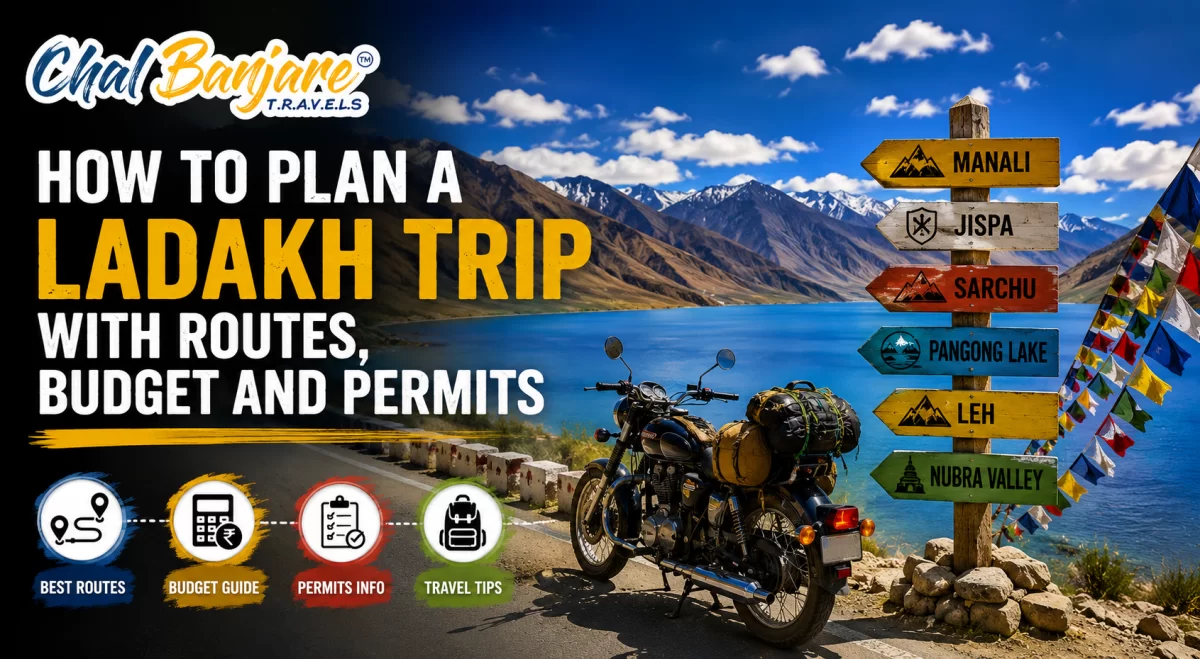
Planning a Ladakh trip requires understanding routes, permits, weather, transport costs, and acclimatization to avoid common travel mistakes in high altitude regions.
Ladakh is a high-altitude Himalayan cold desert region located in northern India, known for barren mountains, alpine lakes, glaciers, monasteries, river valleys, and remote villages. Unlike traditional hill stations filled with forests and greenery, Ladakh has rugged landscapes with very little vegetation because of its dry climate and extreme weather conditions. Most tourist areas in Ladakh are situated above 10,000 feet, making altitude one of the most important factors during trip planning.
Leh town serves as the main tourism center and acts as the starting point for almost every major travel circuit in Ladakh. Different regions around Leh offer completely different landscapes and travel experiences. Some routes focus on monasteries and cultural sightseeing, while others involve high mountain passes, remote valleys, lakes, or border-region exploration. Understanding the geography of Ladakh helps travelers create realistic itineraries instead of trying to cover every region within a short duration.
Travelers should understand that Ladakh distances cannot be judged like normal highway travel because mountain terrain, altitude, weather conditions, and road quality increase travel time significantly. Region-wise planning creates a much safer and more comfortable Ladakh experience.
The ideal number of days required for a Ladakh trip depends on the travel route, transport mode, acclimatization needs, and the number of destinations included in the itinerary. For first-time travelers arriving by flight, a 6 to 7 day trip is usually considered the most balanced option because it allows enough time for acclimatization and coverage of major regions like Nubra Valley and Pangong Lake without excessive travel pressure.
Shorter trips of 4 to 5 days are possible but often feel rushed because long driving hours and altitude conditions naturally slow down sightseeing. Travelers wanting to explore remote areas like Hanle, Tso Moriri, Turtuk, Kargil, or Zanskar should ideally plan 8 to 12 days to avoid exhaustion and allow buffer time for weather or road delays.
| Trip Duration | Suitable For | Practical Coverage |
|---|---|---|
| 4 to 5 Days | Quick trips | Leh, Nubra Valley, and Pangong in a fast-paced itinerary |
| 6 to 7 Days | First-time travelers | Comfortable acclimatization and major circuit coverage |
| 7 to 9 Days | Relaxed travel plans | Nubra, Pangong, Tso Moriri, and extended sightseeing |
| 10 to 12 Days | Adventure and offbeat travelers | Kargil, Hanle, Zanskar, Turtuk, and larger Ladakh circuits |
| 12+ Days | Road trip explorers | Full Ladakh circuit with highway journeys and buffer days |
Keeping at least one or two flexible buffer days is highly recommended because weather conditions, road closures, and flight disruptions are common in mountain regions. Travelers who plan realistic schedules usually experience Ladakh more comfortably and safely.
Choosing the right travel mode for Ladakh depends on vacation duration, comfort preference, budget, fitness level, and overall travel expectations. Flights are the fastest and most convenient option for travelers wanting to maximize sightseeing within limited time, while road trips allow gradual transition through changing Himalayan landscapes and help with acclimatization.
Bike journeys are among the most popular Ladakh travel experiences because they combine adventure, mountain roads, and remote exploration. However, riding in Ladakh can become physically exhausting due to altitude, rough terrain, cold weather, and long driving hours. Travelers should select the travel mode based on realistic comfort and safety rather than only following social media trends or adventure expectations.
Travelers unfamiliar with Himalayan roads should avoid underestimating Ladakh’s terrain because mountain weather, altitude, and long-distance driving can become physically demanding. Choosing a travel style that matches personal comfort and trip duration creates a much smoother overall experience.
The Srinagar to Leh highway is considered one of the best road routes for entering Ladakh because the altitude rises gradually throughout the journey. This route connects Kashmir Valley with Ladakh through mountain passes, river valleys, glaciers, meadows, and scenic Himalayan landscapes. Travelers usually prefer this highway for entering Ladakh because the slower altitude gain helps the body acclimatize more naturally compared to the Manali route.
The route generally passes through Srinagar, Sonamarg, Zoji La Pass, Drass, Kargil, Mulbekh, Lamayuru, and finally Leh. Kargil is the most common overnight halt because it breaks the long drive into a comfortable two-day journey. Road conditions vary depending on snowfall clearance, landslides, weather changes, and army convoy movement, especially around Zoji La during early and late season travel.
This route is ideal for first-time travelers, families, and road trip groups wanting a more gradual and comfortable entry into Ladakh. Keeping flexible timing is important because weather conditions and road maintenance work can still affect travel schedules unexpectedly.
The Manali to Leh highway is one of India’s most famous adventure road journeys and attracts bikers, photographers, self-drive travelers, and mountain expedition groups from across the country. Unlike the Srinagar route, this highway climbs rapidly through several high-altitude passes, barren valleys, glacier-fed streams, and isolated stretches, making it physically more demanding but visually dramatic.
The route generally opens between late May and June depending on snowfall conditions and remains operational until early autumn before winter closures begin again. Travelers crossing this highway experience major landscape transitions from green Himachali valleys to the cold desert terrain of Ladakh. Because of long remote stretches with limited facilities, proper fuel planning, acclimatization, and weather awareness become extremely important during this journey.
| Major Stopover | Main Importance | Travel Conditions |
|---|---|---|
| Manali | Main starting point | Bike rentals, hotels, and trip preparation facilities |
| Atal Tunnel Region | Entry towards Lahaul Valley | Improved access compared to old Rohtang route |
| Jispa | Acclimatization stop | Preferred overnight halt before higher altitude sections |
| Sarchu | High-altitude camping area | Cold weather and thinner oxygen levels |
| Baralacha La | Major mountain pass | Snow and rough weather possible even in summer |
| More Plains | Open plateau section | Long scenic driving stretch with barren landscapes |
| Tanglang La | High mountain pass before Leh | Strong winds and changing weather conditions |
The Manali to Leh highway is best suited for adventure-focused travelers comfortable with rough roads, long driving hours, and changing weather conditions. Breaking the journey through overnight stays like Jispa or Sarchu improves acclimatization and reduces travel exhaustion significantly.
Flights from Delhi to Leh are the fastest and most convenient way to reach Ladakh, especially for travelers with limited vacation time or those wanting to avoid long mountain road journeys. Regular direct flights usually operate during the tourist season, and the flying duration is generally around one and a half hours depending on weather and operational conditions.
Leh Airport, officially called Kushok Bakula Rimpochee Airport, is located close to Leh town, making hotel transfers relatively quick and simple. Since Leh itself is situated at high altitude, travelers commonly experience sudden altitude impact immediately after landing. Proper acclimatization planning is therefore extremely important, and long-distance travel should be avoided on the arrival day.
Travelers arriving by flight should avoid immediate drives towards Nubra Valley or Pangong Lake because the body needs time to adjust to reduced oxygen levels. A relaxed first day in Leh improves travel comfort and helps prevent altitude-related problems during the remaining journey.
Summer is considered the main travel season for Ladakh because road connectivity gradually improves and most tourist circuits become accessible during this period. The season usually begins around April in Leh town, while the Srinagar–Leh and Manali–Leh highways typically open between late April and June depending on snowfall conditions and road clearance operations at high mountain passes.
From May to September, tourism activity increases significantly across Leh, Nubra Valley, Pangong Lake, Tso Moriri, and other major circuits. Hotels, camps, bike rentals, cafes, taxis, and tour services operate fully during these months. Summer also provides clearer skies, pleasant daytime weather, and better road access, making it the preferred season for first-time travelers and road trip enthusiasts.
Travelers planning summer trips should still prepare for cold nights, strong sunlight, and sudden weather changes because Ladakh temperatures fluctuate rapidly after sunset even during peak tourist months.
Although Ladakh itself receives comparatively low rainfall because of its cold desert geography, the routes connecting Ladakh through Himachal Pradesh and Kashmir become heavily affected during the monsoon season. Travelers entering Ladakh through the Srinagar–Leh or Manali–Leh highways during July and August may face weather-related travel disruptions despite clear conditions inside central Ladakh.
The Manali highway is generally more vulnerable to water crossings, mud sections, road damage, and landslides because several stretches pass through fragile mountain terrain and glacier-fed stream zones. The Srinagar route also experiences landslides and traffic delays, especially around Zoji La and Kashmir valley sections during heavy rainfall periods.
| Travel Route | Monsoon Impact | Ground Reality |
|---|---|---|
| Manali to Leh Highway | Water crossings and road damage | Afternoon driving becomes more difficult during rain periods |
| Srinagar to Leh Highway | Landslides and traffic congestion | Weather delays common near mountain passes |
| Zoji La Region | Fog and slippery roads | Travel timing may change due to road conditions |
| Lahaul and Himachal Sections | Mudslides and unstable roads | Heavy rainfall affects driving speed significantly |
| Leh Town and Nubra | Comparatively lower rainfall | Conditions usually remain more stable than outer Himalayan routes |
Travelers planning monsoon-season road trips should always keep buffer days because highway closures and weather delays are common in Himalayan regions. Early morning driving and flexible travel schedules help reduce risks during this period.
Winter transforms Ladakh into an extreme cold desert landscape with snow-covered mountains, frozen rivers, and dramatically reduced tourist movement. The season usually begins around late October and continues until March, with January and February being the harshest months. During this period, temperatures fall well below freezing across most regions, especially during nights and early mornings.
Many tourist camps near Pangong Lake, Tso Moriri, and remote villages close during winter because of severe weather conditions and limited accessibility. The Srinagar–Leh and Manali–Leh highways generally shut due to heavy snowfall at high mountain passes, making flights the primary mode of reaching Leh during peak winter months.
Winter travel in Ladakh is best suited for experienced travelers prepared for extreme cold and infrastructure limitations. Proper thermal clothing, medical preparation, and flexible planning become essential because weather conditions can change suddenly during this season.
A 5 to 6 day Ladakh itinerary is one of the most practical choices for first-time travelers because it covers the major tourist circuit without creating excessive travel pressure. This duration is especially suitable for travelers arriving by flight in Leh and wanting to experience monasteries, mountain passes, Nubra Valley, and Pangong Lake within a manageable schedule.
The biggest priority during a shorter Ladakh trip should always be acclimatization because the region sits at very high altitude. Travelers trying to rush directly towards Nubra Valley or Pangong Lake immediately after landing often face severe exhaustion and altitude-related discomfort. A properly planned 5 to 6 day route balances sightseeing with gradual movement across mountain terrain.
| Day | Suggested Route | Main Coverage |
|---|---|---|
| Day 1 | Arrival in Leh | Hotel rest and acclimatization |
| Day 2 | Leh Local and Sham Valley | Leh Palace, Shanti Stupa, Sangam, Magnetic Hill |
| Day 3 | Leh to Nubra Valley | Khardung La, Diskit Monastery, Hunder dunes |
| Day 4 | Nubra to Pangong Lake | Shyok route, mountain valleys, Pangong stay |
| Day 5 | Pangong to Leh | Chang La Pass and scenic return drive |
| Day 6 | Departure from Leh | Airport transfer and return journey |
This itinerary works best for travelers wanting a balanced Ladakh experience within limited time while avoiding extremely aggressive travel schedules. Maintaining flexibility and proper rest greatly improves comfort during high-altitude travel.
A 7 to 9 day Ladakh itinerary provides significantly better flexibility and travel comfort compared to shorter trips because it allows slower acclimatization and inclusion of additional remote regions such as Tso Moriri. This duration is ideal for travelers wanting to experience Ladakh more deeply without rushing continuously between destinations.
The inclusion of Tso Moriri adds a quieter and more remote Himalayan experience compared to the more crowded Pangong circuit. Travelers also get additional time for photography, cultural exploration, scenic stops, and buffer days in case of weather or road disruptions. The journey becomes physically more comfortable because daily driving pressure reduces considerably.
This itinerary is ideal for travelers preferring a more relaxed Ladakh experience with broader route coverage and reduced exhaustion. Extra days also improve flexibility during weather delays and changing road conditions common in Himalayan travel.
An extended Ladakh route covering Hanle, Kargil, and Zanskar is suitable for travelers wanting deeper exploration beyond the standard Leh–Nubra–Pangong circuit. These regions provide remote landscapes, high-altitude villages, monasteries, glaciers, dark sky locations, and less crowded Himalayan experiences that are usually missed during shorter itineraries.
Such journeys require additional travel days because road conditions become rougher and distances between facilities increase significantly. Fuel stations, medical support, internet connectivity, and accommodation choices become limited in several sections. Travelers attempting extended circuits should therefore prioritize flexible planning, proper acclimatization, and realistic driving schedules.
| Region | Main Highlights | Travel Importance |
|---|---|---|
| Hanle | Dark skies and observatory landscapes | Popular for astrophotography and remote travel |
| Kargil | Mountain valleys and war memorial routes | Important transit region between Kashmir and Leh |
| Zanskar Valley | Rugged terrain and monasteries | Adventure-focused offbeat Himalayan exploration |
| Padum | Main settlement of Zanskar | Base point for valley sightseeing and road circuits |
| Lamayuru | Moonland terrain and monastery | Scenic stop along Kargil route |
| Tso Moriri | Remote alpine lake landscapes | Quieter alternative to Pangong Lake |
| Turtuk | Balti culture and border village scenery | Unique extension from Nubra Valley |
Extended Ladakh journeys are best experienced slowly because the roads, altitude, and remote geography can become physically demanding when rushed. Travelers allowing enough time for acclimatization and flexible movement usually enjoy the offbeat Himalayan experience much more comfortably.
Inner Line Permits are mandatory for visiting several restricted regions in Ladakh because many tourist destinations are located close to international border areas and sensitive military zones. Popular regions such as Nubra Valley, Pangong Lake, Tso Moriri, Hanle, Turtuk, and other remote sectors generally require permits before travelers are allowed to enter. Checkpoints operated by local authorities and security forces regularly verify permits during road journeys.
Most travelers arrange permits either online before arrival or through local travel agents and hotels in Leh. The permit process is usually straightforward for Indian citizens, but route selection and region coverage should be finalized carefully because permits are checked at multiple locations throughout the journey. Travelers planning remote circuits should ensure that every intended destination is clearly included in the permit documents.
Travelers should finalize route planning before applying for permits because missing regions or incorrect documentation can create delays during the journey. Carrying both digital and physical permit copies is highly recommended while traveling across Ladakh.
Travelers visiting Ladakh should carry proper identification documents because permits, hotel check-ins, airport security checks, and checkpoint verification are common throughout the region. Indian and foreign travelers follow slightly different permit procedures and documentation requirements, especially for restricted and border-sensitive areas.
Indian citizens usually require valid government-issued photo identification along with permit copies for restricted regions. Foreign travelers may need Protected Area Permits depending on the route and prevailing regulations. Since internet connectivity and printing facilities become limited in remote areas, carrying physical document copies is extremely important during Ladakh travel.
| Traveler Type | Required Documents | Practical Note |
|---|---|---|
| Indian Travelers | Aadhaar Card, Passport, Driving License, or Voter ID | Carry multiple photocopies for checkpoints |
| Foreign Travelers | Passport and Visa documents | Protected Area Permit rules may apply |
| Bike Riders | Driving License and vehicle papers | Important during road checks and rentals |
| Self Drive Travelers | RC, insurance, and pollution documents | Vehicle verification may occur at checkpoints |
| Hotel Check-ins | Government-issued ID proof | Mandatory across accommodation categories |
| Flight Travelers | Airport identity verification | Original ID required during boarding procedures |
Travelers should always keep both digital backups and printed copies of important documents because mobile networks and internet access remain unreliable in several Ladakh regions. Proper documentation helps avoid unnecessary delays during permit checks and remote route travel.
Apart from transport and accommodation expenses, travelers visiting Ladakh should also account for permit fees, environmental charges, wildlife entry costs, and checkpoint-related expenses while planning their budget. These charges are collected to manage tourism activity, maintain infrastructure, and regulate access to environmentally sensitive high-altitude regions.
Although individual fees may not appear very high, the total amount increases when permits, environmental contributions, monastery entry tickets, vehicle charges, and wildlife area fees are combined together. Travelers covering multiple circuits like Nubra Valley, Pangong Lake, Hanle, and Tso Moriri should therefore include these expenses while estimating the total trip budget.
Travelers should always keep some extra budget for permits and local entry costs because route extensions, weather changes, or itinerary modifications may require additional approvals during the journey. Planning these expenses in advance helps avoid unnecessary financial stress while traveling through remote Ladakh regions.
Transport forms the largest portion of a Ladakh trip budget because of long mountain distances, difficult terrain, high-altitude driving conditions, and limited fuel availability in remote regions. Travelers usually choose between flights, private taxis, bike rentals, self-drive vehicles, or shared transport depending on their travel style, group size, and comfort preference.
Flights to Leh are generally the fastest option but ticket prices fluctuate heavily based on season, weather, and booking timing. Private taxis remain one of the most comfortable ways to explore Ladakh, especially for families and couples, while bike rentals are preferred by adventure travelers wanting a more immersive road journey experience. Fuel planning becomes especially important during long circuits covering Nubra Valley, Pangong Lake, Hanle, Tso Moriri, or Zanskar because petrol pumps are limited outside Leh and Kargil.
| Expense Type | Budget Impact | Ground Reality |
|---|---|---|
| Flights to Leh | Moderate to High | Prices increase sharply during peak tourist season |
| Private Taxi | High | Most comfortable option for sightseeing circuits |
| Bike Rental | Moderate | Popular among solo riders and adventure groups |
| Shared Transport | Budget Friendly | Cheaper but less flexible for route planning |
| Fuel Expenses | Variable | Higher consumption on mountain roads and remote routes |
| Self Drive SUV | Moderate to High | Requires mountain driving experience and backup planning |
| Airport Transfers | Additional Expense | Often charged separately from tour packages |
Travelers should always keep buffer funds for fuel backup, punctures, weather delays, and emergency transport changes because mountain conditions can affect travel plans unexpectedly. Budget calculations based only on fixed package costs often become unrealistic in Ladakh.
Accommodation costs in Ladakh vary depending on season, altitude, location, and comfort level. Leh town offers the widest range of hotels, guesthouses, hostels, boutique stays, and cafes, while remote regions like Pangong Lake, Hanle, Tso Moriri, and Zanskar usually provide simpler accommodation with fewer facilities because of difficult logistics and harsh weather conditions.
Homestays are becoming increasingly popular among travelers wanting local cultural experiences and comparatively affordable stays. Camps near Pangong and Nubra remain major tourist accommodation options during summer months, although facilities become basic in remote regions. Food expenses also increase gradually as travelers move farther from Leh because transportation of supplies into high-altitude areas becomes expensive.
Travelers planning budget trips should remain flexible with accommodation expectations because electricity, heating, internet access, and hot water availability vary significantly in remote Himalayan regions. Carrying snacks and reusable bottles can also help reduce unnecessary food expenses during long road journeys.
Many first-time travelers underestimate the hidden expenses involved in a Ladakh trip because they focus mainly on transport and hotel costs while ignoring permits, emergency supplies, charging costs, fuel backup, and altitude-related requirements. Since Ladakh involves travel through remote and environmentally sensitive regions, several additional expenses arise during the journey.
Travelers covering circuits like Nubra Valley, Pangong Lake, Hanle, Tso Moriri, and border regions usually need permits and environmental clearances. Additional costs can also arise from oxygen cylinder rentals, power backup, mobile charging, extra accommodation during road closures, and emergency transport changes caused by weather disruptions.
| Hidden Expense | Purpose | Practical Ground Reality |
|---|---|---|
| Inner Line Permits | Access to restricted regions | Mandatory for several tourist circuits |
| Environmental Fees | Tourism management and ecological regulation | Usually collected during permit processing |
| Oxygen Cylinders | Emergency altitude support | Commonly rented by cautious travelers |
| Charging Costs | Electricity usage in camps | Additional payment possible in remote stays |
| Extra Fuel Backup | Long remote road stretches | Necessary for bikes and self-drive trips |
| Network Issues | Limited digital access | Offline preparation and backup cash become important |
| Weather Delays | Unexpected route closures | Additional hotel and food expenses possible |
| Medical Expenses | Altitude or emergency support | Remote healthcare access may increase costs |
Keeping an emergency buffer budget is highly recommended during Ladakh travel because weather conditions, altitude problems, and route changes can suddenly increase overall expenses. Travelers prepared for hidden costs usually experience much less stress during remote Himalayan journeys.
Taxis are one of the most commonly used transport options for exploring Ladakh because the region involves long mountain routes, changing weather conditions, and high-altitude roads that can become physically tiring for self-driving travelers. Most tourists choose between shared taxis and private taxis depending on their budget, comfort level, travel flexibility, and group size.
Shared taxis are generally preferred by backpackers and solo travelers because they reduce transportation expenses significantly by splitting costs between multiple passengers. However, they operate on fixed schedules and limited route flexibility. Private taxis, on the other hand, provide greater comfort, customizable sightseeing stops, and safer travel for families, couples, and travelers unfamiliar with Ladakh road conditions.
| Transport Type | Main Advantage | Travel Limitation |
|---|---|---|
| Shared Taxi | Budget-friendly option | Fixed timing and limited flexibility |
| Private Taxi | Comfortable and customizable | Higher transportation expense |
| Shared Group Vehicle | Suitable for backpackers | Less privacy during long drives |
| Private SUV | Better comfort on rough roads | Cost increases for smaller groups |
| Taxi Packages | Easy route management | May not include every offbeat stop |
| Day Excursion Taxi | Convenient for local sightseeing | Separate charges for longer circuits |
Travelers planning Ladakh by taxi should always confirm route coverage, night halt charges, fuel inclusion, and waiting costs before finalizing bookings. Flexible travel schedules and weather-related delays can sometimes increase overall transport expenses unexpectedly.
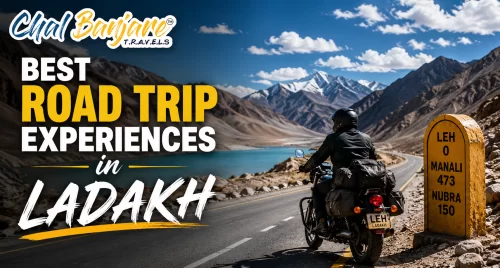
Bike trips are among the most popular travel experiences in Ladakh because they allow travelers to explore mountain roads, high passes, remote valleys, and scenic highways more closely. Leh has several bike rental shops offering motorcycles suitable for Himalayan terrain, but riders should understand that Ladakh road conditions can become physically exhausting because of altitude, weather, rough patches, and long-distance travel.
Travelers renting bikes in Ladakh should verify vehicle condition carefully before starting the journey because mechanical problems in remote regions can create major delays. Fuel planning is equally important because petrol pumps are limited outside Leh and Kargil, especially on routes covering Pangong Lake, Hanle, Tso Moriri, and Zanskar.
Riders should avoid overestimating daily travel capacity because mountain roads slow movement considerably. Shorter riding schedules with proper rest improve safety and allow travelers to enjoy Ladakh landscapes more comfortably instead of rushing continuously between destinations.
Self-drive trips in Ladakh are becoming increasingly popular among travelers wanting route flexibility and independent exploration. However, driving in Ladakh is very different from regular highway driving because mountain terrain, altitude, steep climbs, narrow roads, unpredictable weather, and rough surfaces create challenging conditions even for experienced drivers.
Routes like Manali to Leh, Pangong Lake, Hanle, Tso Moriri, and Zanskar involve difficult driving sections including water crossings, loose gravel, sharp turns, and isolated stretches with minimal roadside assistance. Drivers unfamiliar with Himalayan roads often underestimate the physical and mental fatigue caused by long hours behind the wheel at high altitude.
| Driving Challenge | Main Difficulty | Ground Reality |
|---|---|---|
| High Mountain Passes | Steep climbs and thin oxygen levels | Vehicles lose power at higher altitude |
| Water Crossings | Strong glacier-fed streams | Afternoon crossings become more difficult |
| Broken Roads | Rough driving surfaces | Suspension and tire strain increase significantly |
| Remote Stretches | Limited repair support | Help may take several hours to arrive |
| Weather Changes | Sudden snowfall or strong winds | Road visibility can reduce rapidly |
| Long Driving Hours | Physical exhaustion | Mountain distances take much longer than expected |
| Fuel Availability | Limited petrol stations | Advance fuel planning becomes necessary |
Travelers planning self-drive Ladakh trips should prioritize realistic daily distances, proper acclimatization, and flexible scheduling instead of trying to cover maximum locations quickly. Slow and careful driving is essential because mountain conditions can change suddenly across different Ladakh routes.
Altitude sickness is one of the most serious challenges travelers face in Ladakh because most tourist destinations are located at extremely high elevations with lower oxygen levels. Travelers arriving directly by flight from low-altitude cities often experience sudden physical stress because the body gets very little time to adjust gradually. Even healthy and physically fit travelers can develop altitude-related discomfort if acclimatization is ignored.
Symptoms generally appear within the first few hours after reaching Leh and may worsen while traveling towards higher-altitude regions like Khardung La, Chang La, Pangong Lake, Hanle, or Tso Moriri. The severity varies from person to person, which is why acclimatization should always be treated as the most important part of Ladakh travel planning.
Travelers who prioritize acclimatization usually experience a much smoother Ladakh journey with reduced health risks and better energy levels throughout the trip. Slow movement and realistic itineraries are far more effective than aggressive sightseeing plans at high altitude.
Road travel in Ladakh is heavily dependent on weather and terrain conditions because highways pass through high mountain passes, glacier streams, landslide zones, and isolated valleys. Even during peak tourist season, sudden snowfall, strong winds, landslides, or road repair work can temporarily block routes and increase travel time significantly.
The Srinagar–Leh and Manali–Leh highways usually remain operational only during specific months because winter snowfall closes major passes for long durations. Travelers planning road trips should understand that Ladakh travel schedules are often affected more by weather and road conditions than by map distance alone. Flexible planning becomes extremely important in mountain regions where conditions can change quickly.
| Travel Risk | Main Impact | Ground Reality |
|---|---|---|
| Snowfall | Road closures at high passes | Common during winter and shoulder seasons |
| Landslides | Traffic stoppage and route delays | More frequent near Himachal and Kashmir sectors |
| Water Crossings | Difficult vehicle movement | Glacier streams become stronger during afternoons |
| Road Repairs | Slow driving conditions | Frequent maintenance work on mountain highways |
| Flight Delays | Arrival and departure disruption | Weather and visibility affect Leh flights regularly |
| Strong Winds | Reduced driving comfort | Common near Pangong, Hanle, and open plateau regions |
| Night Driving | Higher accident risk | Low visibility and isolated roads increase danger |
Travelers should always keep at least one or two buffer days in Ladakh itineraries because weather disruptions and roadblocks can occur unexpectedly. Flexible schedules reduce stress and allow safer travel across difficult Himalayan terrain.
Although tourism infrastructure in Ladakh has improved significantly over the years, many remote regions still face limitations related to mobile connectivity, electricity supply, ATM access, fuel availability, and healthcare support. Travelers used to urban convenience often underestimate how isolated several Ladakh routes become once they leave Leh town.
Connectivity issues are especially noticeable in regions like Hanle, Pangong villages, Tso Moriri, and Zanskar where internet services remain weak or unavailable for long durations. Medical facilities also become limited outside Leh and Kargil, making preparation extremely important for travelers with health concerns or long road-trip itineraries.
Travelers visiting Ladakh should carry sufficient cash, medicines, power banks, offline navigation, and backup essentials because depending completely on digital connectivity or urban-style infrastructure can create major difficulties during remote Himalayan travel.
One of the most common mistakes travelers make while planning a Ladakh trip is trying to cover too many destinations within a short duration. Places like Nubra Valley, Pangong Lake, Hanle, Tso Moriri, Kargil, and Zanskar may appear close on maps, but mountain roads, altitude gain, weather conditions, and difficult terrain increase travel time significantly compared to normal highway journeys.
Aggressive itineraries often lead to exhaustion, poor acclimatization, rushed sightseeing, and reduced enjoyment of the overall journey. Ladakh is not a destination where travelers should continuously rush from one location to another because the landscapes, road journeys, monasteries, lakes, and mountain passes are themselves a major part of the experience.
Travelers who plan realistic itineraries usually enjoy Ladakh much more comfortably because they remain physically relaxed and mentally prepared for changing mountain conditions. Slow travel allows better appreciation of the landscapes and overall Himalayan experience.
Proper preparation is extremely important for Ladakh travel because several remote regions have limited shopping access, weak mobile connectivity, fewer medical facilities, and unpredictable weather conditions. Travelers often underestimate how cold, dry, and isolated some areas can become, especially during overnight stays near Pangong Lake, Hanle, Tso Moriri, or high mountain passes.
Carrying proper documents, medicines, layered clothing, and communication backups helps avoid major difficulties during the journey. Since network access and emergency support remain limited in remote regions, travelers should always keep essential items easily accessible throughout the trip.
| Essential Item | Importance During Travel | Practical Ground Reality |
|---|---|---|
| Postpaid SIM Card | Better network access in Ladakh | Prepaid SIM cards may not function properly |
| Government ID Proof | Hotel check-ins and permit verification | Physical copies are useful at checkpoints |
| Personal Medicines | Emergency medical support | Specific medicines may not be available remotely |
| Altitude Medicines | Useful during acclimatization | Should only be used under proper guidance |
| Warm Layers | Protection from cold weather | Temperatures drop sharply after sunset |
| Power Bank | Backup charging support | Electricity supply may remain inconsistent |
| Sunglasses and Sunscreen | Protection from strong UV exposure | High-altitude sunlight becomes intense |
Travelers carrying proper essentials face significantly fewer problems during weather changes and long remote drives. Ladakh travel preparation should focus more on practicality, warmth, medical readiness, and connectivity rather than unnecessary luggage.
Fuel availability, banking access, and mobile connectivity become limited once travelers move away from Leh and major towns. Routes covering Pangong Lake, Hanle, Tso Moriri, Nubra Valley, and Zanskar involve long stretches with very few facilities, making advance planning extremely important for both transport and personal convenience.
Many travelers rely too heavily on mobile internet, digital payments, and online navigation systems, only to realize later that networks become weak or completely unavailable in several remote areas. Carrying sufficient cash, backup fuel, offline maps, and emergency essentials greatly improves safety and reduces stress during long mountain journeys.
Travelers prepared for Ladakh’s infrastructure limitations usually experience far fewer difficulties during remote travel. Planning fuel, cash, navigation, and emergency support in advance creates a smoother and safer journey across isolated Himalayan regions.
For first-time travelers, the best Ladakh route combination is usually the Leh–Nubra Valley–Pangong Lake circuit because it covers the region’s most famous landscapes while remaining manageable within a realistic travel schedule. This route provides a balanced introduction to Ladakh’s monasteries, mountain passes, cold desert valleys, alpine lakes, and remote Himalayan terrain without becoming excessively physically demanding.
Travelers arriving by flight should always keep the first day reserved for acclimatization in Leh before starting longer drives. Among road routes, entering Ladakh through Srinagar and exiting through Leh flights or the Manali highway creates a smoother travel experience because the altitude rises gradually while entering through Kashmir. Travelers trying to include too many remote regions during the first trip often end up exhausted due to long mountain drives and altitude pressure.
First-time travelers usually enjoy Ladakh more when the route remains simple, flexible, and focused on comfort instead of aggressive sightseeing targets. Proper acclimatization and realistic daily travel distances are more important than covering maximum locations quickly.
The cost of a Ladakh trip varies heavily depending on transport choice, travel season, accommodation category, group size, and itinerary length. Flights, taxis, bike rentals, hotels, permits, and fuel expenses form the largest portion of the overall budget. Remote circuits like Hanle, Tso Moriri, and Zanskar generally increase trip costs because of longer travel distances and limited infrastructure.
Budget travelers often reduce expenses through shared taxis, guesthouses, and homestays, while mid-range travelers usually prefer comfortable hotels and private transport. Luxury travelers generally choose premium camps, boutique stays, customized vehicles, and extended itineraries covering remote Himalayan regions with higher comfort levels.
| Travel Style | Budget Range | Typical Travel Experience |
|---|---|---|
| Budget Trip | Low to Moderate | Shared transport, guesthouses, hostels, and basic sightseeing |
| Mid Range Trip | Moderate | Private taxi, comfortable hotels, and balanced itinerary planning |
| Luxury Trip | High | Premium camps, customized transport, and flexible route coverage |
| Bike Expedition | Variable | Adventure-focused travel with fuel and riding expenses |
| Road Trip Circuit | Moderate to High | Additional fuel, permits, and highway accommodation costs |
| Extended Offbeat Circuit | Higher Budget | Hanle, Tso Moriri, and Zanskar routes increase expenses |
Travelers should always keep additional emergency funds for weather delays, route changes, fuel backup, medical support, and unexpected accommodation needs because Ladakh travel costs can increase suddenly during mountain disruptions or peak tourist periods.
Before starting a Ladakh journey, travelers should carefully review route planning, weather conditions, accommodation bookings, transport readiness, medical preparation, and acclimatization strategy. Ladakh travel becomes significantly smoother when important details are finalized beforehand instead of depending on last-minute arrangements in remote mountain regions.
Most travel difficulties in Ladakh occur because travelers underestimate altitude, long road distances, weather unpredictability, and infrastructure limitations. A proper checklist helps reduce stress during the journey and improves overall safety and comfort while exploring high-altitude Himalayan terrain.
A successful Ladakh journey depends more on preparation, flexibility, and realistic travel pacing than on covering maximum destinations quickly. Travelers who prepare carefully usually experience the mountains, lakes, monasteries, and remote Himalayan landscapes much more comfortably and safely.
Get customized Ladakh tour planning designed around altitude comfort, acclimatization time, weather windows, and real Himalayan road conditions. Whether you are visiting for high mountain passes, monasteries, lakes, or remote valley experiences, our exper
⚡ Quick Response | 💰 Free consultation | 🕒 24×7 expert support