Stargazing in Hanle – Best Time and Travel Guide
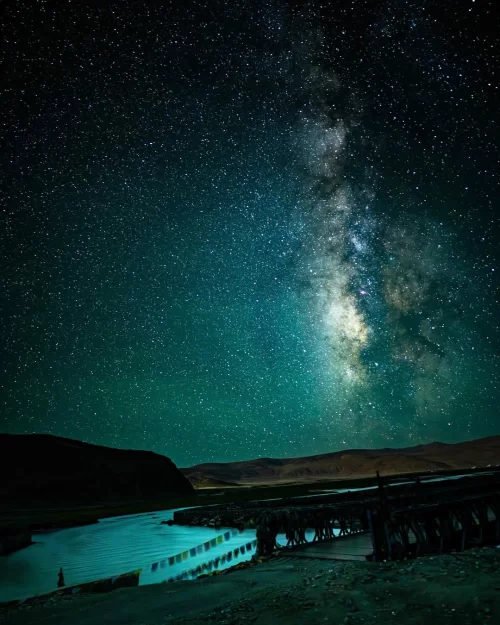
Hanle is one of India’s best stargazing destinations with dark skies, high altitude landscapes, observatory access, and minimal light pollution in eastern Ladakh.
+91 9910402252
admin@chalbanjare.com


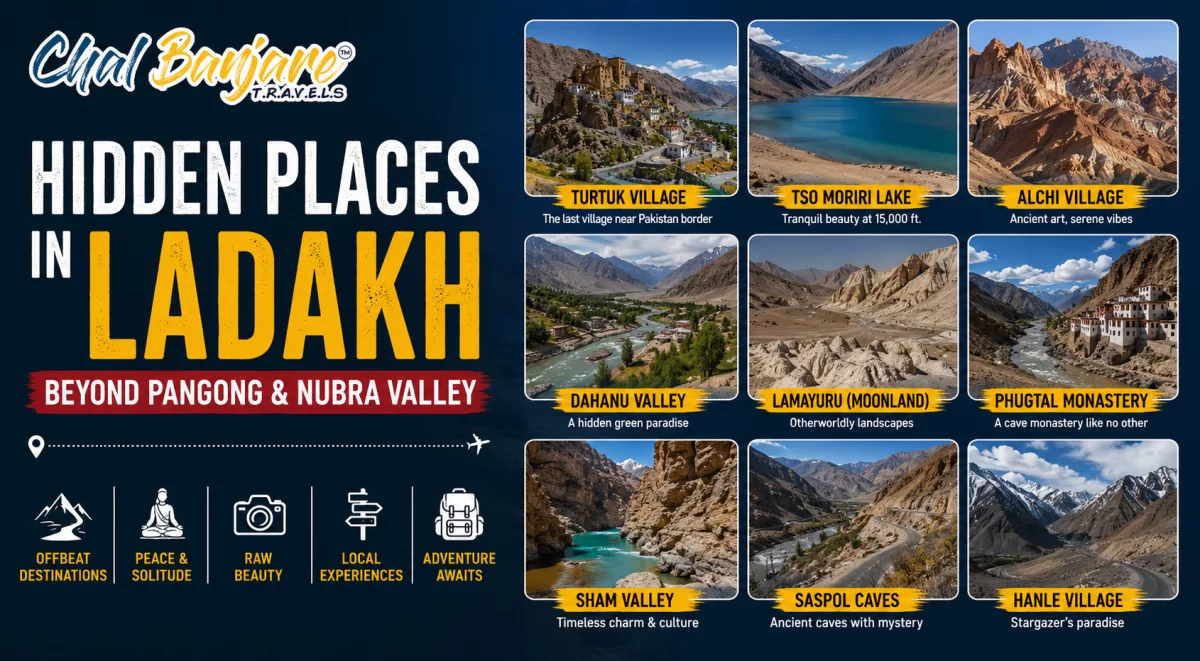
Beyond Pangong Lake and Nubra Valley, Ladakh has remote villages, hidden lakes, monastery circuits, and isolated Himalayan landscapes rarely explored by regular tourists.
Hanle is one of the most remote and extraordinary hidden destinations in eastern Ladakh because of its isolated mountain setting, world-famous observatory, and exceptionally clear night skies. Located deep inside the Changthang region near sensitive border areas, Hanle remains far less crowded than mainstream Ladakh circuits and offers a raw high-altitude wilderness experience.
The village is home to the Indian Astronomical Observatory, one of the highest observatories in the world, where minimal light pollution and dry Himalayan air create ideal conditions for astronomy and astrophotography. Hanle also combines traditional monastery culture, nomadic settlements, and vast barren landscapes stretching across the eastern plateau.
Travelers visiting Hanle should prepare carefully for extreme cold and low oxygen levels because the village lies at very high altitude with limited infrastructure support.
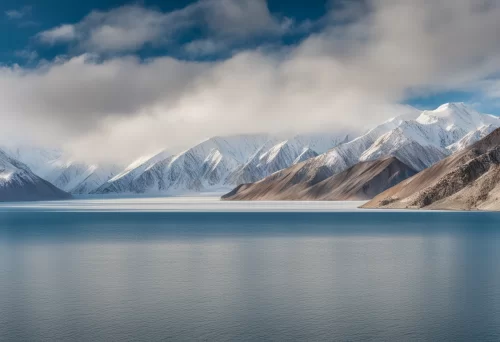
The lakes of Tso Moriri and Tso Kar represent some of the most peaceful and untouched landscapes in eastern Ladakh because they are located deep inside the remote Changthang plateau surrounded by barren mountains, wildlife habitats, and isolated valleys. These lakes offer a much quieter atmosphere compared to Pangong Lake.
Tso Moriri is known for its deep blue freshwater lake and Karzok village surroundings, while Tso Kar is famous for salt lake terrain, wildlife, and wide open plains. Together, they create one of Ladakh’s most scenic wilderness circuits.
| Lake or Region | Main Highlight | Travel Experience |
|---|---|---|
| Tso Moriri Lake | High-altitude freshwater lake | Peaceful remote Himalayan landscapes |
| Karzok Village | Traditional lakeside settlement | Changpa cultural experiences |
| Tso Kar Lake | Salt lake and marshland environment | Wildlife and wilderness exploration |
| Changthang Plateau | Open high-altitude plains | Remote cold desert scenery |
| Wildlife Observation | Kiang, marmots, and migratory birds | Nature photography opportunities |
| Minimal Tourism Infrastructure | Raw and isolated travel atmosphere | Authentic Himalayan wilderness experience |
| Adventure Road Trip Circuit | Long scenic mountain highways | Extreme high-altitude exploration |
Travelers exploring these remote lakes should carry extra fuel, medicines, and warm clothing because roadside facilities and accommodation options remain limited across Changthang.
Nyoma and Loma are among the least explored regions of eastern Ladakh and act as gateways into the isolated Changthang border landscapes. These areas are known for vast barren valleys, military checkpoints, nomadic settlements, and long stretches of remote Himalayan roads far from mainstream tourism routes.
The route through Nyoma and Loma passes across dramatic plateau terrain with almost no urban development, creating one of the most raw and isolated travel experiences in the Indian Himalayas. The silence, openness, and extreme mountain geography define the unique atmosphere of this region.
Travelers visiting Nyoma, Loma, and remote Changthang regions should maintain flexible itineraries because weather, military regulations, and road conditions can quickly affect movement across eastern Ladakh.
The hidden regions around Padum and Karsha showcase the traditional heart of Zanskar Valley where isolated villages, monasteries, and rugged mountain landscapes preserve an older Himalayan lifestyle shaped by geography and harsh winters. Unlike the more popular circuits of Leh and Nubra Valley, Zanskar remains quieter, slower, and far less commercialized.
Padum acts as the main exploration base for the valley, while Karsha and surrounding villages provide insight into authentic Zanskari culture, agriculture, monastery life, and traditional Himalayan settlement patterns spread across remote valleys.
Travelers exploring hidden Zanskari villages should maintain relaxed schedules because distances, rough roads, and altitude naturally slow movement across the valley.
Phugtal Monastery is one of the most extraordinary hidden destinations in the Himalayas because it is built dramatically into a cliffside cave above a remote canyon deep inside Zanskar Valley. Reaching the monastery traditionally involved trekking through isolated mountain trails and narrow river valleys surrounded by rugged terrain.
The route towards Phugtal combines adventure travel, canyon landscapes, remote villages, and Buddhist spirituality within one of Ladakh’s most isolated regions. Even with gradual road development in some sections, the monastery still retains an atmosphere of extreme remoteness and silence.
| Attraction or Experience | Main Highlight | Travel Experience |
|---|---|---|
| Phugtal Monastery | Cliffside cave monastery architecture | One of Ladakh’s most unique spiritual sites |
| Remote Canyon Landscapes | Narrow mountain valleys and cliffs | Dramatic Himalayan scenery |
| Adventure Trekking Routes | High-altitude trail exploration | Physically demanding wilderness experience |
| Traditional Village Paths | Remote Himalayan settlements | Authentic cultural interaction opportunities |
| Buddhist Monastic Isolation | Quiet spiritual atmosphere | Peaceful mountain environment |
| River Valley Photography | Scenic canyon and cliff landscapes | Excellent visual exploration opportunities |
| Minimal Commercial Tourism | Raw and untouched travel environment | Deep remote Himalayan exploration |
Travelers attempting the Phugtal route should carry proper trekking gear, medicines, and emergency supplies because infrastructure support remains extremely limited in the remote canyon regions of Zanskar.
The regions around Rangdum and Drang Drung Glacier represent some of the wildest and most visually dramatic landscapes in Zanskar Valley because they combine glaciers, high mountain passes, isolated plateaus, and rugged wilderness terrain stretching deep into the western Himalayas.
Rangdum sits amidst a vast mountain plateau surrounded by snow-covered peaks and remote valleys, while Drang Drung Glacier near Pensi La Pass remains one of the largest and most spectacular glaciers in Ladakh. These regions are especially popular among adventure travelers and photographers exploring remote Himalayan wilderness.
Travelers exploring Rangdum and glacier regions should maintain flexible travel plans because snowfall, landslides, and rough mountain roads frequently affect accessibility across remote Zanskar routes.
Turtuk is one of the most culturally unique hidden villages in Ladakh because of its Balti heritage, traditional mountain settlement design, and location near the India–Pakistan border. Unlike central Ladakh, the village has a very different cultural identity shaped by Balti traditions, local language, architecture, and agricultural lifestyle.
Surrounded by glacier-fed streams, apricot orchards, and rugged mountain landscapes, Turtuk offers a slower and more authentic Himalayan village experience compared to mainstream tourist destinations in Ladakh. The village remained closed to tourism for many years, helping preserve much of its original atmosphere and traditional way of life.
Travelers visiting Turtuk should move slowly and respectfully because the village experience is best enjoyed through local interaction and gradual cultural exploration rather than rushed sightseeing.
The villages of Garkone and Dah in the Aryan Valley region offer one of the most distinct cultural experiences in Ladakh because of their unique traditions, traditional attire, agricultural lifestyle, and isolated Himalayan valley setting. Located along the western Ladakh region near the Indus River, these villages preserve ancient cultural practices rarely seen elsewhere in Ladakh.
The Aryan Valley is known for its scenic landscapes, orchards, stone villages, and strong local identity shaped by centuries of isolation within the mountains. Travelers visiting the region often experience a much quieter and culturally immersive atmosphere compared to mainstream Ladakh circuits.
| Village or Region | Main Highlight | Travel Experience |
|---|---|---|
| Dah Village | Traditional Aryan Valley settlement | Cultural and village exploration |
| Garkone Village | Remote agricultural mountain settlement | Authentic Himalayan lifestyle experience |
| Aryan Valley Landscapes | Green valleys and Indus River scenery | Peaceful western Ladakh atmosphere |
| Traditional Local Culture | Distinct customs and attire | Unique cultural interaction opportunities |
| Village Farming Lifestyle | Orchards and seasonal agriculture | Slow rural mountain experience |
| Remote Himalayan Environment | Less commercialized travel region | Quiet and isolated exploration |
| Photography Opportunities | Traditional homes and valley landscapes | Authentic cultural travel atmosphere |
Travelers exploring the Aryan Valley should maintain respectful cultural behavior because these villages preserve sensitive local traditions and community-based Himalayan lifestyles.
The villages of Sumur and Uleytokpo provide some of the best lesser-explored village stay experiences in Ladakh because they combine peaceful landscapes, monastery surroundings, riverside scenery, and traditional Himalayan hospitality away from the busiest tourist circuits.
Sumur, located in Nubra Valley, offers monastery experiences and a quieter village atmosphere compared to Hunder and Diskit, while Uleytokpo near Sham Valley is known for scenic Indus Valley surroundings and relaxed countryside stays amidst barren mountains and green river landscapes.
Travelers staying in lesser-explored Ladakh villages should choose slower itineraries because these regions are best experienced through peaceful interaction, local hospitality, and gradual mountain exploration.
Yarab Tso is one of the most peaceful hidden lakes in Ladakh and is located near Sumur village in Nubra Valley surrounded by barren mountains, rocky trails, and monastery landscapes. Unlike the large tourist lakes of Pangong and Tso Moriri, Yarab Tso remains small, quiet, and spiritually significant for local Buddhist communities.
The short walk towards the lake passes through dramatic cold desert terrain and elevated viewpoints that create a calm Himalayan atmosphere ideal for peaceful exploration and photography. The secluded setting and minimal tourist activity make Yarab Tso one of the lesser-known hidden gems in Ladakh.
Travelers visiting Yarab Tso should maintain silence and respectful behavior because the lake is considered spiritually important by local communities.
The remote lakes of Mirpal Tso and Kyagar Tso represent some of the least explored high-altitude landscapes in eastern Ladakh because they are located deep inside isolated Changthang terrain surrounded by barren mountains, wildlife plains, and extreme Himalayan wilderness.
Unlike the more accessible lakes of Pangong and Tso Moriri, these remote water bodies remain largely untouched by mainstream tourism and are visited mostly by experienced travelers exploring hidden Changthang routes and border-region landscapes.
| Lake or Region | Main Highlight | Travel Experience |
|---|---|---|
| Mirpal Tso | Remote high-altitude lake scenery | Extreme Himalayan isolation |
| Kyagar Tso | Hidden Changthang mountain lake | Quiet wilderness exploration |
| Changthang Plateau | Wide barren mountain plains | Remote cold desert landscapes |
| Wildlife and Nature Zones | Kiang and migratory bird habitats | Nature photography opportunities |
| Minimal Human Presence | Untouched Himalayan environment | Peaceful adventure travel atmosphere |
| Remote Road Exploration | Long isolated mountain highways | Adventure-driven travel experience |
| High Altitude Wilderness | Extreme terrain and climate conditions | Raw eastern Ladakh exploration |
Travelers exploring these hidden lakes should carry sufficient fuel, food, medicines, and navigation support because infrastructure and emergency facilities are extremely limited across remote Changthang regions.
Chumathang is one of the most scenic hidden regions in eastern Ladakh because it combines natural hot springs, remote river valleys, geothermal activity, and isolated mountain landscapes along the route towards Tso Moriri and Hanle. The region lies beside the Indus River and acts as an important stop on remote Changthang travel circuits.
The surrounding valleys of Chumathang showcase barren mountains, river plains, military roads, and high-altitude Himalayan scenery far from crowded tourist areas. The geothermal hot springs provide a unique contrast within Ladakh’s cold desert environment.
Travelers exploring Chumathang and remote valleys should keep flexible travel plans because altitude, weather, and long driving distances can quickly affect journey timing across eastern Ladakh.
Lamayuru is one of the most extraordinary hidden spiritual destinations in Ladakh because of its ancient monastery, dramatic Moonland terrain, and remote western Himalayan setting along the Leh–Kargil highway. The region is famous for its unusual eroded mountain formations that resemble lunar landscapes and create one of Ladakh’s most visually unique environments.
Lamayuru Monastery stands above the valley surrounded by barren mountains and remains one of the oldest Buddhist monasteries in Ladakh. The peaceful atmosphere, rugged landscapes, and centuries-old spiritual traditions make the region ideal for slow cultural exploration.
Travelers visiting Lamayuru should spend enough time around the monastery and surrounding landscapes because the region’s beauty is best experienced slowly through quiet observation and cultural exploration.
Alchi Monastery is one of the most historically important spiritual sites in Ladakh because it preserves ancient Buddhist murals, Indo-Tibetan artwork, and monastery architecture dating back several centuries. Located along the Indus Valley in western Ladakh, Alchi offers a completely different artistic atmosphere compared to many larger monasteries in the region.
The monastery complex is especially famous for its detailed wall paintings, sculptures, and spiritual artwork that reflect early Himalayan Buddhist influences and cultural exchange routes across the trans-Himalayan region.
| Attraction or Feature | Main Highlight | Travel Experience |
|---|---|---|
| Alchi Monastery | Ancient Buddhist monastery complex | Historic spiritual exploration |
| Historic Murals | Centuries-old Buddhist artwork | Rare Himalayan artistic heritage |
| Indo-Tibetan Architecture | Traditional monastery structures | Cultural and historical insight |
| Ancient Prayer Halls | Spiritual meditation and ritual spaces | Peaceful monastery atmosphere |
| Indus Valley Landscapes | Scenic western Ladakh surroundings | Relaxed mountain exploration |
| Quiet Cultural Environment | Less commercialized monastery experience | Slow heritage travel atmosphere |
| Photography and Architecture Study | Detailed artistic and structural elements | Deep Buddhist heritage appreciation |
Travelers exploring Alchi should observe the murals and monastery details carefully because many artworks preserve rare examples of ancient Himalayan Buddhist artistic traditions.
The monasteries of Chemrey and Takthok offer some of the most peaceful and lesser-explored gompa experiences in Ladakh because they are located away from the busiest tourist circuits amidst quiet mountain valleys and traditional Himalayan settlements. These monasteries preserve strong spiritual atmospheres and authentic monastic lifestyles.
Takthok Monastery is especially unique because it is associated with cave meditation traditions and built around natural rock formations, while Chemrey Monastery is known for its scenic hilltop setting and traditional Buddhist architecture overlooking remote valleys.
Travelers visiting remote gompas should maintain respectful behavior and quiet surroundings because these monasteries continue to function as active spiritual centers for local communities.
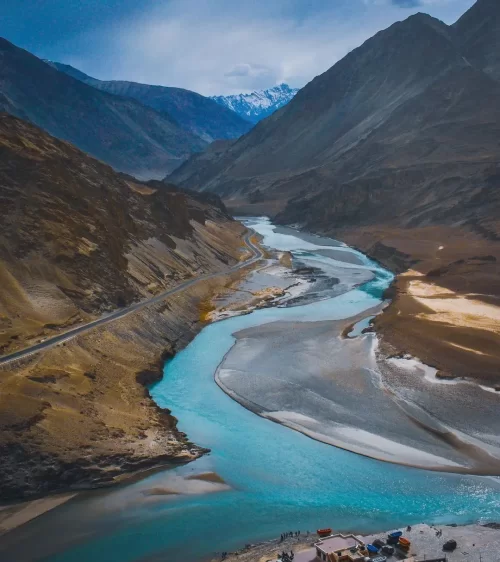
The Shyok route connecting Nubra Valley and Pangong Lake is one of the most scenic hidden mountain drives in Ladakh because it allows travelers to avoid returning to Leh while crossing remote valleys, riverbeds, and dramatic cold desert terrain through eastern Ladakh. The road follows sections of the Shyok River and passes through isolated landscapes with changing mountain scenery throughout the journey.
Compared to the more common Leh-based circuits, the Shyok route feels far more adventurous because of rough road sections, river crossings, and remote Himalayan surroundings. The drive is especially popular among road trip travelers wanting a continuous Nubra–Pangong circuit.
Travelers using the Shyok route should check current road conditions carefully because landslides, water crossings, and weather changes frequently affect accessibility.
The route between Chushul and Hanle is among the most isolated and adventurous drives in Ladakh because it passes through remote border regions, barren mountain plains, military-controlled areas, and vast Changthang landscapes with almost no urban development.
This hidden Himalayan route connects Pangong Lake with Hanle and deeper eastern Ladakh regions while offering dramatic high-altitude scenery and extreme isolation. The drive is known for open plateau terrain, military checkpoints, and remote mountain roads stretching across one of India’s least populated regions.
| Route or Region | Main Highlight | Travel Experience |
|---|---|---|
| Chushul Route | Remote border-region landscapes | Adventure driving through isolated terrain |
| Hanle Connection Road | Gateway to eastern Changthang | Extreme high-altitude exploration |
| Changthang Plains | Wide barren Himalayan plateaus | Unique wilderness scenery |
| Military Checkpoints | Strategic border-region presence | Restricted and monitored travel environment |
| Remote Mountain Highways | Long isolated road sections | Adventure road trip atmosphere |
| Photography Opportunities | Open valleys and dramatic mountain terrain | Exceptional landscape photography |
| Extreme Himalayan Isolation | Minimal civilian infrastructure | Raw eastern Ladakh exploration |
Travelers exploring the Chushul–Hanle route should carry extra fuel, food, medicines, and offline navigation support because facilities remain extremely limited across these remote border landscapes.
The Kargil–Zanskar road is one of the most rugged and visually dramatic mountain drives in Ladakh because it passes through glacier valleys, isolated villages, mountain passes, and rough Himalayan terrain leading towards Padum and deeper Zanskar regions. The route combines green valleys, barren mountains, rivers, and snow-covered peaks within a constantly changing landscape.
Travelers driving from Kargil towards Zanskar experience long remote stretches with minimal settlements and some of the most untouched scenery in the western Himalayas. The journey itself becomes the main attraction because of the extreme terrain and raw mountain environment.
Travelers driving towards Zanskar should maintain flexible schedules because landslides, snowfall, rough roads, and weather disruptions frequently affect travel timing across the region.
Summer is considered the best season to explore hidden places in Ladakh because most high-altitude mountain passes, remote valleys, and border-region routes become accessible after heavy winter snowfall begins to melt. The months between May and September offer the widest access to remote circuits such as Hanle, Tso Moriri, Zanskar Valley, Umling La, and Changthang regions.
During summer, road conditions gradually improve across Ladakh’s remote highways and travelers can comfortably combine lakes, monasteries, glaciers, villages, and mountain passes within longer Himalayan road trips. However, weather conditions can still remain unpredictable at higher altitudes.
Travelers exploring hidden regions during summer should still maintain flexible schedules because mountain weather and road conditions can change rapidly even during peak travel season.
Although Ladakh itself lies in a cold desert region with very limited rainfall, the monsoon season still affects access routes from Himachal Pradesh and Kashmir because heavy rain, landslides, and highway disruptions frequently occur on mountain roads leading into Ladakh.
The Srinagar–Leh and Manali–Leh highways can experience roadblocks, landslides, water crossings, and temporary closures during peak monsoon months, especially around Zojila, Baralacha La, and other vulnerable mountain sections. Remote routes inside Ladakh may also become difficult because of river crossings and unstable road conditions.
| Travel Aspect | Main Impact | Ground Reality |
|---|---|---|
| Manali–Leh Highway | Landslides and water crossings | Delays and temporary closures common |
| Srinagar–Leh Highway | Rainfall and mountain slides | Zojila disruptions possible |
| Remote Changthang Routes | Road instability and rough conditions | Longer travel timing required |
| Shyok and River Routes | Water level increase | Crossings may become risky |
| Zanskar Valley Roads | Frequent road damage and landslides | Travel delays possible |
| Mountain Weather Conditions | Rapid visibility and temperature changes | Flexible itineraries important |
| Adventure Travel Conditions | Physically demanding road journeys | Experienced driving preferred |
Travelers visiting Ladakh during monsoon months should regularly monitor highway updates and avoid extremely tight itineraries because weather disruptions can significantly affect mountain travel timing.
Winter transforms hidden regions of Ladakh into extremely isolated high-altitude landscapes where heavy snowfall, frozen roads, and harsh temperatures limit accessibility across many mountain routes. Several remote destinations such as Hanle, Zanskar, Tso Moriri, and Changthang become difficult or partially inaccessible during peak winter months.
While winter offers extraordinary snow-covered landscapes and complete silence across remote Himalayan valleys, travel conditions become physically demanding because of freezing temperatures, low oxygen levels, and minimal infrastructure support. Many seasonal accommodations and road services also remain closed during this period.
Travelers planning winter exploration in hidden Ladakh regions should prepare extensively with thermal clothing, emergency supplies, and flexible travel schedules because snowfall and extreme weather frequently affect accessibility across the Himalayas.
Remote Ladakh exploration requires significantly more budget planning compared to standard Leh sightseeing because long driving distances, isolated roads, fuel availability issues, and limited transport options increase overall travel costs across offbeat Himalayan circuits. Routes towards Hanle, Tso Moriri, Umling La, Zanskar, and Changthang generally involve higher transportation expenses because of difficult terrain and limited vehicle movement.
Taxi prices in Ladakh are usually regulated through local unions, and remote routes often require dedicated full-day or multi-day bookings due to the lack of shared transport availability. Travelers planning self-drive or bike trips should also carefully calculate fuel requirements because petrol stations remain extremely limited outside Leh and Kargil.
Travelers exploring offbeat Ladakh should maintain extra budget flexibility because weather disruptions, route changes, and remote travel conditions often increase transportation expenses unexpectedly.
Accommodation options in remote Ladakh regions are usually basic compared to Leh and major tourist circuits because infrastructure remains limited across isolated valleys and border-region settlements. Most offbeat destinations rely on homestays, small guesthouses, seasonal camps, and simple mountain lodges rather than luxury hotels.
Homestays are especially popular in villages such as Hanle, Turtuk, Karzok, and Zanskar because they provide local interaction and practical accommodation support in areas with very limited tourism infrastructure. Camping options are more common near lakes and high-altitude wilderness routes.
| Accommodation Type | Main Advantage | Ground Reality |
|---|---|---|
| Village Homestays | Authentic local cultural experience | Basic but comfortable facilities |
| Seasonal Camps | Scenic mountain and lakeside stays | Mostly operational during summer |
| Guesthouses and Lodges | Practical overnight stay options | Limited amenities in remote regions |
| Camping Experiences | Closer connection to Himalayan landscapes | Extreme cold at high altitudes |
| Remote Valley Accommodation | Peaceful and less crowded atmosphere | Minimal electricity and internet support |
| Peak Season Availability | More operational stay options | Advance booking recommended |
| Winter Travel Stays | Unique snow-covered experiences | Many camps and hotels remain closed |
Travelers staying in remote Ladakh regions should avoid expecting luxury-level comfort because the experience is centered more around isolation, landscapes, and local hospitality than modern tourism infrastructure.
Many remote regions of Ladakh require Inner Line Permits because of their proximity to international border zones and military-sensitive areas. Travelers visiting Hanle, Pangong, Tso Moriri, Nubra Valley, Chushul, and several Changthang routes usually need permits along with valid government identification documents.
Apart from transportation and accommodation costs, travelers should also plan for hidden expenses such as permit processing, environmental charges, oxygen backup, emergency fuel storage, seasonal price fluctuations, and weather-related delays. Remote Himalayan travel often becomes more expensive than expected because of logistical limitations.
Travelers planning remote Ladakh exploration should always maintain emergency funds and flexible itineraries because mountain weather, road conditions, and permit-related logistics can quickly affect overall trip costs.
Altitude sickness remains one of the biggest challenges during remote Ladakh travel because most offbeat regions such as Hanle, Tso Moriri, Umling La, Pangong, and Zanskar are located at extremely high elevations with low oxygen levels. Rapid ascent without proper acclimatization can cause headaches, dizziness, breathing difficulty, nausea, and severe physical fatigue.
Medical infrastructure in remote Ladakh remains very limited, especially outside Leh and Kargil. Many isolated villages and mountain routes have only basic health facilities or no emergency medical support at all, making prevention and cautious travel planning extremely important.
Travelers exploring remote Ladakh should prioritize acclimatization and avoid rushed itineraries because altitude-related health problems can become serious in isolated Himalayan regions.
Infrastructure limitations are a major challenge across remote Ladakh because many hidden valleys and border-region routes have weak communication networks, unreliable electricity, limited ATM access, and very few fuel stations. Travelers entering Changthang, Hanle, Zanskar, or remote Nubra regions should prepare for long stretches without modern support facilities.
Digital payments often fail because of poor connectivity, and power cuts are common in remote villages, especially during harsh weather conditions. Fuel shortages can also become a major issue for self-drive and bike travelers covering long Himalayan circuits.
| Travel Challenge | Main Issue | Ground Reality |
|---|---|---|
| Mobile Network Coverage | Weak or unavailable signals | Only limited postpaid connectivity works |
| Electricity Supply | Frequent outages in remote villages | Limited charging and backup support |
| ATM Availability | Very few reliable ATM facilities | Cash shortages common in remote regions |
| Fuel Stations | Long gaps between petrol pumps | Fuel backup planning essential |
| Digital Payments | Network-dependent payment systems | Cash remains most reliable option |
| Emergency Communication | Limited contact during route disruptions | Offline preparation important |
| Remote Accommodation Facilities | Basic infrastructure support | Minimal modern convenience availability |
Travelers entering remote Ladakh should carry sufficient cash, fuel backup, offline maps, and power banks because infrastructure support remains extremely limited across many Himalayan regions.
Remote Ladakh travel is heavily affected by mountain weather, landslides, snowfall, river crossings, and roadblock situations because most highways pass through unstable high-altitude terrain with harsh environmental conditions. Even during peak travel season, sudden weather changes can rapidly affect accessibility across remote routes.
Routes towards Pangong, Hanle, Zanskar, Tso Moriri, and Changthang often experience delays because of snow accumulation, loose mountain roads, water crossings, or landslide-prone sections. Travelers should always expect unpredictable road conditions during Himalayan travel.
Travelers exploring remote Ladakh should always maintain flexible travel plans because weather, landslides, and road conditions can quickly change accessibility across Himalayan mountain routes.
First-time offbeat travelers in Ladakh should begin with remote regions that still offer relatively manageable road conditions, basic accommodation support, and gradual acclimatization opportunities rather than attempting extremely isolated circuits immediately. Destinations such as Turtuk, Hanle, Tso Moriri, Sham Valley villages, and parts of western Ladakh provide an ideal introduction to offbeat Himalayan exploration.
These regions combine hidden lakes, monasteries, village culture, mountain landscapes, and quieter road journeys without the extreme logistical challenges associated with highly remote areas such as Umling La or deep Zanskar interiors.
Travelers beginning offbeat Ladakh exploration should focus on slower pacing and fewer destinations because remote Himalayan travel is best experienced gradually rather than through rushed itineraries.
The best way to explore offbeat Ladakh is by combining hidden regions with major circuits such as Leh, Nubra Valley, Pangong Lake, and Sham Valley. This approach allows travelers to balance acclimatization, infrastructure access, and remote Himalayan exploration while reducing logistical pressure during high-altitude travel.
A well-planned route generally begins with acclimatization around Leh and Sham Valley before gradually extending towards Nubra, Pangong, Hanle, Tso Moriri, or Zanskar depending on available travel duration and road conditions.
| Route Combination | Main Advantage | Travel Experience |
|---|---|---|
| Leh + Sham Valley | Acclimatization and cultural exploration | Comfortable beginning for Ladakh travel |
| Nubra + Turtuk Circuit | Balanced scenic and cultural experience | Border villages and cold desert landscapes |
| Pangong + Hanle Route | Remote eastern Ladakh exploration | Stargazing and Changthang wilderness |
| Tso Moriri + Changthang | Peaceful high-altitude lake landscapes | Nomadic culture and remote valleys |
| Kargil + Lamayuru Route | Western Ladakh heritage exploration | Monasteries and mountain highways |
| Zanskar Extension | Extreme remote Himalayan adventure | Glaciers, villages, and rugged terrain |
| Flexible Multi-Circuit Planning | Balanced acclimatization and exploration | Safer and more comfortable travel pacing |
Travelers combining multiple remote circuits should always include buffer days because weather changes, roadblocks, and altitude fatigue frequently affect Himalayan travel schedules.
Exploring hidden places in Ladakh requires careful preparation because many remote Himalayan regions have limited infrastructure, extreme altitude conditions, and unpredictable road situations. Proper planning greatly improves safety, comfort, and flexibility during offbeat mountain travel.
Travelers should prioritize acclimatization, fuel planning, permits, medical preparation, and realistic route timing before entering isolated valleys and border regions across Ladakh and Changthang.
Travelers exploring hidden Ladakh should maintain realistic expectations and flexible travel attitudes because remote Himalayan journeys are shaped heavily by weather, altitude, and changing mountain conditions rather than strict schedules.
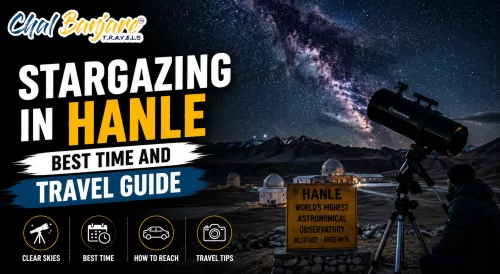
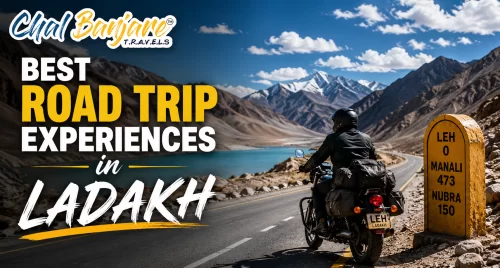
Get customized Ladakh tour planning designed around altitude comfort, acclimatization time, weather windows, and real Himalayan road conditions. Whether you are visiting for high mountain passes, monasteries, lakes, or remote valley experiences, our exper
⚡ Quick Response | 💰 Free consultation | 🕒 24×7 expert support