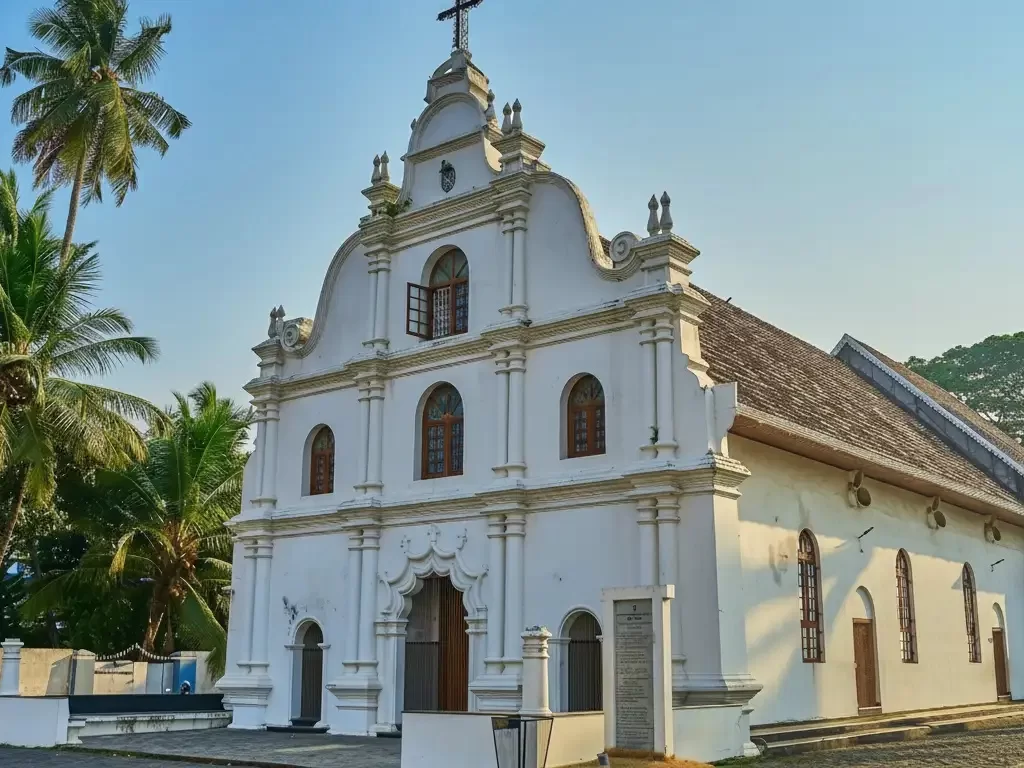
Quick Facts About St. Francis CSI Church
| Entry Fee |
Free |
| Timings |
09:00 - 17:00 |
| Altitude (m) |
5 |
| Ideal Visit Duration (hrs) |
1 |
| Best Time of Day |
Morning |
| Crowd Level |
Moderate |
| Distance from City Centre (km) |
13 |
| Walking Difficulty |
Easy |
| Parking Available |
No |
| Last Mile Access |
Walk |
| Suitable for Kids |
Yes |
| Suitable for Seniors |
Yes |
| Wheelchair Friendly |
No |
Why Visit St. Francis Church Kochi
Why Visit
St. Francis Church in Kochi is one of the most historically significant churches in India, offering visitors a direct connection to the early period of European presence on the subcontinent. Built in the early 16th century, it is closely associated with the age of maritime exploration and is best known as the original burial site of Vasco da Gama, making it a key landmark for understanding Kochi’s global historical importance.
Atmosphere
The atmosphere inside the church is quiet, reflective, and understated, contrasting gently with the lively streets of Fort Kochi outside. Simple interiors, high wooden ceilings, and filtered natural light create a solemn, contemplative mood. The surrounding churchyard and nearby colonial-era buildings add to the sense of stepping back into a slower, historic time.
What Makes it Special
What makes St. Francis Church special is its layered history—constructed by the Portuguese, later taken over by the Dutch, and eventually managed by the British, each leaving subtle marks on its structure and legacy. As one of the oldest surviving European churches in India, it stands as a rare architectural and historical witness to centuries of cultural exchange, colonial ambition, and religious transformation along the Malabar Coast.
History of St. Francis Church Kochi
St. Francis Church is located in Fort Kochi, Ernakulam district, Kerala, and was originally built in 1503 by Portuguese Franciscan friars. It is recognized as one of the oldest European churches in India, constructed shortly after the establishment of Portuguese presence along the Malabar Coast.
The church gained historical prominence due to its association with Vasco da Gama, the Portuguese explorer who died in Kochi in 1524 and was initially buried within the church premises. His remains were later transferred to Portugal, but the original burial marker continues to be preserved at the site.
Over the centuries, the church passed through Portuguese, Dutch, and British control, reflecting successive phases of colonial administration in Fort Kochi. Architectural modifications were made during these transitions, and today the structure stands as a protected monument under the Archaeological Survey of India, preserving its layered colonial history and its role in early European engagement with India’s western coast.
Best Time to Visit – St. Francis Church Kochi
The best time to visit St. Francis Church in Kochi is from October to March, when the weather is pleasant and humidity levels are lower, making it comfortable to explore this historic landmark and the surrounding Fort Kochi area. This period is ideal for heritage walks, quiet reflection inside the church, and combining the visit with nearby colonial-era attractions.
- October–November: Post-monsoon freshness with clear skies—good for sightseeing and photography.
- December–February: Coolest and most comfortable season—best for relaxed visits and detailed exploration.
- March: Still suitable, though humidity begins to rise—morning visits are recommended.
- June–September (Monsoon): Heavy rainfall and high humidity; fewer visitors, but outdoor movement may be limited.
- April–May (Summer): Hot and humid; short visits during early morning hours are more comfortable.
Best time of day: 8:00 AM to 11:00 AM is ideal for visiting St. Francis Church, offering a quieter atmosphere, better light for viewing architectural details, and a more peaceful experience.
- Heritage tip: Morning visits allow time to read historical plaques and appreciate the church’s Portuguese-era architecture.
- Crowd tip: Weekdays are generally quieter than weekends and public holidays.
- Respect note: Dress modestly and maintain silence inside, as the church remains an active place of worship.
How to Reach St. Francis Church Kochi
St. Francis Church is located in Fort Kochi, Kochi city, Ernakulam district, Kerala. It stands close to the Fort Kochi waterfront and Chinese Fishing Nets, making it easily accessible by road, ferry, and on foot within the heritage precinct.
- By Air (Nearest airport): The nearest airport is Cochin International Airport (COK), approximately 35–40 km away. From the airport, take a prepaid taxi or app-based cab to Fort Kochi. The church is within walking distance from most Fort Kochi drop-off points.
- By Train (Nearest railway stations): The closest major railheads are Ernakulam Junction (South) and Ernakulam Town (North). From either station, continue by taxi, auto-rickshaw, or bus to Fort Kochi.
- By Road: KSRTC and private buses run frequently from Ernakulam and surrounding areas to Fort Kochi Bus Stand. From the bus stand, St. Francis Church is a short walk or auto-rickshaw ride.
- By Ferry (Scenic and efficient): Regular government ferries operate between Ernakulam Boat Jetty and Fort Kochi Jetty. From the jetty, the church is about a 10-minute walk through heritage streets.
- Taxi / Auto-rickshaw: Taxis and auto-rickshaws are widely available across Kochi. Request drop-off at St. Francis Church, Fort Kochi for the closest access.
- Self-drive: Self-driving is possible, but parking in Fort Kochi is limited. Use designated public parking areas and explore the surrounding heritage zone on foot.
- Travel advisory (EEAT): Visit during morning hours for a quieter experience. Dress modestly as it is an active place of worship. Entry timings and service schedules may change on Sundays and church holidays (Data not officially verified).
What to Expect When You Visit St. Francis Church Kochi
St. Francis Church is one of the oldest European churches in India, located in Fort Kochi, Kerala. Known for its understated architecture and deep colonial history, the visit is calm, reflective, and heritage-focused rather than elaborate or ceremonial, offering insight into Kochi’s early Portuguese and Dutch past.
- Historic colonial landmark: the church is closely associated with early European presence in India and is historically significant for once housing the original burial site of Vasco da Gama.
- Simple and austere architecture: expect plain interiors with minimal ornamentation, reflecting early Portuguese ecclesiastical design rather than later ornate styles.
- Quiet, contemplative atmosphere: the church is generally peaceful, suitable for slow walking, reading plaques, and quiet observation.
- Interpretive plaques and memorials: historical markers provide context about colonial transitions from Portuguese to Dutch to British control.
- Short visit duration: most visitors spend a brief amount of time here, making it easy to include in a Fort Kochi walking route.
- Modest dress expectations: while not strictly enforced, respectful clothing is encouraged due to its active religious status.
- Photography restrictions indoors: photography may be limited inside the church—observe posted rules and signage.
- Cool interiors: thick walls and high ceilings keep the interior relatively cool compared to the outdoor coastal heat.
- Central Fort Kochi location: the church is close to the Chinese Fishing Nets, Fort Kochi Beach, and heritage cafés.
- A heritage pause rather than a spectacle: the experience is more about historical reflection than visual grandeur.
Tip for a smoother visit: visit during morning or late afternoon for quieter conditions, read the historical plaques for context, and combine the stop with nearby Fort Kochi landmarks for a well-rounded heritage walk.
Important Visitor Information – St. Francis Church, Kochi
- Crowd & Weather Notes: St. Francis Church experiences moderate crowds throughout the year, with higher footfall during peak tourist season (October to March), weekends, and heritage walks in Fort Kochi. The coastal climate is humid; summers are warm, monsoon months (June to September) bring heavy rain, and winters are relatively pleasant.
- Peak / Quiet Hours: Peak hours are late morning to afternoon when tour groups arrive. Early morning on weekdays is the quietest time for visiting, allowing a peaceful experience and better appreciation of the interiors.
- Dress Code: Modest attire is recommended as the church is an active place of worship. Cover shoulders and knees, and avoid very casual or revealing clothing. Comfortable footwear is suitable for walking around the heritage precinct.
- Safety Notes: Photography rules may be restricted inside—follow posted guidelines. Be mindful of uneven flooring and steps, especially during monsoon season. Keep personal belongings secure during busy hours and respect ongoing prayer services.
Photography and Viewpoint – St. Francis Church Kochi
St. Francis Church, located in Fort Kochi, Ernakulam district, Kerala, is one of the oldest European churches in India, originally built by the Portuguese in 1503 and later modified by the Dutch and British. Known for its understated white façade, wooden interiors, and historical significance as the first burial place of Vasco da Gama, photography here emphasizes heritage architecture, quiet spiritual atmosphere, and colonial-era details rather than grand ornamentation.
- Best light for photography: Early morning is ideal, offering soft natural light, fewer visitors, and clean exterior shots; late afternoon provides gentle side light on the church façade.
- Exterior composition ideas: Frame the simple whitewashed façade against blue skies or greenery for balanced, minimalist architectural photographs.
- Interior viewpoint shots: If photography is permitted inside, focus on wooden beams, arched windows, and the calm symmetry of pews—use available light only.
- Historic detail photography: Capture plaques, inscriptions, memorial stones, and the marked burial site of Vasco da Gama (historical marker only; remains later moved to Portugal).
- Wide vs. detail use: Wide lenses suit full interior and exterior views, while detail shots highlight wood textures, doors, and period elements.
- Mobile photography tips: Keep verticals straight using gridlines, tap to expose for interior highlights, and avoid flash to preserve ambience.
- Crowd-aware timing: Visit during non-service hours for unobstructed compositions and to avoid disturbing worship.
- Cultural sensitivity: Photography during prayers or services should be avoided unless explicitly allowed; maintain silence and respectful behavior.
- Surrounding context shots: Include nearby heritage buildings and walkways to place the church within Fort Kochi’s colonial streetscape.
- Responsible photography etiquette: Follow on-site rules, respect signage, and avoid photographing individuals without consent inside sacred spaces.
Near By Attraction
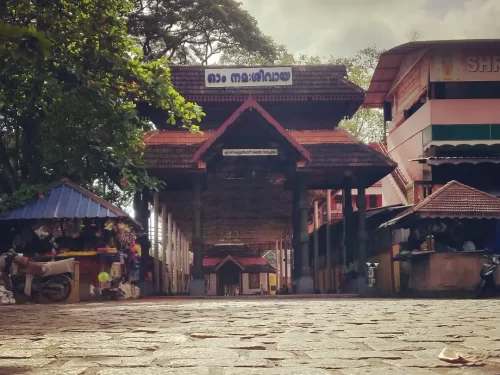 Temple
Ernakulam Shiva Temple
Ernakulam Shiva Temple is a historic temple in Kochi, renowned for its devotion to Lord Shiva and its cultural significance.
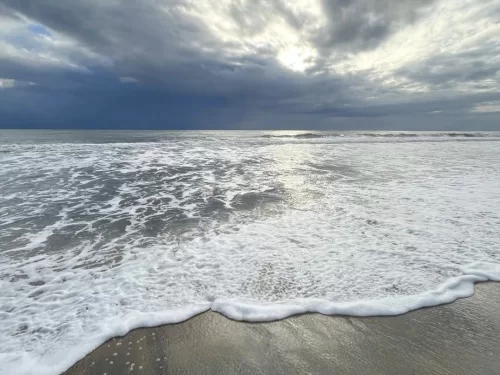 Beach
Beach
Cherai Beach
Cherai Beach is a beautiful coastal destination near Kochi, known for its calm waters, golden sands, and scenic beauty.
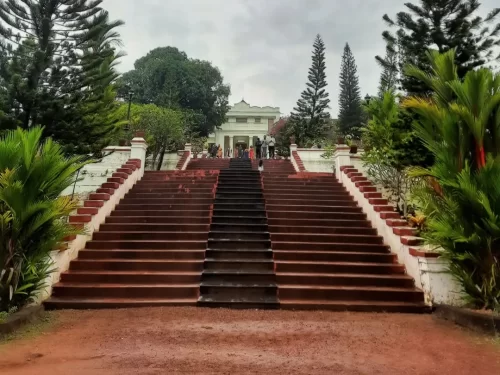 Museum
Hill Palace Museum
Hill Palace is a grand historical palace in Kochi, once the official residence of the Kochi royal family.