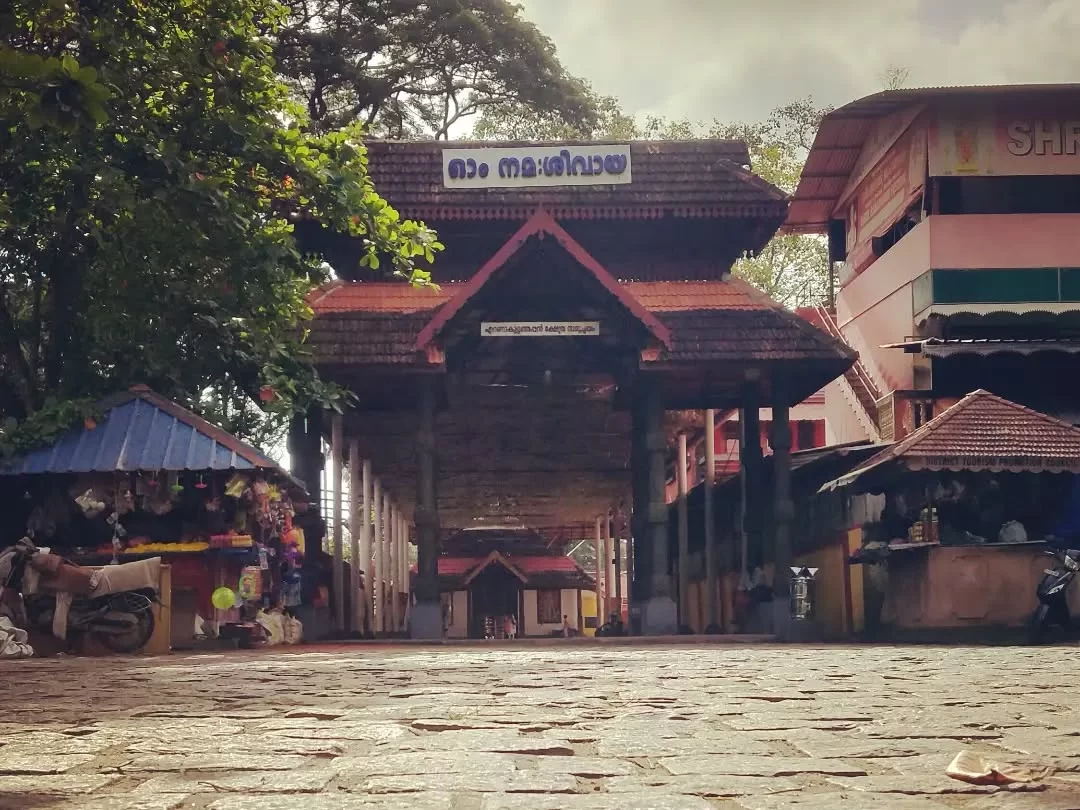
Quick Facts About Ernakulam Shiva Temple
| Entry Fee |
Free |
| Timings |
04:30 - 20:00 |
| Altitude (m) |
5 |
| Ideal Visit Duration (hrs) |
1 |
| Best Time of Day |
Morning |
| Crowd Level |
Moderate |
| Distance from City Centre (km) |
1 |
| Walking Difficulty |
Easy |
| Parking Available |
Yes |
| Last Mile Access |
Road |
| Suitable for Kids |
Yes |
| Suitable for Seniors |
Yes |
| Wheelchair Friendly |
No |
Why Visit Ernakulam Shiva Temple Kochi
Why Visit
Ernakulam Shiva Temple is an important religious site dedicated to Lord Shiva, located in the heart of Kochi. Visitors come to experience its serene atmosphere, ancient rituals, and spiritual significance, making it a key stop for devotees and those interested in Kerala’s rich temple culture.
Atmosphere
The atmosphere is calm, reverent, and spiritually charged, shaped by daily rituals, temple bells, and the steady presence of devotees. The temple feels like a quiet retreat within the bustling city, offering a peaceful environment for prayer and reflection. Morning and evening poojas add a sense of sacred rhythm to the surroundings.
What Makes it Special
What makes Ernakulam Shiva Temple special is its deep historical significance and its central role in the religious life of Kochi. The temple’s traditional Kerala architecture and well-preserved rituals provide a glimpse into the region’s spiritual heritage. It is especially notable for the Maha Shivaratri festival, which draws large crowds for special prayers and celebrations, adding to its cultural importance.
History of Ernakulam Shiva Temple Kochi
Ernakulam Shiva Temple is located in the heart of Kochi, Kerala, and is one of the oldest temples in the region. Dedicated to Lord Shiva, the temple is an important religious and cultural landmark for the people of Kochi. The temple's origins are believed to date back to ancient times, with historical references to its existence as early as the 10th century.
The temple is known for its unique architecture, which combines traditional Kerala temple design with influences from later colonial-era renovations. The sanctum sanctorum houses the idol of Lord Shiva, and the temple also features intricately carved wooden pillars and stone structures that showcase the skill of ancient craftsmen.
Historically, the temple has been a place of regular worship, festivals, and religious gatherings, serving as a center of spiritual life in Kochi. It has witnessed the changing tides of Kochi’s political and social history, from its early days under the local Hindu rulers to its present role within the region’s religious landscape. Today, the Ernakulam Shiva Temple continues to be an integral part of Kochi’s cultural and spiritual heritage.
Best Time to Visit – Ernakulam Shiva Temple Kochi
The best time to visit Ernakulam Shiva Temple in Kochi is from October to March, when the weather is pleasant and suitable for temple darshan and spiritual activities. During this period, the temperatures are moderate, and the humidity is lower, making it more comfortable for devotees to attend poojas, rituals, and experience the temple’s sacred atmosphere.
- October–November: Post-monsoon freshness with clear skies and comfortable temperatures—ideal for regular darshan and temple visits.
- December–February: Coolest months—best for morning and evening poojas, as well as peaceful temple visits.
- March: Still suitable, though daytime temperatures start to rise—morning visits are recommended for a quieter experience.
- April–May (Summer): Hot and humid; early morning and late evening darshan are more comfortable.
- June–September (Monsoon): Heavy rainfall; temple visits are possible, but outdoor movement may be limited during intense showers.
Best time of day: 4:30 AM to 9:00 AM and 5:00 PM to 7:30 PM are ideal for darshan, as these times align with major pooja timings and offer a peaceful, spiritual experience.
- Spiritual tip: Early morning darshan offers a quieter atmosphere for prayer and rituals.
- Festival insight: The annual Maha Shivaratri festival attracts large crowds—plan your visit accordingly.
- Dress code note: Modest attire is required in accordance with Kerala temple customs.
How to Reach Ernakulam Shiva Temple Kochi
Ernakulam Shiva Temple, located in the heart of Kochi city, is one of the prominent Shiva temples in Kerala. Situated near the Ernakulam South Railway Station, it is easily accessible by road, rail, and water transport.
- By Air (Nearest airport): The nearest airport is Cochin International Airport, approximately 25–30 km away. From the airport, hire a taxi or app-based cab directly to the temple. Travel time usually takes around 45 minutes to 1 hour, depending on traffic.
- By Train (Nearest railway stations): Ernakulam Junction (South) is the nearest railway station, located just 1–2 km away from the temple. From the station, take a short taxi, auto-rickshaw, or walk to the temple.
- By Road: Ernakulam Shiva Temple is well connected by road to all parts of Kochi city. KSRTC and private buses operate frequently to Ernakulam South Bus Stand, which is close to the temple. From there, you can walk or take an auto-rickshaw.
- Taxi / Auto-rickshaw: Taxis and auto-rickshaws are readily available across Kochi. Request drop-off at Ernakulam Shiva Temple or the nearby Ernakulam South Railway Station.
- Self-drive: Self-driving is convenient within the city. Limited parking is available around the temple, but it may be crowded during peak hours and festivals.
- Walking access: If you are staying near Ernakulam South Railway Station, the temple is within walking distance from the station and nearby localities.
- Travel tips (EEAT): Visit the temple early morning or evening to avoid crowds, especially during festivals like Maha Shivaratri. Dress modestly and respect the temple's customs and rituals.
What to Expect When You Visit Ernakulam Shiva Temple Kochi
Ernakulam Shiva Temple, located in the heart of Kochi, is a revered Hindu temple dedicated to Lord Shiva. Known for its historical significance, intricate architecture, and spiritual atmosphere, the temple offers a deeply devotional experience with a focus on local rituals, traditional Kerala temple design, and cultural heritage.
- Active place of worship: the temple is an important spiritual center for locals, especially during poojas, aartis, and festivals, creating a lively, faith-filled atmosphere.
- Traditional Kerala temple architecture: the temple features sloping tiled roofs, wooden carvings, and an open courtyard typical of Kerala’s architectural style.
- Historical and cultural significance: the temple is an ancient site, offering visitors insight into local religious practices, customs, and the role of Hindu temples in Kochi’s history.
- Peaceful and spiritual ambiance: the temple’s serene setting encourages quiet reflection and prayer, making it an ideal spot for spiritual seekers and those interested in Kerala’s religious traditions.
- Modest dress code: visitors are expected to dress modestly, with footwear removed before entering the temple premises.
- Limited photography access: photography is generally restricted within the temple complex—be mindful of temple rules and guidelines.
- Daily rituals and offerings: expect to see local devotees participating in daily rituals, offering prayers, flowers, and incense, providing a window into the temple's role in everyday religious life.
- Relatively calm and quiet: compared to other major temples, Ernakulam Shiva Temple tends to be quieter and less crowded, allowing for a more personal visit.
- Cultural experience: the temple gives visitors a deeper understanding of Kerala’s religious practices, traditions, and architecture.
- Located in the city center: the temple is easily accessible from various parts of Kochi, making it convenient for a short visit while exploring the city.
Tip for a smoother visit: arrive early in the morning for a quieter experience, dress conservatively, and take time to observe the rituals and temple surroundings for a deeper cultural and spiritual experience.
Important Visitor Information – Ernakulam Shiva Temple, Kochi
- Crowd & Weather Notes: Ernakulam Shiva Temple experiences steady footfall, especially during auspicious days like Maha Shivaratri, weekends, and local festivals. The region has a tropical coastal climate; summers are warm, monsoon months (June to September) bring heavy rainfall, and winters are relatively pleasant.
- Peak / Quiet Hours: Peak hours are during early morning and evening pooja times when devotees gather. For a quieter and more relaxed visit, late morning or early afternoon on weekdays is ideal.
- Dress Code: Modest attire is required as it is a place of worship. Shoulders and knees must be covered, and men may be required to wear traditional dhoti or lungi for temple entry. Footwear must be removed before entering the temple premises.
- Safety Notes: Follow temple rules and instructions from temple authorities, especially during crowded rituals. Be cautious on smooth floors, particularly during monsoon. Keep personal belongings secure and maintain decorum and silence inside the temple.
Photography and Viewpoint – Ernakulam Shiva Temple Kochi
Ernakulam Shiva Temple, located in the heart of Kochi (Ernakulam district), Kerala, is one of the oldest and most revered temples dedicated to Lord Shiva in the region. Known for its traditional Kerala-style architecture, intricate wooden carvings, and spiritual ambiance, the temple offers a rich environment for photography that captures cultural, architectural, and devotional aspects.
- Photography permissions: Photography inside the temple sanctum may be restricted—always confirm with temple staff and follow signage and guidelines.
- Best light for exterior photography: Early morning provides softer light and minimal crowds, while late afternoon enhances the texture of the temple’s wooden elements and carvings.
- Architectural composition ideas: Frame the temple’s gabled roofs, wooden pillars, and courtyards to showcase the traditional Kerala temple design.
- Detail-focused photography: Capture the intricate carvings, sculptures, lamps, and temple entrance gates to highlight the temple’s artistic features.
- Devotional atmosphere shots: Photograph devotees and rituals from a respectful distance to convey the temple’s spiritual energy and active worship.
- Wide vs. detail strategy: Wide lenses work best for full-structure and courtyard views, while detail shots focus on carvings, idols, and other ornamental elements.
- Mobile photography tips: Use gridlines for straight verticals, expose for shaded temple walls, and avoid flash to preserve the sanctity of the space.
- Crowd & timing awareness: Visit outside major puja timings for quieter conditions and unobstructed frames of both the temple and devotees.
- Dress code & etiquette: Modest attire is expected within the temple; photography should never obstruct rituals or disturb worshippers.
- Responsible religious-site photography: Follow temple rules, avoid photographing priests or rituals without permission, and prioritize reverence over imagery.
Near By Attraction
 Beach
Beach
Cherai Beach
Cherai Beach is a beautiful coastal destination near Kochi, known for its calm waters, golden sands, and scenic beauty.
 Museum
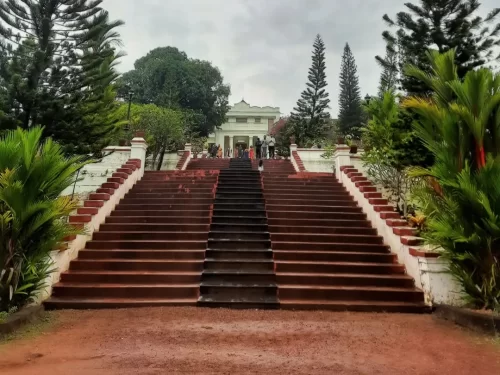
Hill Palace Museum
Hill Palace is a grand historical palace in Kochi, once the official residence of the Kochi royal family.
 Museum
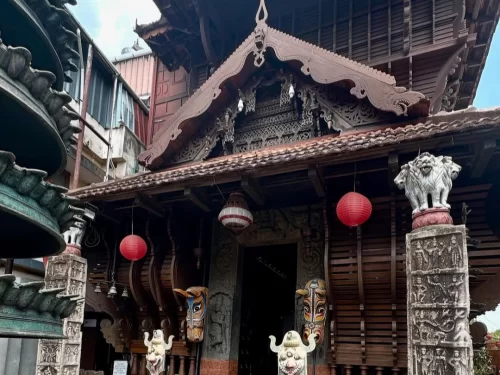
Kerala Folklore Museum
Kerala Folklore Museum is a cultural museum in Kochi, showcasing a vast collection of artifacts related to Kerala's traditional arts, crafts, and folklore.