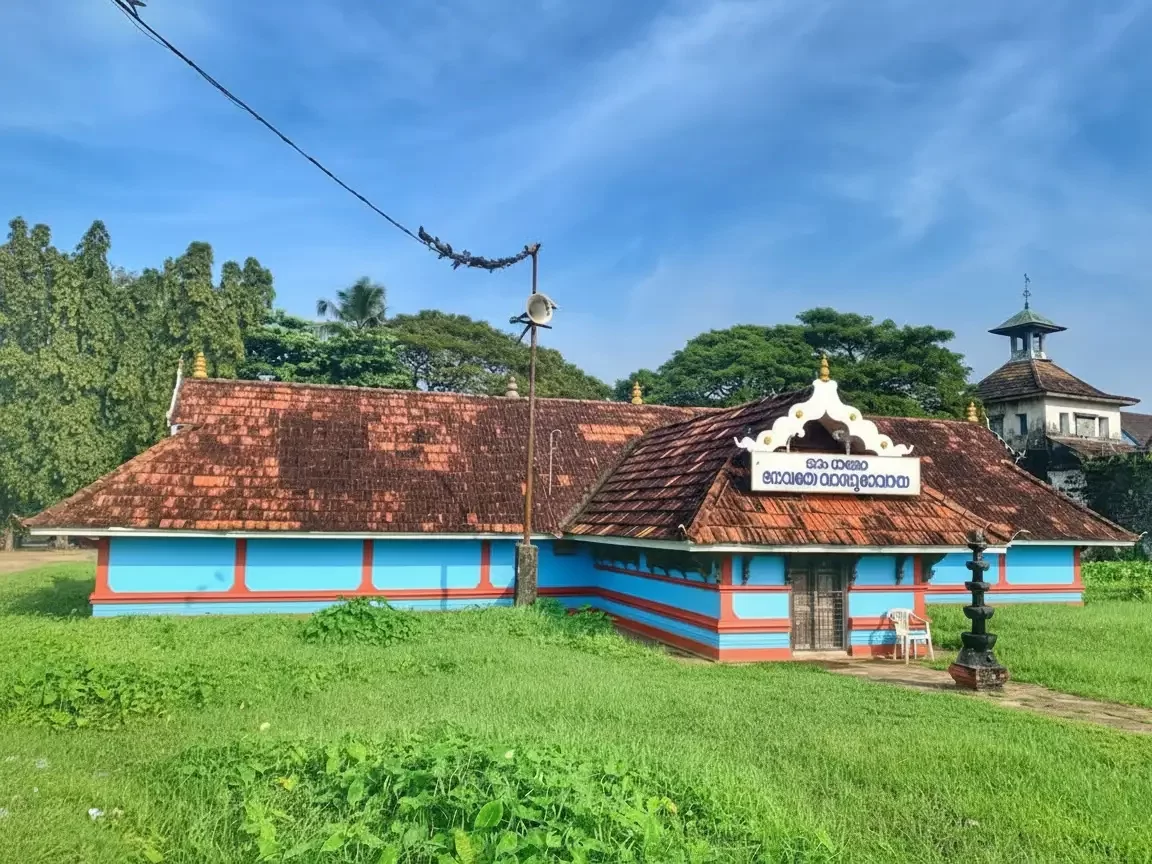
Quick Facts About Mattancherry Palace
| Entry Fee |
20 |
| Timings |
10:00 - 17:00 |
| Altitude (m) |
5 |
| Ideal Visit Duration (hrs) |
1 |
| Best Time of Day |
Morning |
| Crowd Level |
Moderate |
| Distance from City Centre (km) |
11 |
| Walking Difficulty |
Easy |
| Parking Available |
No |
| Last Mile Access |
Walk |
| Suitable for Kids |
Yes |
| Suitable for Seniors |
Yes |
| Wheelchair Friendly |
No |
Why Visit Mattancherry Palace Kochi
Why Visit
Mattancherry Palace, also known as the Dutch Palace, is a key heritage site for understanding Kerala’s royal history and artistic traditions. Visitors come to explore its role as a former palace of the Kochi royal family and to appreciate the way indigenous architecture and European influence came together during a period of active maritime trade and colonial interaction.
Atmosphere
The atmosphere inside the palace is quiet, dignified, and museum-like, with open courtyards, sloping tiled roofs, and cool interiors that encourage slow exploration. The surrounding Mattancherry area feels vibrant and historic, creating a contrast between the calm within the palace walls and the bustling streets just outside.
What Makes it Special
What makes Mattancherry Palace special is its exceptional collection of murals depicting scenes from the Ramayana, Mahabharata, and other Puranic narratives, executed in the traditional Kerala style. Gifted by the Portuguese in the 16th century and later renovated by the Dutch, the palace stands as a rare example of cultural exchange expressed through art, architecture, and royal patronage.
History of Mattancherry Palace Kochi
Mattancherry Palace, also known as the Dutch Palace, is located in Mattancherry, Kochi, in Ernakulam district, Kerala. The palace was originally built in 1555 by the Portuguese and presented to the Raja of Cochin as a gesture of political alliance following the establishment of Portuguese influence along the Malabar Coast.
In 1663, after the Dutch gained control of Kochi, the palace underwent significant renovations, leading to its popular name. These modifications included structural enhancements and interior embellishments, while the overall layout retained its traditional Kerala-style Nalukettu (quadrangular) plan, blending indigenous architecture with colonial intervention.
The palace is particularly renowned for its extensive mural paintings, dating mainly from the 17th and 18th centuries, depicting scenes from the Ramayana, Mahabharata, and Puranic traditions in the Kerala mural style. Today, Mattancherry Palace is protected by the Archaeological Survey of India and stands as an important record of Kochi’s royal history, colonial encounters, and artistic heritage.
Best Time to Visit – Mattancherry Palace Kochi
The best time to visit Mattancherry Palace in Kochi is from October to March, when the weather is pleasant and humidity levels are relatively low, making it comfortable to explore the palace interiors and surrounding heritage areas. This season is ideal for appreciating the palace’s Kerala-style architecture, murals, and historical exhibits without the discomfort of heavy rains or extreme heat.
- October–November: Post-monsoon greenery with clear skies—good for sightseeing and heritage walks in Mattancherry.
- December–February: Coolest and most comfortable months—best for detailed exploration of palace murals and courtyards.
- March: Still suitable, though daytime humidity starts increasing—morning visits are recommended.
- June–September (Monsoon): Heavy rainfall and high humidity; fewer visitors, but outdoor movement around the palace area may be limited.
- April–May (Summer): Hot and humid; short visits during early morning hours are more comfortable.
Best time of day: 9:00 AM to 11:30 AM is ideal for visiting Mattancherry Palace, allowing enough time to explore the interiors calmly before crowds and heat increase later in the day.
- Heritage tip: Morning visits provide better lighting for viewing traditional murals and wooden ceilings.
- Crowd tip: Weekdays are quieter than weekends and public holidays.
- Planning note: Check official ASI timings before visiting, as the palace remains closed on certain public holidays—Data not officially verified.
How to Reach Mattancherry Palace Kochi
Mattancherry Palace, also known as the Dutch Palace, is located in Mattancherry area of Kochi city, Ernakulam district, Kerala, close to Jew Town and the Paradesi Synagogue. It lies within the historic Mattancherry–Fort Kochi heritage zone and is easily accessible by road and ferry.
- By Air (Nearest airport): The nearest airport is Cochin International Airport (COK), about 35–40 km away. From the airport, hire a prepaid taxi or app-based cab to Mattancherry. Travel time usually ranges from 1 to 1.5 hours depending on traffic.
- By Train (Nearest railway stations): The closest major railheads are Ernakulam Junction (South) and Ernakulam Town (North). From either station, continue by taxi, auto-rickshaw, or bus toward Mattancherry.
- By Road: KSRTC and private buses run frequently from Ernakulam and other parts of Kochi to Mattancherry Bus Stand. From the bus stand, Mattancherry Palace is a short walk or auto-rickshaw ride.
- By Ferry (Scenic and efficient): Government ferries operate between Ernakulam Boat Jetty and Mattancherry Jetty. From the jetty, the palace is reachable within a few minutes by foot or auto-rickshaw.
- Taxi / Auto-rickshaw: Taxis and auto-rickshaws are readily available across Kochi. Request drop-off at Mattancherry Palace or Dutch Palace for the closest access point.
- Self-drive: Self-driving is possible, but parking near the palace is limited due to narrow heritage streets. Use designated public parking areas and walk to the monument.
- Travel advisory (EEAT): Visit during morning hours to avoid crowds. Dress modestly as it is a heritage monument with cultural significance. Entry timings and ticket rules may change on public holidays (Data not officially verified).
What to Expect When You Visit Mattancherry Palace Kochi
Mattancherry Palace, also known as the Dutch Palace, is a historic royal residence in Kochi that reflects traditional Kerala architecture combined with colonial-era influences. Maintained by the Archaeological Survey of India, the experience is museum-oriented and educational, focusing on royal history, murals, and artifacts rather than grand scale or luxury.
- Traditional Kerala palace layout: expect a classic nalukettu-style structure with central courtyards, sloping tiled roofs, wooden ceilings, and natural ventilation.
- Famous Kerala mural paintings: the palace houses some of the finest murals in the state, depicting scenes from the Ramayana, Mahabharata, and other Hindu epics using natural pigments.
- Royal artifacts and exhibits: rooms display royal costumes, weapons, palanquins, coins, and portraits that provide insight into the Cochin royal lineage.
- Museum-style movement: visitor flow is regulated, encouraging slow, respectful observation and reading of historical panels.
- Footwear restrictions inside: shoes must be removed before entering interior galleries—carrying socks is advisable for comfort.
- Photography limitations: photography is generally restricted inside mural and gallery sections as per ASI regulations.
- Quiet and reflective atmosphere: the palace environment is calm, allowing focused appreciation of art and history.
- Short to moderate visit time: most visitors spend enough time to view all sections without feeling rushed.
- Strong historical context: the palace reflects the cultural exchange between the Cochin royal family and European powers, particularly the Dutch.
- Located in historic Jew Town: the palace visit pairs naturally with nearby heritage sites, spice markets, and synagogues.
Tip for a smoother visit: arrive early to avoid crowds, take time to study the murals closely, and combine the visit with a walk through Jew Town for a deeper understanding of Kochi’s layered heritage.
Important Visitor Information – Mattancherry Palace, Kochi
- Crowd & Weather Notes: Mattancherry Palace (Dutch Palace) sees steady crowds throughout the year, with higher footfall during peak tourist season (October to March), weekends, and cruise-ship days. Kochi’s coastal climate is humid; summers are warm, monsoon months (June to September) bring heavy rainfall and damp conditions, while winters are more comfortable.
- Peak / Quiet Hours: Peak hours are late morning to early afternoon when tour groups arrive. For a quieter visit and better viewing of murals, arrive early morning on a weekday soon after opening.
- Dress Code: Modest clothing is recommended as the palace complex has cultural and religious significance. Shoulders and knees should be covered. Footwear must be removed before entering the palace interiors.
- Safety Notes: Photography may be restricted inside certain sections—follow posted ASI guidelines. Walk carefully on smooth floors, especially during monsoon when surfaces may be damp. Keep valuables secure in crowded areas and follow staff instructions at all times.
Photography and Viewpoint – Mattancherry Palace Kochi
Mattancherry Palace, also known as the Dutch Palace, is located in Mattancherry, Kochi, Ernakulam district, Kerala. Built in the 16th century and later renovated by the Dutch, the palace is renowned for its Kerala-style architecture, sloping tiled roofs, central courtyards, and exceptional mural paintings depicting scenes from the Ramayana and royal traditions of the Kochi rulers. Photography here emphasizes heritage documentation, mural artistry, and architectural symmetry, with careful attention to conservation rules.
- Best light for photography: Mid-morning offers balanced natural light in courtyards and exterior areas; interiors rely mostly on ambient light and require careful exposure.
- Exterior architectural compositions: Capture the palace’s traditional Kerala-style façade, tiled roofs, and wooden detailing from the courtyard and entrance areas.
- Courtyard viewpoints: Use the open central courtyards to frame galleries, corridors, and rooflines—these spaces provide natural light and strong symmetry.
- Mural documentation (restricted): The palace murals are of high historical value—photography may be restricted or prohibited in certain halls; follow ASI rules strictly (exact permissions: Data not officially verified).
- Interior detail shots: Where allowed, focus on wooden ceilings, carved doors, pillars, and floor patterns that reflect traditional Kerala craftsmanship.
- Wide vs. detail photography: Wide lenses suit courtyards and galleries, while detail shots highlight wood textures and architectural joints.
- Mobile photography tips: Use gridlines for straight verticals, expose for mid-tones in shaded areas, and avoid flash to protect artworks.
- Crowd-aware timing: Visit early in the day to avoid groups and school tours, allowing cleaner compositions and quieter interiors.
- Cultural & conservation sensitivity: Maintain silence, do not touch painted surfaces, and respect barriers around murals and exhibits.
- Contextual heritage shots: Include surrounding Mattancherry street elements to place the palace within Kochi’s historic spice-trade quarter.
Near By Attraction
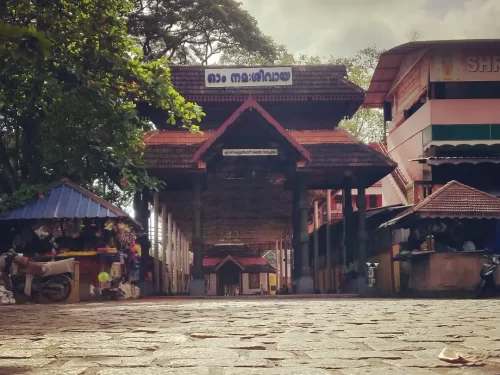 Temple
Ernakulam Shiva Temple
Ernakulam Shiva Temple is a historic temple in Kochi, renowned for its devotion to Lord Shiva and its cultural significance.
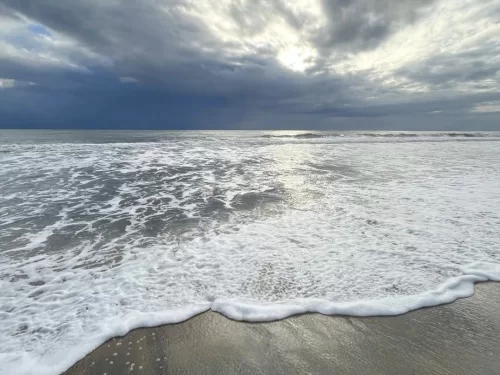 Beach
Beach
Cherai Beach
Cherai Beach is a beautiful coastal destination near Kochi, known for its calm waters, golden sands, and scenic beauty.
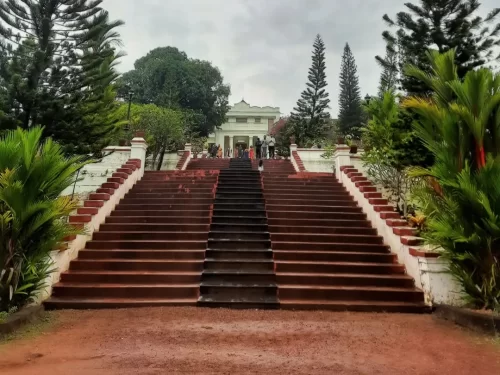 Museum
Hill Palace Museum
Hill Palace is a grand historical palace in Kochi, once the official residence of the Kochi royal family.