Quick Facts About Bay Island Driftwood Museum
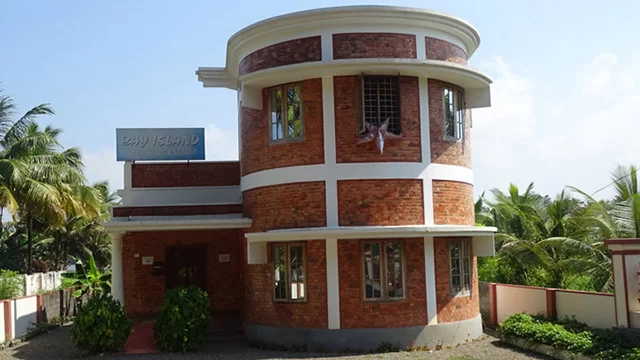
Bay Island Driftwood Museum, Kumarakom, Kerala Quick Facts
| Entry Fee | Approx. ?50 for adults; child and camera charges may vary (rates can change as per museum management) |
| Timings | 10:00 AM–5:00 PM (Tuesday–Saturday); Sunday 11:30 AM–5:00 PM; Closed on Monday |
| Altitude (m) | Approximately 10 m above sea level |
| Ideal Visit Duration | 1–1.5 hours |
| Best Time of Day | Late morning or early afternoon for guided viewing and better lighting inside galleries |
| Crowd Level | Low to moderate; generally quiet except during peak tourist season |
| Distance from City Centre (km) | Approximately 14 km from Kottayam and about 4–5 km from Kumarakom village centre |
| Walking Difficulty | Easy; mostly indoor galleries with short walking routes |
| Parking Available | Yes, limited on-site parking available |
| Last Mile Access | Accessible by road up to the museum entrance |
| Suitable for Kids | Yes |
| Suitable for Seniors | Yes |
| Wheelchair Friendly | Partially accessible; some internal areas may have narrow passages |
Why Visit Bay Island Driftwood Museum, Kerala
Visitors come to the Bay Island Driftwood Museum to see a unique collection of naturally sculpted driftwood artworks sourced from the Andaman and Nicobar Islands. It attracts travelers interested in unconventional art forms and curated natural sculptures.
The on-ground atmosphere is quiet and gallery-like, with carefully arranged wooden installations displayed in an indoor setting. Visitors move through compact exhibition spaces where each piece is individually presented and easy to observe in detail.
What makes the museum distinct is its focus on naturally shaped driftwood transformed into artistic forms without artificial carving. Its specialized collection and niche concept make it one of the more unusual private museums in Kerala.
History of Bay Island Driftwood Museum, Kerala
Bay Island Driftwood Museum in Kumarakom, Kerala, was established in 2001 by Raji Punnoose, a former schoolteacher who began collecting driftwood pieces during her tenure in the Andaman and Nicobar Islands. The museum was developed from her personal collection of naturally shaped wood forms gathered from coastal regions influenced by sea currents and cyclonic activity.
The museum is known for displaying driftwood sculptures formed from roots, stumps, and tree trunks naturally shaped by marine processes over long periods. These materials were later curated and arranged into artistic forms, creating a unique exhibition space dedicated to nature-based sculpture art.
Today, Bay Island Driftwood Museum functions as a private cultural institution in Kumarakom and is recognized for its distinctive contribution to contemporary driftwood art, attracting visitors interested in nature-inspired sculpture and alternative art forms.
Best Time to Visit Bay Island Driftwood Museum, Kerala
Bay Island Driftwood Museum is best visited during the cooler and relatively drier months, when travel within Kumarakom and sightseeing around Vembanad Lake can be comfortably combined with a relaxed indoor museum experience.
- Ideal Months: November to February is the most suitable period for visiting the museum and exploring nearby backwater attractions.
- Weather Conditions: These months generally offer pleasant, less humid conditions, making it easier to travel around Kumarakom and enjoy both indoor exhibits and lake surroundings.
- Periods to Avoid: June to September brings heavy monsoon rainfall in Kerala, which can affect road travel and backwater movement, though the museum itself remains accessible as an indoor attraction.
How to Reach Bay Island Driftwood Museum, Kumarakom, Kerala
- By Air: Cochin International Airport (Kochi) is the nearest airport, located about 90–95 km from Bay Island Driftwood Museum in Kumarakom. From the airport, taxis and pre-paid cabs are available for a scenic drive via Kottayam to Kumarakom.
- By Train: Kottayam Railway Station is the nearest major railhead, situated around 15–17 km from the museum. It is well connected to major cities like Kochi, Trivandrum, Chennai, and Bengaluru. From the station, taxis, auto-rickshaws, and local cabs are available to reach Kumarakom.
- By Road: The museum is located in Chakranpadi, Kumarakom, and is easily accessible via the Kottayam–Kumarakom road. KSRTC buses, private buses, and taxis operate frequently between Kottayam and Kumarakom. The final stretch involves narrow village roads, so private transport is the most convenient option for a smooth visit.
What to Expect When You Visit Bay Island Driftwood Museum, Kerala
- Bay Island Driftwood Museum is located in the coastal belt of Kerala near Varkala, set in a residential neighborhood rather than a large commercial museum complex, giving it a homely and private-gallery feel.
- The museum showcases an extensive collection of naturally sculpted driftwood pieces, roots, and branches collected from coastal regions, arranged as artistic installations without heavy digital or interactive exhibits.
- Facilities are basic and privately managed, typically including a reception area, small display halls, and limited seating. There are no large cafeterias or commercial amenities within the museum premises.
- Access is via local roads from Varkala town, with narrow approach routes and limited parking space. Visitors usually walk a short distance from the drop-off point to the entrance.
- Visitor flow is generally low to moderate, with a quiet environment suitable for slow viewing. Groups may enter at intervals depending on museum management and space constraints.
- Photography rules may vary, and visitors are often requested to follow instructions regarding specific exhibits or rooms. The experience is more observational than interactive.
- The visit typically takes a short duration, as the museum is compact. It is best suited for travelers interested in art, natural forms, and unusual private collections rather than large-scale museum infrastructure.
Important Visitor Information for Bay Island Driftwood Museum, Kochi, Kerala
- The museum generally sees moderate visitor flow, with higher footfall during weekends, holidays, and the October–February tourist season when Kochi attracts more domestic and international travelers.
- Weekday mornings offer the quietest visiting experience, while afternoons can see increased tourist group visits, especially during cruise ship arrivals in Kochi.
- Kochi’s coastal climate is humid year-round, with monsoon months (June–September) bringing heavy rainfall that may affect local travel and walking conditions to the museum.
- There is no specific dress code, but light, breathable clothing is recommended due to warm and humid weather conditions typical of coastal Kerala.
- Visitors should follow gallery guidelines and avoid touching driftwood sculptures and installations to help preserve the fragile, naturally sourced artworks.
- Photography rules may vary inside exhibition spaces, so visitors should check signage or confirm with staff before taking pictures of specific installations.
Photography and Viewpoints at Bay Island Driftwood Museum, Kerala
- The museum courtyard and central display halls provide the best viewing angles for photographing large driftwood sculptures, where natural forms are arranged in open, well-lit exhibition spaces.
- Close-up perspectives of individual driftwood artworks capture intricate textures, organic shapes, and natural weathering patterns, best viewed from marked visitor pathways around each installation.
- Soft daylight entering through the museum’s semi-open structure enhances the natural tones of the driftwood, while harsh midday light can create stronger contrasts in indoor display zones.
- Photography is generally permitted for personal use, but flash photography and touching of exhibits are restricted to protect the preserved driftwood sculptures and curated installations.
- The museum maintains a quiet visitor flow, allowing relatively unobstructed framing of major installations, though school groups and guided tours may temporarily occupy key display areas.
- Most viewing areas are at ground level with open circulation paths, enabling clear compositions without elevation changes, but some sculptures are positioned to be viewed from specific angles only.
- Access to certain curated sections may be time-controlled or guided, which can influence the availability of uninterrupted photography moments inside themed exhibition rooms.