Quick Facts About Kerala Folklore Museum
| Entry Fee |
100 |
| Timings |
09:00 - 19:00 |
| Altitude (m) |
5 |
| Ideal Visit Duration (hrs) |
2 |
| Best Time of Day |
Morning |
| Crowd Level |
Moderate |
| Distance from City Centre (km) |
6 |
| Walking Difficulty |
Easy |
| Parking Available |
Yes |
| Last Mile Access |
Road |
| Suitable for Kids |
Yes |
| Suitable for Seniors |
Yes |
| Wheelchair Friendly |
Yes |
Why Visit Kerala Folklore Museum Kochi
Why Visit
Kerala Folklore Museum in Kochi is a cultural gem, showcasing the rich traditions, crafts, and performing arts of Kerala. Visitors come to explore an extensive collection of artefacts, ranging from costumes, masks, and musical instruments to old ritualistic items, offering a deep dive into the state’s artistic and cultural heritage.
Atmosphere
The atmosphere is educational, artistic, and immersive, with displays housed in a traditional-style building that reflects the architectural grandeur of Kerala. The museum feels intimate, with each room dedicated to a different aspect of Kerala’s cultural tapestry, from performing arts to rural life. The space is quiet and contemplative, encouraging a reflective exploration of Kerala’s cultural history.
What Makes it Special
What makes Kerala Folklore Museum special is its vast, well-curated collection that represents the state’s folk traditions and diverse art forms. It stands as one of the few museums in the region dedicated to preserving and showcasing Kerala’s traditional rituals, crafts, and performances, giving visitors a deeper understanding of local culture. Its focus on preserving rare art forms and artefacts makes it an essential stop for culture enthusiasts and history buffs.
History of Kerala Folklore Museum Kochi
The Kerala Folklore Museum is located in Thevara, Kochi, and is dedicated to preserving the rich cultural heritage and folk traditions of Kerala. The museum was founded in 2009 by Dr. V. V. Thankamma, a noted researcher and collector of folklore and tribal artifacts, with the aim of safeguarding the traditional arts, crafts, and practices that define Kerala’s unique cultural identity.
The museum houses an extensive collection of over 4,000 artifacts, including costumes, musical instruments, wood carvings, ancient sculptures, and ritual items that represent the diverse folk traditions of Kerala. These items have been carefully curated from various parts of the state, showcasing the living traditions of Kerala’s rural and tribal communities.
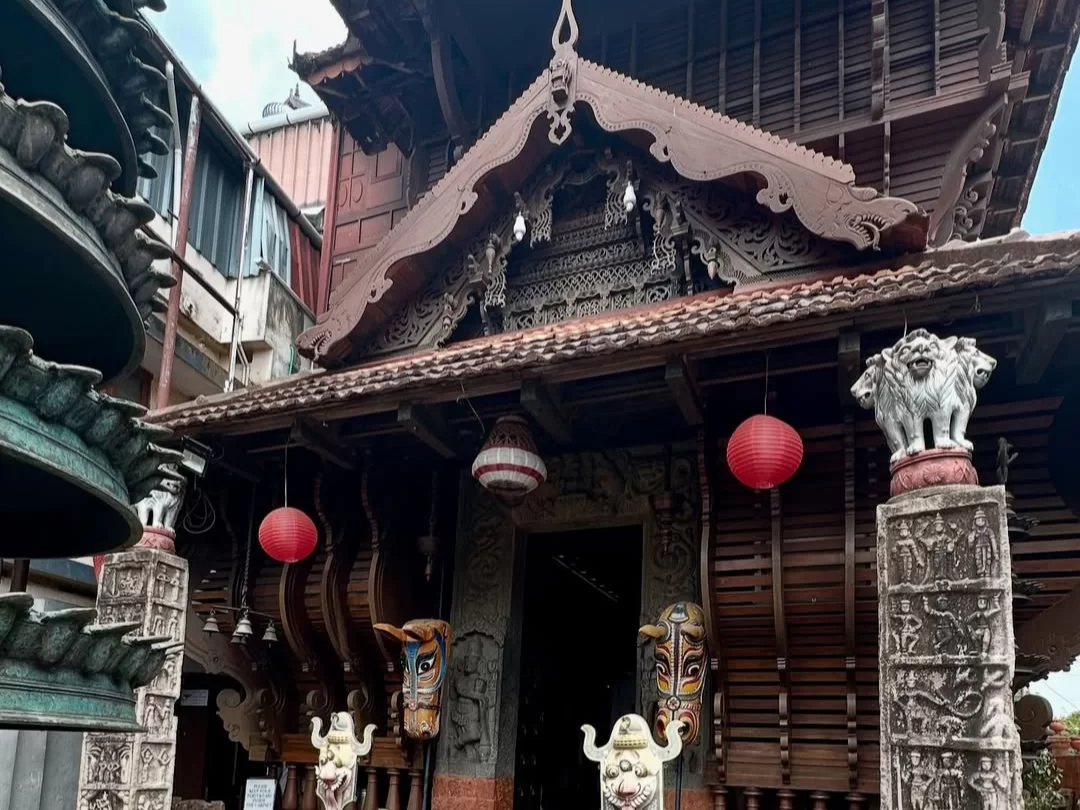
The architecture of the museum itself is a blend of traditional Kerala styles and modern elements, with wooden structures, thatched roofs, and intricate carvings that reflect the region’s craftsmanship. Today, the Kerala Folklore Museum stands as a prominent cultural institution in Kochi, offering both locals and visitors an in-depth understanding of the state's folklore and cultural heritage.
Best Time to Visit – Kerala Folklore Museum, Kochi
The best time to visit Kerala Folklore Museum in Kochi is from October to March, when the weather is cooler and comfortable, making it ideal for exploring the museum’s extensive collection of traditional Kerala art, artifacts, and cultural exhibits. This period also aligns with Kochi’s peak tourist season, offering a perfect opportunity to explore the museum along with other heritage sites in the area.
- October–November: Post-monsoon freshness with clear skies—ideal for indoor cultural experiences.
- December–February: Coolest and most pleasant months—best for sightseeing and spending time in the museum.
- March: Still suitable, though temperatures start rising—morning visits are recommended.
- April–May (Summer): Hot and humid; early morning or late afternoon visits are more comfortable.
- June–September (Monsoon): Heavy rainfall; indoor exploration remains possible, but outdoor activities may be affected.
Best time of day: 10:00 AM to 1:00 PM is ideal for visiting Kerala Folklore Museum, offering quieter conditions and better light for appreciating the art displays.
- Heritage tip: Morning visits allow you to explore the museum without the peak crowd, allowing for a more immersive experience.
- Photography tip: Indoor lighting creates the best ambiance for photographing traditional Kerala artifacts and art pieces.
- Visitor note: Check the museum’s opening hours in advance, especially during festival seasons or public holidays.
How to Reach Kerala Folklore Museum, Kochi
Kerala Folklore Museum is located in Thevara, Kochi, in Ernakulam district, Kerala. The museum is known for its vast collection of traditional Kerala artifacts, art, and cultural exhibits. It is easily accessible by road from all parts of Kochi.
- By Air (Nearest airport): The nearest airport is Cochin International Airport, approximately 35 km away. From the airport, hire a taxi or app-based cab directly to the museum, which takes about 1 hour depending on traffic.
- By Train (Nearest railway stations): Ernakulam Junction (South) and Ernakulam Town (North) are the closest major railheads, both about 10 km from the museum. From the station, take a taxi or auto-rickshaw to the museum.
- By Road: Kerala Folklore Museum is located in Thevara, a well-connected area in Kochi. KSRTC and private buses frequently operate to Thevara Bus Stand, from where the museum is a short walk or auto-rickshaw ride away.
- Taxi / Auto-rickshaw: Taxis and auto-rickshaws are easily available throughout Kochi. Ask for drop-off at Kerala Folklore Museum or the nearby Thevara Junction.
- Self-drive: Self-driving is convenient via Kochi’s city roads. Parking facilities are available near the museum, but spaces may be limited during peak hours.
- Walking access: Visitors staying near the Thevara area can comfortably walk to the museum from local hotels or landmarks.
- Travel tips (EEAT): Plan your visit during the museum's open hours (usually from 10 AM to 6 PM). Photography might be restricted in some sections, so check with the staff. Wear comfortable footwear for walking around the museum's multiple sections.
What to Expect When You Visit Kerala Folklore Museum, Kochi
The Kerala Folklore Museum is an intriguing cultural space located in Kochi, showcasing a rich collection of traditional Kerala art, artifacts, and cultural relics. The visit is educational and immersive, offering a deep dive into Kerala’s vibrant folklore, history, and local crafts through carefully curated exhibits.
- Extensive folk art collection: the museum displays a variety of traditional Kerala art forms, including costumes, masks, musical instruments, and sculptures.
- Architectural diversity: the museum itself is a blend of Kerala’s traditional architectural styles, with wooden structures and intricate carvings that add to the cultural experience.
- Thematic sections for different art forms: expect exhibits dedicated to Kathakali, Theyyam, and other classical art forms, as well as collections on local rituals, deities, and festivals.
- Insight into rural life: the museum also showcases the lifestyle, tools, and utensils used by Kerala’s rural communities, providing a window into daily life through the ages.
- Engaging for cultural enthusiasts: the museum is an ideal stop for those interested in learning about Kerala’s deep artistic and cultural heritage.
- Atmosphere of discovery: the museum’s peaceful setting and well-organized exhibits make it an immersive experience for history and culture lovers.
- Not heavily commercialized: while it’s a tourist attraction, the focus is more on education and preservation than on souvenir sales or tourism-driven experiences.
- Ideal for slow exploration: visitors typically spend a couple of hours here, taking time to appreciate the various collections and read the interpretive signage.
- Good for all age groups: families, students, and travelers of all ages will find something engaging, with informative displays and visually striking exhibits.
- Central location in Kochi: the museum is easily accessible and can be combined with other nearby attractions in the city.
Tip for a smoother visit: take time to read the informational plaques for a deeper understanding, and plan to visit in the morning for a quieter experience. Photography may be restricted in certain sections, so be mindful of signage.
Important Visitor Information – Kerala Folklore Museum, Kochi
- Crowd & Weather Notes: The Kerala Folklore Museum experiences moderate to high footfall during peak tourist season (October to March), weekends, and public holidays. The coastal climate is humid; summers are warm, monsoon months (June to September) bring heavy rainfall, and winters are relatively pleasant.
- Peak / Quiet Hours: Peak hours are late morning to early afternoon when most visitors arrive. Early morning and late afternoon on weekdays are quieter and ideal for a more relaxed museum experience.
- Dress Code: No formal dress code applies, but modest and comfortable clothing is recommended for visiting the museum. Footwear is allowed, but ensure it is comfortable for walking through the exhibits.
- Safety Notes: Be cautious around the exhibits, especially delicate artifacts. Photography may be restricted in certain areas—please check with staff. Keep personal belongings secure in crowded areas, and respect the peaceful atmosphere of the museum.
Photography and Viewpoint – Kerala Folklore Museum, Kochi
Kerala Folklore Museum, located in Thevara, Kochi, is a cultural treasure trove showcasing traditional Kerala art, artifacts, and architectural styles. The museum features over 4,000 exhibits including folk art, sculptures, masks, and ceremonial items that highlight Kerala’s cultural heritage. Photography here focuses on rich cultural details, artistic textures, and well-lit interiors, while adhering to the museum’s policies.
- Photography permissions: Confirm with museum staff whether photography is allowed in specific galleries, as policies may vary by section.
- Best light for interior photography: Use natural light filtering through windows for softer shots; low-light settings may require faster lenses or higher ISO settings.
- Artistic detail shots: Focus on intricate carvings, masks, and folk art sculptures—ensure you have a steady hand or use a tripod to capture sharp images in low light.
- Wide vs. detail photography: Use wide lenses to capture entire exhibition spaces, and close-ups for texture-rich shots of masks, artifacts, and crafts.
- Mobile photography tips: Use burst mode for action shots during performances (if allowed), expose for mid-tones on artworks, and avoid using flash.
- Cultural storytelling: Photograph exhibits in context—capture full artifacts or create compositions that tell the story of Kerala’s folklore and traditions.
- Crowd & timing awareness: Visit during quieter hours to avoid crowds and secure unobstructed shots of exhibits.
- Respectful photography etiquette: Follow the museum’s photography policies, avoid touching exhibits, and never use flash near sensitive artifacts.
- Exterior & architectural shots: The museum building itself, with its traditional Kerala-style architecture, offers unique framing opportunities for architectural photographers.
- Responsible cultural documentation: Use photography to document and share Kerala’s rich heritage without disturbing the museum’s atmosphere or exhibits.
Near By Attraction
 Temple
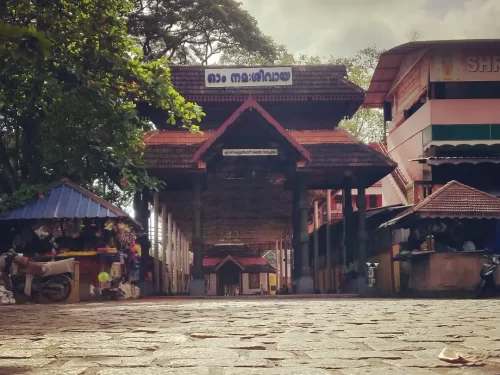
Ernakulam Shiva Temple
Ernakulam Shiva Temple is a historic temple in Kochi, renowned for its devotion to Lord Shiva and its cultural significance.
 Beach
Beach
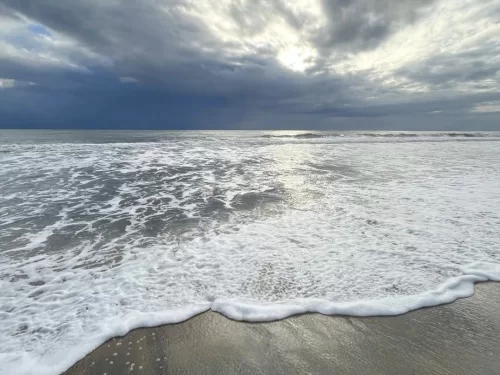
Cherai Beach
Cherai Beach is a beautiful coastal destination near Kochi, known for its calm waters, golden sands, and scenic beauty.
 Museum
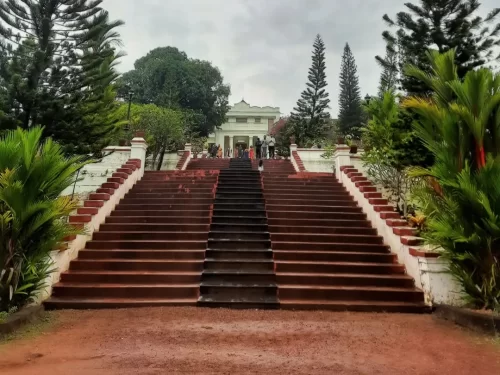
Hill Palace Museum
Hill Palace is a grand historical palace in Kochi, once the official residence of the Kochi royal family.